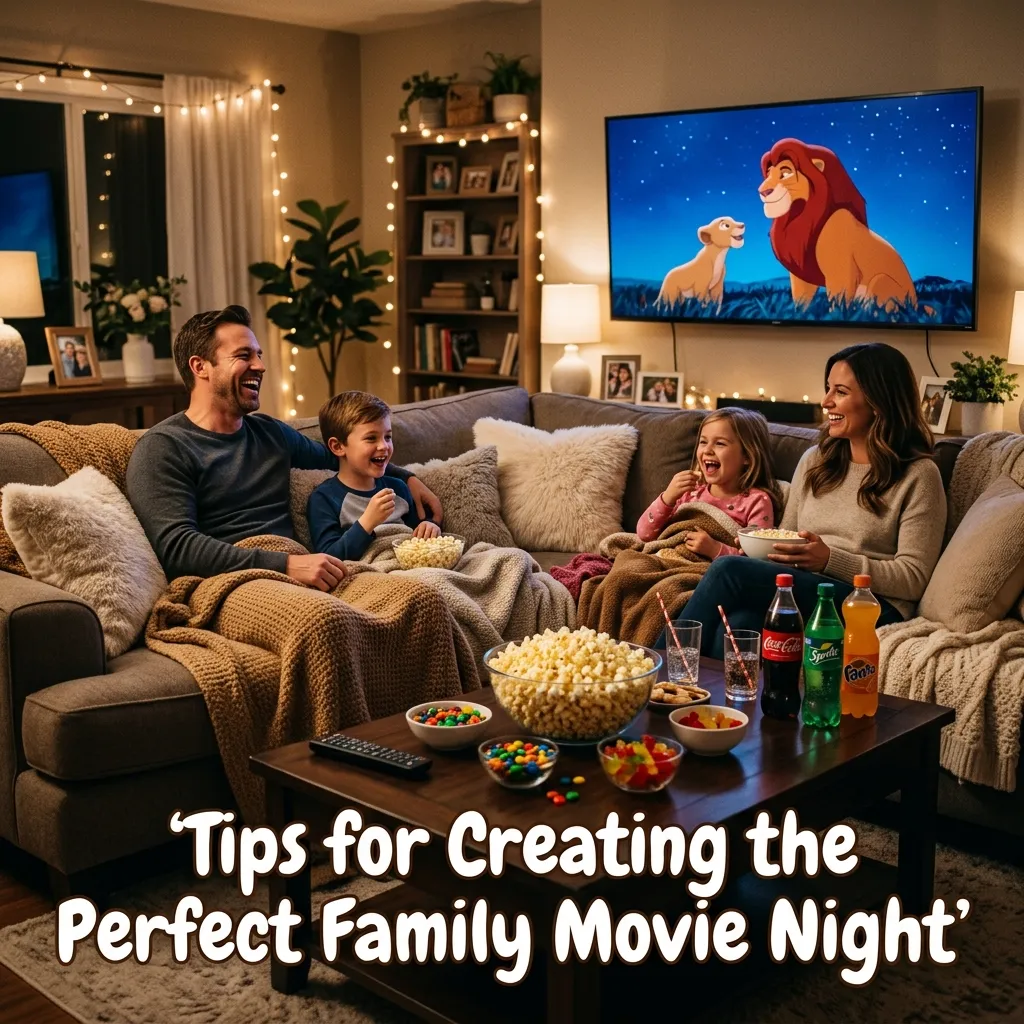
Selecting the right preschool movie as a catalyst for a successful family movie night involves balancing age-appropriate content with engagement that holds the interest of older siblings and parents alike. By choosing a narrative that introduces gentle themes, clear pacing, and relatable characters, families can transform a standard screen-time session into a structured bonding experience that fosters discussion and collective relaxation.
Understanding the Preschool Movie Dynamic
For families with young children, the transition to a dedicated movie night is rarely about the complexity of the plot. Instead, it serves as a bridge for developing social-emotional skills, attention spans, and shared cultural touchstones. A "preschool movie" in this context is typically categorized by films produced for the 3–5-year-old demographic, characterized by vibrant animation, simple moral arcs, and an absence of intense conflict or sudden jump scares.
When a preschool movie sparks family movie night, it acts as the anchor for an evening that transcends passive observation. Unlike scrolling through a streaming catalog for hours, centering the night around a film that fits the youngest member’s developmental stage ensures that the environment remains comfortable and inclusive. This choice allows parents to frame the movie not just as entertainment, but as an interactive event where the youngest viewers feel seen and acknowledged.
Selecting the Right Content
To ensure the film serves its purpose, parents should evaluate potential choices based on length, sensory intensity, and thematic complexity. Preschoolers generally require content that is between 60 and 85 minutes long, as this aligns with typical cognitive fatigue points.
Key Criteria for Preschool-Friendly Films
- Sensory Modulation: Avoid films with rapid-fire editing or extreme, loud sound design. Consistency in audio levels prevents overstimulation in toddlers.
- Narrative Clarity: The central conflict should be easily identifiable. Themes like friendship, emotional regulation, or learning new tasks are ideal for this age group.
- Visual Engagement: High-contrast color palettes and clear character silhouettes help younger eyes track the action on screen without feeling overwhelmed by visual noise.
- Relevance to Siblings: If older children are present, choose films with layers—humor that appeals to adults and school-aged children, while the core plot remains simple enough for the preschooler to follow.
Structuring the Environment for Success
A successful movie night for a preschooler is heavily dependent on the physical environment. By removing potential stressors, you allow the family to remain focused on the experience rather than the logistics of discomfort.
Preparing the Viewing Area
- Lighting Control: Total darkness can be frightening for some preschoolers. Use dimmable lamps or soft ambient bias lighting behind the television to reduce eye strain and mitigate fear of the dark.
- Seating Arrangements: Ensure the preschooler is seated with clear sightlines, ideally between or in the laps of parents, to provide a sense of security if a character experiences a moment of sadness or tension.
- The "Intermission" Plan: Do not expect a preschooler to remain stationary for the duration of a feature film. Plan a deliberate pause at the halfway point—about 30 to 40 minutes in—to allow for bathroom breaks, a stretch, or a conversation about what has happened so far.
Creating a Ritual Beyond the Screen
The "spark" that turns a movie into a family event comes from the activities that bookend the viewing. When the movie is treated as the center of a larger ritual, it becomes a predictable, cherished highlight of the week or month.
Pre-Movie Rituals
Before the film starts, set the stage with specific, consistent snacks. Avoid high-sugar options right before bed; instead, opt for balanced snacks like popcorn with nutritional yeast, apple slices, or cheese cubes. This creates a sensory association: the specific snack signals that "it is movie night."
Post-Movie Engagement
The most important part of the night happens after the credits roll. Ask the preschooler open-ended questions about the characters. Instead of asking "Did you like it?"—which leads to a yes/no answer—try asking:
- "Which character made you laugh the most?"
- "What would you have done if you were in the character's shoes?"
- "Which part of the movie was your favorite?"
These questions help build narrative comprehension and oral communication skills, turning the movie into a foundational learning experience.
Managing Common Challenges
Even with the best planning, family movie nights can face hurdles. Understanding these challenges in advance allows you to troubleshoot effectively without losing the momentum of the evening.
Dealing with Overstimulation
If a child becomes agitated or starts to fidget excessively, it may be a sign of sensory overload. Do not force the child to finish the film. It is acceptable to turn the volume down, take a break, or even stop the movie entirely. The goal is to cultivate a positive association with family time, which is undermined if the child is stressed.
Balancing Diverse Age Interests
When you have a child in preschool and an older child in elementary school, the "preschool movie" selection might feel too simplistic for the older sibling. To mitigate this, involve the older child in the process. Ask them to act as a "film critic" or a "co-host" who helps the preschooler understand the plot. This gives the older child a sense of responsibility and inclusion, rather than making them feel forced to watch "baby content."
| Strategy | Goal | Benefit |
|---|---|---|
| Scheduled Intermission | Regulate attention span | Prevents irritability and restlessness |
| Shared Pre-Movie Prep | Build anticipation | Creates a ritualistic sense of occasion |
| Active Post-Movie Discussion | Improve comprehension | Enhances language and critical thinking |
| Bias Lighting | Reduce eye strain | Lowers anxiety in dimly lit rooms |
Evaluating Content Appropriateness
In 2026, parents have access to more data than ever regarding the suitability of films. Utilize tools like Common Sense Media to look up specific movies before screening them. Check for "content triggers" such as mild cartoon violence, scary imagery, or complex themes that might be too mature for a preschooler.
It is also vital to verify the source of your content. Whether using subscription video-on-demand services, digital rentals, or physical media, ensure the platform is secure and free from intrusive advertising that can interrupt the flow of the evening. Ad-free experiences are significantly better for maintaining the attention span of younger viewers.
Practical Steps to Launch Your Movie Night
If you are initiating this tradition in 2026, start small. Do not aim for a weekly cadence if your family schedule is already tight. A monthly "Movie Night" is a sustainable goal that allows you to build anticipation.
- The Announcement: Announce the movie night two days in advance. This gives the preschooler something to look forward to and helps them adjust their expectations.
- The Choice: Provide two options—both of which you approve—and let the preschooler choose. This offers autonomy within a safe, curated boundary.
- The Setup: Arrange the living room an hour before showtime. Involve the child in "making the cinema" by moving pillows or placing blankets.
- The Execution: Start the movie at a time that aligns with the child's energy levels, typically after dinner but well before the final bedtime routine.
- The Reflection: Engage in the conversation while cleaning up the snacks. Keep the tone light and celebratory.
Addressing Unresolved Concerns
Parents often wonder if movies "count" as quality time. The consensus among developmental experts is that media consumption is highly contextual. When a movie is consumed in isolation, it is passive; when it is consumed as a family, it is a social activity. The "spark" of the preschool movie night is not the film itself, but the shared experience of being present, listening to each other's reactions, and navigating the narrative together. As long as the experience is bounded by meaningful interaction, it provides significant value.
If you find that your child is consistently struggling to enjoy movie nights, re-evaluate the timing. A child who is tired after a full day at school or preschool may simply lack the cognitive energy to focus on a screen. Move the event to a weekend morning, treat it as a "breakfast and a movie" event, and observe if the mood improves. The flexibility of the format is one of its greatest strengths.
Recommendation for Next Steps
To begin, select a film you know your child already has a positive association with, such as a short episode of a favorite series or a movie they have seen clips of. By starting with familiar content, you remove the "fear of the unknown," allowing the preschooler to feel confident and relaxed. Once the ritual of sitting together and discussing the film is established, you can gradually introduce new titles. Monitor the engagement level of your child, adjust the length and complexity accordingly, and remember that the primary objective is to create a space where your family feels connected and at ease.