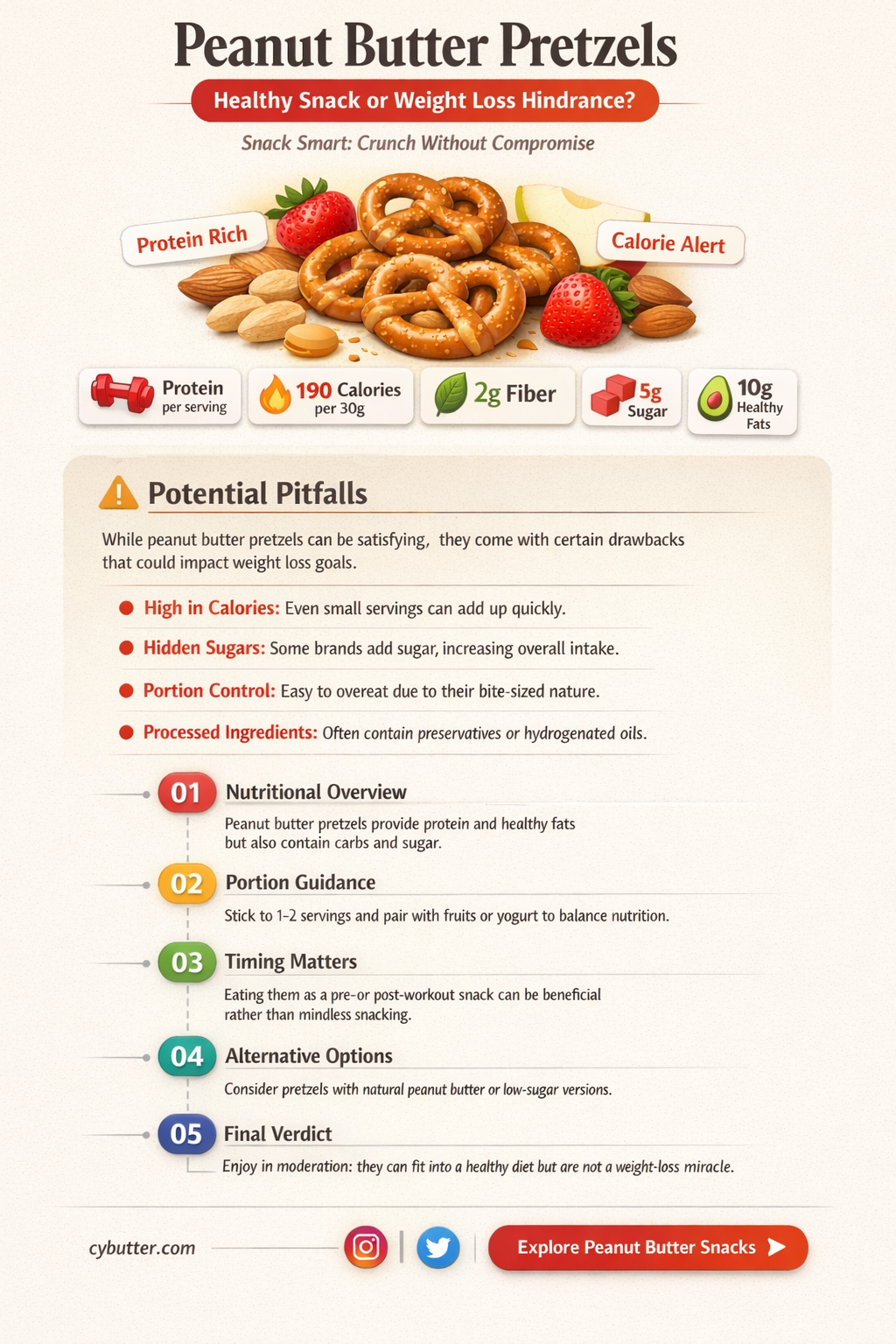
Peanut butter sandwiches can be a valuable part of a weight loss diet when portion-controlled and made with nutrient-dense ingredients like whole-grain bread and natural peanut butter. Because peanut butter is rich in healthy fats, protein, and dietary fiber, it promotes prolonged satiety and helps curb cravings. However, due to its high caloric density, overconsumption can easily stall weight loss progress.
Understanding the Nutritional Profile of Peanut Butter
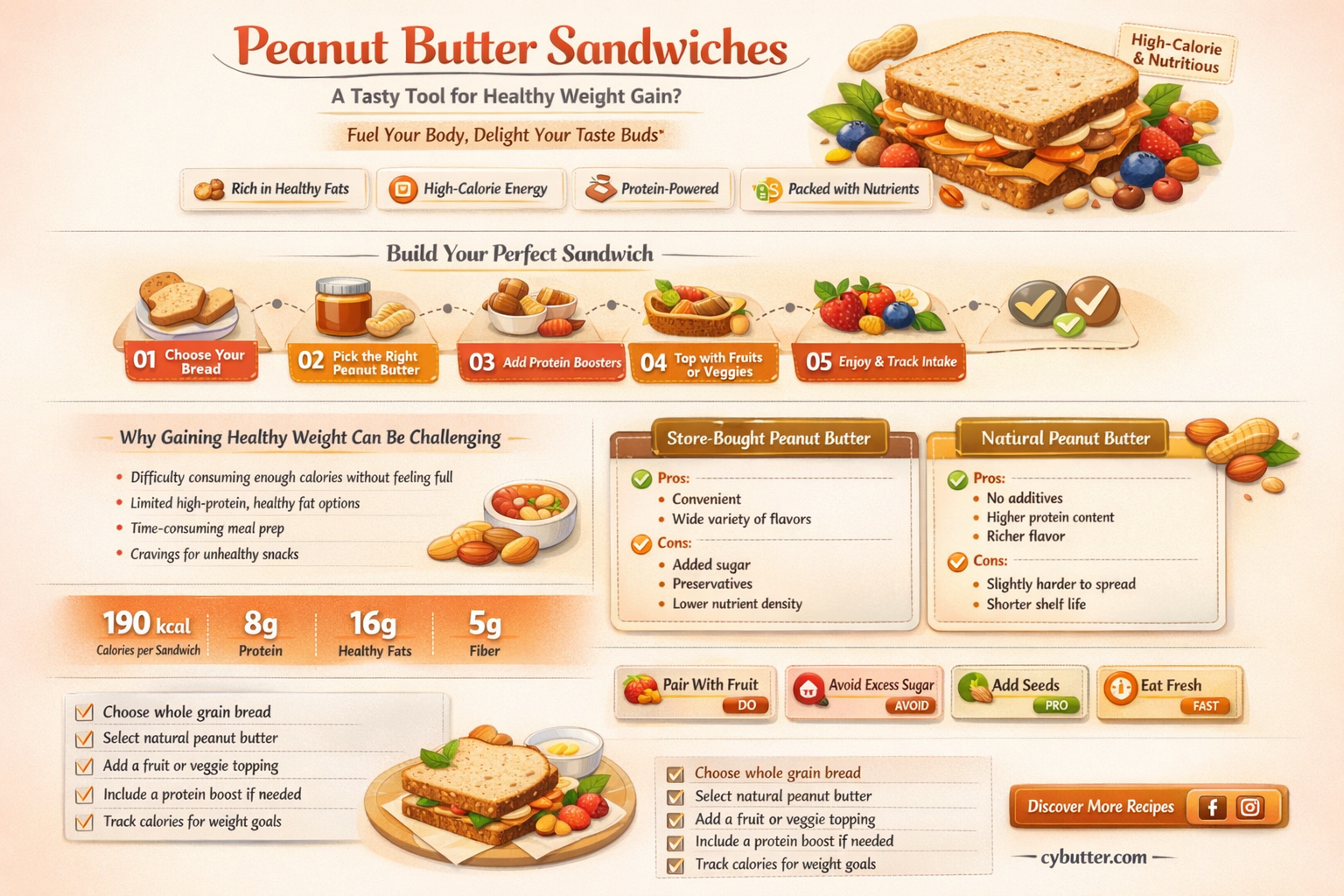
To determine whether peanut butter sandwiches support weight loss, it is essential to examine the macronutrient breakdown of peanut butter itself. Two tablespoons—a standard serving size—typically contain around 190 to 200 calories, 7 to 8 grams of protein, 16 grams of fat (mostly heart-healthy monounsaturated and polyunsaturated fats), and 2 to 3 grams of fiber, alongside essential minerals like magnesium, potassium, and vitamin E.
The presence of healthy fats and protein is the primary reason peanut butter can assist with weight management. These nutrients slow down stomach emptying and trigger the release of satiety hormones such as peptide YY and cholecystokinin. When you consume a food that keeps you full for hours, you are naturally less likely to graze on processed, high-sugar snacks later in the day.
However, peanut butter is also densely packed with calories. A jar of peanut butter offers a high energy-to-volume ratio, meaning a small physical amount packs a significant caloric punch. For weight loss to occur, an individual must maintain a caloric deficit—consuming fewer calories than the body expends. If peanut butter portions are measured inaccurately, the surplus calories can quickly erase that deficit, transforming a healthy meal into an obstacle for fat loss.
The Role of Bread Choices in Sandwich Construction
A peanut butter sandwich relies on two main components: the spread and the bread. While the peanut butter provides healthy fats and protein, the bread determines the carbohydrate quality, fiber content, and glycemic impact of the meal. Choosing the right bread is a critical factor in whether the sandwich aids weight loss.
Refined white bread undergoes processing that strips away the bran and germ, removing the majority of the fiber and many B vitamins. White bread digests rapidly, causing a sharp spike in blood glucose levels followed by a rapid crash, which often triggers premature hunger and fatigue. Conversely, 100% whole-grain or sprouted-grain breads retain the grain's natural fiber and nutrients. Fiber slows carbohydrate digestion, stabilizing blood sugar levels and sustaining energy.
| Bread Type (per slice) | Approximate Calories | Fiber (grams) | Protein (grams) | Impact on Satiety |
|---|---|---|---|---|
| White Bread | 75–80 | 0.5–1 | 2–3 | Low; rapid digestion and quick hunger return |
| 100% Whole Wheat Bread | 80–90 | 2–3 | 3–4 | Moderate to High; sustained energy release |
| Sprouted Grain Bread | 80–90 | 3–4 | 4–5 | High; nutrient-dense and highly filling |
| Sourdough (Traditional) | 90–100 | 1–2 | 3–4 | Moderate; improved glycemic response compared to white |
Selecting a fiber-rich, high-protein bread transforms the sandwich into a balanced meal that supports metabolic stability. Pairing peanut butter with whole grains ensures that the body receives complex carbohydrates that fuel physical activity without promoting fat storage.
Comparing Natural Peanut Butter vs. Commercial Varieties
Not all peanut butter options are created equal. Walking down a grocery store aisle reveals a stark divide between traditional commercial peanut butter brands and natural alternatives. This distinction matters significantly for individuals tracking calories, sugar intake, and overall health outcomes during weight loss.
Natural peanut butter typically contains only two ingredients: peanuts and salt. The oils naturally separate and rise to the top of the jar, requiring stirring before use. These products contain no added sugars, hydrogenated vegetable oils, or palm oils.
Commercial peanut butter, on the other hand, often includes added sugars (such as cane sugar, molasses, or high-fructose corn syrup) and partially hydrogenated oils. These additives prevent oil separation and enhance texture and flavor, but they also introduce empty calories and trans fats or excess saturated fats. Added sugars cause unnecessary caloric inflation and blood sugar volatility, undermining the metabolic stability that natural fats and proteins provide.
When shopping for weight loss support, checking the ingredient label is non-negotiable. Opting for a natural variety ensures that every calorie consumed delivers genuine nutritional value rather than hidden sugars.
The Pitfalls of Portion Distortion and Add-Ins
Even when using 100% whole-grain bread and natural peanut butter, weight loss can stall if portion sizes are ignored. Measuring peanut butter with a tablespoon rather than eyeballing it directly from the jar is one of the most effective habits for maintaining a caloric deficit.
Consider the caloric math of a standard peanut butter sandwich:
- Two slices of whole-grain bread: ~160–180 calories
- Two tablespoons of natural peanut butter: ~190–200 calories
- Total: ~350–380 calories
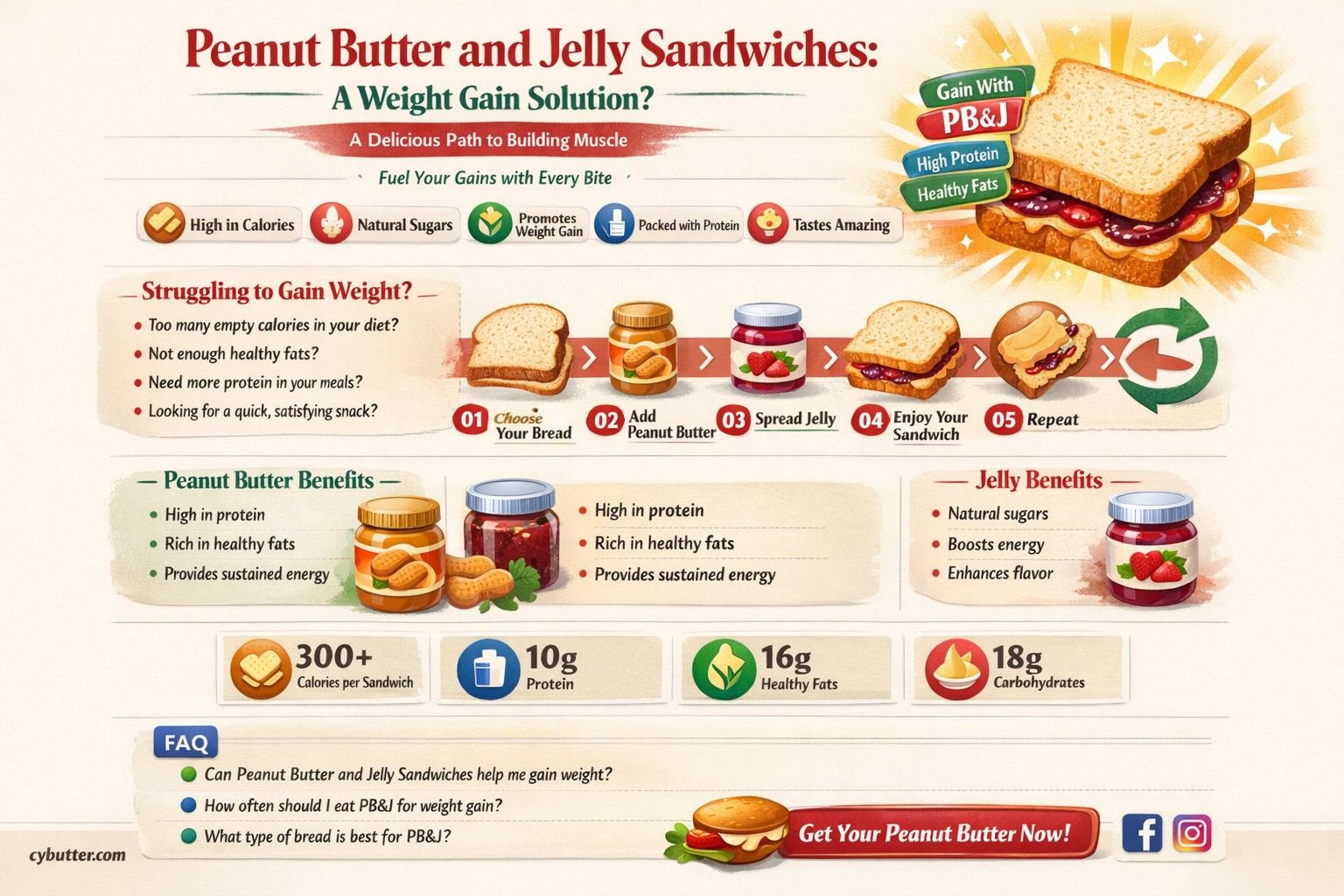
This represents a reasonable, satisfying lunch or snack for most adults. However, if someone spreads a thick, unmeasured layer equivalent to four tablespoons of peanut butter and adds jelly, honey, or chocolate spread, the math changes dramatically:
- Two slices of white bread: ~160 calories
- Four tablespoons of peanut butter: ~380 calories
- Two tablespoons of grape jelly: ~100 calories
- Total: ~640 calories
This high-calorie count is not inherently bad, but if it pushes the individual past their daily caloric threshold, weight loss ceases. Furthermore, commercial fruit jellies and jams are loaded with refined sugars that spike blood insulin levels, blunting the fat-burning process and inviting mid-afternoon energy crashes.
Strategic Ways to Incorporate Peanut Butter Sandwiches into a Weight Loss Plan
Integrating peanut butter sandwiches into a fat-loss diet requires intention, balance, and mindful consumption. Rather than banning the food entirely or consuming it carelessly, you can utilize specific strategies to maximize its benefits.
- Practice Portion Control: Stick to a strict two-tablespoon serving of peanut butter per sandwich. Use a measuring spoon until you can accurately visualize the portion size.
- Upgrade Your Bread: Choose dense, high-fiber, sprouted-grain breads that increase satiety and slow digestion.
- Control Sweet Add-Ins: If you prefer a sweet sandwich, skip sugary jellies. Instead, mash a few fresh raspberries or sliced strawberries inside the sandwich, or use a light dusting of cinnamon for flavor without the added sugar spike.
- Pair with Protein or Volume: Serve your sandwich alongside a side of celery sticks, baby carrots, or a leafy green salad. This adds food volume, micronutrients, and hydration without adding a significant number of calories.
- Fit It Into Your Macros: Track your daily caloric intake. A peanut butter sandwich can serve as a nourishing pre-workout meal or a satisfying midday lunch, provided it fits comfortably within your daily energy budget.
Frequently Asked Questions
Can I eat peanut butter sandwiches every day and still lose weight?
Yes, you can eat a peanut butter sandwich every day and lose weight, provided you remain in a caloric deficit. Weight loss is fundamentally governed by energy balance. As long as the total calories consumed from your sandwich and all other daily foods are lower than your total daily energy expenditure (TDEE), daily consumption will not hinder weight loss.
Is crunchy peanut butter better for weight loss than creamy?
Nutritionally, crunchy and creamy peanut butter are almost identical in calories, fat, protein, and fiber per serving. However, crunchy peanut butter offers a slight textural advantage that encourages slower eating and better chewing mechanics, which can enhance the feeling of fullness and satisfaction compared to smooth spreads.
Does peanut butter boost metabolism?
Peanut butter does not possess magical fat-burning properties that accelerate metabolism. However, it requires energy to digest—a concept known as the thermic effect of food (TEF)—and its protein and fat content help preserve lean muscle mass during a caloric deficit. Preserving muscle mass is crucial because muscle tissue burns more resting calories than fat tissue.
What is the best time of day to eat a peanut butter sandwich for weight loss?
The best time to eat a peanut butter sandwich is whenever it helps you manage your hunger best. Many individuals find that eating it for lunch or as a pre-workout snack provides sustained energy and prevents evening overeating. Because it promotes prolonged satiety, eating it earlier in the day can help curb late-night snacking cravings.
Are powdered peanut butter substitutes better for weight loss?
Powdered peanut butter has had most of its natural oils pressed out, resulting in a product that contains about 85% fewer calories from fat while retaining protein. For aggressive weight loss, powdered peanut butter allows you to enjoy the flavor of peanut butter with a fraction of the calories. However, it lacks the heart-healthy monounsaturated fats found in traditional natural peanut butter, so the choice depends on your specific dietary fats goals.
Conclusion
Peanut butter sandwiches can be an effective, satisfying component of a weight loss diet when approached with mindfulness regarding portion sizes and ingredient quality. By choosing natural peanut butter free of added sugars and pairing it with high-fiber, nutrient-dense whole-grain bread, you create a balanced meal rich in healthy fats and protein that promotes lasting fullness. To ensure success, measure your spreads carefully, avoid sugary additives like commercial jelly, and ensure the sandwich fits within your overall daily caloric deficit.