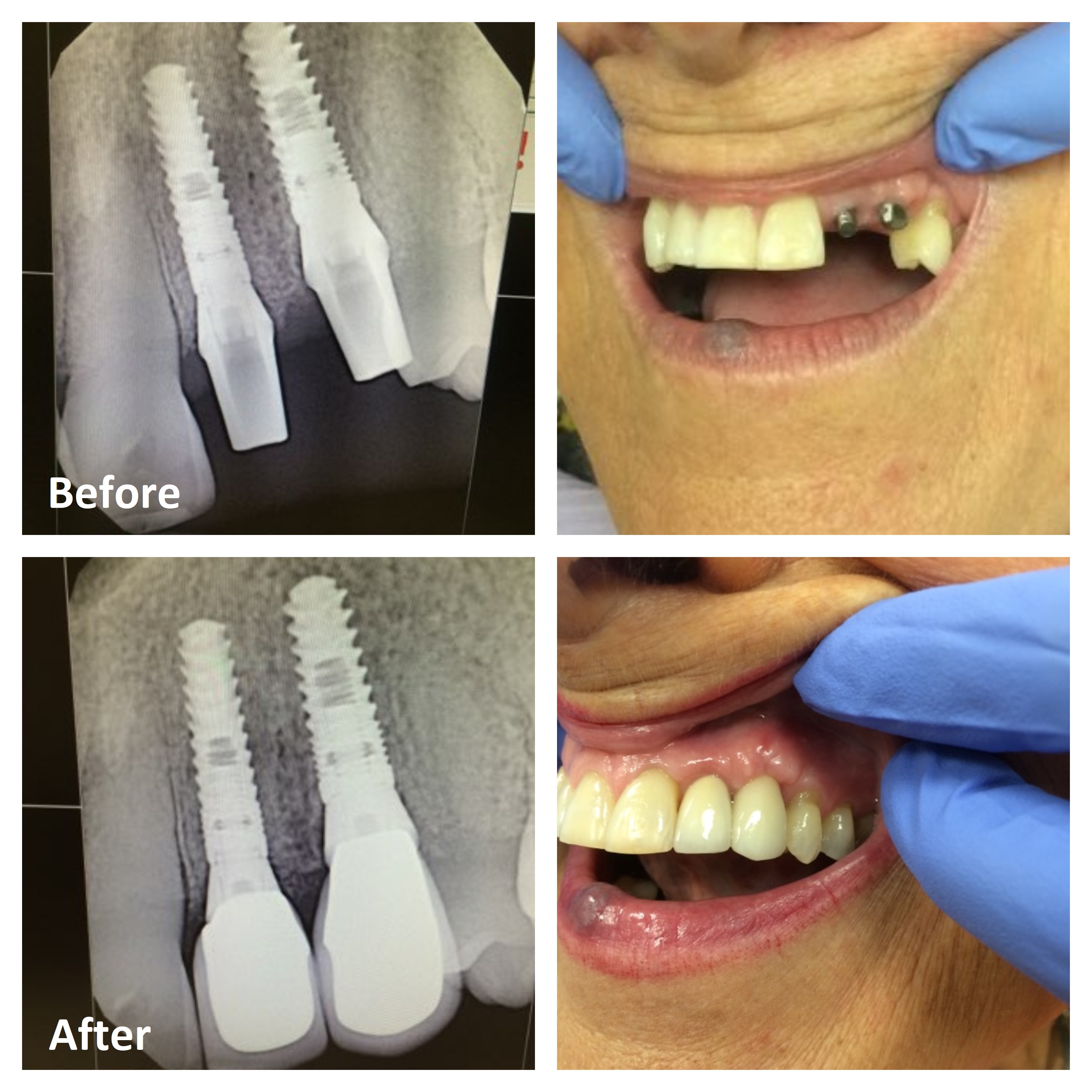
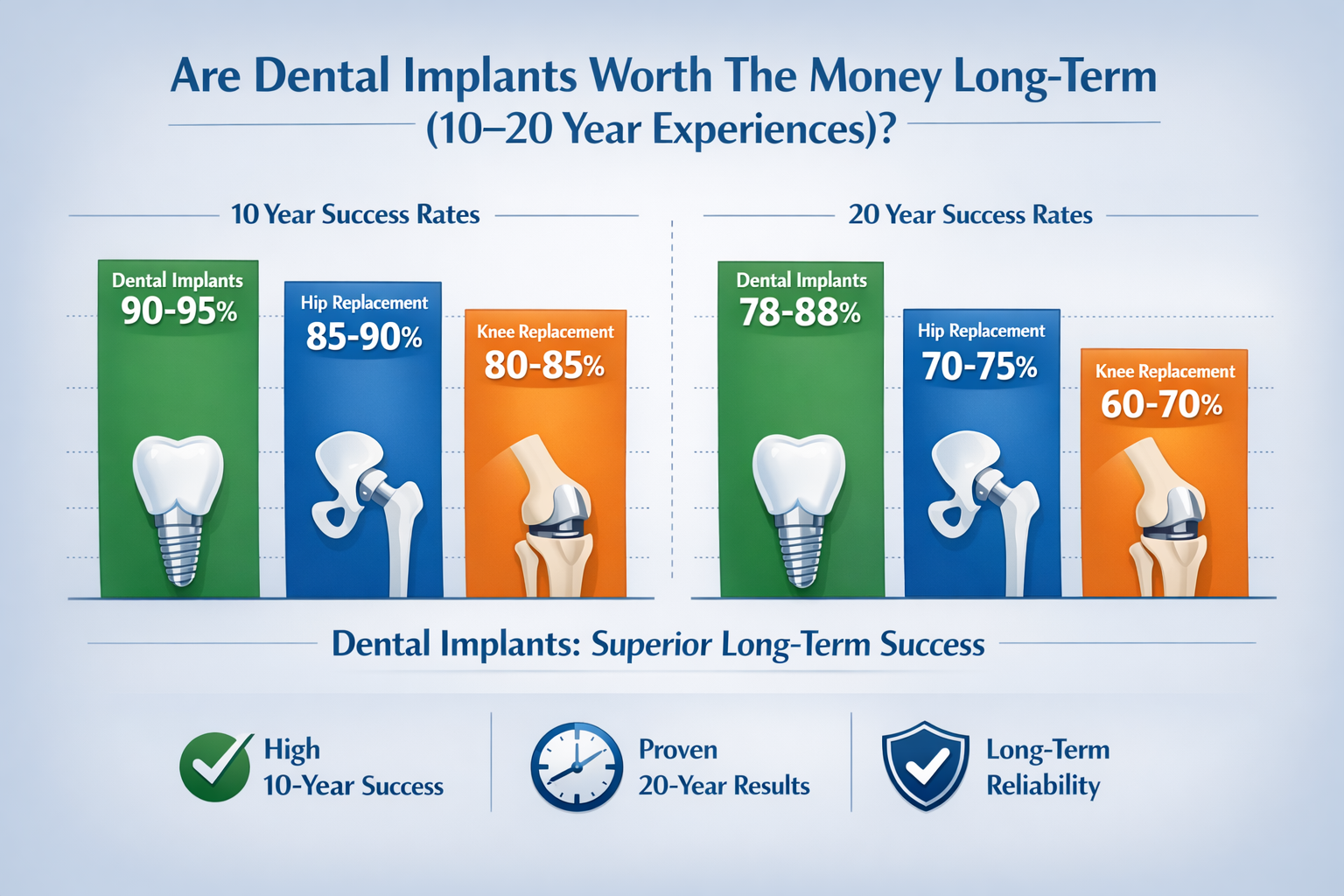
Dental implants are widely considered the gold standard for tooth replacement, offering a durable, functional, and aesthetically pleasing solution for missing teeth. While the upfront investment is significant, many patients find them worth the cost due to their long-term reliability, prevention of bone loss, and the high quality of life they provide compared to traditional dentures or bridges.
The decision to undergo dental implant surgery is both a medical and a financial commitment. As of 2026, technology in restorative dentistry has stabilized, making the procedure highly predictable. However, determining whether they are "worth it" requires a granular look at your personal clinical needs, long-term health implications, and the structural integrity of your jawbone.
Understanding the Dental Implant Mechanism
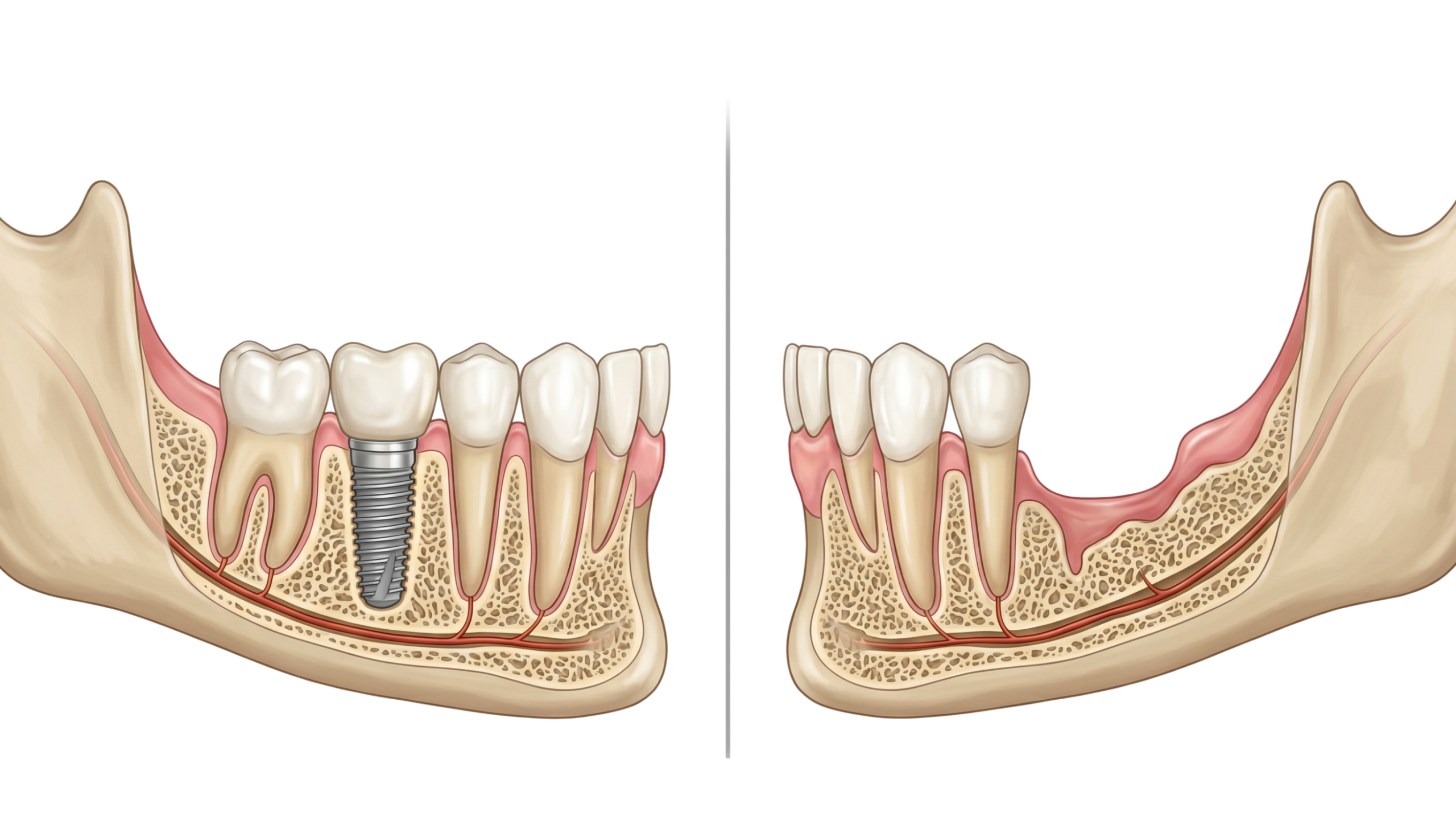
A dental implant is not just a prosthetic tooth; it is an integrated medical device. The system consists of three distinct parts: the implant body (the screw, typically made of titanium or zirconia), the abutment (the connector), and the crown (the visible tooth replacement).
The "worth" of an implant often stems from the biological process of osseointegration. This is the phenomenon where the bone tissue of the jaw grows directly into the surface of the titanium implant. Unlike bridges, which rely on adjacent teeth for support, or dentures, which rest on the gums, implants become a permanent fixture of the skeletal structure. This integration provides a level of stability that mimics natural tooth roots, allowing for normal chewing forces and preventing the "sunken" facial appearance that often occurs after tooth loss due to bone resorption.
Clinical Prerequisites for Success
Not everyone is a candidate for dental implants, and the procedure's value is heavily dependent on specific physiological markers. Before committing to the expense, a dental surgeon will evaluate several critical factors:
Bone Density and Volume
The jawbone requires a specific minimum volume of density to support the titanium screw. If a tooth has been missing for a long time, the underlying bone may have deteriorated. In such cases, bone grafting—a secondary procedure to add synthetic or donor bone material—may be necessary. While this adds to the total cost and time, it is often a prerequisite for a successful, long-term outcome.
Periodontal Health
The presence of active gum disease (periodontitis) is a major contraindication for implant surgery. Before placing implants, clinicians prioritize clearing infections. Failing to address underlying inflammation can lead to peri-implantitis, a condition similar to gum disease that can cause the implant to fail.
Systemic Health and Smoking
Conditions such as uncontrolled diabetes or autoimmune disorders can influence the body’s ability to heal and osseointegrate the implant. Similarly, tobacco use significantly impairs blood flow to the gingival tissues, drastically increasing the risk of implant failure. For a heavy smoker, the "worth" of an implant decreases significantly if the patient is unwilling to address lifestyle factors that compromise the surgical outcome.
Economic and Lifestyle Value Assessment
To determine if the investment is justified, consider the comparison between implants and traditional alternatives like bridges or removable dentures.
Table 1: Comparison of Tooth Replacement Options
| Feature | Dental Implants | Fixed Bridges | Removable Dentures |
|---|---|---|---|
| Longevity | 20+ years / Lifetime | 7–15 years | 5–10 years |
| Bone Health | Preserves jawbone | Can cause bone loss | Accelerates bone loss |
| Adjacent Teeth | None affected | Requires grinding down | Generally unaffected |
| Maintenance | Brushing and flossing | Special cleaning tools | Removal and soaking |
| Initial Cost | High | Moderate | Low |
While the initial cost of an implant is high, the "cost-per-year" over a two-decade span often makes it the most economical choice. Traditional bridges often require replacement due to secondary decay on the anchor teeth, and dentures frequently require relining or total replacement as the jawbone changes shape over time.
The Long-Term Impact on Quality of Life
Beyond the math, the subjective value of "perfect teeth" through implants manifests in daily life.
- Dietary Freedom: Denture wearers often struggle with hard or sticky foods. Implants restore near-natural biting force, allowing for a diverse, nutritious diet without the fear of the prosthetic shifting or falling out.
- Psychological Confidence: The aesthetic outcome of modern implants is designed to be indistinguishable from natural teeth. For many, this removes the social anxiety associated with missing teeth or loose dentures, contributing to improved mental well-being and professional confidence.
- Speech Stability: Because implants are fixed in the bone, they do not impede speech in the way that bulky, sliding dentures can. This makes them a vital tool for those who communicate frequently in their personal or professional lives.
Potential Risks and Limitations
No surgical procedure is without risk. Prospective patients must account for the following:
- Surgical Risks: As with any invasive procedure, there is a small risk of infection at the site, nerve damage (which can cause temporary or permanent numbness), or sinus issues if the implants are placed in the upper jaw.
- The "Wait" Factor: From the time of the initial extraction or bone graft to the final placement of the crown, the process can take several months. Patients must be prepared for this extended treatment timeline.
- Maintenance Requirements: An implant is not "set it and forget it." While it cannot decay like a natural tooth, the surrounding gum tissue can still become inflamed. Rigorous oral hygiene—including daily flossing and regular dental cleanings—is mandatory to prevent long-term failure.
Troubleshooting and Managing Expectations
If you decide to proceed with implants, managing your expectations is crucial. The first "perfect" look is often achieved with a temporary crown or a healing abutment; the permanent, custom-shaded crown is usually placed months later once the site has fully matured.
If you experience pain or looseness after the final crown is placed, contact your provider immediately. In the vast majority of cases, these issues are minor mechanical adjustments to the crown itself. However, early intervention is the best way to protect your investment. Always ensure that your provider is a specialist, such as a periodontist or oral surgeon, who is board-certified and has extensive experience with the specific implant system being used.
Frequently Asked Questions
Do dental implants feel like natural teeth?
Yes. Once fully integrated, most patients report that they forget they have an implant. Because there are no nerves inside the implant, you will not feel temperature or pressure in the same way, but the structural sensation is identical to a natural tooth.
Will insurance cover the cost of dental implants?
Coverage varies significantly by policy. Many dental insurance plans still categorize implants as "elective" or "major" procedures, often capping coverage. It is essential to check your specific plan details, as some insurance providers now recognize the long-term benefits of implants over bridges and have updated their policies as of 2026.
How painful is the implant process?
Most patients describe the procedure as being less painful than a tooth extraction. The surgery is performed under local anesthesia, and most post-operative discomfort can be managed with over-the-counter pain relievers.
What is the failure rate of dental implants?
With proper patient selection and surgical technique, the success rate of dental implants is generally cited as being between 95% and 98%. Most failures occur in the first year due to poor bone integration or peri-implant infection.
Can an implant ever "go bad"?
Yes. While the titanium post is immune to cavities, the surrounding tissues are susceptible to gum disease. Poor oral hygiene can lead to peri-implantitis, which destroys the bone holding the implant in place. Regular dental check-ups are required to ensure the longevity of the device.
Recommendation
For most individuals seeking a permanent, functional, and aesthetically reliable solution for missing teeth, dental implants are worth the investment. To move forward, schedule a consultation with a board-certified periodontist or oral surgeon. Request a CBCT (Cone Beam Computed Tomography) scan, which provides a 3D view of your jawbone, to get an accurate assessment of your bone density. Use this data to discuss a transparent, itemized treatment plan that includes any necessary bone grafting or preparatory work, ensuring there are no hidden costs.