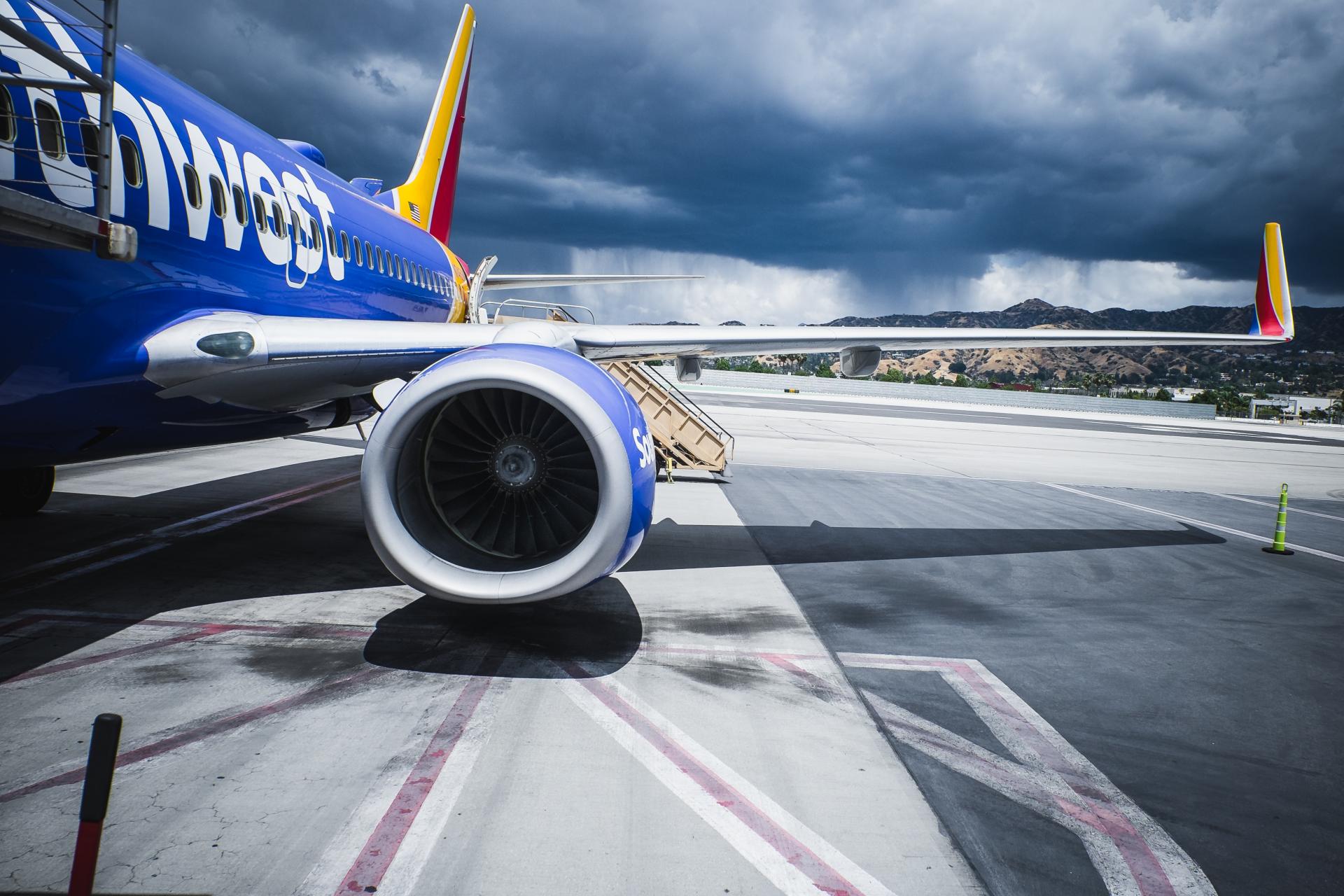
Commercial aviation remains one of the safest modes of transportation globally, supported by robust regulatory oversight, advanced engineering, and rigorous maintenance standards. While recent high-profile incidents involving specific airframe manufacturers have heightened public awareness, the underlying statistical safety data confirms that flying is safer today than in most historical periods, despite localized operational challenges.
Understanding the Statistical Landscape of Aviation Safety
To evaluate whether planes are safe, one must look beyond individual news headlines and examine the aggregate data provided by international aviation bodies. Aviation safety is measured by the frequency of accidents relative to the number of departures or flight hours. As of 2026, the global commercial aviation sector maintains an exceptionally low accident rate, primarily attributed to the "Swiss Cheese Model" of accident prevention. This concept suggests that while individual layers of safety—such as air traffic control, pilot training, and mechanical design—may have holes, it is statistically improbable for all these failures to align simultaneously to cause a catastrophe.
Modern aircraft are equipped with redundant systems that ensure safety even when a primary component fails. For instance, commercial airliners possess multiple flight control computers, hydraulic systems, and engine backups. These systems are designed to revert to a "fail-safe" state, allowing pilots to maintain control or land the aircraft safely even under severe technical duress.
The Role of Regulatory Oversight in 2026
The safety of your flight is fundamentally managed by national and international regulators, such as the Federal Aviation Administration (FAA) in the United States and the European Union Aviation Safety Agency (EASA). These organizations mandate strict compliance with airworthiness directives (ADs).
When a potential mechanical flaw is identified in a specific aircraft model, regulators issue an AD. These directives are not suggestions; they are legally binding requirements that airlines must fulfill before the aircraft can legally take to the sky. In 2026, the process for issuing and tracking these directives is more digitized than ever, allowing for real-time monitoring of fleet status.
Regulatory Enforcement Procedures
- Reporting: Airlines and manufacturers are legally obligated to report any technical anomaly or incident to the regulatory body.
- Investigation: Experts analyze the data to determine if the issue is systemic or isolated.
- Corrective Action: If systemic, an Airworthiness Directive is issued, outlining mandatory repairs, inspections, or operational limits.
- Validation: Regulators audit the airline’s maintenance logs to ensure the mandatory work has been performed to exact specifications.
Evaluating Recent Industry Challenges
The aviation industry is currently navigating a period of scrutiny regarding aircraft manufacturing quality control. High-profile incidents involving door plug integrity and software certification in certain narrow-body aircraft have led to increased oversight by the FAA.
For the traveler, this means that while the specific aircraft types in question have been subject to intense scrutiny, the result of this scrutiny is actually a safer flying experience. The planes currently in service have undergone exhaustive inspections to clear them for flight. Furthermore, many airlines have voluntarily implemented additional, redundant inspection protocols beyond what is legally required to bolster passenger confidence and ensure operational reliability.
Factors Influencing Passenger Safety
Passenger safety extends beyond the mechanical performance of the aircraft. Several factors contribute to the total safety profile of a modern flight:
- Pilot Training and Resource Management: Modern commercial pilots undergo rigorous, recurrent simulator training that mimics emergency scenarios—from engine fires to rapid cabin depressurization.
- Maintenance Cycles: Aircraft operate on a strict, time-sensitive maintenance schedule. A plane cannot simply fly indefinitely; after a set number of flight cycles (a takeoff and landing), it must undergo deep-level "C" and "D" checks, where it is effectively stripped down and inspected piece by piece.
- Weather Mitigation: Today’s aviation weather reporting systems provide pilots with real-time data on turbulence, wind shear, and storm cells, allowing for proactive routing changes that avoid hazardous conditions long before they are visible from the cockpit.
Comparative Safety Metrics
When weighing the safety of air travel, it is useful to view the risk levels compared to other modes of transportation. While aviation is often criticized for the "fear of the unknown" inherent in flying, the objective data presents a clear picture.
| Travel Mode | Risk Level (Relative) | Primary Safety Mechanism |
|---|---|---|
| Commercial Aviation | Extremely Low | Redundant systems & federal oversight |
| Rail Travel | Very Low | Fixed infrastructure & automated signaling |
| Bus/Coach Travel | Low | Professional licensing & vehicle inspections |
| Passenger Vehicles | Moderate/High | Variable human behavior & environmental factors |
Note: The "Risk Level" is based on fatality rates per million passenger miles traveled. Aviation consistently ranks as the safest category in global transportation statistics.
Addressing Passenger Concerns
If you are currently feeling uneasy about flying, it is helpful to distinguish between "perceived risk" and "statistical risk." Perceived risk is often influenced by the intense media coverage of a single aviation incident. Because air travel is inherently safe, accidents are rare and therefore "news-worthy." Conversely, the millions of safe flights that land daily are never reported, creating a skewed perception of reality.
To mitigate personal anxiety, many passengers find it helpful to focus on aspects within their control:
- Safety Briefings: Always pay attention to the pre-flight safety demonstration. Knowing where your nearest exit is provides a sense of agency.
- Seat Selection: While all seats are safe, choosing a seat near the aisle or close to an exit can make the cabin feel less confined.
- Verification: You can look up the specific aircraft model assigned to your flight (e.g., Boeing 737-8 or Airbus A320) using your flight number on public trackers. Knowing that your specific aircraft is a modern, well-documented model can provide peace of mind.
Frequently Asked Questions
Are older planes less safe than newer ones?
Not necessarily. Aircraft safety is not defined by age, but by maintenance. A 20-year-old aircraft that has been meticulously maintained, with its cycles and parts replaced according to the manufacturer’s schedule, is as safe as a plane that rolled off the assembly line last month.
What should I do if my flight is on a model involved in recent news?
Every aircraft currently authorized for commercial operation has been certified by national aviation authorities as airworthy. If a plane was not safe to fly, the airline would be legally prevented from using it. You can proceed with your travel plans knowing that the regulatory burden for safety rests with the carrier and the manufacturer.
Does turbulence make a plane unsafe?
Turbulence is essentially an atmospheric phenomenon that affects the comfort of the flight, not the structural integrity of the aircraft. Planes are engineered to withstand forces far greater than those encountered in extreme turbulence. While it can be frightening, it is rarely a safety hazard.
How do I know if my airline is following safety protocols?
Airlines must hold an Air Operator Certificate (AOC) to fly, which is periodically audited by national regulators. You can generally assume that any major commercial carrier operating in your country is subject to stringent, constant oversight.
Is flying safer than driving?
Yes. Statistically, you are significantly more likely to be involved in a traffic accident while driving to the airport than you are to be involved in an incident while on a commercial flight.
Next Steps for the Concerned Traveler
If you are planning to travel, the most effective step you can take is to avoid over-analyzing isolated news reports and focus on the consistent safety standards of established commercial carriers. Aviation safety in 2026 is the result of decades of learning from every past error, resulting in a system that is constantly refining itself to be more secure.
For your next flight, ensure you arrive at the airport with ample time to avoid unnecessary stress, follow the instructions provided by the flight crew, and maintain an awareness of your surroundings. Commercial flight remains the most researched, regulated, and reliable way to traverse the globe.