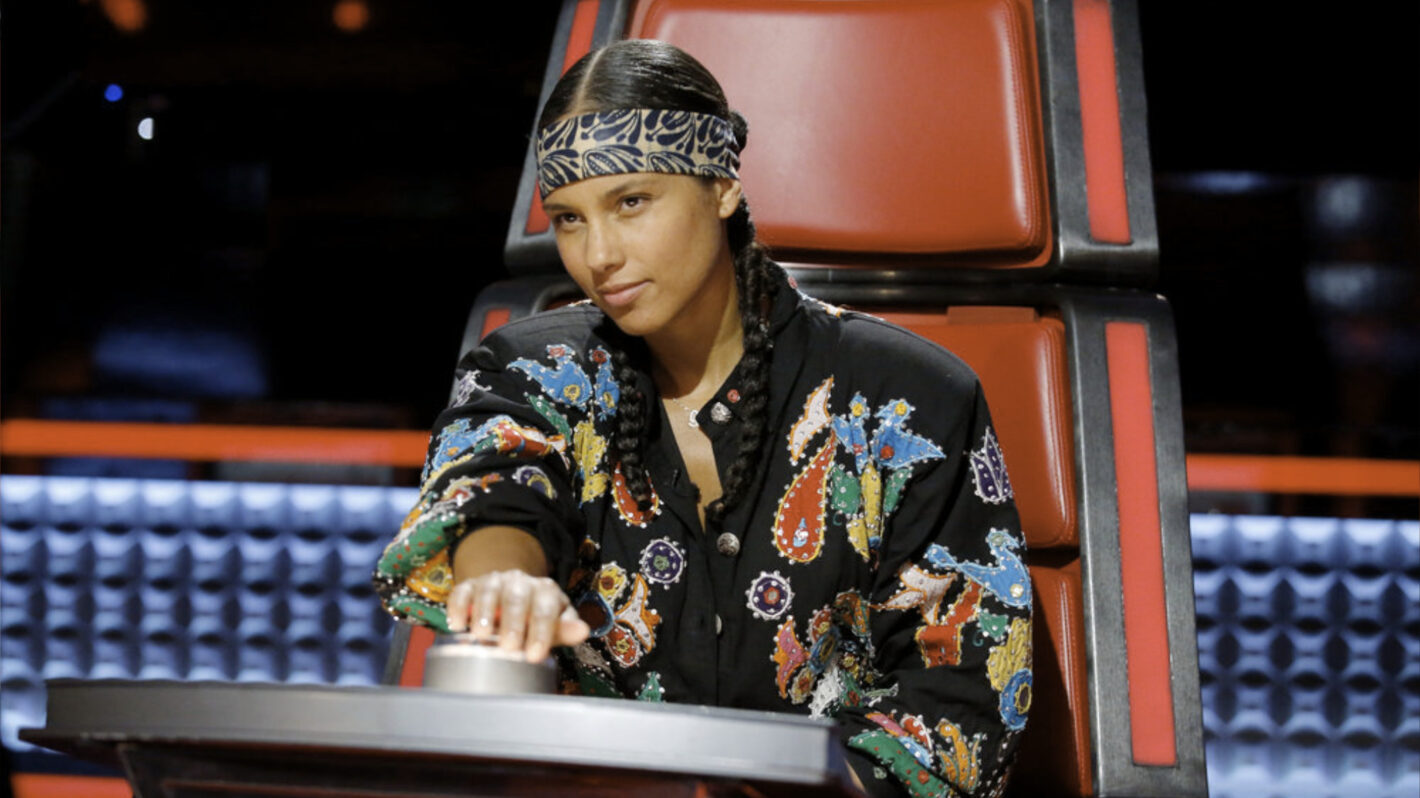
Alicia Keys’ tenure on The Voice remains one of the most influential periods in the show’s history. Serving as a coach in Seasons 11, 12, and 14, she secured a victory in Season 12 with Chris Blue. Her performance was defined by a signature "soulful" coaching philosophy, a focus on authenticity, and high-caliber musical arrangements that bridged the gap between raw talent and professional artistry.
The Tenure of Alicia Keys: A Strategic Overview
Alicia Keys joined the NBC hit series The Voice during its eleventh season in 2016, bringing a fresh perspective that emphasized musicality over mere vocal gymnastics. Her presence in the iconic red chair lasted for three non-consecutive seasons—11, 12, and 14—before she pivoted to focus on other creative endeavors, including her Broadway musical Hell’s Kitchen and global tours.
Throughout her time on the show, Keys was not merely a celebrity judge; she acted as a technical mentor. Her "performance" on the show can be analyzed through two distinct lenses: her own live musical sets and her ability to perform the duties of a mentor, which resulted in some of the most memorable contestant arcs in the show’s history. By the time 2026 arrived, music critics and fans alike still looked back at her seasons as a "golden era" for artists seeking a deeper, more spiritual connection to their craft.
Entering the Arena: Season 11
In Season 11, Keys joined veteran coaches Adam Levine and Blake Shelton, alongside newcomer Miley Cyrus. This marked the first time the show featured two female coaches simultaneously. Keys immediately established "Team Alicia" as a haven for artists who prioritized storytelling and emotional depth. Her debut performance on the show—a collaborative cover of Aerosmith’s "Dream On"—showcased her ability to blend her classically trained piano skills with high-energy rock vocals, signaling to the audience that she would be a powerhouse presence.
The Peak of Success: Season 12
Season 12 is widely considered Keys’ most successful run. It was during this season that she honed her "Zen-like" coaching style, which focused on the psychological state of the performers. Her performance as a recruiter was unmatched this season, as she successfully convinced many four-chair turns to join her team. This effort culminated in the victory of Chris Blue, a soulful singer whose trajectory under Keys’ tutelage was marked by significant technical growth and confidence.
The Return and Departure: Season 14
After a brief hiatus, Keys returned for Season 14. This season saw her go up against Kelly Clarkson, who was making her debut as a coach. Keys continued her streak of excellence by leading artist Britton Buchanan to a second-place finish. Her performance this season was characterized by a refined focus on "stripped-back" arrangements, proving that her influence on the show’s musical direction remained potent even as the competition evolved.
Analyzing Alicia Keys’ Live Musical Performances on The Voice
One of the primary draws of having a 16-time Grammy winner on the panel is the opportunity for live performances. Alicia Keys used The Voice stage not just to promote her singles, but to demonstrate the technical standards she expected from her contestants.
"Holy War" and "Blended Family" (Season 11)
During the Season 11 live shows, Keys performed a medley of "Holy War" and "Blended Family (What You Do For Love)." This performance was notable for its minimalism. While other guest performers often relied on pyrotechnics and heavy choreography, Keys sat at her piano, emphasizing vocal clarity and lyrical importance. For the contestants watching from the wings, this served as a masterclass in "stage presence through stillness."
The "Diamonds" Duet with Chris Blue (Season 12 Finale)
Perhaps the most iconic performance of her entire tenure was her duet with Chris Blue during the Season 12 finale. They performed a soulful rendition of Rihanna’s "Diamonds." Keys’ performance here was expertly balanced; she provided a solid harmonic foundation for Blue while taking vocal risks that pushed him to reach new heights. This duet is often cited by producers as the moment Blue secured his win, as it showcased a genuine musical partnership rather than a mentor-student hierarchy.
"In Common" and the "Natural" Movement
Beyond the music, Keys’ physical performance on the show was part of a larger cultural statement. She chose to appear on the show without makeup, a decision that aligned with her "In Common" era and her "NoMakeup" movement. This choice influenced her coaching performance, as she encouraged contestants to "strip away the mask" and perform from a place of raw vulnerability. This aesthetic and philosophical choice set her apart from every other coach in the history of the franchise.
The Technicality of "Team Alicia": Coaching and Mentorship
To understand Alicia Keys’ performance on The Voice, one must look at the technical improvements made by her artists. She was known for her hands-on approach during rehearsals, often sitting at the piano with her contestants to rework the "pocket" of a song.
| Season | Top Artist | Placement | Notable Performance Highlight |
|---|---|---|---|
| Season 11 | Wé McDonald | 3rd Place | "Nina Cried Power" (with Hozier) |
| Season 12 | Chris Blue | Winner | "Love on the Brain" (Solo) |
| Season 14 | Britton Buchanan | 2nd Place | "Small Town" (Solo) |
Vocal Arrangement and Harmonization
Keys’ background as a producer was evident in how she handled the "Battle Rounds." Unlike some coaches who focused on who could sing the loudest, Keys looked for harmonic synergy. She often rearranged popular pop songs into soulful ballads, forcing contestants to understand the mechanics of melody and rhythm. Her performance in the rehearsal room was that of a musical director, ensuring that even the artist who was eliminated left with a better understanding of their own vocal range.
The "Soul" Factor
What defined Keys' performance as a coach was her "Soul" factor. She frequently used terminology like "the vibration," "the frequency," and "the truth." While this could have been perceived as abstract, she grounded these concepts in technical exercises. She would often have contestants close their eyes to focus on breath control or change the key of a song to find a "grittier" part of their register.
Comparing Alicia Keys to Other Coaches
When evaluating her performance, it is helpful to compare her style to other long-term coaches like Blake Shelton or Adam Levine. While Shelton relied on his "everyman" charm and Levine on his competitive "pop-rock" edge, Keys relied on her credentials as a "musician’s musician."
- Selection Criteria: While other coaches often looked for "radio-ready" voices, Keys looked for "authentic" voices. She was more likely to hit her button for a singer with a unique, slightly flawed tone than for a technically perfect but generic singer.
- The Finale Strategy: Keys’ performance in the finales was often more understated. She didn't typically go for the "big showstopper" unless it felt earned. For example, Britton Buchanan’s performances in Season 14 were more about Americana storytelling than typical singing-competition high notes.
- Longevity of Influence: Artists from Team Alicia often mention that her advice on the industry—specifically regarding songwriting and publishing—was more valuable than the television exposure itself.
The Impact of Alicia Keys on the Show’s Evolution
Alicia Keys’ performance on The Voice changed the way the show approached the "Artist Experience." Before her arrival, the show was often criticized for being more about the coaches' banter than the contestants' development. Keys shifted the gravity of the show toward the artistry.
Her presence paved the way for other "musician-first" coaches like John Legend and Usher to find success on the platform. She proved that a coach could be incredibly successful—and win the show—without engaging in the hyper-competitive, often "campy" rivalries that had characterized earlier seasons. Her performance was a masterclass in professional grace.
Why Alicia Keys Left The Voice
By 2026, the narrative surrounding her departure is clear: she achieved what she set out to do. After winning Season 12 and solidifying her legacy, Keys transitioned back to her primary passion—creating original music and theater. Her performance on the show was a finite chapter, but one that left a permanent mark on the "Team Alicia" alumni who continue to work in the industry today.
Frequently Asked Questions
Which season did Alicia Keys win on The Voice?
Alicia Keys won Season 12 with artist Chris Blue. This victory was significant because Blue was the very last artist chosen during the Blind Auditions that season, making his journey from "last pick" to "winner" a historic moment for the show and a testament to Keys’ coaching.
How many seasons was Alicia Keys a coach?
Alicia Keys served as a coach for a total of three seasons: Season 11, Season 12, and Season 14. She initially joined in 2016 and made her final appearance as a coach in 2018.
What is Alicia Keys' coaching style?
Her coaching style is often described as "holistic" and "musician-centric." She focuses on the emotional truth of a performance, often emphasizing piano-driven arrangements, vocal soulfulness, and the "NoMakeup" philosophy of authenticity and vulnerability.
Did Alicia Keys perform her own songs on the show?
Yes, she performed several of her own songs, including "In Common," "Holy War," "Blended Family (What You Do For Love)," and "Raise 44." These performances were often used to showcase the artistic direction she wanted her team to follow.
Who was Alicia Keys’ most famous contestant?
While Chris Blue won the show, Wé McDonald (Season 11) and Britton Buchanan (Season 14) also achieved significant fame and remained active in the music industry long after their seasons ended. McDonald, in particular, became a fan favorite for her unique vocal range.
Why did Alicia Keys stop appearing on The Voice?
Keys stopped appearing as a coach to focus on her recording career, her 2020 and 2022 albums, and her expanded philanthropic work. Additionally, her development of the Broadway musical Hell's Kitchen required a significant time commitment that was incompatible with the show's filming schedule.
Final Recommendations for Fans and Aspiring Artists
For those looking to study Alicia Keys' performance on The Voice, the best resource is the Season 12 "Rehearsal Cam" footage (where available via streaming archives). These clips provide a raw look at her technical piano work and her ability to transpose songs on the fly to fit an artist’s vocal sweet spot.
If you are an aspiring artist, watching her duets with her finalists offers a blueprint for "collaborative performance." She never out-sang her students; she sang with them, a distinction that defines her legacy as one of the most selfless and effective coaches in the history of televised singing competitions. Whether you are revisiting her seasons for the nostalgia or the musical education, her tenure stands as a high-water mark for the intersection of celebrity and mentorship.