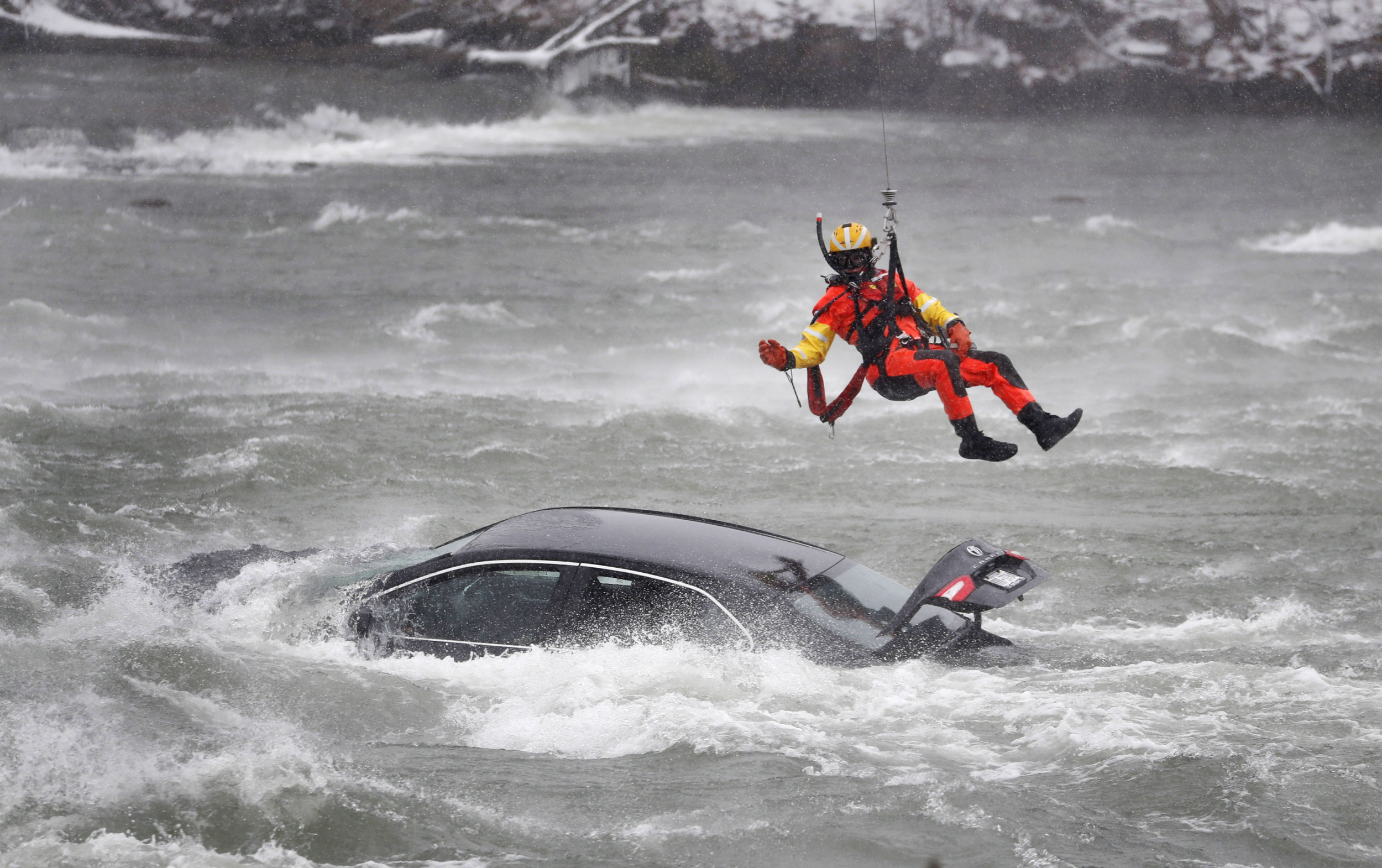
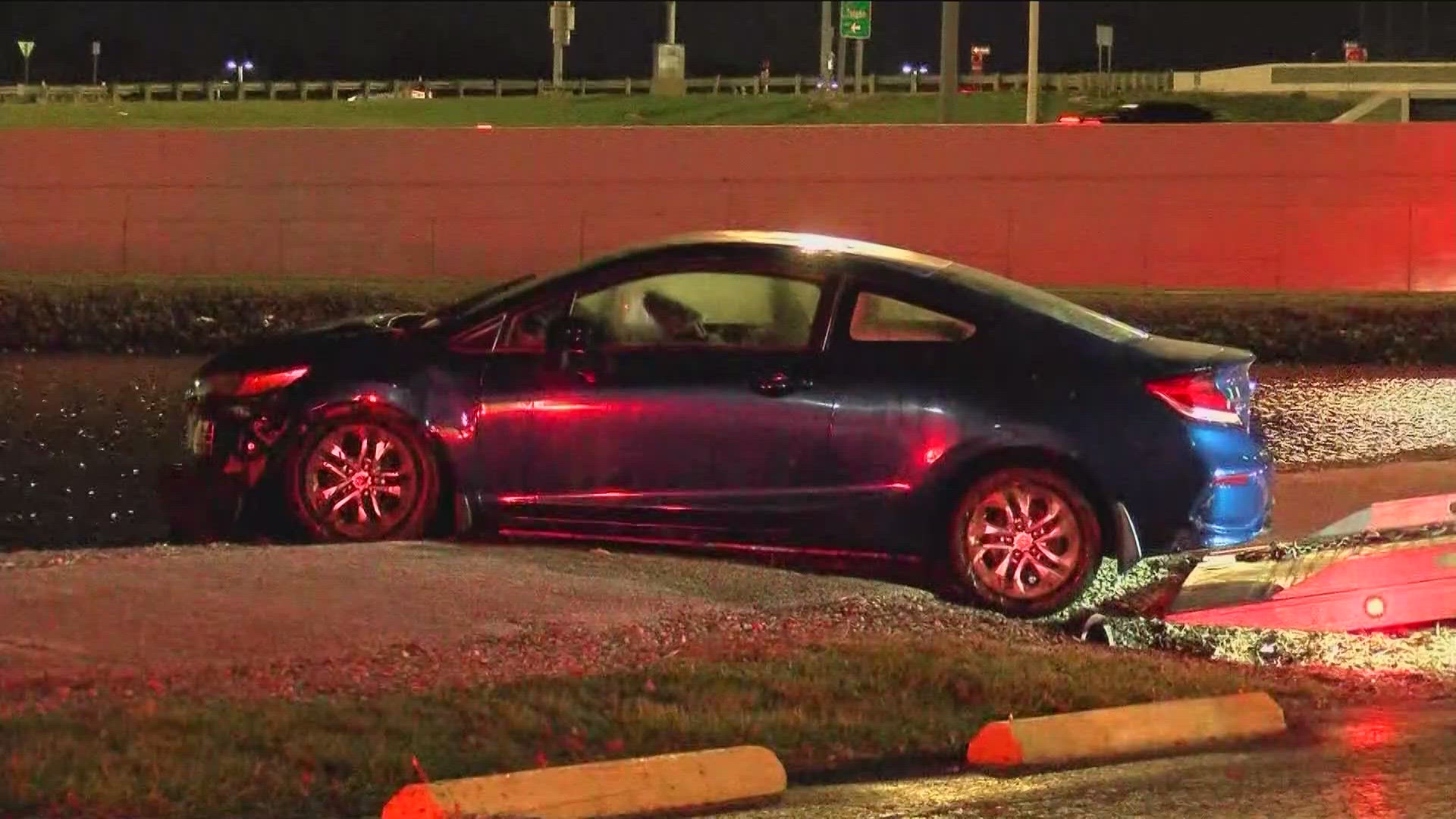
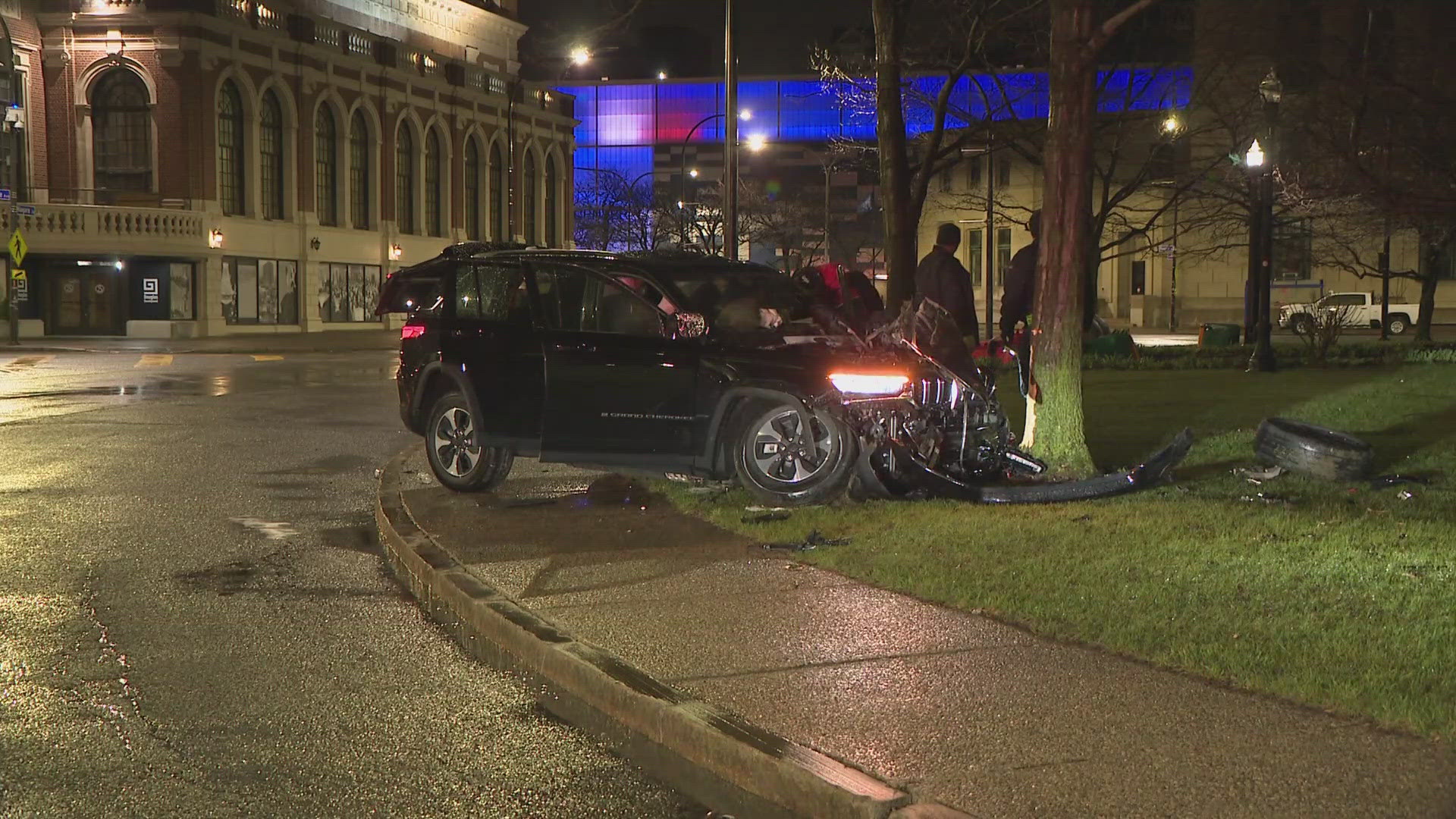
When a vehicle enters the Niagara River, the situation represents an immediate, high-stakes emergency involving complex hydrology, severe safety risks, and a multi-agency coordinated rescue operation. Because of the river's high current velocity, proximity to the Horseshoe Falls, and frigid temperatures, rescue efforts are governed by specialized technical protocols rather than standard roadside recovery procedures. Understanding the operational realities of these incidents requires a look at how regional authorities, such as the Niagara Parks Police and local fire departments, manage life-safety operations in one of the world's most challenging aquatic environments.
The Dynamics of the Niagara River Environment
The Niagara River is not a typical waterway; it is a high-volume, high-velocity conduit for the discharge of the Great Lakes. The river’s flow is characterized by extreme kinetic energy, particularly as water approaches the brink of Niagara Falls. For a car entering the river, the primary challenge is not merely the depth of the water but the relentless force of the current.
Vehicles that enter the river above the Falls face immediate, localized hazards. The "reach" of the river—the distance between the shore and the primary current—varies by location. However, in nearly every section of the upper river, the bottom composition, which includes jagged rock formations and sudden drop-offs, can trap a vehicle in a matter of seconds. Water temperatures, which remain low year-round, add the risk of rapid onset hypothermia to any occupant, necessitating a rescue timeline measured in minutes rather than hours.
Coordinated Emergency Response Protocols
When a dispatch regarding a vehicle in the water is received, the response is tiered based on the vehicle's position relative to the Falls. Authorities rely on a pre-established framework involving several key agencies:
- Niagara Parks Police Service (NPPS): The primary jurisdiction for incidents occurring within the park boundaries along the river corridor. They coordinate the initial scene containment and traffic management.
- Local Fire and Rescue Services: Specialized units, often equipped with high-angle and swift-water rescue capabilities, are deployed to perform the physical extraction.
- Emergency Medical Services (EMS): Paramedics are staged to provide immediate life-saving care for potential cold-water submersion trauma and injuries sustained during the vehicle’s entry.
The decision-making process during these incidents is heavily dictated by the "Go/No-Go" threshold. If the vehicle has drifted into the "Zone of Danger"—a designated area too close to the brink of the Falls—rescue personnel are restricted from direct water entry to prevent further loss of life. In these instances, authorities must shift from active rescue to recovery or stabilization using remote equipment, such as long-reach poles, aerial devices, or specialized drone reconnaissance.
Technical Challenges in Vehicle Extraction
Extraction is rarely a simple towing operation. When a car is submerged or semi-submerged in the Niagara River, standard tow trucks are often ineffective because they cannot achieve the necessary leverage or angle required to pull a vehicle against the current.
Hydraulic and Kinetic Forces A vehicle in moving water acts as an airfoil. As the current pushes against the side of the car, it creates a "pressure dam" effect, where the water pressure on the upstream side effectively pins the car to the riverbed. This makes it impossible to move the vehicle until the water flow is redirected or the car is physically stabilized to reduce the surface area exposed to the current.
Safety Considerations for First Responders Responders must navigate the risk of the car shifting unexpectedly. The riverbed is often uneven; a vehicle may be teetering on an underwater ledge. If a rescue team attaches a cable to a vehicle that is not properly balanced, the resulting movement could cause the vehicle to roll, tumble further downstream, or trap the rescue swimmers. Therefore, the use of pneumatic airbags or heavy-duty specialized tethering systems is often required before the vehicle can be safely retrieved.
Comparison of Rescue Environments: Static vs. Swift Water
| Feature | Still-Water Rescue | Niagara River Rescue |
|---|---|---|
| Current Velocity | Negligible | Very High (up to 30+ mph) |
| Operational Risk | Moderate | Extreme |
| Equipment | Standard Boats/Divers | Aerial/High-Angle/Drone Support |
| Time Window | Minutes to Hours | Seconds to Minutes |
| Primary Constraint | Visibility | Kinetic Force & Proximity to Falls |
Post-Incident Legal and Environmental Procedures
Once a vehicle is removed from the river, the situation shifts from a search-and-rescue operation to an investigation and environmental mitigation process.
Incident Investigation The Niagara Parks Police, alongside provincial or state police agencies, conduct a thorough investigation to determine the cause of the entry. This involves analyzing tire tracks, vehicle telemetry data (if available), and witness reports. In cases involving deliberate acts or criminal negligence, the scene is treated as a crime scene, preserving evidence such as the vehicle’s internal controls, steering orientation, and brake status.
Environmental Mitigation Because the Niagara River is a vital ecosystem and a source of drinking water for downstream municipalities, the presence of automotive fluids—gasoline, motor oil, transmission fluid, and antifreeze—is a significant concern. Following a recovery, environmental protection agencies often deploy containment booms downstream if there is evidence of a large-scale fluid leak. Even if the vehicle is intact, the removal process must be handled by licensed recovery contractors who can ensure that no hazardous materials are released into the waterway during the lift.
Common Questions Regarding River Emergencies
What should I do if my vehicle begins to roll into the water? Do not attempt to stop the vehicle with your body or wait until the car is fully submerged. Evacuate immediately through the doors or windows. If the vehicle is in motion or on an incline, move toward high ground as quickly as possible. Prioritize personal safety over the vehicle’s recovery.
Why can't rescue teams just jump in to pull the driver out? The current of the Niagara River is significantly more powerful than the average person realizes. Entering the water without specialized swift-water training and tethered equipment is almost certain to result in the rescuer becoming a second victim. Rescue teams utilize specific protocols to ensure they do not become incapacitated by the same forces that entrapped the vehicle.
How does the proximity to Niagara Falls affect the response? The Falls create a "point of no return." Once a vehicle enters the flow that leads directly over the brink, the danger to rescuers becomes too great to permit a water-based rescue. In these cases, the focus shifts to shoreline observation and, if possible, retrieval only after the vehicle has passed over the Falls or reached a calmer eddy below.
Are these incidents common? While rare, incidents involving vehicles entering the river occur sporadically. They are often the result of driver error, medical emergencies, or road conditions during inclement weather. Each incident is unique due to the specific point of entry, river levels at that time, and the immediate structural integrity of the vehicle.
What happens to the vehicle after it is pulled out? Vehicles recovered from the river are generally considered total losses due to extensive water damage, electrical failure, and sediment contamination. They are typically towed to an impound facility, where they are processed by insurance adjusters and investigative authorities before being handled by hazardous waste recyclers.
The Role of Infrastructure and Prevention
Prevention is the most critical component of public safety in the Niagara region. Physical barriers, such as heavy-duty guardrails, impact-attenuating bollards, and specialized signage, are placed along the Niagara Parkway and other high-risk areas to prevent accidental entries.
Modern road engineering in the area also focuses on drainage to prevent hydroplaning, which is a common factor in loss-of-control incidents. Drivers are advised to exercise extreme caution when navigating roads adjacent to the river, especially during winter months when ice can form on the pavement, or during heavy precipitation events that reduce visibility.
Next Steps for Witnesses and Reporting
If you witness a vehicle driving into the Niagara River, your primary role is to serve as an effective reporter to emergency services.
- Call 911 immediately. Provide the exact location, such as a landmark, cross-street, or distance from a specific tourist site.
- Provide observation, not action. Note the number of occupants, the vehicle’s color, make, and its current movement status.
- Maintain a safe distance. Do not approach the riverbank, as the ground may be unstable or slippery.
- Remain on site. If safe to do so, wait for emergency responders to provide them with the information you gathered, as this can drastically reduce the time spent in the search phase of the operation.
By understanding the severity of these events and the specific limitations faced by responders, the public can better appreciate the necessity of safety precautions and the technical expertise required to manage such a complex emergency. If you find yourself in a situation involving a vehicle accident near a waterway, follow official directions implicitly and prioritize life safety over property recovery at all times.