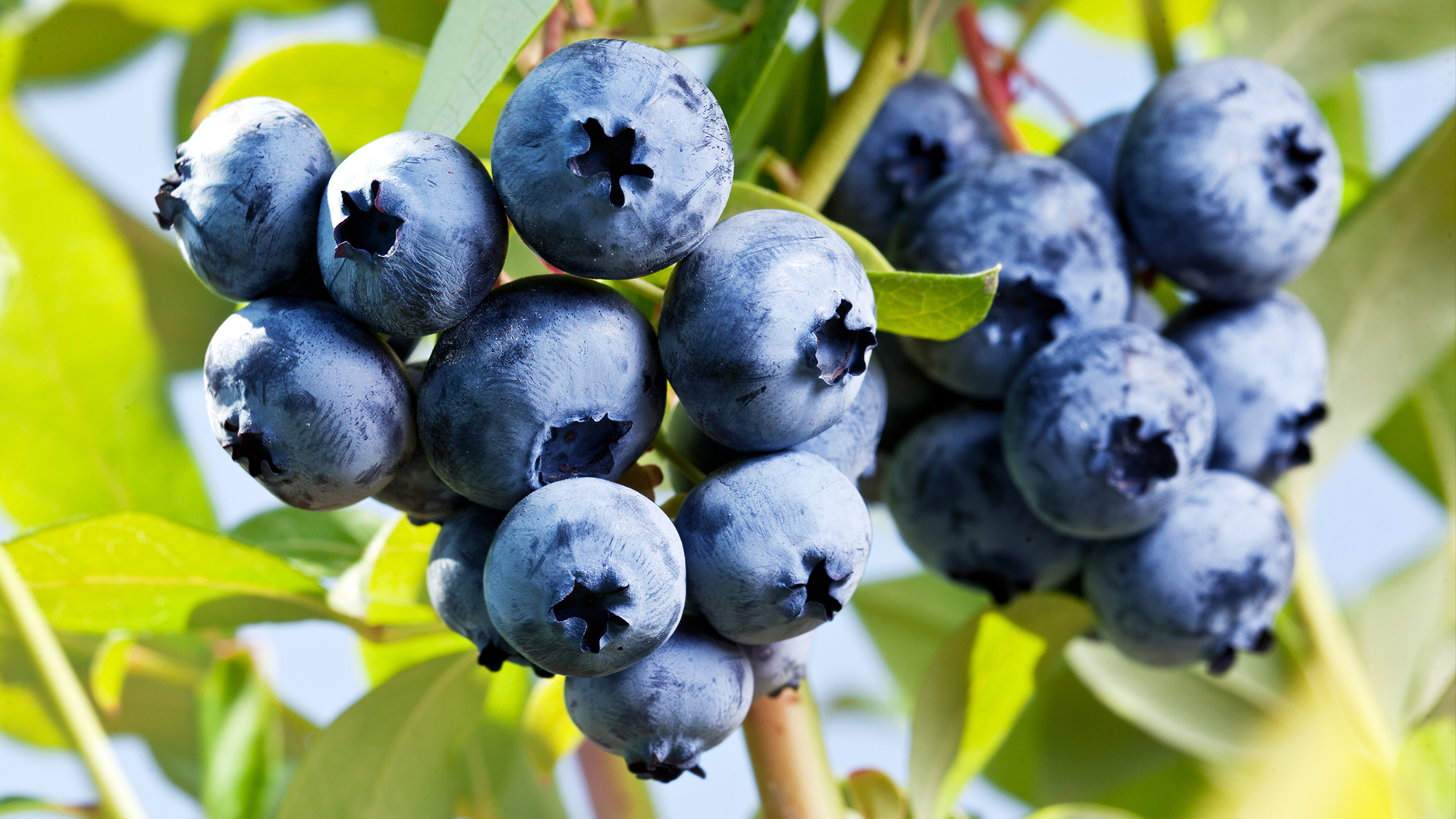
Yes, blueberries are exceptionally safe and highly recommended for the vast majority of people. They are non-toxic, low in calories, and packed with essential nutrients like Vitamin C, Vitamin K, and manganese. While generally safe, considerations include thorough washing to remove pesticide residues, monitoring for rare salicylate sensitivities, and ensuring they are served in age-appropriate textures for infants to prevent choking.
Blueberries have long earned their reputation as a "superfood," a term that, while often used for marketing, accurately reflects the dense concentration of phytochemicals found within these small indigo fruits. In 2026, as nutritional science continues to emphasize the importance of whole-food antioxidants, blueberries remain a staple in health-conscious diets worldwide. However, "safe" is a relative term that depends on preparation, individual health conditions, and even the species of the berry. This guide explores the multi-faceted safety profile of blueberries for humans, infants, and pets, providing the technical depth needed to make informed dietary choices.
The Nutritional Safety Profile of Blueberries
To understand why blueberries are considered safe, one must look at their chemical composition. Blueberries (primarily Vaccinium corymbosum for highbush and Vaccinium angustifolium for lowbush/wild) are composed mostly of water (84%), carbohydrates (14%), and negligible amounts of fat and protein.
Micronutrient Density and Daily Limits
Blueberries are a significant source of Vitamin K1 (phylloquinone), which is essential for bone health and blood clotting. A single cup provides approximately 24% of the Daily Value (DV). For the average person, this is a major benefit. However, for individuals on blood-thinning medications like Warfarin, sudden spikes in Vitamin K intake can interfere with medication efficacy. In 2026, medical guidelines suggest that these individuals do not need to avoid blueberries but should maintain a consistent intake to allow for proper medication calibration.
Manganese is another key mineral found in blueberries, contributing to metabolism and bone development. Because the manganese in blueberries is organic and food-based, there is virtually no risk of toxicity from consumption, even in large quantities.
Anthocyanins and Antioxidant Safety
The primary "safety" benefit of blueberries comes from their high concentration of anthocyanins—the pigments responsible for their blue hue. These compounds act as potent antioxidants that neutralize free radicals. Research updated as of 2026 continues to support the role of anthocyanins in reducing oxidative stress and inflammation, which are precursors to chronic diseases. Unlike synthetic supplements, the antioxidants in blueberries are delivered in a fiber-rich matrix that ensures steady absorption and minimal risk of metabolic overload.
Potential Risks and Safety Concerns
While the fruit itself is non-toxic, external factors and specific biological sensitivities can introduce risks.
Pesticide Residues and the "Dirty Dozen"
One of the most frequent safety questions regarding blueberries involves pesticides. Historically, blueberries have appeared on the Environmental Working Group’s (EWG) "Dirty Dozen" list, which identifies produce with the highest pesticide loads. In 2026, while agricultural practices have improved and many growers have shifted toward integrated pest management (IPM), conventional blueberries still often show residues of fungicides and insecticides.
To mitigate this risk, consumers are encouraged to:
- Opt for Organic: Organic certification prohibits the use of most synthetic pesticides.
- Wash Thoroughly: A simple water rinse is often insufficient. Research suggests that soaking berries in a solution of water and baking soda (sodium bicarbonate) for 12–15 minutes can significantly reduce surface residues.
- Prioritize Domestic Produce: Regulations regarding pesticide application vary by country. In 2026, domestically grown blueberries often adhere to stricter safety thresholds than certain imported varieties.
Salicylate Sensitivity and Oral Allergy Syndrome
Blueberries contain naturally occurring salicylates, which are chemicals related to aspirin. For the vast majority of people, salicylates are harmless. However, individuals with a salicylate sensitivity may experience symptoms such as hives, asthma, or digestive distress after eating blueberries.
Additionally, some individuals suffer from Oral Allergy Syndrome (OAS), a form of contact allergy where the immune system confuses the proteins in blueberries with certain pollens (typically birch pollen). Symptoms usually include itching or swelling of the mouth, lips, or throat immediately after consumption. While rarely life-threatening, those with known birch pollen allergies should monitor their reaction to raw blueberries.
Fiber and Digestive Safety
Blueberries are an excellent source of dietary fiber. However, a sudden, excessive intake of fiber can lead to gastrointestinal discomfort, including bloating, gas, and diarrhea. This is particularly true for individuals with Irritable Bowel Syndrome (IBS) or those not used to a high-fiber diet. Introducing blueberries gradually is the safest approach for digestive health.
Are Blueberries Safe for Babies and Children?
Introducing solids is a critical milestone, and blueberries are often among the first fruits introduced. However, their size and shape pose a specific safety risk: choking.
Choking Prevention Guidelines
A whole blueberry is approximately the size of an infant’s airway. To ensure safety, follow these age-specific preparation methods:
- 6 to 9 Months: Do not serve whole. Puree the berries into a smooth consistency or mash them thoroughly and mix into oatmeal or yogurt.
- 9 to 12 Months: Flatten each berry between your thumb and forefinger to break the round shape. This "smashing" technique ensures the berry cannot block the windpipe.
- 12 to 24 Months: Continue to halve or quarter large blueberries. Only move to whole berries when the child has demonstrated consistent chewing and swallowing proficiency.
Acidity and Diaper Rash
Blueberries are mildly acidic. While not as acidic as citrus fruits, consuming large quantities can sometimes lead to a "blueberry blowout" or cause irritation in the diaper area. If a child develops a red, irritated rash after eating blueberries, it may be a sign to reduce the quantity or frequency of the fruit.
Comparison of Blueberry Safety by Type
Not all blueberries are equal in terms of their safety and nutritional profile. The following table compares the three most common types available in 2026.
| Feature | Conventional Highbush | Organic Highbush | Wild (Lowbush) |
|---|---|---|---|
| Pesticide Risk | Moderate to High | Low | Low to Moderate |
| Nutrient Density | Standard | Standard | Highest (Anthocyanins) |
| Availability | Year-round | Year-round | Seasonal/Frozen |
| Safety Advantage | High availability/low cost | Minimal chemical exposure | Less human intervention |
| Primary Concern | Surface residues | Price point | Choking (smaller size) |
Blueberries and Pet Safety: Dogs, Cats, and More
Pet owners often wonder if they can share their snacks. In the case of blueberries, the news is generally positive.
Safety for Dogs
Blueberries are not only safe for dogs but are often included in high-quality commercial dog foods. They provide dogs with the same antioxidant benefits they provide humans.
- Benefits: Low calorie, high fiber, and brain-supporting nutrients.
- Risks: The main risk is the quantity. Too many blueberries can cause diarrhea in dogs. A safe rule of thumb is the "10% rule"—treats, including fruit, should not exceed 10% of a dog's daily caloric intake. Small dogs also face a minor choking risk with very large, firm berries.
Safety for Cats
While cats are obligate carnivores and do not need fruit, blueberries are technically safe for them. However, cats lack the taste receptors for "sweet," so they may not find the fruit appealing. Some cat owners use blueberries as a fiber supplement to aid in digestion or to help manage urinary tract health, though veterinary consultation is advised before using them for medicinal purposes.
Safety for Small Animals and Birds
Rabbits, guinea pigs, and most pet birds can safely enjoy blueberries in moderation. Because these animals are small, the sugar content (fructose) in blueberries can be significant. One or two berries once or twice a week is usually the safety limit for a small rodent or bird.
Identification Safety: Foraged vs. Store-Bought
In 2026, foraging for wild berries has seen a resurgence in popularity. However, this introduces the risk of misidentification.
The "Look-Alike" Problem
Several toxic berries can be mistaken for blueberries by the untrained eye. For example:
- Nightshade (Solanum): Some species produce dark berries that might look similar to a casual observer but are highly toxic.
- Pokeweed (Phytolacca americana): While the berries are dark purple/black, they grow in distinct clusters and are poisonous to humans.
Safety Rule: Never consume a berry found in the wild unless you are 100% certain of its identity. True blueberries have a distinct "crown" (the persistent calyx) at the bottom of the berry, opposite the stem end.
Environmental Contaminants in the Wild
Even if correctly identified, wild blueberries may be unsafe if they are growing near busy roads (lead and heavy metal accumulation) or in areas sprayed with herbicides (such as under power lines). Always forage away from industrial or high-traffic zones.
Foodborne Illness and Storage Safety
Like all fresh produce, blueberries can carry pathogens such as Salmonella, E. coli, or Listeria if contaminated during harvesting or packing.
Proper Washing Procedures
As of 2026, the FDA and other food safety bodies recommend washing blueberries immediately before consumption rather than when you first bring them home. Washing them early introduces moisture that promotes mold growth.
- Discard any berries that are mushy, leaking, or show visible mold.
- Rinse under cold, running water in a colander.
- For extra safety, use the 1-part vinegar to 3-parts water soak, followed by a thorough rinse.
Signs of Spoilage
Eating spoiled blueberries can lead to food poisoning. Signs to look for include:
- White Fuzz: This is mold. If one berry in a container is heavily molded, check the surrounding berries closely; mold spores spread easily.
- Soft/Slimy Texture: This indicates the cellular structure has broken down, often due to age or bacteria.
- Fermented Smell: If the berries smell like wine or vinegar, they have begun to ferment and should be discarded.
Frequently Asked Questions (FAQs)
Are blueberry stems and seeds safe to eat?
Yes, the stems and seeds of blueberries are safe. The stems are usually removed during processing or at home because they are woody and unpalatable, but accidentally consuming one is harmless. The seeds are tiny and provide a small amount of extra fiber.
Can you eat too many blueberries?
While difficult to reach a "toxic" level, eating excessive amounts (e.g., several pints in one sitting) can lead to digestive upset. The high fiber and natural sugars can cause a laxative effect. For most adults, 1 to 2 cups per day is considered an optimal and safe amount.
Is the "bloom" on blueberries safe?
The "bloom" is the waxy, silver-white coating found on the skin of fresh blueberries. It is a naturally occurring substance produced by the plant to protect the fruit from insects and moisture loss. It is perfectly safe to eat and is actually a sign of freshness.
Are frozen blueberries as safe as fresh ones?
In many cases, frozen blueberries are safer and more nutritious. They are typically frozen at the peak of ripeness, which locks in nutrients. Furthermore, the freezing process can reduce the presence of certain surface bacteria, though it does not "kill" all pathogens. Always ensure the frozen berries have been handled according to package instructions.
Do blueberries cause kidney stones?
Blueberries are considered low-oxalate. Unlike spinach or beets, which are high in oxalates and can contribute to calcium-oxalate kidney stones, blueberries are generally safe for individuals on a low-oxalate diet. However, those with a history of stones should always consult their urologist.
Can blueberries change the color of your stool?
Yes. Consuming a large amount of blueberries can result in stool that appears very dark, greenish-black, or even blue-tinted. This is a harmless side effect of the high concentration of anthocyanins and is not a cause for medical concern unless accompanied by pain or other symptoms.
Practical Recommendation
To maximize safety and health benefits in 2026, follow this "Best Practice" approach:
- Source Wisely: Buy organic blueberries when possible, or look for local "no-spray" farms.
- Clean Properly: Use a baking soda or vinegar soak to remove residues and surface bacteria.
- Prepare Appropriately: Always smash or halve blueberries for children under the age of two.
- Monitor Health: If you have a history of salicylate sensitivity or are on blood thinners, consult your doctor to determine the best portion sizes for your specific needs.
- Storage: Keep berries dry in the refrigerator and wash them only right before you eat them to prevent mold.
Blueberries remain one of nature’s most perfect foods. By following basic food safety and preparation protocols, you can enjoy their vast array of health benefits with minimal risk.