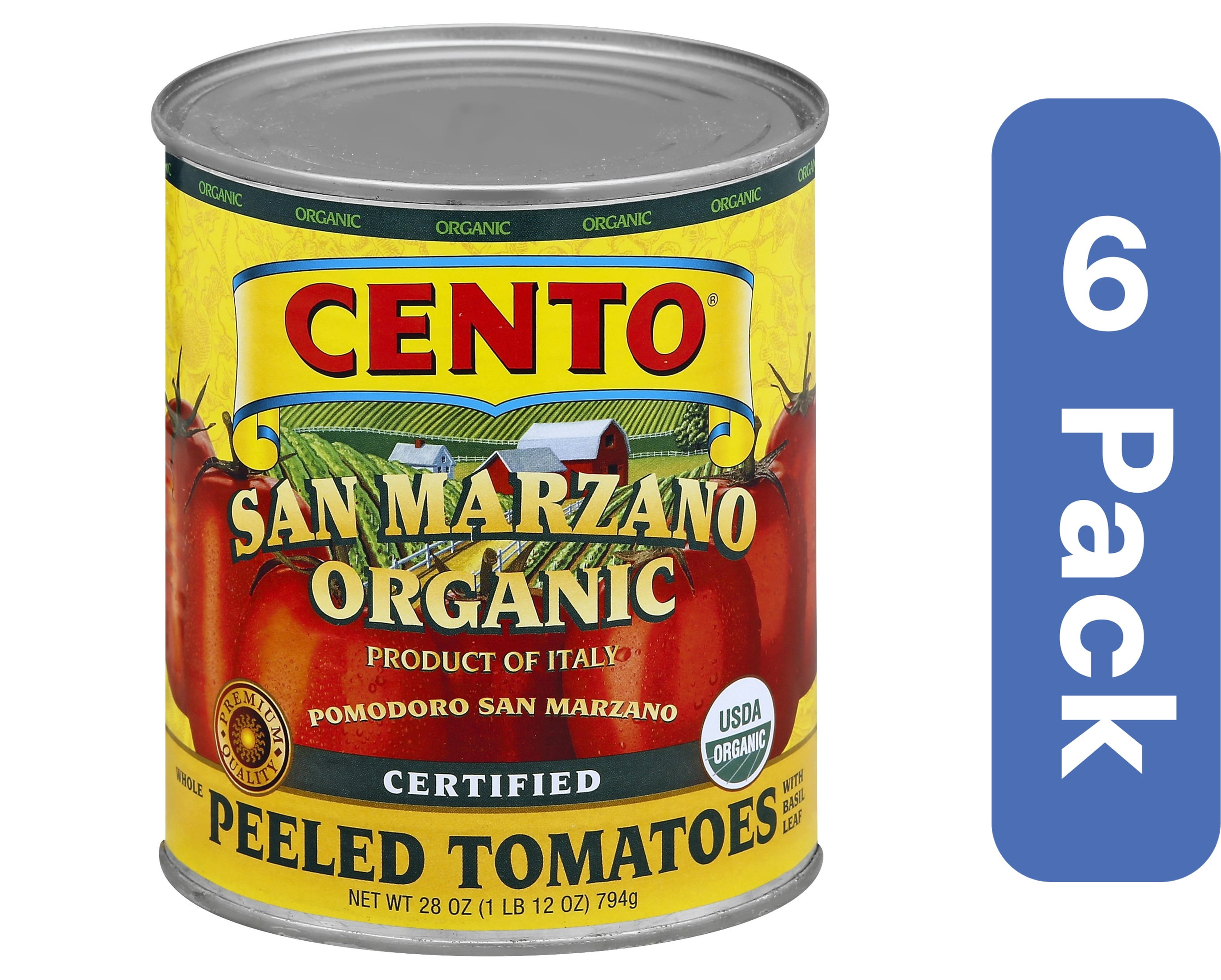
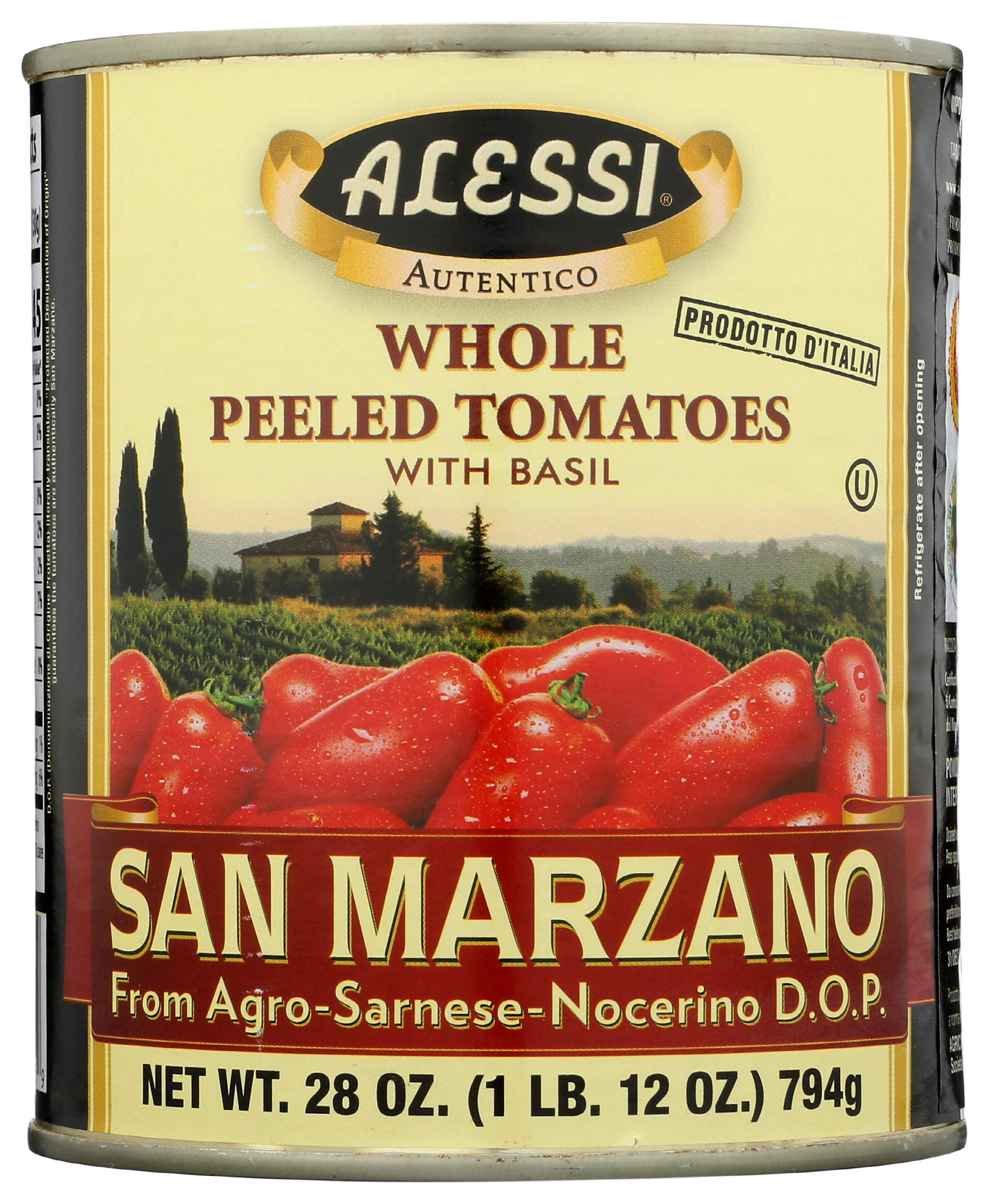
Cento San Marzano tomatoes are not officially certified DOP (Denominazione d’Origine Protetta) by the Italian government’s consortium. Instead, Cento uses a third-party certification process through Agri-Cert to verify that their tomatoes are authentic San Marzano varieties grown specifically within the fertile Sarnese-Nocerino region of Italy.
The question of whether Cento San Marzano tomatoes carry the DOP seal is one of the most persistent points of confusion for home cooks and professional chefs alike. To understand the current status of these tomatoes in 2026, one must look beyond the label and into the complex world of Italian agricultural regulations, international trade, and third-party quality assurance. While Cento is perhaps the most recognized brand of San Marzano tomatoes in the United States, their relationship with the official Italian regulatory bodies has evolved significantly over the last decade.
Understanding the DOP Designation for San Marzano Tomatoes
The Denominazione d’Origine Protetta (DOP), or Protected Designation of Origin, is a legal framework established by the European Union to protect the names of specific regional foods. For a tomato to be labeled "Pomodoro S. Marzano dell’Agro Sarnese-Nocerino DOP," it must adhere to a strict set of rules governed by the Consorzio di Tutela del Pomodoro S. Marzano dell'Agro Sarnese-Nocerino.
These rules cover every aspect of production, including:
- Geographic Boundaries: The tomatoes must be grown in the volcanic soil of the Sarnese-Nocerino plain, near Mount Vesuvius.
- Seed Variety: Only specific strains of the Solanum lycopersicum (the San Marzano variety) are permitted.
- Cultivation Methods: The plants must be grown vertically and harvested entirely by hand to prevent damage to the delicate fruit.
- Processing Standards: The tomatoes must be peeled, canned, and processed within the designated region using methods that preserve their structural integrity and flavor profile.
Historically, Cento carried this official DOP seal. However, the company famously transitioned away from the Consortium’s certification, leading to the current labeling system that often puzzles consumers looking for the familiar red-and-yellow sunburst logo.
Why Cento Opted Out of Official DOP Certification
The decision for a major producer like Cento to move away from the official DOP certification was not a matter of quality degradation, but rather a dispute over oversight and transparency. Cento has publicly stated that they found the Consortium’s testing and certification processes to be insufficient for their standards of quality control and traceability.
In the mid-2010s, Cento began implementing its own proprietary certification system. The company argued that the DOP seal had become a "rubber stamp" that did not provide consumers with enough specific data about the origin of each individual can. By opting out of the Consortium, Cento gained the freedom to use third-party auditors who they felt provided more rigorous farm-to-table data.
By 2026, this move has solidified Cento’s position as a "certified" but "non-DOP" product. They maintain that their tomatoes are genetically identical to those within the DOP and are grown in the exact same soil, but they are verified by Agri-Cert, an independent Italian certification body, rather than the government-affiliated Consortium.
The Role of Agri-Cert and PAC Traceability
To replace the DOP seal, Cento introduced the PAC (Production Area Certified) designation. This is not a government label, but a verification of origin. To support this, Cento developed a sophisticated "Find My Can" traceability system.
Every can of Cento San Marzano tomatoes features a unique QR code or lot code. When entered into their database, this code provides:
- Field Location: The exact GPS coordinates or region where the tomatoes in that specific can were grown.
- Harvest Date: Precise information on when the fruit reached peak ripeness.
- Third-Party Verification: Documentation from Agri-Cert confirming that the tomatoes are the authentic San Marzano variety and were grown in the Sarnese-Nocerino area.
This level of granular detail is actually more comprehensive than what the standard DOP seal provides. While the DOP seal guarantees the region, it does not typically offer consumers a way to track a single can back to a specific field. For many culinary professionals, this transparency is a more valuable indicator of quality than a traditional regulatory stamp.
How to Identify Authentic Cento San Marzano Tomatoes
Because Cento sells many different types of tomatoes, it is easy to mistake a generic "Italian Style" tomato for a true San Marzano. When shopping in 2026, look for these specific markers on the Cento label to ensure you are getting the premium product:
- The Words "San Marzano": The label must explicitly state "San Marzano" and "Peeled Tomatoes." Cento's "Kitchen Ready" or "Crushed" varieties are often high-quality Italian tomatoes, but they are not the San Marzano variety.
- Agri-Cert Certification: Look for the statement "Certified by an independent third-party agency" or the Agri-Cert logo.
- The Volcanic Soil Reference: Authentic cans will mention the Sarnese-Nocerino region or the volcanic soil of Mt. Vesuvius.
- The Tracking Code: A genuine can of Cento San Marzanos will have a code on the bottom or near the label that can be verified on the Cento website.
It is important to note that if a can says "San Marzano Brand" or "San Marzano Style" but is grown in California or elsewhere, it is a different product entirely. These domestic versions use the San Marzano seed but lack the specific mineral content of the Italian volcanic soil, which is essential for the tomato’s signature low acidity and sweet flavor.
Comparing Certification Standards: DOP vs. Cento (Agri-Cert)
The following table outlines the differences between the official DOP certification and the third-party certification used by Cento.
| Feature | Official DOP San Marzano | Cento San Marzano (Certified) |
|---|---|---|
| Regulatory Body | Italian Government / Consortium | Agri-Cert (Third-Party) |
| Growing Region | Sarnese-Nocerino (Restricted) | Sarnese-Nocerino (Restricted) |
| Seed Authenticity | Verified S. Marzano variety | Verified S. Marzano variety |
| Harvest Method | Hand-picked (Mandatory) | Hand-picked (Standard Practice) |
| Traceability | Batch-level | Individual Can-level (QR/Lot Code) |
| Seal of Authenticity | Red/Yellow Sunburst Logo | PAC / Agri-Cert Statement |
| Flavor Profile | Low acid, bittersweet | Low acid, bittersweet |
The Culinary Difference: Does the Seal Matter?
From a purely culinary perspective, the absence of the DOP seal on a can of Cento San Marzanos does not necessarily mean a lower-quality product. The unique characteristics of a San Marzano tomato—the thick flesh, fewer seeds, and low acidity—are a result of the genetics and the soil, not the paperwork.
Because Cento still sources from the Sarnese-Nocerino region, their tomatoes retain the "bittersweet" complexity that makes them the gold standard for Neapolitan pizza sauce and traditional marinara. In blind taste tests, many chefs find that Cento’s consistency is often superior to smaller DOP-certified brands, which can vary wildly in quality because the DOP designation focuses on origin rather than industrial consistency.
However, for purists or restaurants seeking official "Vera Pizza Napoletana" (VPN) certification, the lack of a DOP seal can be a technical hurdle. VPN standards often strictly require DOP-certified ingredients. For the average home cook, the PAC certification and the Agri-Cert verification are more than sufficient to guarantee a premium culinary experience.
Avoiding "Italian Sounding" and Counterfeit Products
The global demand for San Marzano tomatoes has led to a massive influx of "Italian sounding" products—items that use Italian colors, names, and imagery but contain tomatoes grown in China, Turkey, or the United States.
Cento's move toward independent certification was partly a response to this market confusion. By providing a direct link between the consumer and the field via a tracking code, they bypass the skepticism often associated with generic labels. When buying tomatoes in 2026, the primary "red flag" is a label that says "San Marzano" without mentioning Italy or the Sarnese-Nocerino region. If the price seems significantly lower than Cento or other premium brands, it is almost certainly not a true San Marzano tomato.
Common Misconceptions About Cento and the Consortium
One common misconception is that Cento was "stripped" of its DOP status due to violations. This is inaccurate. The company chose to leave the Consortium to implement its own quality control measures. Another misconception is that all Cento tomatoes are San Marzano. Cento produces a wide range of products, including organic Italian tomatoes, cherry tomatoes, and crushed tomatoes, none of which claim to be San Marzano.
Consumers must distinguish between:
- Cento San Marzano (Certified): The premium, whole peeled tomatoes grown in volcanic soil.
- Cento Italian Peeled Tomatoes: High-quality tomatoes from Italy, but not the San Marzano variety.
- Cento "Kitchen Ready" Tomatoes: Crushed tomatoes that are often a blend of varieties and are not San Marzano.
Frequently Asked Questions
Why is there no DOP seal on my can of Cento San Marzano tomatoes?
Cento resigned from the official Italian Consortium that issues the DOP seal years ago. They instead use an independent, third-party auditor named Agri-Cert to verify the authenticity, variety, and geographic origin of their tomatoes. They believe this provides better transparency for the consumer through their "Find My Can" tracking system.
Are Cento San Marzano tomatoes grown in Italy?
Yes, Cento San Marzano tomatoes are grown in the Sarnese-Nocerino region of Italy, which is the traditional and legally recognized home of the San Marzano variety. This area is famous for its volcanic soil, which gives the tomatoes their distinct flavor profile.
How can I verify that my can of Cento is authentic?
You can verify authenticity by looking for a lot code or QR code on the can. Visit the Cento website and use their "Find My Can" tool to see the specific farm and harvest data for that product. Authentic cans will also specify "San Marzano" and "Product of Italy."
Is Cento better than DOP-certified brands?
"Better" is subjective, but Cento is widely regarded for its consistency and cleanliness. While some DOP brands may offer a more artisanal or rustic product, Cento’s third-party certification ensures a high standard of quality control that many chefs prefer for high-volume cooking.
What is the difference between "San Marzano" and "San Marzano Style"?
"San Marzano" refers to the specific tomato variety grown in its native Italian soil. "San Marzano Style" usually refers to tomatoes grown from San Marzano seeds in other parts of the world, such as California. While the seeds are the same, the lack of Italian volcanic soil results in a tomato with higher acidity and different flavor characteristics.
Final Recommendation: Verification Over Branding
In 2026, the savvy consumer should prioritize traceability over seals. While the DOP seal remains a prestigious marker of traditional Italian agriculture, Cento’s transition to independent third-party certification offers a different, arguably more modern form of verification.
If you require a tomato that is officially recognized by the Italian government and EU law as "DOP," Cento is not the brand for you. However, if you are looking for an authentic San Marzano tomato grown in the correct soil, with the correct seeds, and with a transparent supply chain that you can verify yourself, Cento San Marzano tomatoes remain one of the most reliable and high-quality options on the market. Always use the "Find My Can" tool to confirm the origin of your specific purchase to ensure you are getting the true volcanic-soil product.