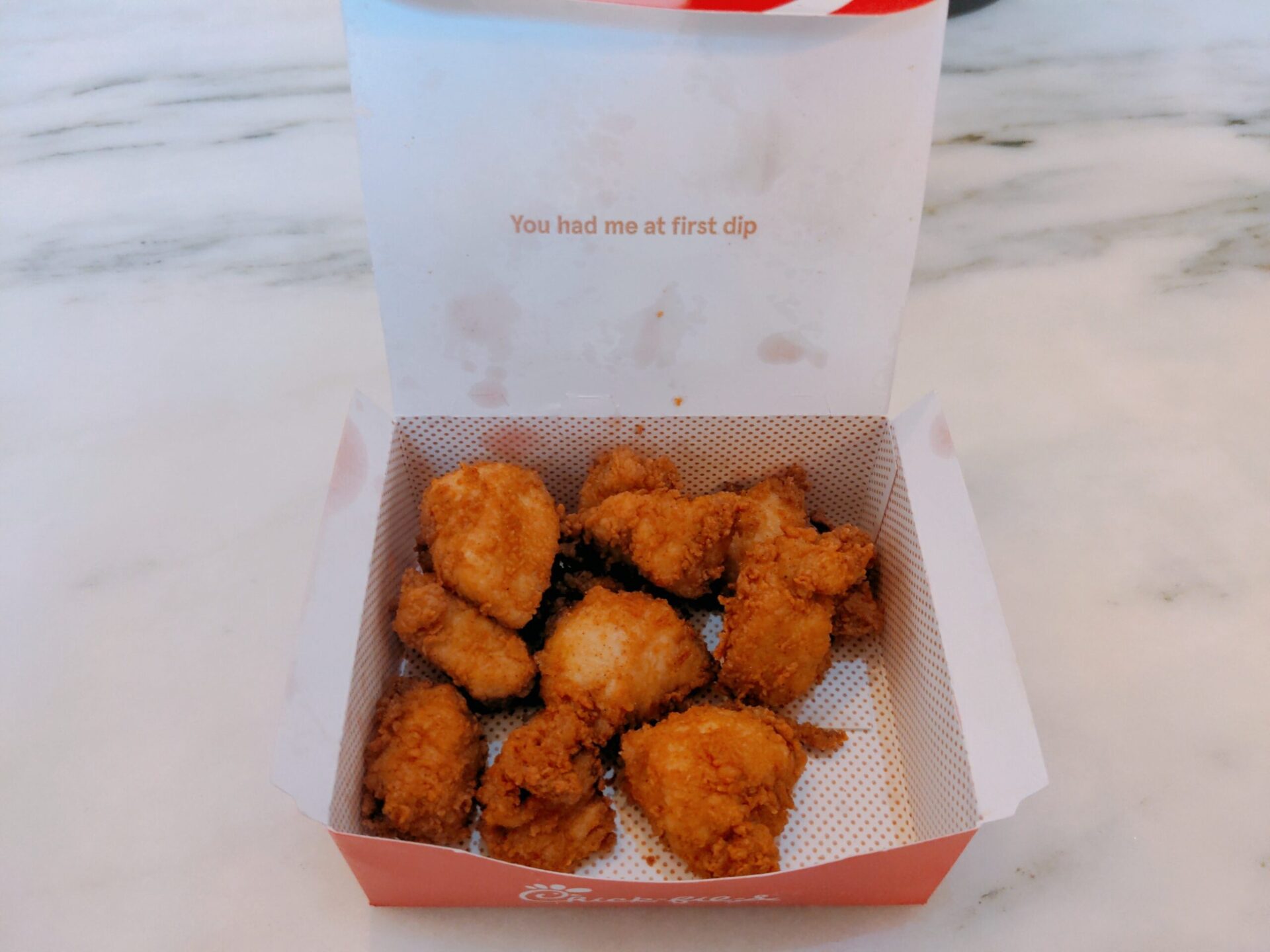
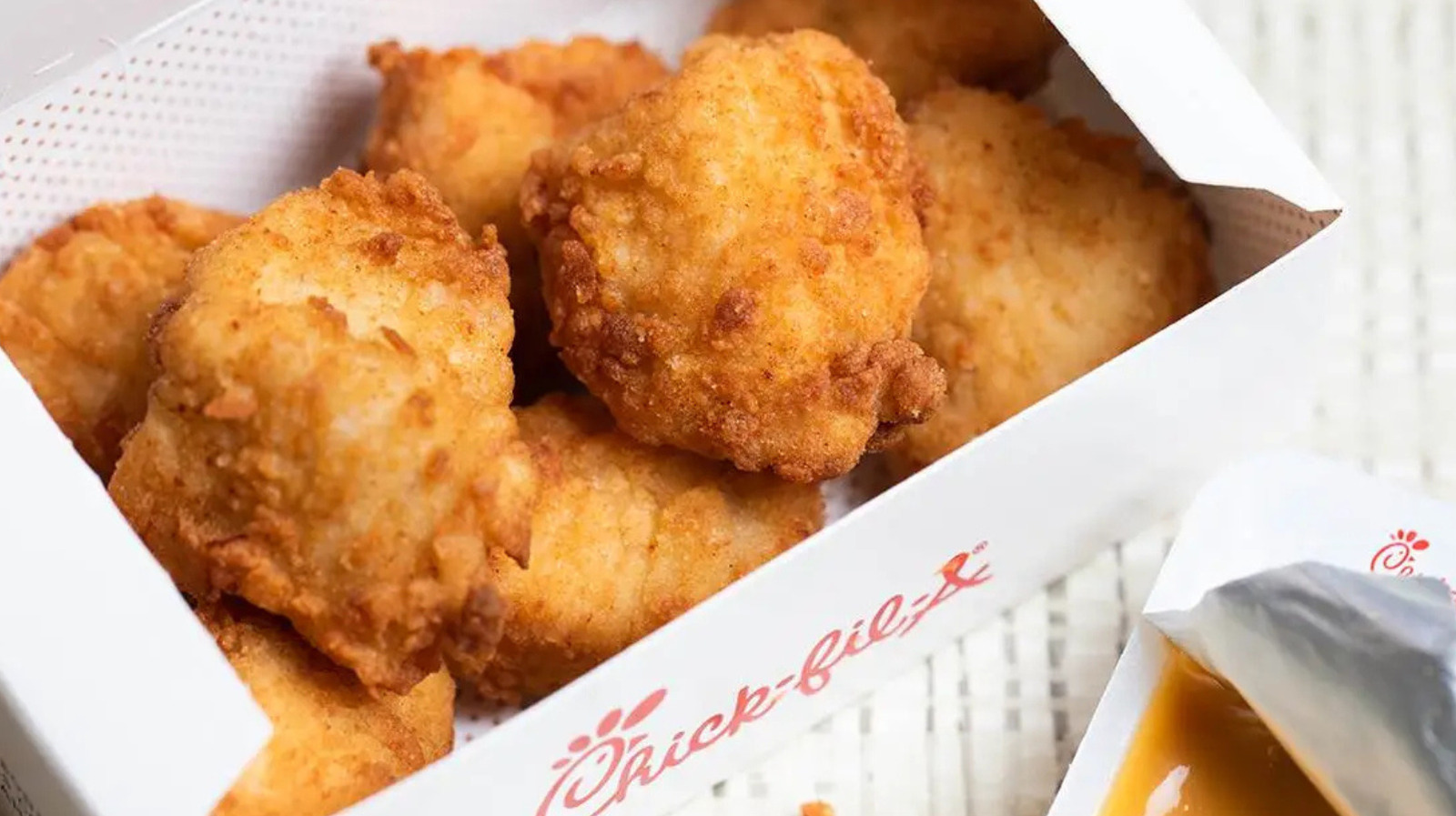
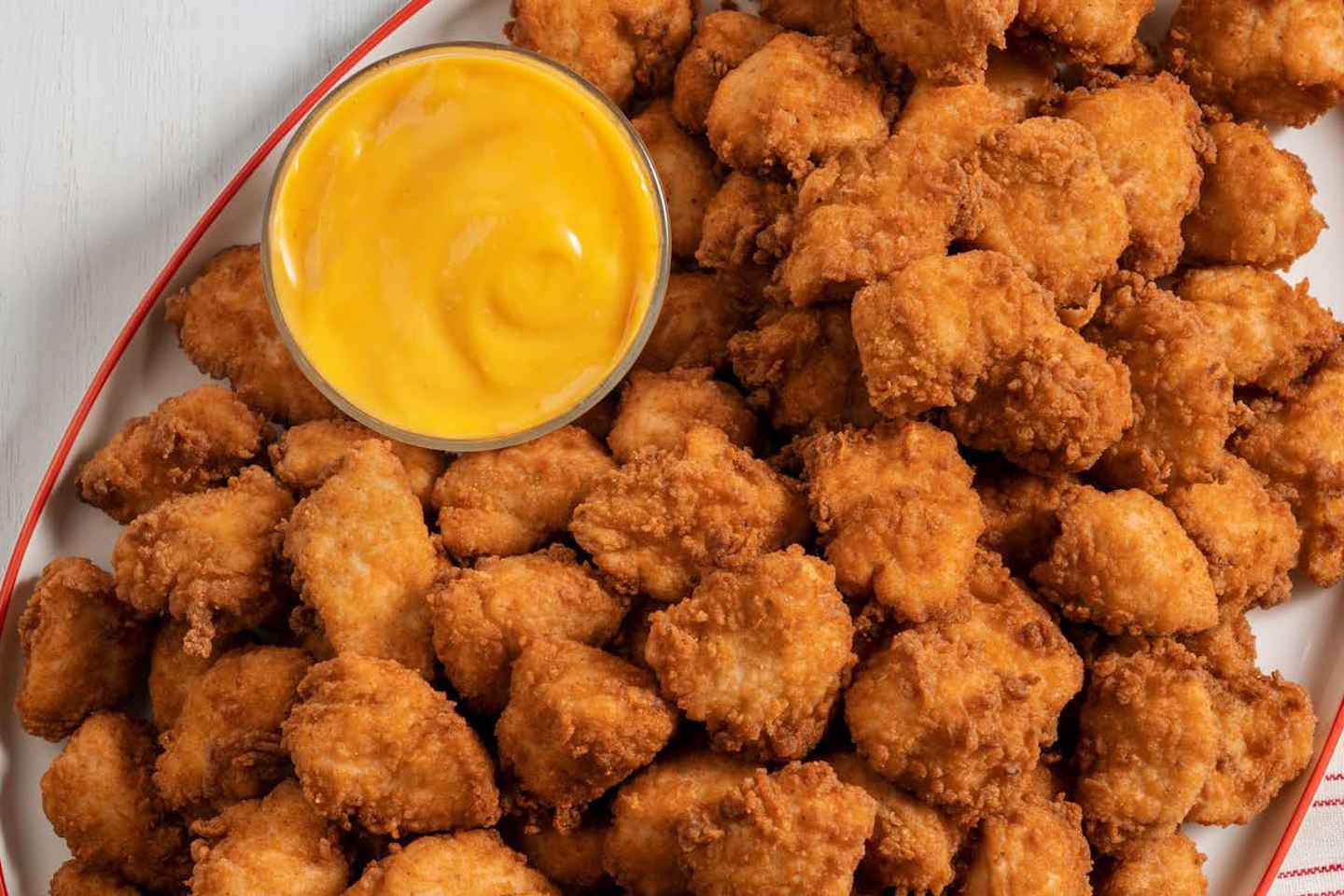
The classic Chick-fil-A Nuggets are indeed fried. Specifically, they are hand-breaded and pressure-cooked in 100% refined peanut oil. This specialized pressure-frying method distinguishes them from traditional deep-fried nuggets, resulting in a juicier interior and a less greasy exterior. For those seeking a non-fried option, Chick-fil-A also offers Grilled Nuggets.
The Science of the Crunch: Pressure Frying vs. Traditional Frying
When asking if Chick-fil-A nuggets are fried, it is essential to understand the specific technique used in their kitchens. Unlike many fast-food chains that use open-vat deep fryers, Chick-fil-A utilizes a method known as pressure frying.
How Pressure Frying Works
Pressure frying involves cooking the chicken in a sealed environment. As the moisture inside the chicken heats up, it creates steam. Because the fryer is sealed, this steam creates pressure that prevents the internal moisture of the chicken from escaping.
As of 2026, the brand continues to use specialized equipment, primarily from manufacturers like Henny Penny, designed to maintain precise temperature and pressure levels. The benefits of this method include:
- Reduced Oil Absorption: Because the pressure keeps the chicken’s natural juices inside, there is less room for the cooking oil to penetrate the meat. This results in a product that feels less "heavy" than standard deep-fried chicken.
- Faster Cooking Times: Pressure increases the boiling point of water, allowing the chicken to cook thoroughly at a faster rate without drying out the exterior.
- Succulent Texture: The "lock-in" effect of the pressure ensures that the white meat remains tender, which is a hallmark of the Chick-fil-A brand.
The Role of Atmospheric Pressure
In traditional frying, the moisture on the surface of the food escapes as bubbles. In a pressure fryer, the high-pressure environment raises the temperature at which water evaporates. This means the chicken can reach a safe internal temperature (165°F) while the moisture remains trapped in the muscle fibers. This technical nuance is why many consumers find Chick-fil-A nuggets to have a different "mouthfeel" compared to nuggets cooked in an open fryer.
The Signature Oil: 100% Refined Peanut Oil
A critical component of Chick-fil-A’s frying process is the choice of fat. Since the company’s inception, S. Truett Cathy insisted on using peanut oil for the breaded chicken products.
Why Peanut Oil?
Peanut oil is favored by high-volume kitchens for several reasons:
- High Smoke Point: Peanut oil has a smoke point of approximately 450°F (232°C). This allows the chicken to be cooked at high temperatures (typically around 325°F to 350°F) without the oil breaking down or imparting a burnt flavor.
- Neutral Flavor Profile: While "peanut" is in the name, refined peanut oil does not actually taste like peanuts. It provides a clean finish that allows the seasoning of the breading to remain the primary flavor profile.
- Durability: In a commercial kitchen setting, oil must withstand repeated heating cycles. Peanut oil is more stable than many vegetable oil blends, maintaining its quality over longer periods.
Refined vs. Unrefined Oils and Allergies
For individuals with peanut allergies, the term "fried in peanut oil" can be alarming. However, Chick-fil-A uses highly refined peanut oil. According to the U.S. Food and Drug Administration (FDA), highly refined oils are not considered major food allergens because the refining process removes the proteins that trigger allergic reactions.
Despite this, Chick-fil-A explicitly lists peanut oil as an ingredient and cautions guests with allergies to consult their doctors before consuming fried products. It is important to note that the Waffle Potato Fries are cooked in canola oil, not peanut oil, to provide a different flavor profile and accommodate specific kitchen workflows.
A Comparison of Chick-fil-A Nugget Varieties
Chick-fil-A offers two primary types of nuggets: the classic breaded version and the grilled version. While both are made from real, whole chicken breast meat, their preparation methods are vastly different.
| Feature | Chick-fil-A Nuggets (Classic) | Chick-fil-A Grilled Nuggets |
|---|---|---|
| Cooking Method | Pressure Fried | Grilled (Non-Fried) |
| Breading | Hand-breaded (Milk wash + Seasoned Flour) | None (Marinated only) |
| Primary Fat/Oil | 100% Refined Peanut Oil | Canola/Soybean Oil (in marinade/grill spray) |
| Primary Texture | Crispy, crunchy exterior | Tender, charred, and juicy |
| Gluten Status | Contains Gluten (Wheat) | Gluten-Free (as prepared) |
| Standard Size | 5, 8, 12, or 30-count | 5, 8, 12, or 30-count |
Breaded Nuggets: The Preparation and Ingredients
The process of making the fried nuggets begins long before the chicken hits the oil. Understanding the ingredients helps explain why they are fried rather than baked or air-fried.
The Hand-Breading Process
Every Chick-fil-A location receives fresh, whole-muscle chicken breast that is then prepared on-site. The "hand-breaded" claim is literal:
- The Milk Wash: The chicken pieces are dipped in a "milk wash," which is a mixture of nonfat milk and egg. This acts as a biological adhesive, ensuring the flour mixture sticks to the meat.
- The Seasoned Flour: The nuggets are tossed in a seasoned flour mixture. While the exact "secret recipe" is guarded, public ingredient lists confirm the presence of salt, sugar, spices, and MSG (Monosodium Glutamate).
- The Toss: Workers use a specific "tossing" motion to ensure every nook and cranny of the chicken is coated, which creates the craggy, crispy texture once fried.
Ingredient Transparency
The breaded nuggets contain several key ingredients that contribute to the final fried product:
- Chicken: Sourced as "No Antibiotics Important to Human Medicine" (NAIHM) as of 2024 standards, which remain the baseline in 2026.
- Sugar: A small amount of sugar in the breading helps with caramelization, giving the nuggets their golden-brown color.
- MSG: This flavor enhancer provides the "umami" or savory depth that many customers associate with the brand's unique taste.
Grilled Nuggets: The Non-Fried Alternative
For those who are specifically avoiding fried foods due to dietary restrictions, caloric goals, or health preferences, the Grilled Nuggets are the intended alternative. These are not fried.
How Grilled Nuggets are Cooked
Instead of being breaded and submerged in oil, grilled nuggets are marinated in a blend of sea salt, lemon, garlic, and herbs. They are cooked on a high-tech specialized grill that sears the meat on both sides simultaneously. This equipment mimics the effect of an outdoor grill, complete with "grill marks," without the need for frying oil.
While they are not fried, they are often prepared in the same kitchen area as fried products. Cross-contact is a possibility, though Chick-fil-A maintains strict protocols to keep grilled and fried items separate.
Health and Nutritional Considerations of Fried Nuggets
Choosing fried nuggets involves considering the nutritional trade-offs. Frying inherently adds fat and calories compared to grilling or baking.
Caloric Density and Fats
A standard 8-count order of Chick-fil-A Nuggets (fried) contains approximately 250 calories and 11 grams of fat. In contrast, the 8-count Grilled Nuggets contain approximately 130 calories and 3 grams of fat.
The frying process also contributes to the sodium content. The breading and the frying oil together result in a higher sodium profile (around 700mg for an 8-count) than the grilled counterpart. However, because Chick-fil-A uses peanut oil and pressure frying, the trans-fat content is zero grams per serving, which is a significant health advantage over chains that may use hydrogenated oils.
MSG and Sensitivities
Chick-fil-A uses Monosodium Glutamate (MSG) in its fried chicken breading. While the FDA generally recognizes MSG as safe, some individuals report sensitivities. If you are sensitive to MSG, the fried nuggets may not be the best choice for you, as the MSG is integral to the breading recipe. The Grilled Nuggets, however, generally do not contain added MSG in the same capacity.
Allergen Information and Safety
Because the nuggets are fried in peanut oil, allergen management is a top priority for the brand.
Gluten and Wheat
The fried nuggets are not gluten-free. The breading is made from wheat flour. For those with Celiac disease or gluten intolerance, the Grilled Nuggets are the safer choice, though diners should always notify the staff of an allergy to ensure precautions against cross-contamination are taken during the assembly of the meal.
Dairy and Egg
The "milk wash" used to make the breading stick to the fried nuggets contains both dairy (milk) and eggs. Therefore, the fried nuggets are not suitable for those with vegan diets or specific allergies to these animal products. The grilled nuggets do not use the milk wash, making them a better option for those avoiding dairy or eggs.
Common Questions (FAQs)
What oil does Chick-fil-A use for nuggets?
Chick-fil-A uses 100% refined peanut oil for all its breaded chicken products, including nuggets and the classic chicken sandwich. This oil is chosen for its high smoke point and neutral flavor. Waffle Potato Fries, however, are cooked in canola oil to ensure a different texture and flavor.
Are the grilled nuggets at Chick-fil-A fried?
No, the Grilled Nuggets are not fried. They are marinated and cooked on a specialized grill. They do not have the breading found on the classic nuggets and are significantly lower in calories and fat because they are not submerged in cooking oil.
Is the peanut oil at Chick-fil-A safe for people with peanut allergies?
Most medical professionals and the FDA state that highly refined peanut oil is safe for people with peanut allergies because the allergic proteins are removed during processing. However, Chick-fil-A officially recommends that guests with peanut allergies consult their physician before eating their fried chicken, as individual sensitivities vary.
Does Chick-fil-A use real chicken in their nuggets?
Yes, Chick-fil-A uses 100% real, whole-muscle chicken breast meat. The nuggets are not formed from a ground "paste" or "slurry." Instead, they are bite-sized pieces of actual chicken breast that are hand-breaded in the restaurant.
Are Chick-fil-A nuggets air-fried?
No, Chick-fil-A does not use air fryers. They use commercial pressure fryers. While air frying uses hot air circulation to mimic the effects of frying with minimal oil, Chick-fil-A’s pressure frying involves submerging the chicken in refined peanut oil under high pressure to cook it quickly and keep it moist.
Practical Recommendation: Making the Best Choice
When deciding whether to order the fried nuggets at Chick-fil-A, consider your primary goal:
- For Flavor and Texture: The fried nuggets are the brand’s flagship for a reason. The combination of the peanut oil’s clean finish and the pressure-fried crunch is difficult to replicate. If you want the classic "Chick-fil-A experience," the fried nuggets are the way to go.
- For Health and Macros: If you are tracking calories, watching your fat intake, or following a ketogenic diet, the Grilled Nuggets are the superior choice. They offer high protein (approx. 25g per 8-count) with minimal fat and carbohydrates.
- For Celiac/Gluten Sensitivity: Always choose the Grilled Nuggets and inform the staff of your allergy. Avoid the fried nuggets entirely, as the wheat-based breading and shared oil are high-risk factors for gluten exposure.
Regardless of your choice, knowing that the "fried" aspect of Chick-fil-A nuggets involves high-quality refined peanut oil and advanced pressure-cooking technology can help you make an informed decision at the counter in 2026.