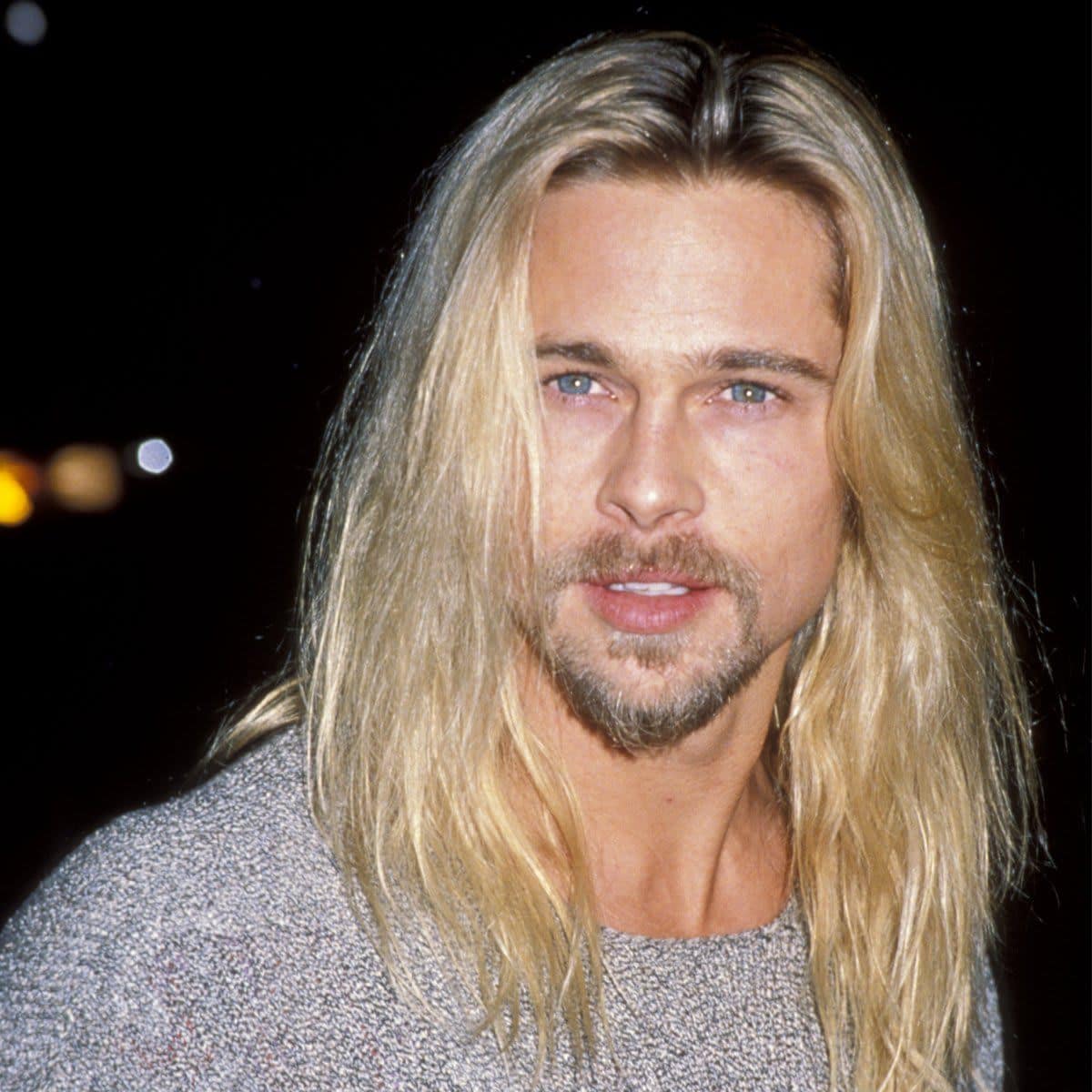
In the general global population, the combination of natural blonde hair and green eyes is exceptionally rare, estimated to occur in less than 1% of people. However, in the world of celebrities, this combination appears more frequently due to casting preferences for unique features and the common use of professional hair color treatments.
The Genetic Scarcity of the Blonde-Green Combination
To understand why celebrities with blonde hair and green eyes are often the subject of fascination, we must first look at the biological "lottery" required to produce this specific look. In 2026, genetic research continues to confirm that while both traits are recessive in nature, they operate on different sets of genes, making their simultaneous occurrence a statistical anomaly.
Green eyes are widely considered the rarest eye color in the world. Current data suggests that only about 2% of the global population possesses true green eyes. This color is the result of a low to moderate amount of melanin and the presence of "lipochrome," a yellow pigment that, when mixed with the natural blue scattering of light in the iris, creates a green appearance. Unlike brown eyes, which are dominant, green eyes require a specific genetic sequence that is easily masked by more dominant traits.
Natural blonde hair is similarly scarce on a global scale. Only about 2% to 5% of the world's population is born with naturally blonde hair. This trait is most common in Northern and Western Europe, and it is caused by a lack of the dark pigment eumelanin. Because blonde hair is a recessive trait, both parents must typically carry the genes for it, even if they do not express the trait themselves.
When you multiply the 2% probability of green eyes by the roughly 3% probability of natural blonde hair, the mathematical likelihood of an individual having both naturally is incredibly low. This biological rarity creates a "strike" of visual interest that is highly valued in visual media, such as film and high-fashion photography.
Global Statistics vs. Hollywood Representation
There is a significant disconnect between what we see on the street and what we see on the red carpet. If you were to walk through a crowded city, you might go days or even weeks without seeing a natural blonde with green eyes. Yet, if you scroll through a list of A-list actors in 2026, the combination seems almost common.
This discrepancy exists for three primary reasons:
- The Overrepresentation of European Ancestry: Hollywood and Western media outlets historically draw a large portion of their talent from populations with European heritage. Since blonde hair and green eyes are primarily found in people of Northern, Central, and Eastern European descent, the "talent pool" is already skewed toward these traits.
- The "Halo Effect" in Casting: In the entertainment industry, casting directors often look for features that are striking or "unusual" to capture the audience's attention. A combination that is rare in the real world becomes a marketable asset in the celebrity world. This leads to an overrepresentation of people with rare phenotypes.
- The Accessibility of Hair Dye: It is important to distinguish between "natural" blondes and "celebrity" blondes. Many celebrities with green eyes are naturally brunette or redheaded. By lightening their hair to blonde, they achieve the rare blonde-green aesthetic artificially.
Notable Celebrities with Natural Blonde Hair and Green Eyes
While many stars use the help of a stylist to achieve this look, there are several notable figures known for this striking combination. As of 2026, these individuals remain some of the most cited examples of the "rare" aesthetic.
Amanda Seyfried
Amanda Seyfried is perhaps one of the most prominent examples of a natural blonde with distinct green eyes. Her look is often described as "ethereal," largely because her features are so rare in their natural state. Seyfried’s eyes are a true green rather than hazel, which sets her apart even among other light-eyed celebrities.
Charlize Theron
The Academy Award-winning actress is famous for her blonde hair and piercing green eyes. While she often changes her hair color for roles, her natural base is a light blonde. Theron’s features are often used by stylists as the "gold standard" for how blonde hair can complement green-toned irises.
Scarlett Johansson
Though she frequently dyes her hair red or brown for her various cinematic roles, Scarlett Johansson is naturally a dark blonde with clear green eyes. Her ability to pivot between different looks is enhanced by the neutrality of her blonde-green base, which allows for high contrast with different makeup palettes.
Emma Stone (The Inverse Case)
Emma Stone provides an interesting case study. While she is most famous for her red hair, she is actually a natural blonde with green eyes. She famously dyed her hair red at the suggestion of Judd Apatow for the film Superbad, and the look became her trademark. This highlights how celebrities often "hide" their natural rarity to fit a specific persona or brand.
The "Bottle Blonde" Factor: Distinguishing Natural from Stylized
When asking if celebrities with this combination are "really rare," we must account for the prevalence of professional hair coloring. In 2026, the technology for hair lightening has reached a point where "expensive blonde" (a multi-tonal, natural-looking blonde) can be achieved by almost anyone with the budget for a high-end colorist.
Many celebrities categorized as "blonde with green eyes" are actually "green-eyed brunettes." Because green eyes are a fixed trait, but hair color is a choice, the industry has seen a surge in this combination. A celebrity with green eyes—which are already rare and captivating—can "upgrade" their visual rarity by going blonde.
To determine if a celebrity is naturally a member of this rare group, one often has to look at childhood photos. Even then, many natural blondes see their hair darken to "dishwater blonde" or light brown as they reach adulthood, requiring highlights to maintain the "bright blonde" appearance that defines the category.
Why This Specific Combination is Prized in the Entertainment Industry
The fascination with blonde hair and green eyes isn't just about statistics; it's about color theory and human psychology. In 2026, visual storytelling relies heavily on "character design," even for real-life people.
High Contrast and Screen Presence
Green eyes provide a unique contrast against blonde hair. Unlike blue eyes, which share cool undertones with many shades of blonde, green eyes contain a hint of warmth. This creates a vibrant, high-contrast look that translates exceptionally well to 8K cameras and high-definition cinema. The eyes appear to "pop" more when framed by light-reflecting blonde strands.
Evolutionary Psychology
There is a theory in evolutionary psychology that humans are naturally drawn to rare traits because they signal "genetic distinctiveness." While this is a subject of ongoing debate, it helps explain why audiences find the blonde-green combination so captivating. It is a visual signal of something "different" from the norm.
Lighting and Post-Production
In modern filmmaking, color grading is used to enhance the mood of a scene. Green eyes are famously reactive to lighting. They can appear hazel, grey, or emerald depending on the set's color temperature. This versatility makes actors with green eyes a favorite for cinematographers, and pairing those eyes with blonde hair (which acts as a natural reflector of light) makes the actor's face much easier to light effectively.
Rarity Comparison: Global vs. Celebrity Contexts
To visualize just how rare this combination is, consider the following table which compares the estimated global frequency of various hair and eye color pairings.
| Hair/Eye Combination | Global Estimated Frequency | Celebrity Prevalence Rank |
|---|---|---|
| Brown Hair / Brown Eyes | ~70% - 79% | Common |
| Black Hair / Brown Eyes | ~15% - 20% | Common |
| Blonde Hair / Blue Eyes | ~1% - 2% | Very High (Overrepresented) |
| Blonde Hair / Green Eyes | < 1% | High (Overrepresented) |
| Red Hair / Blue Eyes | ~0.17% | Rare |
| Red Hair / Green Eyes | ~0.5% | Rare |
Note: The "Celebrity Prevalence Rank" reflects how often these traits appear in Western media relative to their actual occurrence in the world population.
Managing the Look: Tips from Celebrity Stylists
For those who do possess this rare combination (either naturally or through the salon), maintaining the balance is key. By 2026, the trend has shifted away from "bleach blonde" toward more nuanced tones that complement the green in the eyes.
- Choose the Right Undertone: Green eyes often have flecks of gold or yellow. Stylists recommend "honey blonde" or "champagne blonde" to bring out these warm tones. If the eyes are a cool, "seafoam" green, a "platinum" or "ash blonde" is often more effective.
- Avoid Washing Out the Features: Because blonde hair is light, it can sometimes wash out the complexion of someone with light green eyes. Using mascara and eyeliner to define the eyes is crucial for maintaining the "rare" look without looking pale.
- Color Saturation: Green eyes can change based on the colors worn. Celebrities often wear emerald green, deep purples (the complement to green on the color wheel), or warm corals to make their eye color more pronounced against their blonde hair.
Frequently Asked Questions
Is blonde hair and green eyes the rarest combination?
No, the rarest hair and eye color combination is typically considered to be red hair and blue eyes. However, blonde hair and green eyes are a close second in terms of global statistical rarity. While red hair/blue eyes is rarer, blonde/green is often more "visible" in Hollywood due to the popularity of blonde hair dye.
Can eye color change from blue to green over time?
In some cases, yes. Many infants are born with blue or grey eyes that develop more melanin as they age, eventually turning green or hazel. However, once a person reaches adulthood, their eye color is generally permanent, though it may appear to change based on lighting, clothing, or pupil dilation.
Are there any male celebrities with this combination?
Yes, though it is often less discussed. For example, actors like Jude Law (who has had various shades of blonde hair and green/blue-green eyes) and Channing Tatum (often seen with lightened hair and green-leaning eyes) fit this profile. However, the "blonde-green" aesthetic is most frequently highlighted in female celebrity profiles.
Why do some green eyes look brown?
This is usually a characteristic of "hazel" eyes. Hazel eyes contain a mix of green, gold, and brown. In low light, the brown melanin is more apparent, but in bright light or when paired with blonde hair, the green pigments become more visible. True green eyes have very little brown melanin.
Practical Recommendation for 2026
If you are looking to emulate the rare look of celebrities with blonde hair and green eyes, the most important step is consulting a professional colorist. Because the combination is so rare, it requires a specific balance of skin tone, hair "level," and eye vibrancy to look natural.
For those who naturally have this combination, your best "next action" is to focus on eye health and sun protection. Light-colored eyes and fair hair are often more sensitive to UV damage. Using high-quality polarized sunglasses and UV-protectant hair serums will ensure that your rare features remain vibrant and healthy as you age.
In the landscape of 2026, where "natural-looking" beauty is the ultimate luxury, those with blonde hair and green eyes—whether by birth or by choice—continue to hold a unique place in the cultural zeitgeist of celebrity and style.