Chase credit cards are widely considered some of the best in the financial industry due to their versatile rewards program, high-value sign-up bonuses, and a robust network of travel transfer partners. For most consumers with good-to-excellent credit, Chase provides a balanced ecosystem that facilitates both simple cash back and high-end luxury travel.
Determining whether a credit card issuer is "good" depends heavily on your spending habits, financial goals, and ability to manage debt. JPMorgan Chase, the largest bank in the United States, has spent over a decade refining its credit card portfolio to cater to everyone from college students and small business owners to high-net-worth travelers. In 2026, the Chase ecosystem remains anchored by the Ultimate Rewards (UR) program, which serves as a central hub for earning and redeeming value across multiple cards.
The Chase Ultimate Rewards Ecosystem: Why It Matters
The primary reason Chase credit cards are held in such high regard is the Ultimate Rewards ecosystem. Unlike some competitors that keep cash-back and travel points separate, Chase allows users to "pool" their points. This means points earned on a no-annual-fee card, such as the Chase Freedom Unlimited, can be moved to a premium card, like the Chase Sapphire Reserve, where they become significantly more valuable.
This strategy, often referred to by enthusiasts as the "Chase Trifecta," involves holding three specific cards to maximize earnings on every dollar spent. By strategically using a rotating category card for 5% back, a "catch-all" card for 1.5% back, and a travel card for dining and transit, cardholders can accumulate points at an accelerated rate.
When you use Chase points through the Chase Travel portal, they have a fixed value (usually 1.25 to 1.5 cents per point depending on the card you hold). However, the real "power move" within the Chase ecosystem is transferring points to travel partners. Chase maintains partnerships with several major airlines and hotel chains, including World of Hyatt, United Airlines, and Southwest Airlines. Because Hyatt points, for example, are frequently valued at 2 cents or more per point, transferring Chase points to Hyatt can effectively double the value of your rewards compared to simple cash back.
The Infamous "5/24 Rule" and Eligibility
Before applying for any Chase card, you must understand the 5/24 Rule. While not an official policy published on the Chase website, it is a strictly enforced internal guideline that has been a staple of the industry for years.
The rule states that if you have opened five or more new credit card accounts (from any issuer, not just Chase) in the past 24 months, you will almost certainly be denied for a new Chase card, regardless of your credit score or income. This makes Chase cards "priority" cards for many people starting their credit journey; if you don't get them early, you may be locked out for a long time as you explore other issuers like American Express or Capital One.
In 2026, credit requirements for Chase's top-tier cards remain high. Most successful applicants for the Sapphire or Ink series have a FICO score of at least 700, though a score of 740 or higher provides the best odds. For the Freedom suite, a score in the upper 600s may suffice, especially if you have an existing banking relationship with Chase. You can monitor your credit health via the Consumer Financial Protection Bureau to ensure you meet the general standards for prime lending.
Analysis of Popular Chase Credit Cards in 2026
To answer if these cards are good for you, we must look at the specific offerings in the current market. Chase divides its portfolio into three main categories: Travel, Cash Back, and Business.
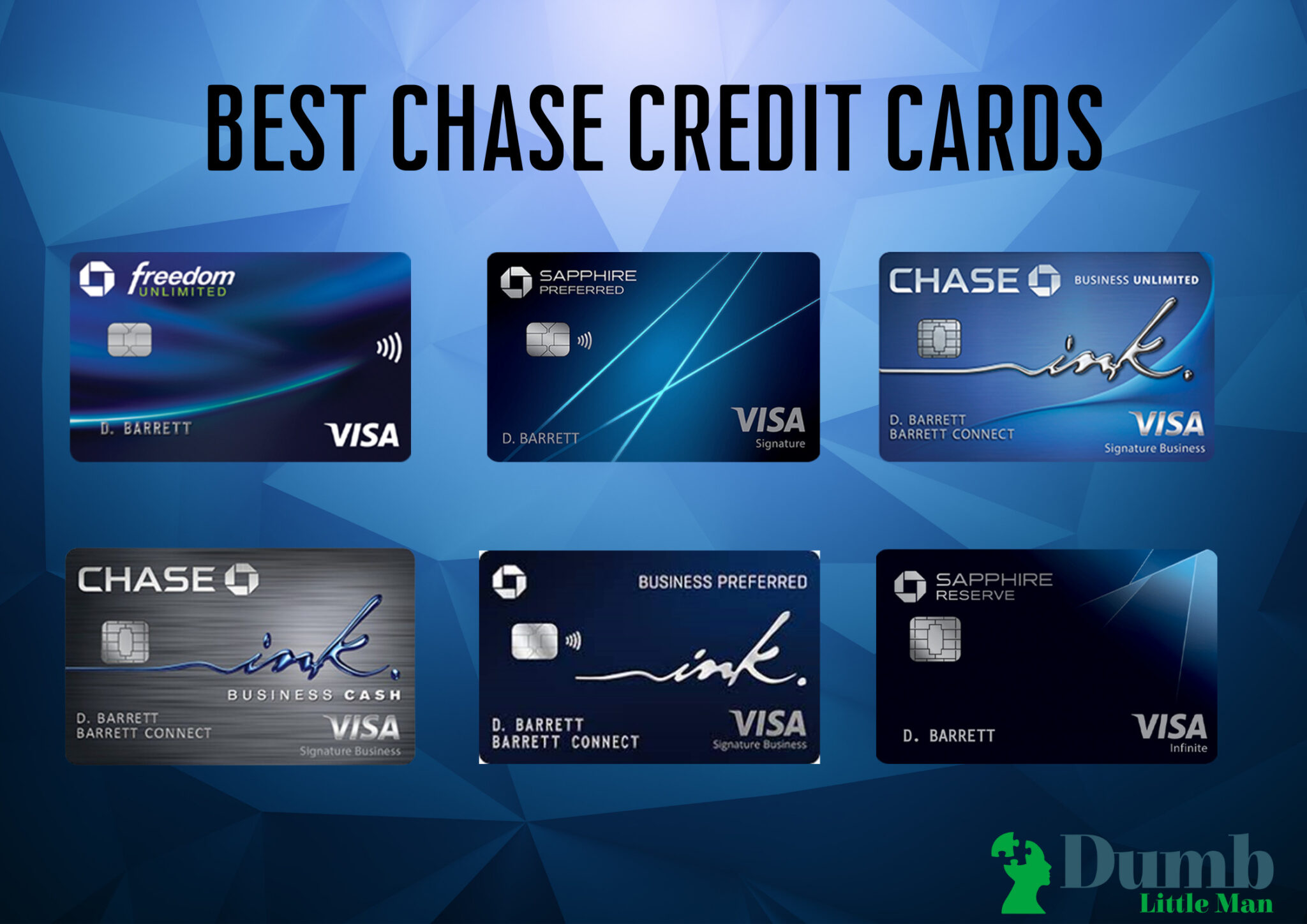
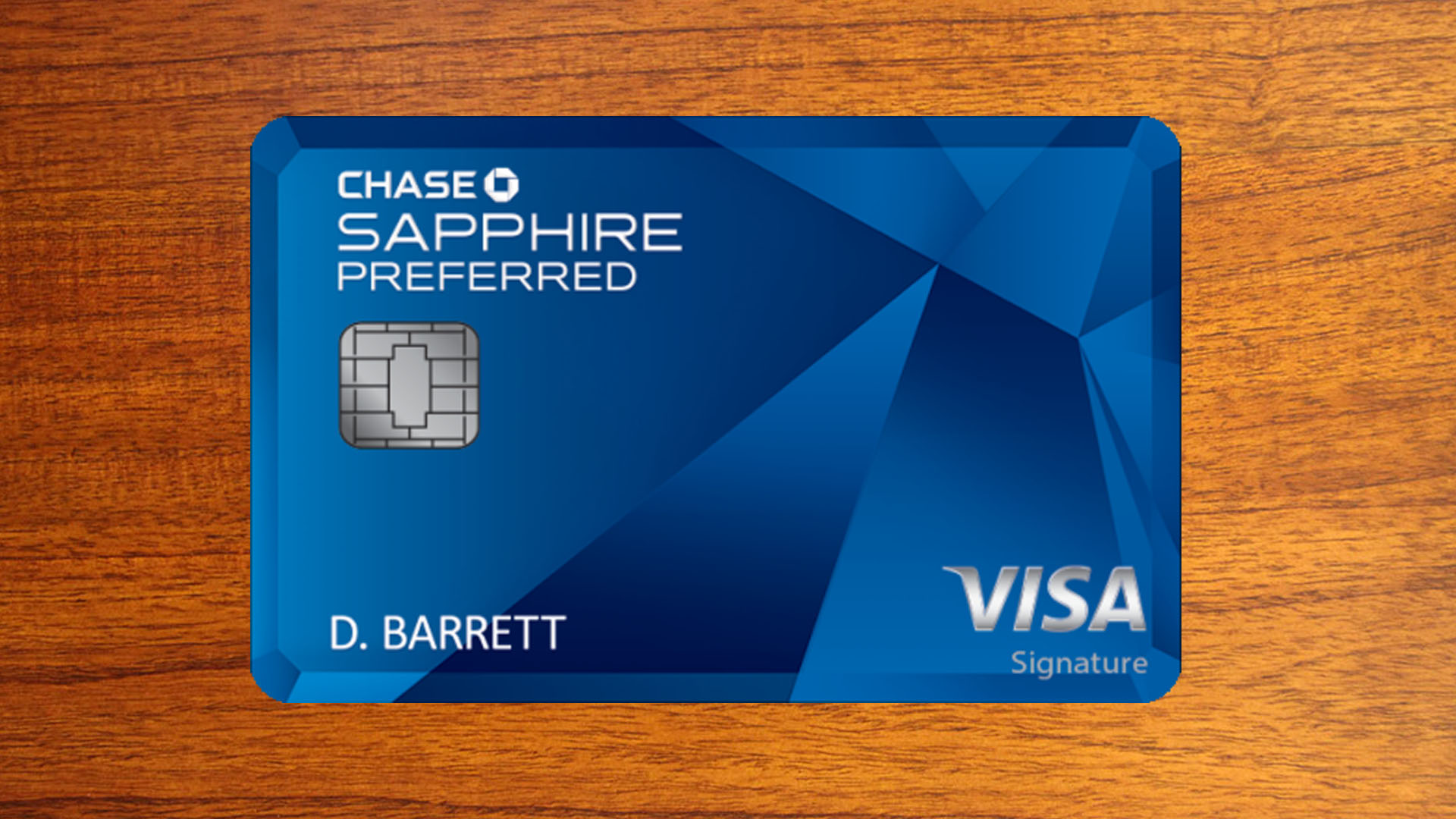
Chase Sapphire Preferred® Card
Often cited as the best "mid-tier" travel card on the market, the Sapphire Preferred carries a modest $95 annual fee. Its primary draw is the ability to transfer points to partners and a 25% value boost when booking travel through Chase. For a relatively low cost, it provides excellent travel protections, including primary rental car insurance—a rare feature for a card at this price point.
Chase Sapphire Reserve®
This is the "heavy hitter" in the lineup, designed for frequent travelers. While the annual fee is high ($550), it is offset by a $300 annual travel credit that is remarkably easy to use, as it applies to everything from airfare to parking garages. Cardholders get Priority Pass lounge access, a 50% boost in point value through the portal, and reimbursement for Global Entry or TSA PreCheck® applications.
Chase Freedom Unlimited® and Freedom Flex®
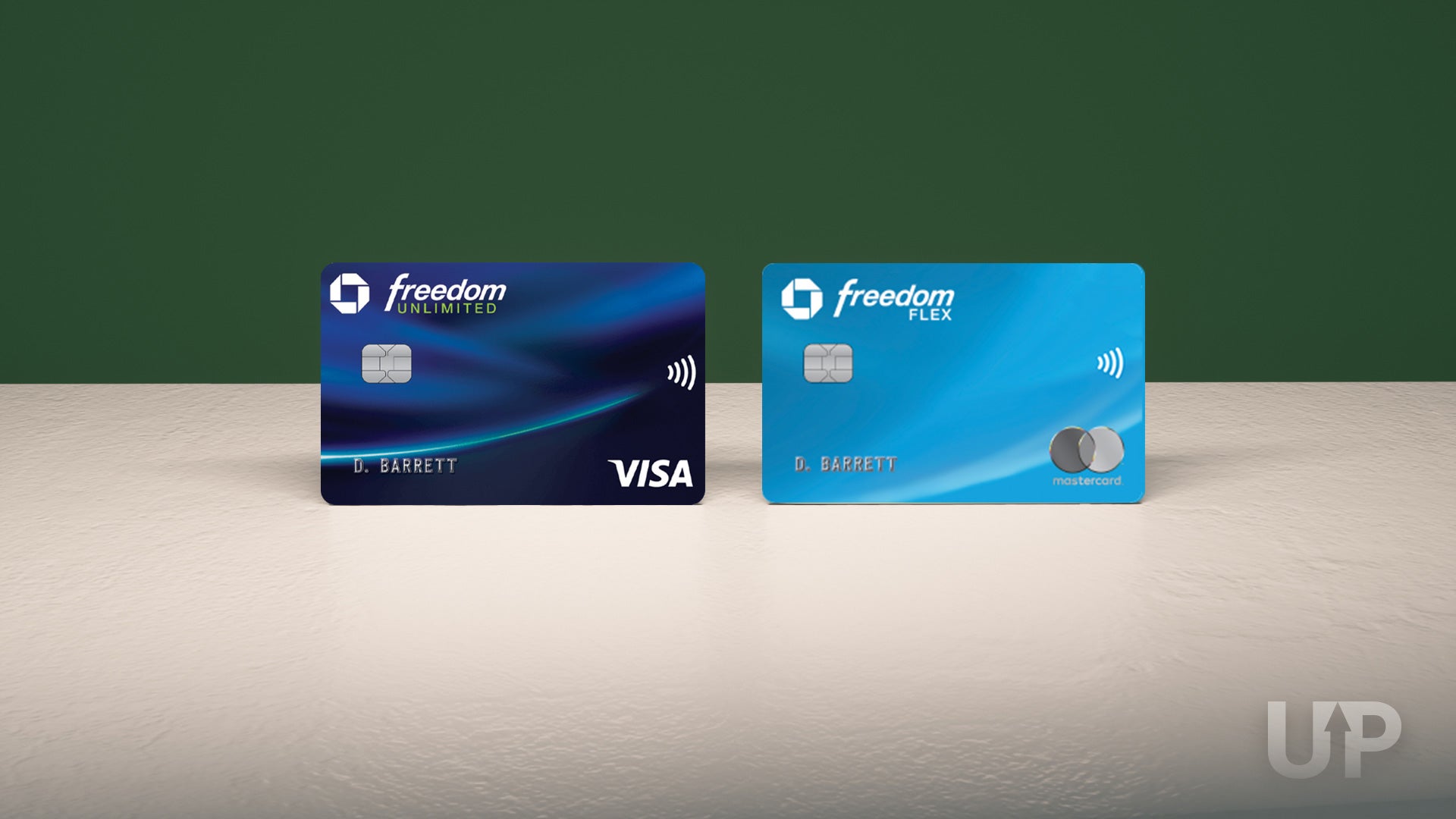
These are the foundational "no-annual-fee" cards. The Freedom Unlimited is a "catch-all" card, typically offering 1.5% back on all purchases, while the Freedom Flex uses 5% rotating quarterly categories. In 2026, these cards remain "good" because they allow beginners to enter the Chase ecosystem without a financial commitment, while still earning the same valuable Ultimate Rewards points that can be upgraded later.
Chase Ink Business Suite
For entrepreneurs and freelancers, the Ink Business Cash, Unlimited, and Preferred cards offer some of the highest sign-up bonuses in the industry. The Ink Business Preferred is particularly notable for its high earn rates on shipping, advertising, and internet/cable services.
Comparative Overview of Top Chase Cards
The following table compares the primary features of the most popular Chase cards as of 2026.
| Card Name | Annual Fee | Primary Benefit | Points Value (Travel Portal) |
|---|---|---|---|
| Chase Sapphire Preferred | $95 | 1:1 Transfer Partners | 1.25 Cents |
| Chase Sapphire Reserve | $550 | $300 Travel Credit / Lounges | 1.50 Cents |
| Chase Freedom Unlimited | $0 | 1.5% - 5% Earning Rates | 1.00 Cent* |
| Chase Freedom Flex | $0 | 5% Rotating Categories | 1.00 Cent* |
| Chase Ink Business Preferred | $95 | High Business Earn Rates | 1.25 Cents |
*Note: Points earned on Freedom cards can be worth 1.25 or 1.5 cents if transferred to a Sapphire card holder's account.
The Pros of Choosing Chase
- High Transfer Value: As mentioned, the ability to transfer to World of Hyatt is often considered the single best redemption in the credit card world. While other issuers like Amex have more partners, Chase's partners tend to have more "approachable" value for the average traveler.
- User-Friendly App and Portal: The Chase mobile app is consistently ranked as one of the best for ease of use. Managing payments, viewing rewards, and booking travel are integrated into a single, clean interface.
- Comprehensive Protections: Chase is known for its "built-in" insurance. Many of their cards include trip cancellation insurance, baggage delay insurance, and purchase protection, which can save cardholders thousands of dollars in unforeseen circumstances.
- No Foreign Transaction Fees (Premium Cards): All Sapphire cards and the Ink Preferred allow you to spend abroad without the typical 3% fee charged by many basic cards.
The Cons and Limitations
- The 5/24 Rule: This is the biggest hurdle for "credit card hobbyists." If you like to open many cards to chase bonuses, Chase’s strict limit can be frustrating.
- High Interest Rates: Like most rewards cards, Chase cards carry high APRs. If you carry a balance from month to month, the interest you pay will quickly outweigh any rewards you earn. These cards are only "good" if you pay them off in full every month.
- Customer Service Variance: While Sapphire Reserve customers get "priority" phone support, users of the no-fee Freedom cards may experience longer wait times or more automated responses when dealing with issues.
- Limited Bonus Categories on Travel Cards: Ironically, the Sapphire cards themselves don't always have the best earn rates for everyday spending like groceries or gas, forcing users to carry multiple cards (the Trifecta) to truly maximize value.
How Chase Compares to the Competition
When asking "Are Chase credit cards good?", it helps to look at the alternatives.
Chase vs. American Express: Amex is often seen as more "luxurious" with higher annual fees and more "lifestyle" credits (like Uber or digital entertainment credits). However, Amex points are often harder to use for high value unless you are comfortable booking international business class flights. Chase is generally better for domestic travelers and those who prefer hotels.
Chase vs. Capital One: Capital One has simplified the rewards game with the Venture X. Their ecosystem is easier to manage (usually 2x miles on everything), but they lack the high-value domestic hotel partners that Chase offers.
Chase vs. Citi: Citi offers a great "quadfecta" for earning points, but their travel protections have been significantly stripped back over the years, making Chase the safer bet for people who actually travel.
Is a Chase Card Right for You?
Choosing a Chase card is a wise move if you value flexibility. If you aren't sure whether you want cash back or travel points, Chase lets you change your mind later. You can earn points as cash back today, and if you decide to take a trip two years from now, you can "convert" those points into a flight or hotel stay.
However, if you have a history of carrying credit card debt, or if your credit score is currently below 670, you may want to focus on a "builder" card first. Chase is a prime lender and they are known for being conservative with their approvals. You can check your eligibility or browse their current offers directly on the official Chase website.
Frequently Asked Questions
What is the best Chase card for a first-time applicant?
For those new to Chase, the Chase Freedom Unlimited is often the best starting point. It has no annual fee, offers a solid 1.5% base earn rate, and frequently comes with a generous sign-up bonus. It allows you to build a relationship with the bank before applying for the more restrictive Sapphire cards.
Does Chase offer "pre-approval" for their cards?
Yes, Chase often provides "Just For You" offers or pre-approved selections within their mobile app or website for existing customers. New customers can sometimes find pre-qualification tools on the Chase site, which perform a "soft pull" on your credit that doesn't impact your score, though a "hard pull" is still required for the final application.
Can I have both the Sapphire Preferred and the Sapphire Reserve?
No. Chase has a "one Sapphire" rule. You cannot hold both cards simultaneously, and you cannot receive a sign-up bonus for either card if you have received a Sapphire bonus in the last 48 months. Most users should choose the Preferred for its lower fee or the Reserve for its high-end travel perks.
Are Chase credit cards good for international travel?
The Sapphire and Ink Preferred cards are excellent for international travel because they have no foreign transaction fees and use the Visa/Mastercard networks, which are accepted almost everywhere globally. The travel insurance included with these cards also provides peace of mind when far from home.
How much are Chase points worth?
At a minimum, Chase points are worth 1 cent each (10,000 points = $100). If you have a Sapphire Preferred, they are worth 1.25 cents for travel. If you have a Sapphire Reserve, they are worth 1.5 cents. By transferring to partners like Hyatt, you can often achieve values of 2.0 cents or more.
Final Recommendation
Chase credit cards are an excellent choice for 2026, provided you have a high enough credit score to qualify and the discipline to avoid carrying a balance. The Chase Sapphire Preferred remains the "sweet spot" for the majority of users, offering a high-value entry point into the world of travel rewards without an overwhelming annual fee. If you are a domestic traveler who stays at Hyatt hotels or flies United/Southwest, the value proposition of the Chase ecosystem is virtually unbeatable by any other major US bank.