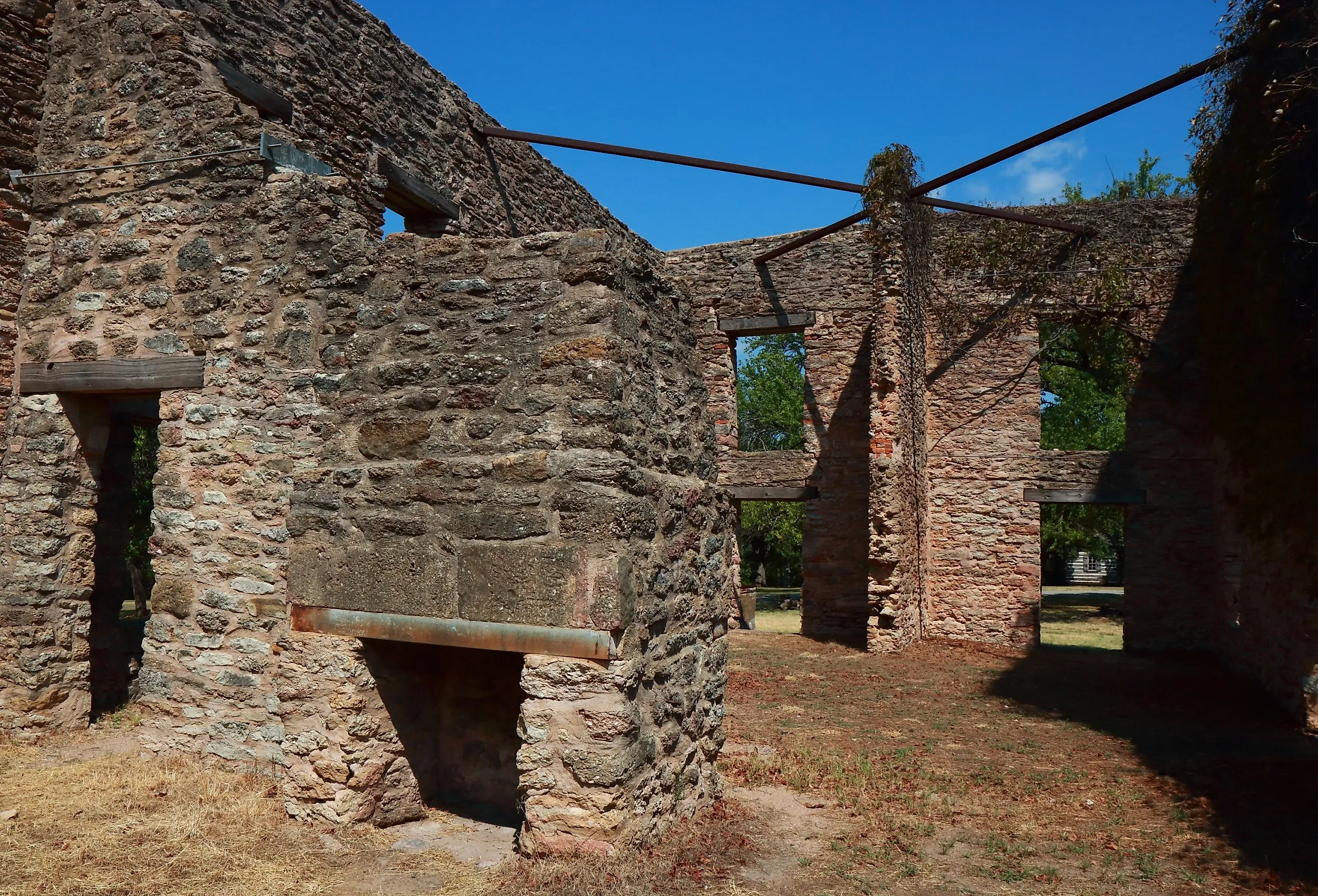
Oklahoma’s military landscape is defined by its transition from a 19th-century frontier to a center for modern strategic defense. While Fort Sill remains the state’s only active Army fort and the global hub for field artillery training, several historical sites, including Fort Gibson, Fort Supply, and Fort Towson, are preserved as essential monuments to the state's complex pioneer and tribal history.
The Strategic Evolution of Oklahoma’s Military Outposts
The history of Army forts in Oklahoma is inextricably linked to the expansion of the United States and the forced relocation of Native American tribes. During the early to mid-19th century, the U.S. Army established a series of outposts across what was then known as Indian Territory. These installations served multiple, often conflicting, purposes: they enforced the boundaries of tribal lands, protected relocated tribes from raids by Plains Indians, and secured burgeoning trade routes like the Santa Fe Trail.
By 2026, the preservation of these sites has evolved. No longer just collections of ruins, these forts serve as educational centers that tackle the nuanced history of the "Frontier West." From the arrival of the "Five Civilized Tribes" to the later conflicts involving the Comanche and Kiowa, the forts of Oklahoma provide a physical record of the shifting American landscape.
Fort Sill: The Modern Powerhouse of Field Artillery
Established in 1869 by Major General Philip H. Sheridan, Fort Sill is the only active-duty Army fort in Oklahoma that has remained in continuous operation since the Indian Wars. Located near Lawton, it is the home of the United States Army Field Artillery School and the Fires Center of Excellence.
Historical Significance and Geronimo
Fort Sill is famous for its role during the Red River War and as the final residence of the Apache leader Geronimo, who is buried in the Beef Creek Apache Cemetery on the post. The "Old Post" area, a National Historic Landmark, consists of well-preserved stone buildings that still serve administrative functions, bridging the gap between 19th-century cavalry operations and modern missile defense.
Visiting Fort Sill in 2026
Because Fort Sill is an active military installation, access is strictly regulated. As of 2026, all visitors who do not possess a Department of Defense (DoD) identification card must stop at the Visitor Control Center (VCC) located near the Bentley Gate.
- Requirements: Visitors must present a valid REAL ID-compliant driver’s license or a passport.
- Background Checks: A standard NCIC-III background check is performed on-site for all adult visitors.
- The Fort Sill Museum: This expansive facility offers one of the most comprehensive collections of military hardware and frontier artifacts in the country. It is divided into several themed buildings covering the history of the fort and the evolution of field artillery.
Fort Gibson: The First Gate to the West
Located in northeastern Oklahoma, Fort Gibson was established in 1824 to keep peace between the Osage and the newly arriving Cherokee. It was the furthest west outpost of the American frontier for nearly two decades.
A Center for Exploration
Fort Gibson served as a jumping-off point for numerous expeditions into the Great Plains. It was here that figures like Washington Irving and Sam Houston spent time. During the Indian Removal period, the fort was the primary arrival point for tribes traveling the Trail of Tears by water.
Preservation and Reconstruction
Today, the site is managed by the Oklahoma Historical Society. Visitors can explore a reconstructed log stockade, original stone buildings, and the nearby Fort Gibson National Cemetery. The site provides a stark contrast to the modern infrastructure of Fort Sill, focusing on the grueling conditions faced by soldiers and civilians in the 1830s.
Fort Towson and the Southern Boundary
Established in May 1824, Fort Towson was built to protect the southern border of the Choctaw Nation, which at the time bordered Mexican-controlled Texas. It played a critical role during the Mexican-American War as a staging area for troops heading south.
Archaeological Importance
Unlike Fort Gibson, much of Fort Towson exists as stabilized ruins. This makes it a premier site for historical archaeology. The site includes the foundations of the barracks and the powder magazine. In 2026, the visitor center continues to highlight the "steamboat era" of the Red River, which was the primary supply line for the fort until the river shifted its course.
The Civil War Connection
Fort Towson achieved historical immortality at the end of the American Civil War. On June 23, 1865, Cherokee leader and Confederate Brigadier General Stand Watie surrendered his forces at the fort, making him the last Confederate general to lay down his arms.
Fort Washita: Protecting the Chickasaw and Choctaw
Fort Washita, located near present-day Durant, was established in 1842. Its primary mission was to protect the Chickasaw and Choctaw people from the "wilder" Plains tribes to the west and to provide security for travelers on the route to California.
Architectural Legacy
The fort is known for its impressive stone masonry. While many buildings were burned during the Civil War, the ruins of the South Barracks and the surgeon's quarters remain standing. The Chickasaw Nation now manages the site, providing an indigenous perspective on the military presence in their ancestral lands.
Comparison of Major Oklahoma Army Forts
| Fort Name | Location | Status | Established | Primary Purpose (Historical) |
|---|---|---|---|---|
| Fort Sill | Lawton | Active | 1869 | Field Artillery Training & Cavalry Outpost |
| Fort Gibson | Fort Gibson | Historic Site | 1824 | Peacekeeping between Osage and Cherokee |
| Fort Towson | Fort Towson | Historic Site | 1824 | Border security & Choctaw protection |
| Fort Washita | Durant | Historic Site | 1842 | Protection of relocated tribes from Plains raids |
| Fort Supply | Fort Supply | Historic Site | 1868 | Base of operations for Indian Wars (Sheridan) |
| Fort Reno | El Reno | Historic/Research | 1874 | Cheyenne/Arapaho agency protection |
Fort Supply and the Western Frontier
Fort Supply was established in 1868 as a "supply base" for General Sheridan's winter campaign against the Southern Plains tribes. It was from this location that Lieutenant Colonel George Armstrong Custer led the 7th Cavalry to the Battle of the Washita.
Transformation into a Modern Facility
The history of Fort Supply is unique because the site eventually transitioned from a military post to the Western Oklahoma State Hospital and later a correctional facility. However, several original buildings, including the 1875 powder magazine and the 1882 guardhouse, have been preserved and are open to the public as part of the Fort Supply Historic Site.
Fort Reno: Remounts and Research
Established in 1874, Fort Reno was built in response to the Red River War. Its role evolved significantly over time. In the early 20th century, it became one of the Army's largest Remount Stations, where horses and mules were bred and trained for military service.
The World War II Legacy
During World War II, Fort Reno served as a Prisoner of War camp for German and Italian soldiers. Today, the post is home to the USDA Grazinglands Research Laboratory. The Fort Reno Visitor Center offers tours of the historic parade grounds and the chapel, which was built by German POWs using salvaged materials.
The Role of the Buffalo Soldiers in Oklahoma
No history of Army forts in Oklahoma is complete without mentioning the Buffalo Soldiers. The 9th and 10th Cavalry Regiments, comprised of African American soldiers, were stationed at nearly every major fort in Indian Territory.
These soldiers were instrumental in building the initial structures at Fort Sill and Fort Reno. They were tasked with patrolling the borders to keep out "boomers" (illegal white settlers) and protecting the mail routes. Despite facing systemic discrimination, the Buffalo Soldiers maintained some of the highest enlistment rates and lowest desertion rates in the U.S. Army. Educational displays at Fort Sill and Fort Reno in 2026 continue to expand their coverage of these regiments' contributions to the region's stability.
Visiting Guidelines for 2026
When planning a tour of Oklahoma’s army forts, it is important to distinguish between state-managed historic sites and federal military installations.
- Check Operating Hours: Most historical society sites (Gibson, Towson, Supply) are closed on Sundays and Mondays. Always verify the current schedule on the Oklahoma Historical Society website before traveling.
- Respect Archaeological Integrity: At sites like Fort Towson and Fort Washita, many features are sub-surface. Metal detecting and digging are strictly prohibited and punishable under state and federal law.
- Active Post Protocol: For Fort Sill, remember that you are entering a high-security area. Weapons, including legally carried concealed firearms, are generally prohibited for civilians on post. Ensure your vehicle registration and insurance are up to date, as these may be checked at the gate.
- Weather Preparedness: Oklahoma's weather can be extreme. Many of these sites involve walking across open plains or through unconditioned ruins. Bring water and sun protection, especially when visiting Fort Supply or Fort Washita.
Frequently Asked Questions
Which Oklahoma fort is the oldest?
Fort Gibson and Fort Towson were both established in 1824. Fort Gibson was founded in April, while Fort Towson followed in May, making Fort Gibson the oldest permanent Army installation in what would become Oklahoma.
Can you visit the grave of Geronimo?
Yes, Geronimo’s grave is located at Fort Sill in the Beef Creek Apache Cemetery. Visitors must obtain a pass from the Visitor Control Center to enter the post and follow the specific maps provided for the cemetery locations.
Are there any Army forts in Oklahoma currently active?
Only Fort Sill remains an active United States Army installation. Other locations like Fort Reno are used for government research (USDA), and the rest are primarily historical parks or museums.
Did any Civil War battles take place at these forts?
While most major battles in Indian Territory (like Honey Springs) occurred in the field, many forts changed hands. Fort Washita and Fort Arbuckle were abandoned by Union forces and occupied by the Confederacy early in the war. Fort Gibson remained a strategic Union stronghold throughout much of the conflict.
What happened to Fort Arbuckle and Fort Cobb?
These forts were largely abandoned as the frontier moved further west. Fort Arbuckle was superseded by the establishment of Fort Sill. Today, very little remains of these sites, and they are often on private property, unlike the well-preserved sites managed by the state.
Recommendation for Travelers
If you only have time to visit one site, Fort Sill offers the most comprehensive experience due to its combination of active military culture and a massive historical museum complex. However, for those interested in the early "pioneer" era, a trip to Fort Gibson provides a more intimate look at the 1820s-1840s period. For the best experience, consider the "Frontier Trail" route, which connects Lawton (Sill), El Reno (Reno), and Fort Supply in a multi-day driving tour of western Oklahoma.