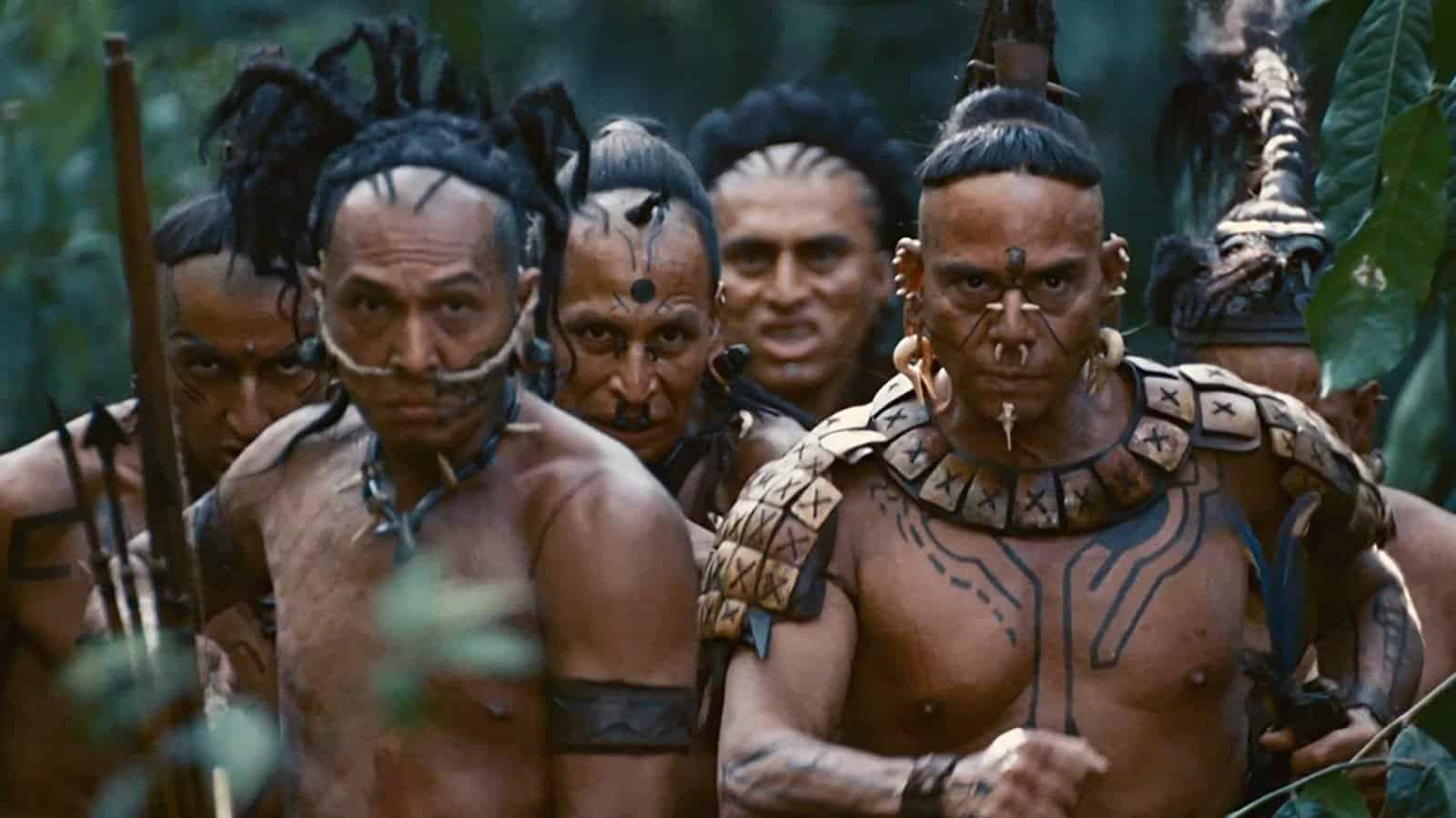
Despite recurring viral rumors, fan-made conceptual trailers, and ongoing online speculation, there is no official sequel to Mel Gibson’s 2006 historical epic Apocalypto, nor is one in development. The film was conceived and produced as a self-contained cinematic narrative, and neither Gibson nor any major production studio has greenlit an Apocalypto 2.
Debunking the Rumors: Is an Apocalypto Sequel Actually Happening?
Internet searches for an Apocalypto sequel frequently surge due to misleading content on video-sharing platforms and social media networks. Concept trailers generated by artificial intelligence tools, fan-edited teaser videos, and automated clickbait articles often claim that a follow-up film—frequently subtitled The Invasion, The Arrival, or Apocalypto II—is set for release. These videos assemble footage from unrelated historical dramas, documentary reenactments, and digital editing software to create convincing yet entirely fabricated previews.
In reality, neither Mel Gibson nor co-writer Farhad Safinia has ever announced plans to revisit the world of Apocalypto. Production entities behind the original 2006 film, including Icon Productions and Touchstone Pictures (a former distribution unit of The Walt Disney Company), never acquired or commissioned a script for a second installment. The project remains a single, standalone entry in Gibson's directorial filmography.
The persistence of these rumors stems largely from the open-ended nature of the film's climax. Viewers often interpret the final scene as a cliffhanger designed to launch a prospective franchise detailing the native resistance against European conquerors. However, from a creative and executive standpoint, the narrative arc reached its intended conclusion at the end of the original motion picture.
How the Original Ending Closed the Narrative Arc
Understanding why an Apocalypto sequel does not exist requires an examination of the original film's thematic design. Released in December 2006, Apocalypto follows Jaguar Paw (played by Rudy Youngblood), a young Mesoamerican hunter whose peaceful village is raided by Mayan warriors seeking captives for human sacrifice in a central city. After enduring captivity, a city-wide ritual, and a violent pursuit through the jungle, Jaguar Paw manages to eliminate his pursuers one by one using his intimate knowledge of the terrain.
The film reaches its dramatic turning point on the coastline. Exhausted and wounded, Jaguar Paw and his remaining pursuers emerge onto a beach, where they stop in absolute silence upon encountering anchored Spanish ships and rowboats bringing conquistadors and Franciscan friars ashore.
- Mesoamerican Forest Life
- Village Raid & Captivity
- Jungle Pursuit
- Arrival of Spanish Ships
- Return to the Forest
This sudden encounter alters the motivation of the surviving captors, who walk toward the mysterious newcomers in awe. Jaguar Paw turns away from the beach, returning to the jungle with his rescued wife, Seven (Dalia Hernández), and their children to seek a new beginning in the forest.
Thematic Resolution vs. Franchise Setup
- Internal Narrative Complete: Jaguar Paw’s primary goal was never to alter the political fate of Mesoamerica; it was to protect his family and preserve his way of life. By reuniting with his family and heading deep into the forest, his personal quest reaches a complete emotional and narrative resolution.
- Symbolism of the Climax: The arrival of the Spanish fleet serves as a historical marker representing systemic societal collapse—a thematic realization of the opening quote attributed to Will Durant: "A great civilization is not conquered from without until it has destroyed itself from within."
- Structural Intent: The final scene was designed to deliver a philosophical irony rather than set up a war epic between Mayan tribes and Spanish soldiers. The internal decay of the Mayan urban centers made them vulnerable to external arrival, completing the film's metaphor on civilizational decay.
Because the central character intentionally turns his back on the incoming colonial conflict to seek refuge in the deep forest, the film explicitly rejects the necessity of a war-focused second chapter.
Fact vs. Fiction: Rumored Plots vs. Production Realities
To clarify the surrounding speculation, the following table compares common internet rumors regarding an Apocalypto sequel against verified industry facts.
| Topic / Concept | Internet Rumor & Fan Speculation | Verified Production Reality |
|---|---|---|
| Official Announcement | Apocalypto 2 is currently filming or scheduled for release. | No official sequel has ever been announced, scripted, or greenlit by Mel Gibson or any studio. |
| Viral Trailers | Official movie trailers exist on YouTube and TikTok under titles like Apocalypto: Invasion. | Trailers are fan-made concept edits combining AI footage, third-party stock video, and clips from other films. |
| Plot Focus | Jaguar Paw leads an armed rebellion against Spanish conquistadors. | Jaguar Paw's character arc concluded with his decision to avoid contact with the newcomers and retreat into the forest. |
| Rights & Distribution | Disney or a streaming service purchased rights to produce an original series/sequel. | Icon Productions retains rights; no development agreements or streaming spin-offs have been authorized. |
| Director Involvement | Mel Gibson is secretly directing a historical follow-up in Latin America. | Mel Gibson’s confirmed directorial projects focus on entirely different historical and narrative subjects. |
Mel Gibson’s Directorial Focus and Active Projects
Rather than expanding previous works into franchises, Mel Gibson’s directorial history reflects a preference for self-contained historical dramas and distinct thematic studies. Movies such as Braveheart (1995), The Patriot (2000, directed by Roland Emmerich and starring Gibson), and Hacksaw Ridge (2016) were each crafted as individual, definitive stories without follow-up chapters.
Gibson’s directorial efforts continue to focus on independent historical, biographical, and action projects. Among his major active undertakings:
- The Passion of the Christ: Resurrection: A long-discussed follow-up to his 2004 biblical drama, focusing on the events occurring between the Crucifixion and the Resurrection. Script development and preliminary planning have taken place over several years with co-writer Randall Wallace.
- Flight Risk: A suspense thriller starring Mark Wahlberg, marking Gibson’s return to feature film directing in contemporary thriller territory.
- Lethal Weapon 5: A project Gibson agreed to direct following the passing of original director Richard Donner, honoring Donner’s creative groundwork for the long-running action franchise.
Because Gibson directs selective projects with extensive pre-production periods, his schedule has contained no allocation for a return to Mesoamerican history.
Craft, Language, and Legacy of the 2006 Film
The original Apocalypto remains a distinct achievement in contemporary cinema due to its commitment to linguistic accuracy, immersive staging, and physical action execution.
- Yucatec Maya Dialogue
- Indigenous Cast
- Location Filming in Catemaco
- Immersive Visual Storytelling
Yucatec Maya Dialogue
One of the film's most notable features was its complete execution in Yucatec Maya, spoken by an Indigenous cast. This decision required extensive language coaching on set to ensure authentic delivery. Rather than relying on English dialogue with foreign accents, the use of sub-titled Yucatec Maya enhanced the story's realism and kept audiences anchored in the world of the characters.
Practical Stunts and Location Shooting
Under the supervision of cinematographer Dean Semler, Apocalypto was shot primarily using high-definition digital cameras (the Panavision Genesis) in the dense rainforests of Catemaco and Veracruz, Mexico. The production relied heavily on practical stunts, physical set construction, and elaborate body art created by makeup designer Aldo Signoretti. The decision to avoid heavy reliance on green-screen environments gave the film a visceral quality that remains difficult to replicate.
Historical Interpretation and Debates
Upon release, Apocalypto sparked significant discussion among archaeologists, anthropologists, and Mesoamerican historians. While praised for its pacing, technical execution, and portrayal of forest survival techniques, historians pointed out creative liberties taken regarding the Maya civilization:
- Architectural & Temporal Blending: The film combined architectural elements of the Classic Maya period (such as large step-pyramid temples) with the social conditions of the Late Postclassic era.
- Depiction of Sacrifice: Mass public sacrifices shown in the central city closely resembled practices historically associated with the Aztec Empire at Tenochtitlan rather than typical Postclassic Maya urban centers.
- Civilizational Decline: Critics noted that while Postclassic Maya urban centers experienced shifts and decline, Mayan culture and communities were actively thriving across the region when European ships first arrived.
Despite these historical debates, the film gained widespread acclaim from filmmaker peers. Quentin Tarantino praised Apocalypto as a masterpiece of visual action, and Martin Scorsese commended its kinetic editing and physical storytelling.
Recommended Cinema for Fans of Apocalypto
For viewers looking for cinematic experiences that match the intensity, historical setting, immersive survival themes, or physical filmmaking of Apocalypto, several notable films offer similar qualities:
Historical Survival and Wilderness Pursuits
- The Revenant (2015): Directed by Alejandro G. Iñárritu and shot by Emmanuel Lubezki, this film features intense wilderness survival, practical location shooting, minimal dialogue, and relentless physical pursuits.
- Embrace of the Serpent (2015): Directed by Ciro Guerra, this Oscar-nominated Colombian film explores contact between Amazonian Indigenous shamans and Western explorers across two time periods, highlighting cultural preservation and environmental immersion.
Contact Era and Pre-Colonial Historical Dramas
- The New World (2005): Directed by Terrence Malick, this film offers a poetic examination of the 17th-century encounter between the Powhatan Confederacy and English settlers in Jamestown, prioritizing atmospheric detail and visual storytelling.
- Silence (2016): Directed by Martin Scorsese, this historical drama follows Jesuit priests in 17th-century Japan, examining themes of faith, cultural conflict, and survival under intense persecution.
- Kings of the Sun (1963): For historical context on classic Hollywood approaches to Mesoamerican topics, this classic film dramatizes the migration of Mayan leaders, though with the stylized conventions of its era.
Frequently Asked Questions
Why are there trailers for Apocalypto 2 on YouTube?
Trailers for Apocalypto 2 on YouTube and social media platforms are non-official, fan-made concept videos. Creators construct these videos using artificial intelligence imagery, clips from other historical films, and digital editing to generate views. Neither Mel Gibson nor any studio has released an official teaser or trailer for a sequel.
Did Jaguar Paw survive at the end of Apocalypto?
Yes. Jaguar Paw successfully escaped his pursuers in the jungle, rescued his pregnant wife Seven and child from the water-filled pit, and witnessed the arrival of Spanish ships on the beach. He chose not to approach the newcomers, instead leading his family deeper into the forest to start a new life.
Will Mel Gibson ever direct a movie set in the Maya culture again?
Mel Gibson has not expressed any intent to revisit Maya history or Mesoamerican settings in future film projects. His current directorial interests center on biblical history, modern action-thrillers, and established franchises such as Lethal Weapon.
Where was the original Apocalypto filmed?
The film was shot primarily on location in Mexico, including the jungle regions of Catemaco and the surrounding areas in the state of Veracruz. Additional scenes and set builds were constructed near Paso de Ovejas and San Andrés Tuxtla.
Is Apocalypto based on a true story?
Apocalypto is a fictional survival story set against a historical backdrop. While the film incorporates real aspects of Mesoamerican culture, such as Yucatec Maya dialogue, forest survival techniques, and traditional body adornment, the characters and specific storyline of Jaguar Paw are completely fictional.
Summary and Final Recommendation
If you encounter videos, news articles, or social media posts advertising Apocalypto 2, treat them as unverified fan content or clickbait. The 2006 film was written and structured as a complete, single-volume story that standalone film history continues to treat as finished.
For moviegoers seeking similar narrative experiences, explore verified historical survival cinema such as Embrace of the Serpent, The Revenant, or The New World, which offer authentic location work, deep cultural immersion, and visual storytelling.