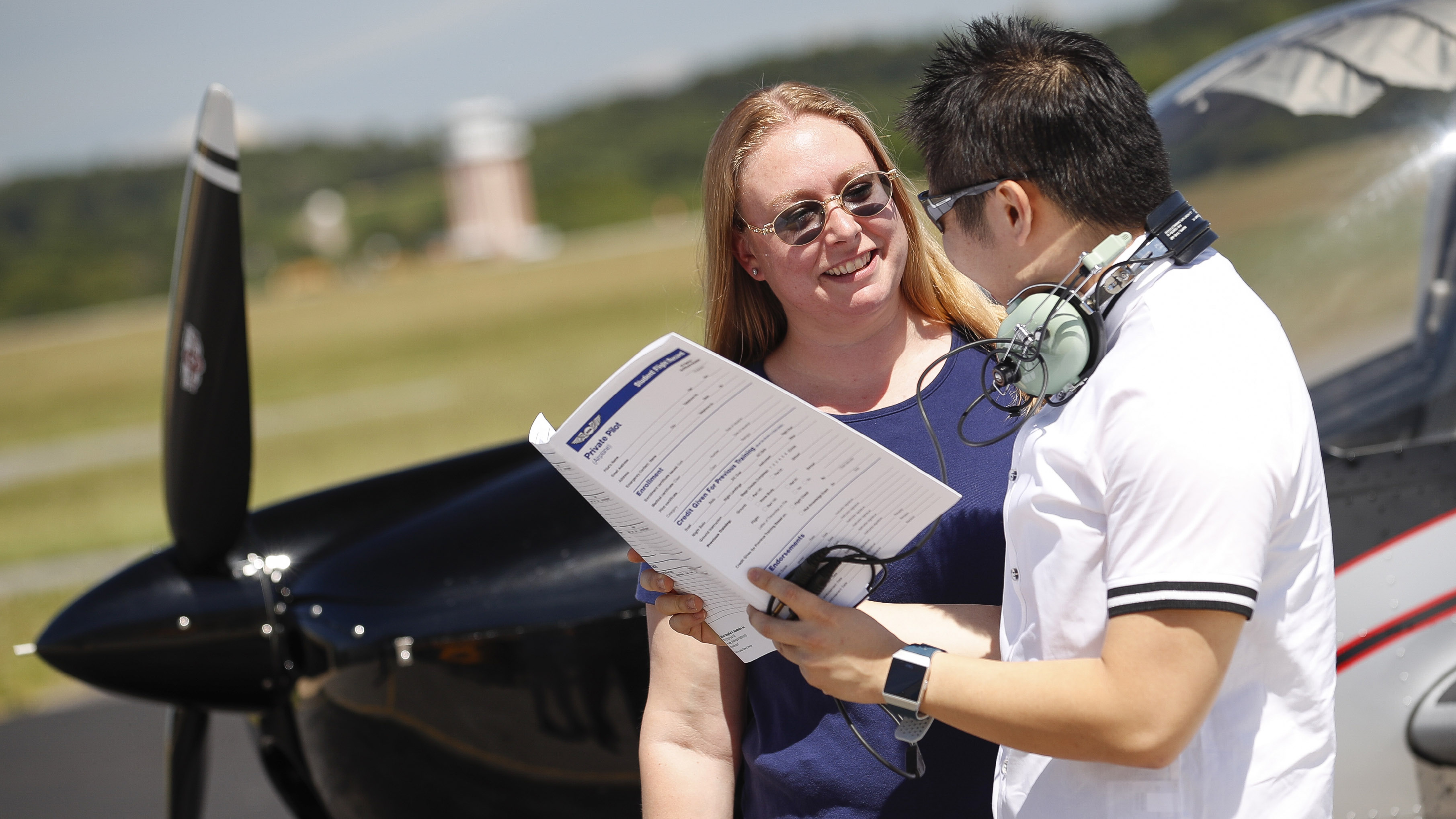
The AOPA Flight Training Loan, offered through a partnership with specialized lenders like Stratus Financial, is a flexible, unsecured line of credit designed to cover the high costs of pilot certification. It allows student pilots to borrow between $5,000 and $100,000 to fund everything from a Private Pilot License to advanced commercial ratings with various repayment terms.
Flight training is a significant financial undertaking that often requires more liquid capital than the average student has on hand. While traditional banks frequently struggle to understand the nuances of aviation education—often viewing it as a high-risk hobby rather than a career investment—the Aircraft Owners and Pilots Association (AOPA) has established a financing framework that bridges this gap. By the year 2026, the cost of earning a Private Pilot License (PPL) typically ranges from $12,000 to $20,000, while a full professional pilot track can exceed $100,000. Understanding how the AOPA Flight Training Loan functions is essential for any aspiring aviator looking to manage these costs without exhausting their personal savings.
The Nature of the AOPA Flight Training Loan
The primary distinction of the AOPA loan program is that it is an unsecured line of credit. In the world of finance, "unsecured" means the borrower does not have to put up collateral, such as a home or a vehicle, to back the loan. For young flight students or those in transition between careers, this is a critical feature because they may not yet have significant assets to leverage.
Because the loan operates as a line of credit rather than a lump-sum disbursement, it offers a high degree of flexibility. When you are approved for a specific amount, say $20,000 for your instrument rating and commercial certificate, you do not start paying interest on the full amount immediately. Instead, you "draw" from the line of credit as you receive invoices from your flight school. This "pay-as-you-go" model ensures that you are only accumulating interest on the funds you have actually used to pay for flight hours, instructor fees, and ground school.
In 2026, AOPA continues its long-standing tradition of partnering with lenders who specialize in aviation. These lenders understand that flight training is not a linear process; weather, mechanical issues, and examiner availability can cause delays. The loan structure reflects this, often providing a grace period or interest-only payment options during the intensive phases of training.
Eligibility and Prerequisites for Borrowers
Securing an AOPA Flight Training Loan requires meeting specific financial and membership criteria. Because the loan is unsecured, the lender takes on more risk, which naturally leads to stricter eligibility requirements compared to a car loan or a mortgage.
Credit Score and Financial History
A solid credit profile is the most important factor in the approval process. While the minimum score required can vary based on market conditions in 2026, borrowers generally need a "Good" to "Excellent" credit rating (typically 660 or higher) to be considered. Lenders look closely at your Debt-to-Income (DTI) ratio, which measures how much of your monthly income goes toward paying off existing debts. If your DTI is too high, it suggests that adding a flight training loan payment might lead to financial distress.
AOPA Membership
As the name suggests, this program is a benefit for members of the Aircraft Owners and Pilots Association. While you can often start the application process without a membership, you will generally be required to join AOPA before the loan is finalized. AOPA membership provides more than just access to loans; it offers legal services, insurance, and a massive repository of educational resources that support a student’s journey through the FAA's rigorous testing standards.
Residency and Legal Status
The program is primarily designed for U.S. citizens and permanent residents. International students seeking to train in the United States may find it difficult to secure this specific loan without a U.S.-based co-signer who meets all the credit and residency requirements.
What the Loan Covers: Beyond Flight Hours
One of the most common mistakes student pilots make is underestimating the "hidden" costs of flight training. The AOPA Flight Training Loan is comprehensive, meaning it is not limited strictly to the hourly rental of an airplane.
- Instructor Fees: Whether for primary instruction or specialized advanced training, these hourly rates are covered.
- Ground School and Books: The theoretical portion of flight training involves textbooks, online courses, and physical tools like E6B flight computers and plotters.
- Aviation Gear: Essential equipment such as noise-canceling headsets, flight bags, and iPad subscriptions (for ForeFlight or similar electronic flight bags) can be financed.
- FAA Written and Practical Exams: These fees can be substantial, often costing several hundred dollars for a single checkride with a Designated Pilot Examiner (DPE).
- Travel and Lodging: If you are attending an accelerated flight program far from home, certain loan structures allow for the inclusion of living expenses associated with the training.
By covering these peripheral costs, the loan ensures that a student’s progress isn't stalled by a sudden $800 bill for a checkride or a $1,000 bill for a new headset.
The Application Process: Step-by-Step
Navigating the application for an AOPA Flight Training Loan is a structured process that requires coordination between the borrower, the lender, and the flight school.
Step 1: Pre-Qualification
Most lenders provide a "soft credit pull" option that allows you to see if you are likely to be approved and what your estimated interest rate might be. This does not impact your credit score and is a vital first step in determining your budget.
Step 2: Selecting a Flight School
The lender will need to verify that you are training at a reputable flight school. While AOPA-backed loans are generally flexible regarding Part 61 vs. Part 141 schools, the school must be willing to work with the lender’s payment disbursement system.
Step 3: Formal Application and Documentation
Once you move past pre-qualification, you will need to provide proof of income (such as W-2s or tax returns), identification, and a training cost estimate from your flight school. If you are using a co-signer, they will need to provide the same level of documentation.
Step 4: Approval and Fund Disbursement
Upon approval, the funds are established as a line of credit. In many cases, the lender pays the flight school directly based on the invoices you approve. This adds a layer of security, ensuring the funds are used exclusively for their intended purpose.
Comparing Aviation Financing Options
To make an informed decision, it is helpful to compare the AOPA/Stratus Financial offering with other common ways pilots fund their education.
| Feature | AOPA Flight Training Loan | Traditional Personal Loan | Federal Student Loan (Title IV) | Credit Card |
|---|---|---|---|---|
| Interest Rates | Competitive (Variable/Fixed) | Generally High | Low (Fixed) | Very High |
| Collateral | None (Unsecured) | Usually None | None | None |
| Specialization | Aviation-Focused | Generic | Academic Only | Generic |
| Max Amount | Up to $100,000 | Varies (often lower) | Varies by school | Credit Limit |
| Repayment | Flexible/Line of Credit | Immediate Monthly | Deferred until after graduation | Monthly Minimum |
| Eligibility | AOPA Members | Credit Score Dependent | Accredited Universities Only | Credit Score Dependent |
Note: Federal Student Loans are typically only available if the flight training is part of a degree-granting program at an accredited university.
The Role of a Co-signer
For many young students, the hurdle of an "unsecured" loan is the lack of a substantial credit history. This is where a co-signer becomes vital. A co-signer—usually a parent, relative, or mentor—agrees to take equal responsibility for the debt.
From the lender's perspective, a co-signer with a high credit score and steady income significantly reduces the risk of default. For the student, this often results in a lower interest rate and a higher borrowing limit. However, it is a serious commitment; if the student fails to make payments, the co-signer’s credit score will be damaged, and they will be legally obligated to repay the loan. In the 2026 lending environment, having a co-signer is often the difference between a 15% interest rate and an 8% interest rate.
Strategies to Improve Approval Odds
If you are concerned about your eligibility for an AOPA Flight Training Loan, there are several steps you can take to strengthen your application before applying.
- Lower Your DTI: Pay down existing credit card balances or small personal loans. This increases your "disposable" income in the eyes of the lender.
- Verify Your Medical Certificate: Before taking out a large loan, ensure you can hold at least a Third-Class FAA Medical Certificate. Lenders are more confident when they know a physical ailment won't ground you halfway through your training.
- Create a Training Plan: Presenting a clear syllabus and a realistic timeline from your flight school shows the lender that you are a serious student with a path to completion.
- Save a Down Payment: Even if the loan covers 100% of the cost, having some cash on hand for the first few lessons shows financial stability.
Pros and Cons of Using the AOPA Loan Program
Every financial product has trade-offs. While the AOPA loan is a premier choice for many, it is important to weigh the benefits against the potential drawbacks.
Advantages
- Industry Knowledge: The lenders speak "aviation." They understand that a student needs more money during the "solo" phase or when preparing for a checkride.
- No Prepayment Penalties: Most AOPA-backed loans allow you to pay off the balance early without fees. This is a massive benefit if you secure a high-paying pilot job sooner than expected.
- Speed: The approval process is often much faster than traditional bank loans, sometimes providing an answer within 24 to 48 hours.
Disadvantages
- Interest Rates: Because these loans are unsecured, the interest rates will always be higher than a mortgage or a secured home equity line of credit (HELOC).
- Membership Requirement: You must maintain an active AOPA membership, which carries its own annual cost.
- Credit Sensitivity: Small fluctuations in your credit score during the draw period can sometimes affect your ability to access the remainder of your line of credit.
Frequently Asked Questions
Can I use the AOPA loan for a flight simulator?
Yes, if the simulator training is part of an approved curriculum at your flight school and is billed through the school, the loan can typically cover these costs. Modern flight training relies heavily on Advanced Aviation Training Devices (AATDs) to reduce costs and improve safety.
Is there a minimum loan amount?
Generally, the minimum amount for an AOPA Flight Training Loan is $5,000. This makes it a viable option even for pilots who only need to finish a specific rating rather than starting from scratch.
What happens if I stop my training before using the full loan?
Since the loan functions as a line of credit, you only owe what you have already spent. If you decide to stop training, you simply stop drawing funds. You will be responsible for repaying the principal and interest on the amount used, but the remaining "limit" on your line of credit will simply expire or remain unused.
Are interest payments on flight training loans tax-deductible?
In most cases, no. Unlike Title IV federal student loans used for university degrees, private aviation loans are generally not eligible for the student loan interest deduction. You should consult a tax professional regarding your specific situation in 2026.
Does the loan cover helicopter training?
Yes, the AOPA loan program is generally applicable to both fixed-wing (airplane) and rotary-wing (helicopter) training, provided the flight school meets the lender's criteria.
Next Steps and Recommendations
If you are ready to move forward with your aviation goals, the first step is to perform an honest assessment of your financial health. Download your credit report and calculate your monthly expenses. If your credit is in good standing, visit the AOPA website to review the current terms offered by their lending partners for 2026.
Before signing any loan agreement, schedule a meeting with your chosen flight school's chief instructor. Ensure they are familiar with the AOPA loan disbursement process and that they can provide the necessary documentation to the lender. By combining a solid financial plan with a dedicated training schedule, you can minimize the time spent in the "student" phase and accelerate your journey toward the cockpit.