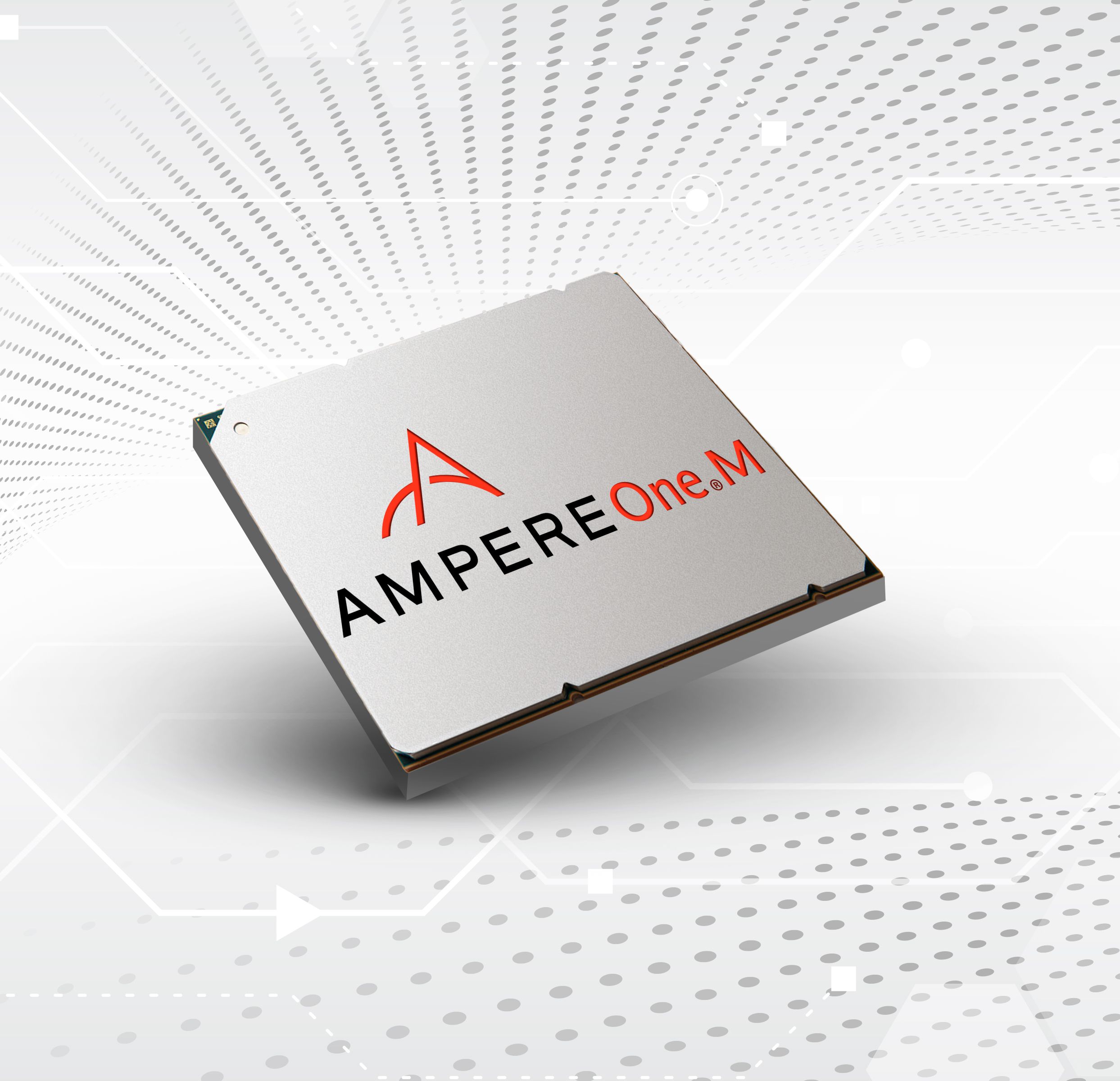
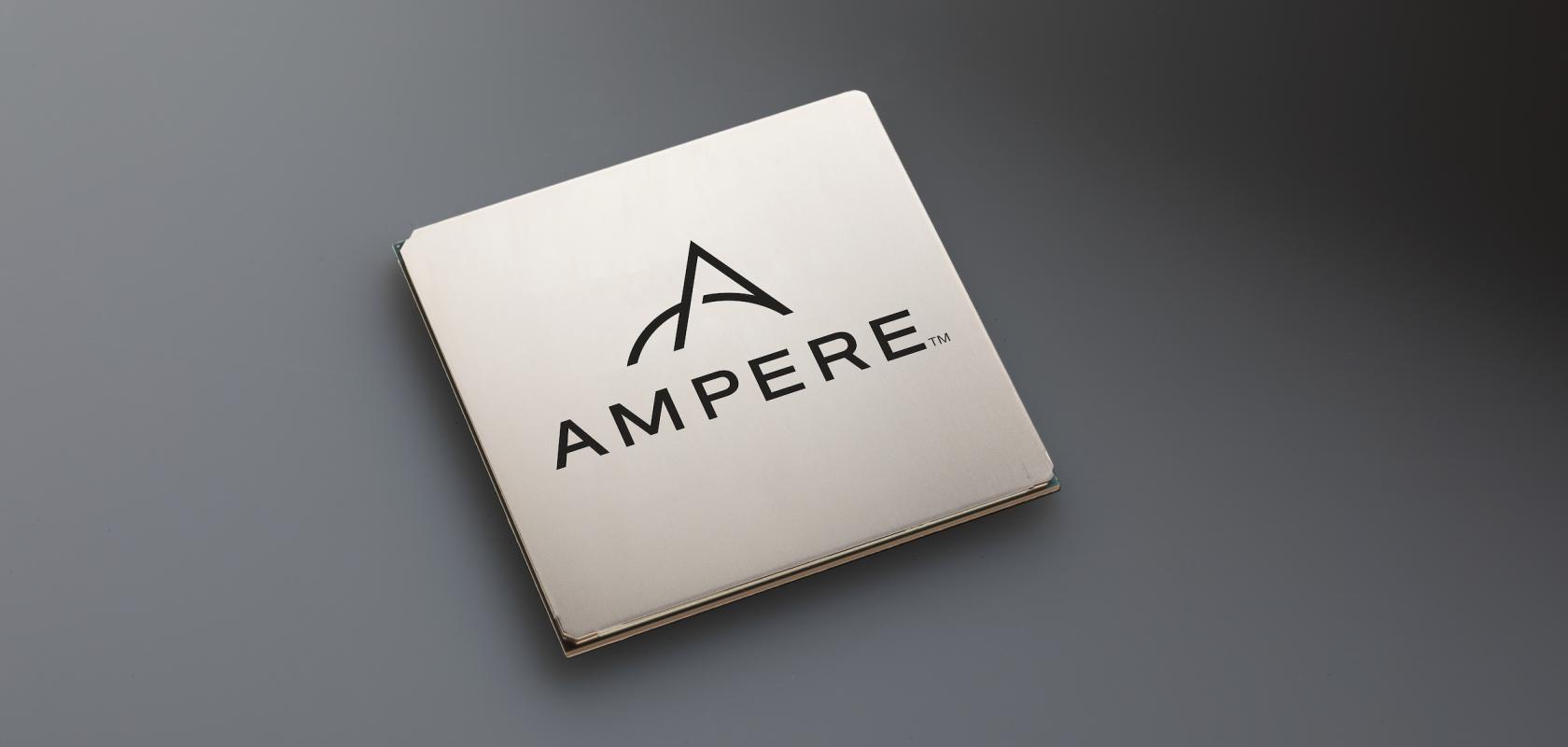
Ampere Technologies has carved a distinct and formidable path in the semiconductor industry by focusing on high-core-count, high-energy-efficiency ARM-based processors. As artificial intelligence workloads demand unprecedented computational power while straining global power grids, Ampere positions its specialized hardware as a sustainable, high-performance alternative to traditional x86 architectures. By rethinking silicon design for modern cloud-native environments and scalable machine learning inference, the company addresses the core infrastructure bottlenecks facing modern data centers.
The Evolution and Vision of Ampere Technologies
Founded to challenge the status quo of legacy data center processors, Ampere Technologies identified a structural shift in enterprise computing. Traditional processors prioritized single-thread performance, which led to thermal design power (TDP) escalation and severe energy constraints in hyperscale data centers. Ampere realized that cloud computing, microservices, and modern artificial intelligence rely instead on massive parallelism, predictable latency, and extreme power efficiency.
The company's leadership team, drawing on decades of semiconductor design experience, chose the ARM architecture as the foundation for its product roadmap. Unlike legacy instruction set architectures, ARM's reduced instruction set computer (RISC) design allows for highly modular, power-optimized processor cores. Ampere took this foundation and engineered it specifically for the enterprise environment, creating a product line capable of handling demanding virtualization, database management, and intensive machine learning workloads without the thermal penalties associated with older chip designs.
Core Architecture: The Ampere Approach to Silicon Design
At the heart of Ampere's success is its departure from traditional multi-core scaling models. Legacy architectures often rely on complex simultaneous multithreading (SMT) to squeeze performance out of a limited number of physical cores. In contrast, Ampere processors utilize single-threaded cores deployed in massive quantities on a single silicon die.
| Architectural Feature | Traditional x86 Data Center Processors | Ampere Cloud-Native Processors |
|---|---|---|
| Core Architecture | Complex instruction set with SMT | Streamlined, single-thread ARM cores |
| Core Count Scaling | Moderate (typically 32 to 128 per socket) | High (up to 192+ cores per socket) |
| Power Efficiency | Higher thermal design power per core | Optimized for low power per core |
| Workload Focus | General-purpose and legacy enterprise apps | Cloud-native, microservices, and AI inference |
This high-core-count philosophy delivers distinct operational advantages. By dedicating a physical core to each thread, cloud service providers and enterprise users experience highly predictable performance. There is no resource contention on shared execution units, which drastically reduces latency jitter—a critical requirement for large-scale AI applications and real-time inference pipelines.
Furthermore, Ampere designs its silicon with deterministic performance in mind. When a cloud tenant or an AI model execution container runs on an Ampere core, it receives dedicated compute resources. This architecture eliminates the noisy-neighbor effect common in multi-tenant cloud environments, ensuring consistent execution times for complex machine learning models.
Ampere’s Role in the Artificial Intelligence and Machine Learning Ecosystem
While graphics processing units (GPUs) remain the undisputed workhorses for heavy model training, the artificial intelligence landscape places equal demand on inference—the phase where trained models process live data to make predictions or generate outputs. AI inference occurs at massive scale across cloud environments, making power consumption and throughput critical economic factors for enterprise deployment.
Ampere processors tackle the AI inference challenge through several key mechanisms:
- High Throughput via Core Density: With up to 192 cores in a single socket, Ampere Altra and AmpereOne processors can execute multiple concurrent inference streams without relying on specialized accelerators for lighter models.
- Vector Extension Support: Integration of advanced vector extensions enables processors to handle matrix multiplication and floating-point operations natively, accelerating framework execution for frameworks like TensorFlow and PyTorch.
- Energy-Per-Inference Optimization: By maximizing performance per watt, Ampere chips lower the total cost of ownership (TCO) for deploying large language models, recommendation engines, and computer vision systems at scale.
Rather than competing directly with high-end discrete GPUs for frontier model training, Ampere positions its processors as the foundational CPU infrastructure that orchestrates AI pipelines, handles data preprocessing, and runs efficient CPU-based inference engines. This hybrid approach allows data centers to balance cost, performance, and sustainability.
Software Ecosystem and Developer Enablement
Designing breakthrough silicon is only half the battle in the modern semiconductor market; the software ecosystem must support the hardware natively. Ampere Technologies invests heavily in ensuring that the broader open-source software stack runs seamlessly on its ARM-based processors.
The transition from x86 to ARM historically presented compatibility challenges for enterprise software. Ampere addressed this by collaborating closely with major Linux distributions, containerization platforms, and AI framework developers. Today, mainstream operating systems like Ubuntu, Red Hat Enterprise Linux, and Debian offer native packages optimized for Ampere silicon.
In the AI domain, Ampere works with core ecosystem projects to ensure that runtimes, libraries, and compilers take full advantage of Ampere's vector instructions and memory bandwidth. Developers can deploy standard containerized AI workloads using Docker and Kubernetes without rewriting application logic, as CI/CD pipelines increasingly support multi-architecture builds out of the box.
Sustainability and the Green Data Center Imperative
As global data center electricity consumption surges due to the rapid expansion of artificial intelligence infrastructure, operators face mounting regulatory pressure and economic incentives to curb carbon emissions. Power usage effectiveness (PUE) and thermal management have become board-level concerns.
Ampere Technologies addresses this challenge directly through extreme power efficiency. By delivering high computational throughput within strict thermal envelopes, Ampere processors allow data centers to pack more compute power into existing floor space without upgrading legacy cooling infrastructure or exceeding local power grid capacities.
This efficiency translates into tangible sustainability metrics:
- Lower baseline power consumption per rack.
- Reduced need for energy-intensive liquid cooling systems for standard compute nodes.
- Decreased scope 2 carbon emissions for hyperscalers and colocation facilities relying on Ampere hardware.
Comparison: Ampere in the Modern Datacenter Landscape
Evaluating Ampere processors requires examining how they fit alongside traditional CPU vendors and specialized accelerators. The semiconductor market is no longer a monolith; it is a heterogeneous ecosystem where specialized processors handle distinct tiers of enterprise workloads.
While traditional x86 processors maintain strong compatibility advantages for legacy enterprise software that has not been ported to ARM, they often lag in power efficiency at high core densities. Conversely, while GPUs dominate heavy AI training, they are cost-prohibitive and overly power-hungry for running lightweight inference tasks or managing general cloud infrastructure. Ampere occupies the strategic middle ground: delivering dense, power-efficient general-purpose and AI-inference compute that complements accelerators rather than merely duplicating them.
Frequently Asked Questions
What is Ampere Technologies?
Ampere Technologies is a semiconductor company that designs high-performance, high-core-count, energy-efficient ARM-based processors specifically engineered for cloud-native data centers and artificial intelligence workloads.
Are Ampere processors used for AI training or AI inference?
Ampere processors are primarily utilized for AI inference, data preprocessing, and orchestrating machine learning pipelines. While they can run lightweight models natively, heavy frontier model training typically requires dedicated GPUs or specialized accelerators working alongside Ampere CPUs.
Why do Ampere chips use the ARM architecture?
The ARM instruction set architecture allows Ampere to design streamlined, single-threaded cores that consume significantly less power than complex x86 architectures while scaling to massive core counts per socket.
Do standard AI frameworks run on Ampere processors?
Yes. Major AI and machine learning frameworks, including PyTorch and TensorFlow, offer native support and optimization for ARM-based Linux environments, allowing seamless deployment via standard containers.
How do Ampere processors improve data center sustainability?
Ampere processors deliver high computational throughput per watt, allowing data centers to process more workloads while consuming less electricity and reducing overall cooling requirements.
Practical Next Steps for Enterprise Evaluation
Organizations looking to integrate Ampere-based infrastructure into their cloud or AI pipelines should begin by auditing their current workload distribution. Benchmarking containerized microservices and AI inference tasks on ARM-based cloud instances—offered by major hyperscalers such as Oracle Cloud Infrastructure, Google Cloud, and Microsoft Azure—provides empirical performance and cost data. Collaborating with software vendors to verify ARM native support for proprietary applications ensures a smooth migration path toward lower power consumption and higher operational efficiency.