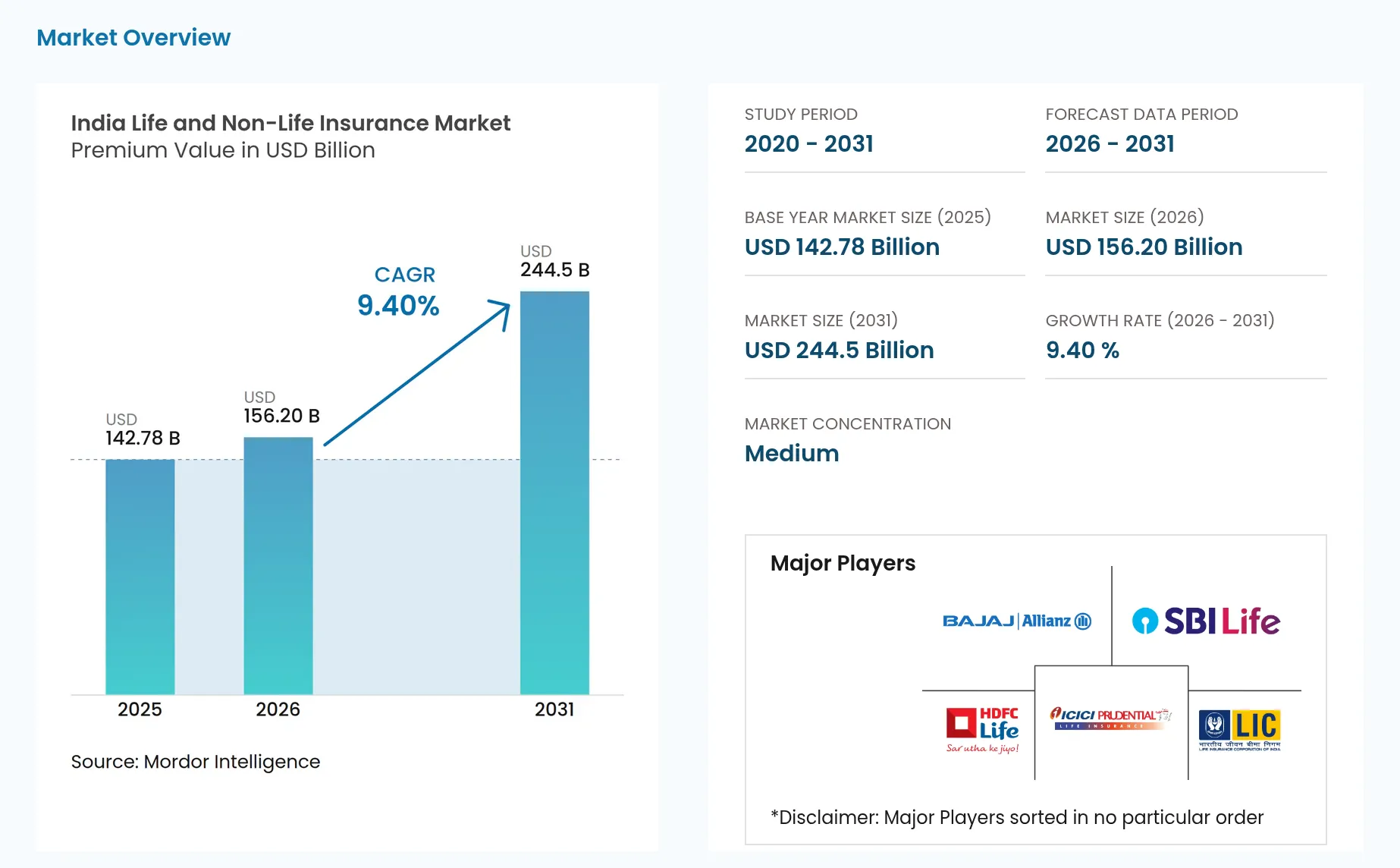
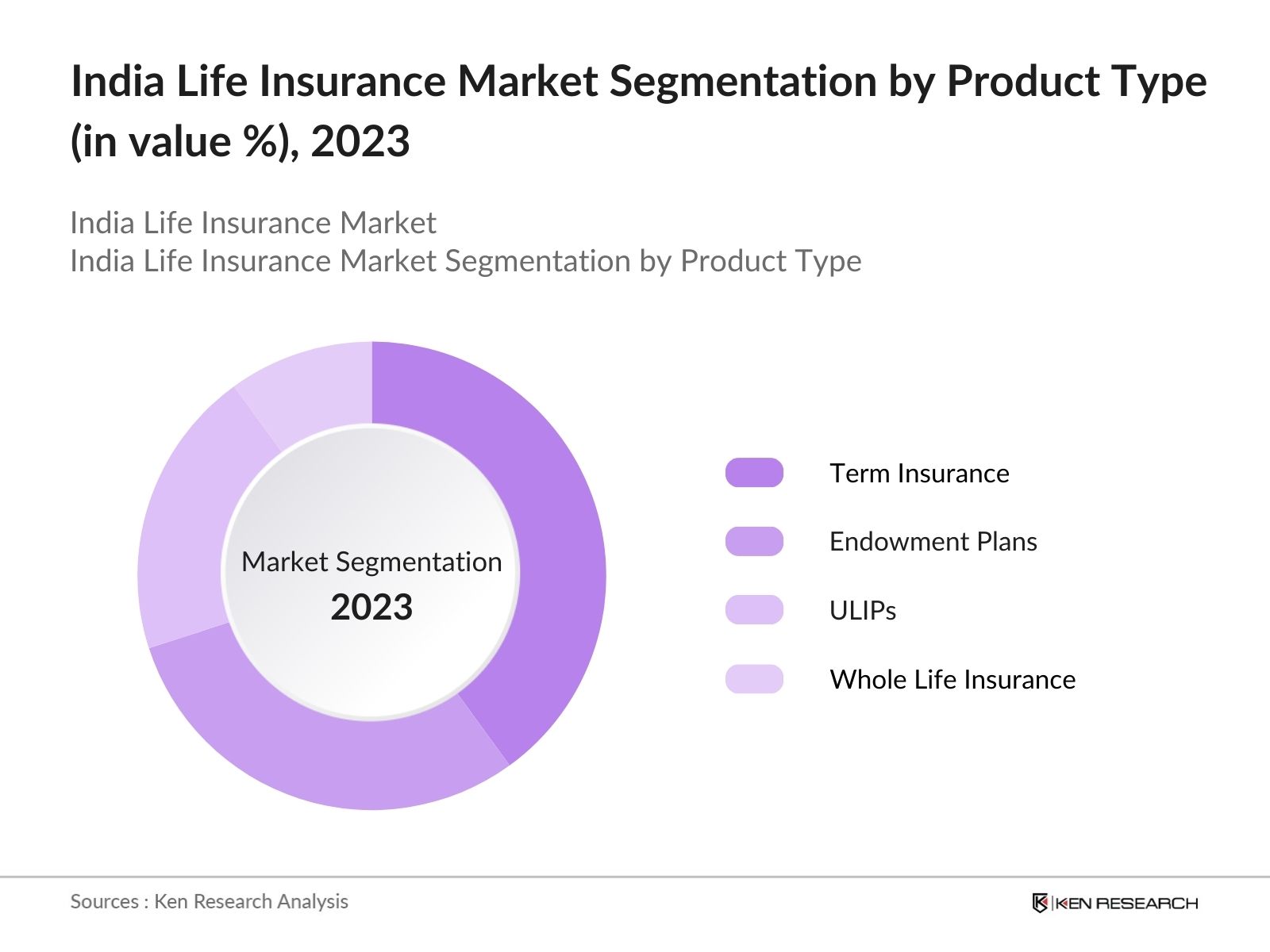
AMP Sanmar Life Insurance represents a significant chapter in the liberalization of the Indian insurance sector, illustrating the early entry, strategic joint ventures, and subsequent consolidation phases that characterized the market following the passage of the Insurance Regulatory and Development Authority (IRDA) Act in 1999. Formed as a partnership between Australia’s AMP Limited and India’s Sanmar Group, the company navigated the complex regulatory landscape of the early 2000s before shifting its ownership structure and eventually merging into what is known today as HDFC Life. Analyzing this entity offers valuable insight into how foreign capital and local industrial houses collaborated to establish private life insurance operations in India.
The Regulatory Background and Market Entry of AMP Sanmar
Following the recommendations of the Malhotra Committee report, the Indian government enacted the IRDA Act in 1999, officially ending the state monopoly held by the Life Insurance Corporation of India (LIC) and opening the doors to private sector participation. Foreign direct investment (FDI) was capped at 26 percent, compelling global insurance giants to seek robust domestic partners with established networks, capital strength, and deep understanding of Indian business culture.
The Sanmar Group, a prominent Chennai-based industrial conglomerate with diversified interests in chemicals, shipping, and engineering, partnered with AMP Limited, one of Australia and New Zealand's largest wealth management and life insurance institutions. This alliance led to the creation of AMP Sanmar Life Insurance Company Limited. The joint venture aimed to combine AMP’s global actuarial expertise, product design methodologies, and risk management frameworks with Sanmar’s regional brand equity and distribution insights in southern India.
Strategic Objectives of the Joint Venture
The primary rationale behind the establishment of AMP Sanmar Life Insurance was to capture a segment of a vastly underinsured Indian population. At the turn of the millennium, life insurance in India was predominantly viewed as a tax-saving instrument rather than a dynamic financial planning tool. The joint venture sought to introduce:
- Customer-centric product designs tailored to various life stages.
- Advanced agency training programs to build a professional sales force.
- Technology-driven policy administration systems to reduce processing times.
- Transparent disclosure practices aligning with international standards.
Product Portfolio and Market Positioning
During its operational years in the Indian market, AMP Sanmar developed a suite of products intended to cater to different risk appetites and financial planning requirements. While traditional endowment and whole-life policies dominated the Indian insurance landscape at the time, the company also laid groundwork for unit-linked insurance plans (ULIPs) as regulatory frameworks evolved.
Core Product Offerings
The product strategy relied heavily on balancing guaranteed returns with market-linked growth opportunities:
- Traditional Endowment Plans: Designed for risk-averse policyholders seeking guaranteed maturity benefits alongside life cover, these plans formed the bread and butter of agency-driven sales.
- Term Assurance Policies: Pure protection plans offering high sum assured values at competitive premium rates, aimed at breadwinners seeking financial security for their dependents.
- Child Education and Retirement Plans: Specialized endowment and accumulation products structured around specific milestone goals, helping families systematically save for higher education and post-retirement expenses.
Evolution, Ownership Shifts, and Acquisition by Reliance and HDFC
The life insurance business is capital-intensive, requiring sustained investments in branch expansion, technology infrastructure, and agency recruitment before achieving operational break-even. Like many first-wave private life insurers in India, AMP Sanmar faced the challenge of high customer acquisition costs and extended timelines for profitability.
As AMP Limited reviewed its international operations and global strategic priorities, it decided to divest its stake in various overseas insurance joint ventures. Consequently, ownership dynamics shifted. The company transitioned through different phases, including rebranding phases and stake acquisitions, most notably involving the Reliance Anil Dhirubhai Ambani Group (ADAG), which acquired stakes before the business eventually found its way into consolidation with Max New York Life or subsequent restructuring pathways.
Ultimately, the lineage of various early joint ventures merged or reorganized within the rapidly consolidating private insurance sector. The operational assets, customer base, and agency networks built during the AMP Sanmar era were absorbed into broader entities, contributing to the foundations of some of the leading private life insurers operating in India today, such as HDFC Life.
Comparative Overview of Early-Era Private Insurers in India
To understand where AMP Sanmar stood, it is helpful to examine the landscape of early private market entrants under the 26 percent FDI cap framework.
| Insurer Joint Venture | Foreign Partner | Indian Partner | Current Status / Successor Entity |
|---|---|---|---|
| AMP Sanmar Life Insurance | AMP Limited (Australia) | Sanmar Group | Absorbed / Restructured into private market successors (e.g., HDFC Life lineage) |
| HDFC Standard Life | Standard Life (UK) | HDFC Limited | HDFC Life Insurance Company Limited |
| ICICI Prudential Life | Prudential plc (UK) | ICICI Bank | ICICI Prudential Life Insurance Company |
| Max New York Life | New York Life (US) | Max India | Max Life Insurance Company |
Impact on the Modern Indian Insurance Ecosystem
Though the brand name "AMP Sanmar" no longer issues new policies in the contemporary market, its operational footprint left a permanent mark on the industry. Several key contributions emerged from this era:
- Professionalization of Agency Forces: The introduction of structured training modules by foreign-backed joint ventures forced the entire industry, including LIC, to upgrade agent education and customer service standards.
- Actuarial Rigor: The integration of international actuarial practices improved reserving standards and risk assessment methodologies across the board.
- Consumer Awareness: Early marketing campaigns by private insurers elevated financial literacy regarding the necessity of pure risk protection and long-term wealth accumulation.
Frequently Asked Questions
What happened to existing policyholders of AMP Sanmar Life Insurance?
Policies issued by AMP Sanmar remain fully honored. Following corporate acquisitions, restructuring, and regulatory approvals, liabilities and policy contracts were transferred to successor entities. Policyholders retain their original benefits, terms, and conditions under the administration of the acquiring institution.
Is the AMP Sanmar brand still active in India?
No. The brand is no longer active in the active insurance underwriting market. The joint venture dissolved its original structure years ago, and its business operations were integrated into larger, established private life insurance players in India.
How can current policyholders verify the status of an old policy?
Policyholders holding legacy documents referencing early joint ventures should consult the customer service portals of the major private insurers that absorbed those portfolios, or reach out directly to the Insurance Regulatory and Development Authority of India (IRDAI) grievance redressal channels for guidance on tracing legacy policies.
What caused foreign partners like AMP to exit the Indian market?
Many international financial institutions adjusted their global strategies in the mid-2000s, choosing to focus on core domestic markets or regions where they held dominant positions, leading them to divest their minority stakes in capital-intensive overseas joint ventures.
Conclusion and Next Actions
For researchers, historians, and legacy policyholders examining the evolution of Indian financial services, understanding AMP Sanmar Life Insurance provides essential context on how the private insurance market matured. If you hold physical documents or policy certificates bearing the AMP Sanmar name, the recommended course of action is to contact industry regulatory helplines or major private life insurance customer service desks to verify policy migration records and ensure all contact details are updated.