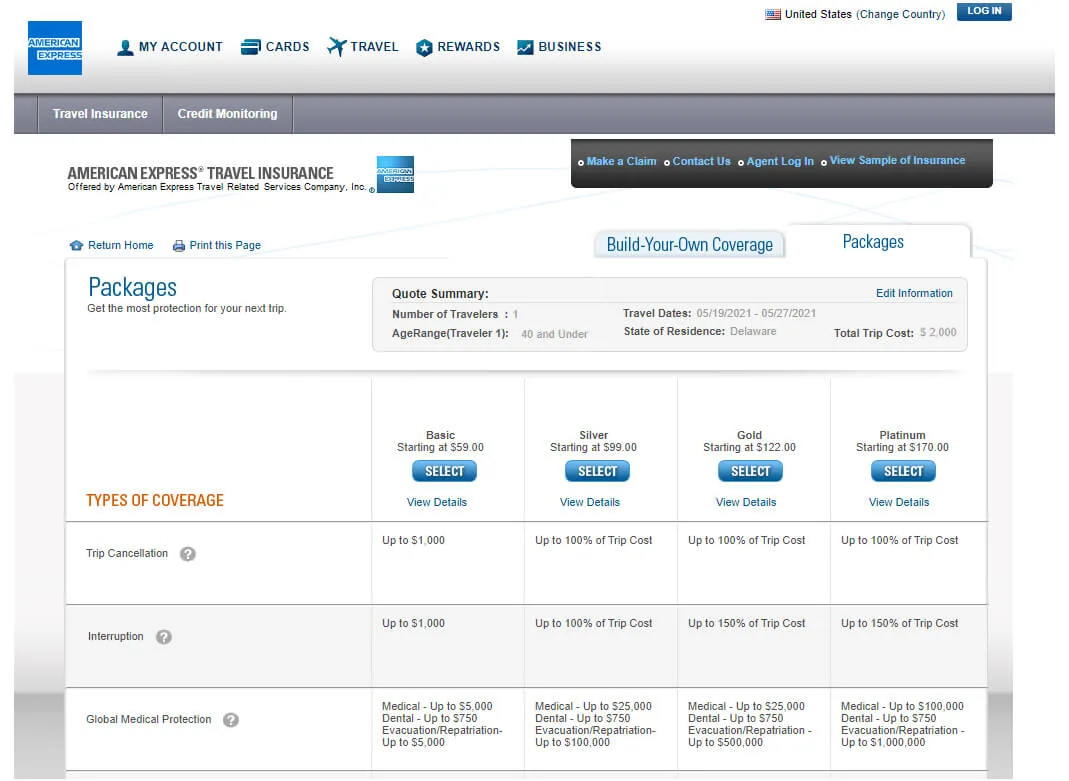
American Express Trip Interruption Insurance provides reimbursement for non-refundable, prepaid travel expenses when a covered trip is interrupted or curtailed by specific unforeseen events, such as severe weather, accidental injury, or jury duty. Coverage is a complimentary benefit included with eligible premium credit cards, provided the cardholder charges the full cost of the common carrier fare to their account.
Defining Trip Interruption Coverage
Trip interruption insurance is designed to protect your financial investment in a vacation or business trip. Unlike Trip Cancellation insurance, which applies before you depart, Trip Interruption coverage triggers once your journey has commenced. It covers the portion of your travel costs that you have already paid but cannot use because you are forced to return home early or extend your stay due to a covered peril.
For American Express cardholders, this coverage acts as a secondary layer of protection, meaning it generally covers expenses not reimbursed by the common carrier (such as an airline or cruise line) or other insurance policies. Understanding that this is a "supplementary" benefit is critical; you are expected to exhaust your options with the travel provider first.
Eligibility Requirements and Prerequisites
Not every American Express card includes Trip Interruption insurance. This benefit is typically reserved for premium cards, such as The Platinum Card or the Marriott Bonvoy Brilliant American Express Card. You must verify if your specific product offers this protection by reviewing your card’s "Guide to Benefits."
To trigger eligibility, you must meet the following criteria:
- The Booking Requirement: You must charge the entire cost of the common carrier ticket to your eligible American Express account. This includes payments made with points if the taxes and fees were paid on the card.
- The Definition of a "Covered Trip": The trip must have a defined departure and return date and must not exceed a specific duration (often 365 days, though this varies by policy).
- Common Carrier Requirement: Coverage applies specifically to travel via commercial airlines, cruise lines, or trains. Personal vehicle travel is generally excluded from this specific benefit.
Covered Reasons for Interruption
American Express policies strictly define the events that qualify for a claim. Common covered perils include:
- Accidental Injury or Sickness: You, your traveling companion, or an immediate family member (even if not traveling with you) suffers a sudden, unforeseen illness or injury that is documented by a licensed physician.
- Severe Weather: Adverse weather conditions that prevent a common carrier from operating for a specified period (typically 48 hours or more).
- Jury Duty or Subpoena: Being summoned for legal service that cannot be postponed.
- Government Restrictions: Mandatory evacuations or government-issued travel warnings regarding the destination that occur after the trip is booked.
It is vital to note that "disinclination to travel" or pre-existing conditions—which are defined as medical issues for which you received treatment in the 60 days prior to booking—are almost universally excluded.
The Financial Scope of Coverage
The maximum benefit amount is capped per trip and typically has an annual aggregate limit. In 2026, many premium American Express products offer up to $10,000 per trip, with an annual cap of $20,000.
This coverage reimburses the non-refundable portion of your unused travel arrangements. If you are forced to cut a trip short, the policy may also cover the cost of a one-way economy fare to return to your point of origin, provided the original return ticket is unusable.
| Feature | Typical Coverage Details |
|---|---|
| Max Benefit per Trip | Usually $10,000 |
| Annual Limit | Often $20,000 |
| Common Carrier | Airlines, trains, cruise lines only |
| Secondary Status | Applies after carrier/other insurance |
| Deductible | Generally $0, depending on the specific card |
Steps to Initiate a Claim
If an interruption occurs, you must act systematically to preserve your right to a claim. Time is of the essence, as many policies require notification within 20 days of the event.
- Mitigate Losses: Before canceling anything, contact your airline, hotel, or cruise line to request refunds or travel credits. You will need proof of these attempts for your claim.
- Collect Documentation: Obtain medical reports if the interruption is health-related, or get a written statement from the airline if the cancellation was weather-induced. Keep every receipt for additional expenses incurred during the interruption.
- File the Notice of Claim: You can initiate the process through the American Express "Premium Benefits" portal or by calling the benefits administrator number found on the back of your card.
- Submit Proof of Loss: Within 90 days of the incident, you must submit a formal claim packet. This includes the completed claim form, your American Express statement showing the charge, the original itinerary, and receipts for all non-refundable expenses.
Common Mistakes to Avoid
Many claimants fail because they treat the insurance as an automatic refund policy rather than an evidence-based reimbursement. Avoid these pitfalls:
- Failure to Document: Do not assume an airline's verbal "no refund" policy is sufficient. Request a document stating the fare is non-refundable.
- Ignoring the "Primary" Status: Some travelers ignore their primary travel insurance or travel provider refunds, attempting to file with American Express first. This will delay or deny your claim.
- Misunderstanding Pre-existing Conditions: If you book a trip knowing you have a health issue that might flare up, the insurance company may deny the claim, citing the pre-existing condition clause.
Frequently Asked Questions
Does this insurance cover hotel stays if my flight is delayed? Generally, no. Trip Interruption insurance is for the curtailment of a trip. For flight delays, American Express typically offers "Trip Delay Insurance," which is a separate benefit with its own specific rules and documentation requirements.
Can I use this if I paid for the flight with airline miles? Yes, provided that the taxes and carrier fees associated with the award ticket were paid in full using your eligible American Express card. Always save the statement showing the payment of those fees.
What happens if my travel companion gets sick but I am not related to them? Most policies define a "traveling companion" as someone with whom you have arranged to travel for the entire trip. You do not need to be related by blood or marriage to qualify for coverage, provided you have the documentation proving you were traveling together.
Are business trips covered? Yes, most American Express Trip Interruption policies cover business travel, provided the card is used to pay for the common carrier fare and the trip meets the length and booking requirements.
Is there a deductible for this insurance? Most American Express premium travel insurance policies have no deductible. However, the policy will only pay the difference between your losses and any reimbursements you received from the airline or other sources.
Professional Guidance and Next Steps
If you are planning a high-cost trip, review your specific card benefits at least 30 days before departure. Confirm that your card remains active and in good standing, as coverage may be voided if the account is closed. If you believe your upcoming travel is high-risk, consider purchasing standalone "Cancel For Any Reason" (CFAR) insurance to supplement your American Express benefits, as the credit card policy only covers "unforeseen" events.
Always keep your American Express benefits administrator's contact information in your travel folder. Should an interruption occur, contacting them immediately can provide clarity on what specific documents they require, ensuring a smoother recovery of your funds.