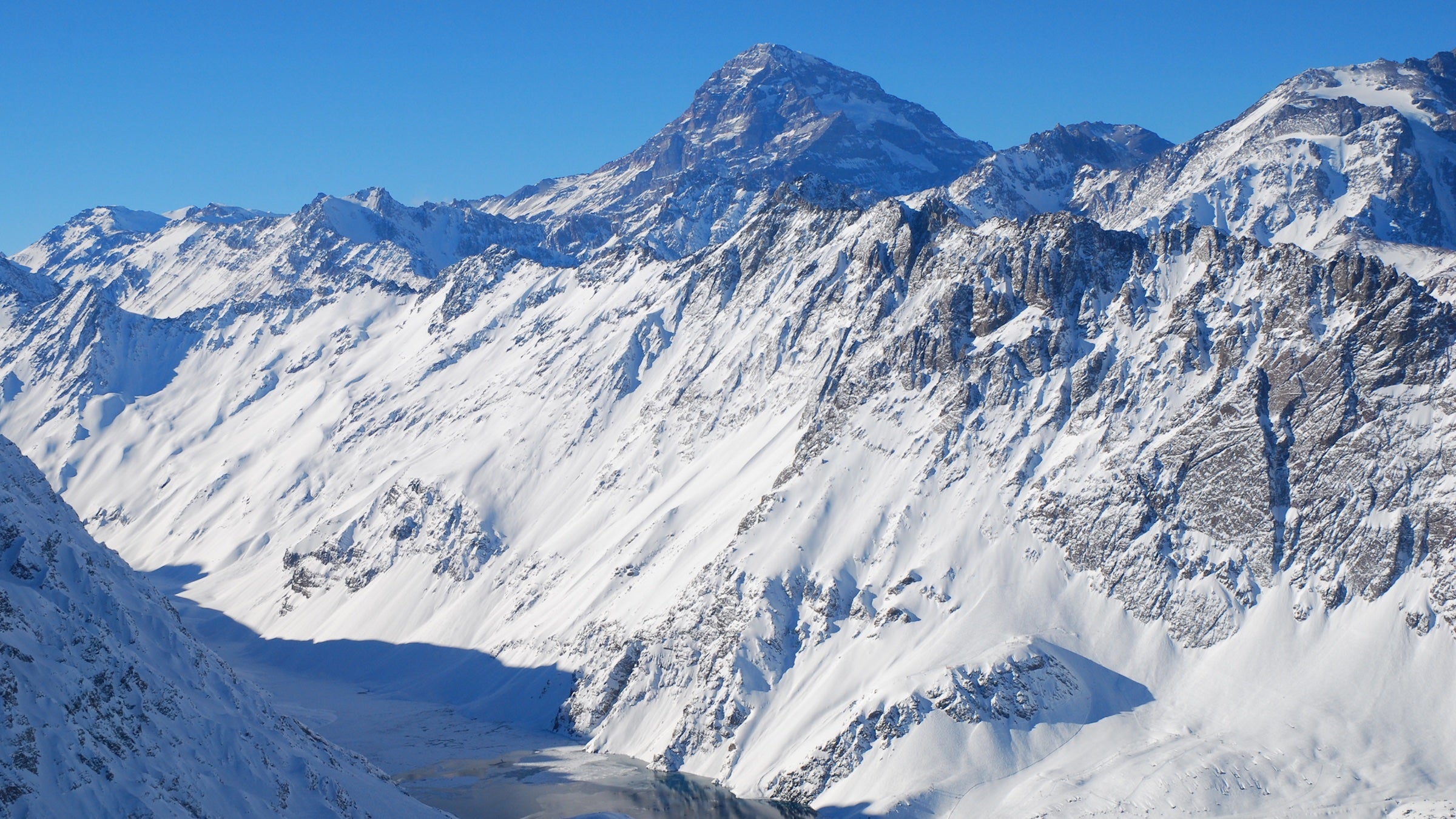
Summiting Aconcagua, the highest mountain outside of the Himalayas, represents a profound high-altitude challenge requiring significant physiological adaptation, specialized gear, and precise logistical planning. Standing at 6,961 meters (22,838 feet) in the Argentine Andes, Aconcagua serves as a formidable objective for high-altitude climbers testing their ability to perform in extreme, thin-air environments. Success demands a deep understanding of acclimatization, weather volatility, and the physical demands of high-altitude trekking.
The Physiological Reality of High Altitude
At 6,961 meters, the barometric pressure on the summit of Aconcagua is approximately 40% of that at sea level. This drastic reduction in partial pressure of oxygen (PO2) triggers a series of acute physiological responses. The "high altitude challenge" is primarily a battle against Hypobaric Hypoxia, where the body struggles to oxygenate tissues effectively.
The Mechanism of Acclimatization
Acclimatization is the process by which the body adapts to lower oxygen levels. On Aconcagua, the most critical factor is the rate of ascent. Rapid elevation gain without adequate rest days leads to Acute Mountain Sickness (AMS), which can progress into life-threatening conditions like High Altitude Pulmonary Edema (HAPE) or High Altitude Cerebral Edema (HACE).
Climbers must follow the "climb high, sleep low" principle. On the standard Normal Route, the itinerary typically stretches over 14 to 18 days. This duration is not merely about physical stamina; it is a clinical necessity to allow the hematological system—specifically the production of erythropoietin (EPO)—to increase red blood cell mass, thereby enhancing oxygen-carrying capacity.
Indicators of Altitude Distress
Identifying symptoms early is non-negotiable. While mild headaches, lethargy, and decreased appetite are common, individuals must monitor for "red flag" symptoms:
- Persistent ataxia: Difficulty walking in a straight line, indicating neurological compromise.
- Wet cough or pink, frothy sputum: A hallmark of pulmonary fluid accumulation.
- Altered mental status: Confusion or personality changes, often preceding severe cerebral edema.
Logistical Prerequisites and Permit Requirements
Accessing Aconcagua is strictly regulated by the Aconcagua Provincial Park authorities. The mountain is not a wilderness area where one can simply hike to the base and begin an ascent; it requires formal authorization and, in most cases, logistical support.
The Permit System
As of 2026, all climbers must purchase a permit from the Provincial Park office, typically located in Mendoza. Permits are tiered based on the season (Low, Mid, and High season) and the climber's nationality. The permits are non-transferable and require the applicant to present valid, high-altitude-specific medical insurance that covers mountain rescue and helicopter evacuation.
Essential Logistics
Most climbers choose one of two primary routes: the Normal Route (Northwest Ridge) or the Polish Glacier Traverse. The Normal Route is technically non-technical (a high-altitude walk) but physically grueling due to extreme wind and rock scree.
Logistical support usually involves:
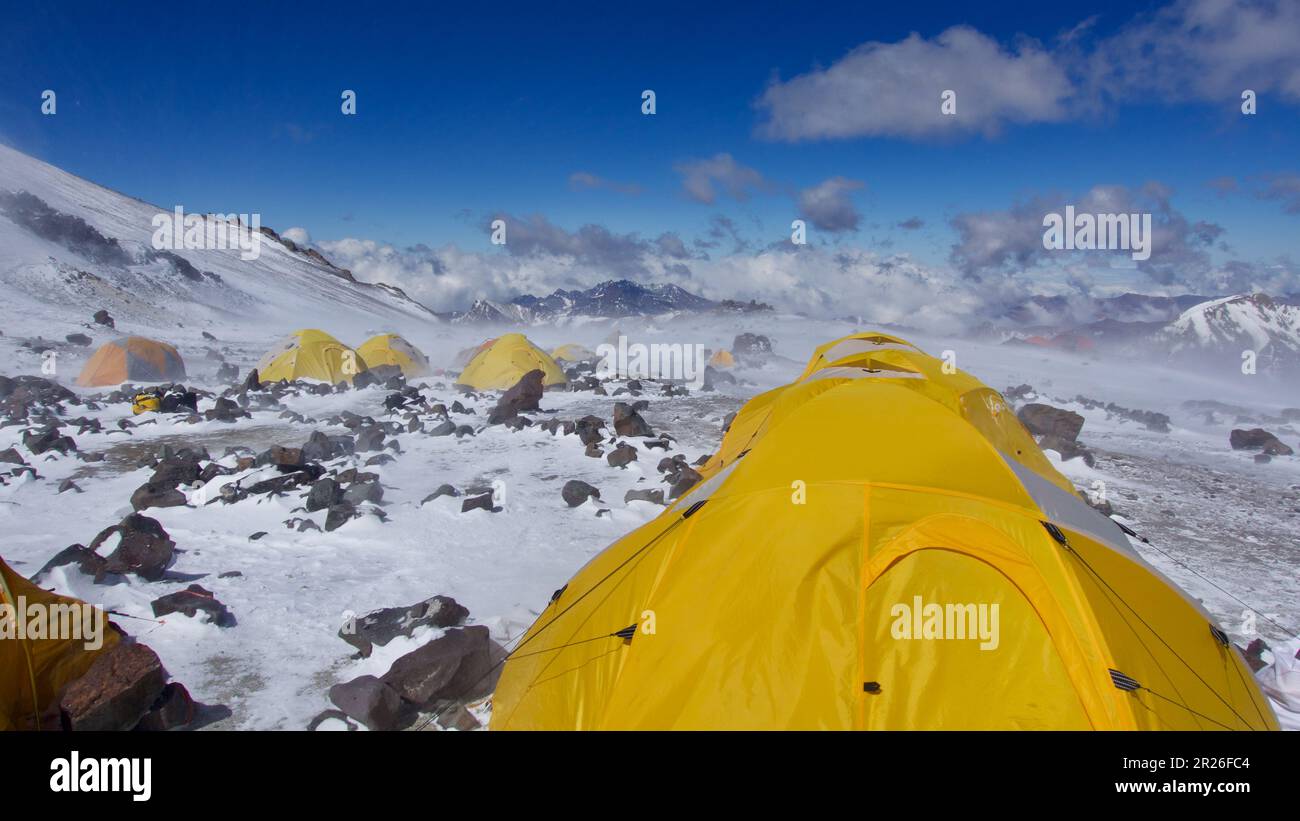
- Mule Support: Hiring arrieros (mule drivers) to transport heavy gear (tents, food, climbing equipment) to Base Camps (Plaza de Mulas or Plaza Argentina).
- Base Camp Services: Utilizing established camps that provide medical tents, waste management, and communication services.
- Medical Clearance: Mandatory health checks occur at Base Camp, where park doctors assess heart rate, oxygen saturation, and overall physical condition before granting the green light to proceed to higher camps.
Comparison of Climbing Strategies
| Feature | Self-Supported (Expedition Style) | Guided Commercial Expedition |
|---|---|---|
| Logistics | Climber manages all permits and mule hire | Managed entirely by the guide service |
| Flexibility | High; can adjust schedule for weather | Fixed itinerary based on agency planning |
| Safety | Requires high-level self-rescue skills | Professional guides with radio/satellite access |
| Cost | Lower; baseline permit fees only | High; covers logistics, food, and expertise |
| Success Rate | Statistically lower due to logistics load | Statistically higher due to acclimatization focus |
Equipment and Technical Requirements
While the Normal Route is not a technical climb in the sense of requiring rope teams and ice screws (under normal conditions), it is a high-altitude mountaineering environment. The "challenge" is that the gear must be able to withstand the brutal, sub-zero wind chills of the Andes.
Gear for the High-Altitude Environment
- Boots: Triple-layer high-altitude boots are mandatory. Boots suitable for hiking are insufficient for the temperatures found at Cólera or Independencia, where wind-chill factors can plummet well below -30°C.
- Sleeping Systems: A sleeping bag rated for -30°C (-22°F) or lower is essential.
- Communications: Satellite messaging devices (e.g., Garmin inReach) are vital, as cellular coverage is non-existent above the lower valleys.
- Nutritional Strategy: At high altitudes, metabolic demands skyrocket, yet appetite often vanishes. High-calorie, palatable food that can be prepared with minimal water (which must be melted from snow) is critical to preventing muscle catabolism.
Common Mistakes and Risk Mitigation
The failure to reach the summit of Aconcagua is most often caused by two factors: poor weather management and insufficient acclimatization.
Weather Volatility
The "Viento Blanco" (White Wind) is a notorious phenomenon on Aconcagua. These high-velocity winds, often exceeding 100 km/h, can render movement on the upper mountain impossible. Climbers often make the mistake of pushing through marginal weather windows in a rush to summit. Experienced mountaineers prioritize the "weather window" over the internal pressure of the expedition timeline.
Over-Exertion
The desire to "push hard" often leads to exhaustion at lower altitudes. By moving too fast between camps, climbers inadvertently deplete their glycogen stores and overwhelm their cardiovascular systems before they even reach the "death zone" (above 6,000 meters). The most successful climbers are those who move slowly, drink excessive amounts of water, and prioritize recovery at every stop.
Frequently Asked Questions
Is climbing Aconcagua considered dangerous?
Yes. Aconcagua is a serious mountain with inherent risks, including extreme cold, high-altitude illness, and rockfall. While the terrain on the normal route is not "technical," the environment is unforgiving. Professional medical consultation and proper insurance are non-negotiable safety requirements.
How do I prepare my body for this challenge?
Physical preparation should involve a focus on aerobic capacity and muscular endurance. Cardiovascular training (running, cycling) should be supplemented with weighted pack hiking to mimic the physical load of carrying a 15-20kg backpack. Flexibility and core strength are also vital for balance on uneven, high-altitude terrain.
When is the best time to attempt Aconcagua?
The primary climbing season runs from December to early March. December and January are generally the warmest months, though they can also be prone to afternoon thunderstorms. March offers more stable weather but colder temperatures.
Do I need a guide to summit?
No, it is not legally required to have a guide, but for those without significant high-altitude experience, it is strongly advised. Guides provide essential support in monitoring health, managing logistics, and making the difficult decision to turn back when conditions become unsafe.
What happens if I get sick on the mountain?
The Aconcagua Provincial Park maintains medical outposts at major camps. If a park doctor determines that a climber is suffering from severe altitude sickness, they are prohibited from ascending further and, in severe cases, must be evacuated via mule or, if necessary, helicopter.
Recommended Next Steps
Before committing to the Aconcagua challenge, ensure you have undergone a full medical screening, specifically evaluating your cardiovascular health. If you are inexperienced at altitudes above 4,000 meters, consider a preparatory trek or a smaller peak to verify your body’s reaction to low-oxygen environments. Research reputable mountain guide services that operate within the park to compare their safety protocols and client-to-guide ratios. Always confirm that your chosen permit dates align with your personal training schedule to maximize your success probability.