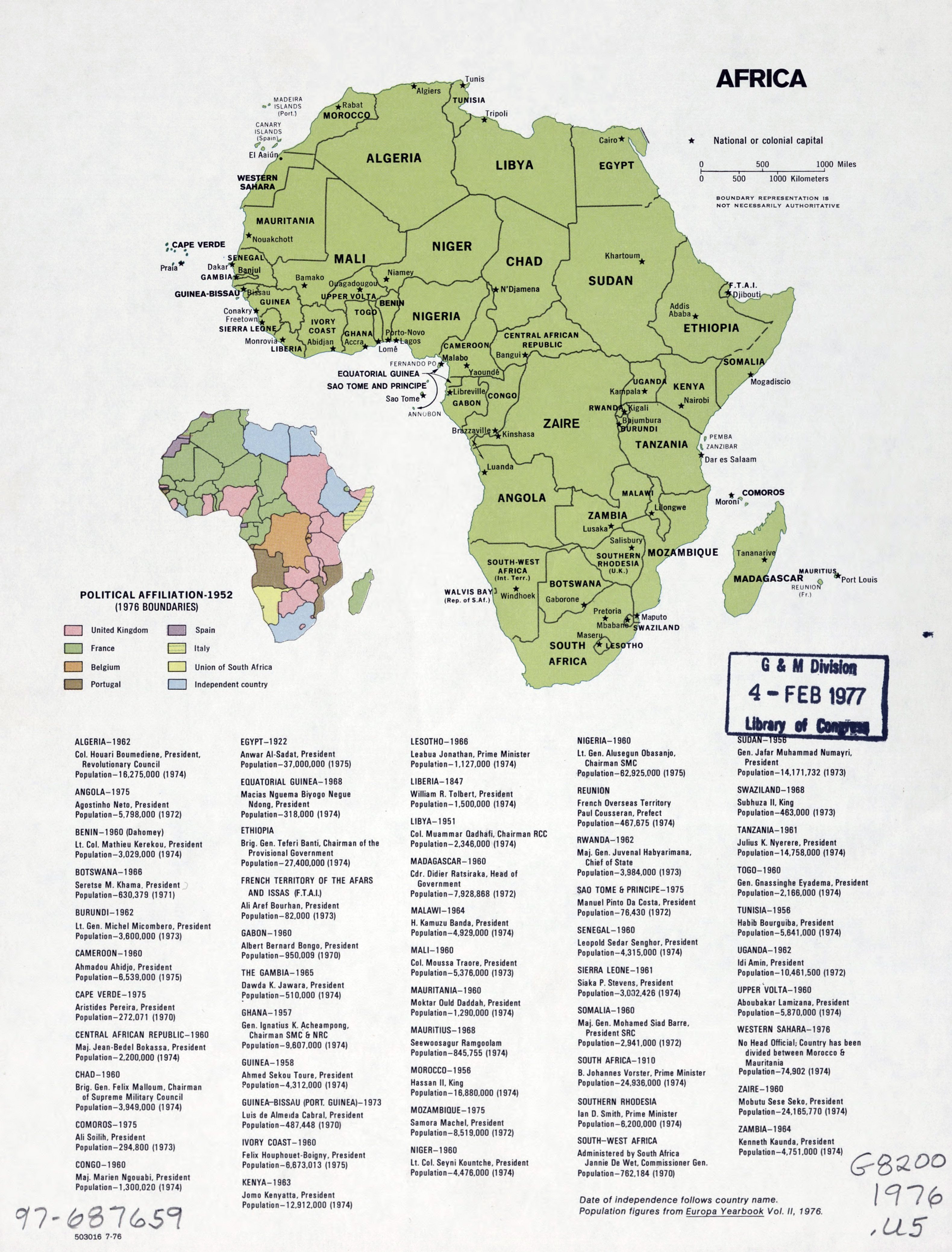
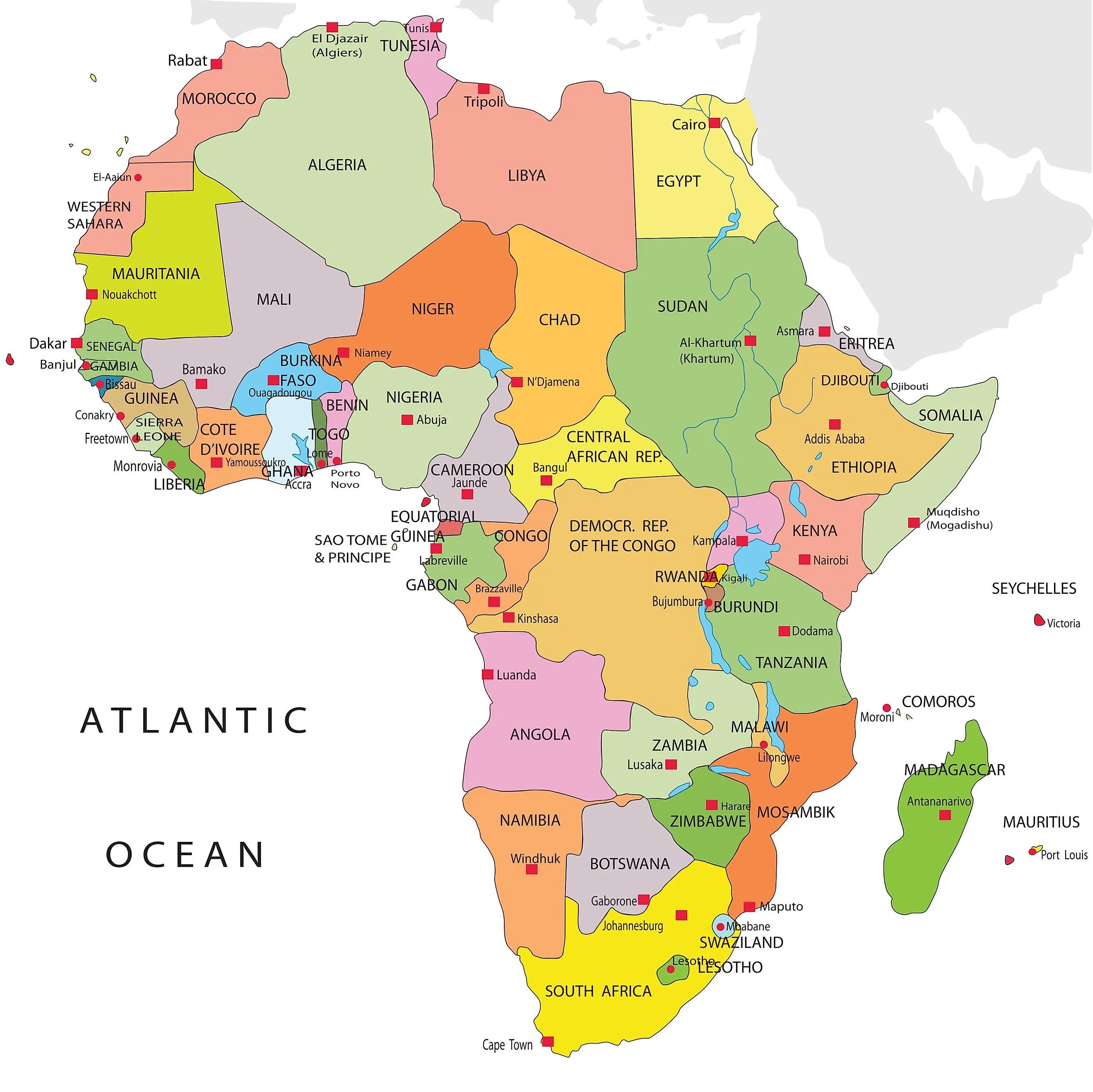
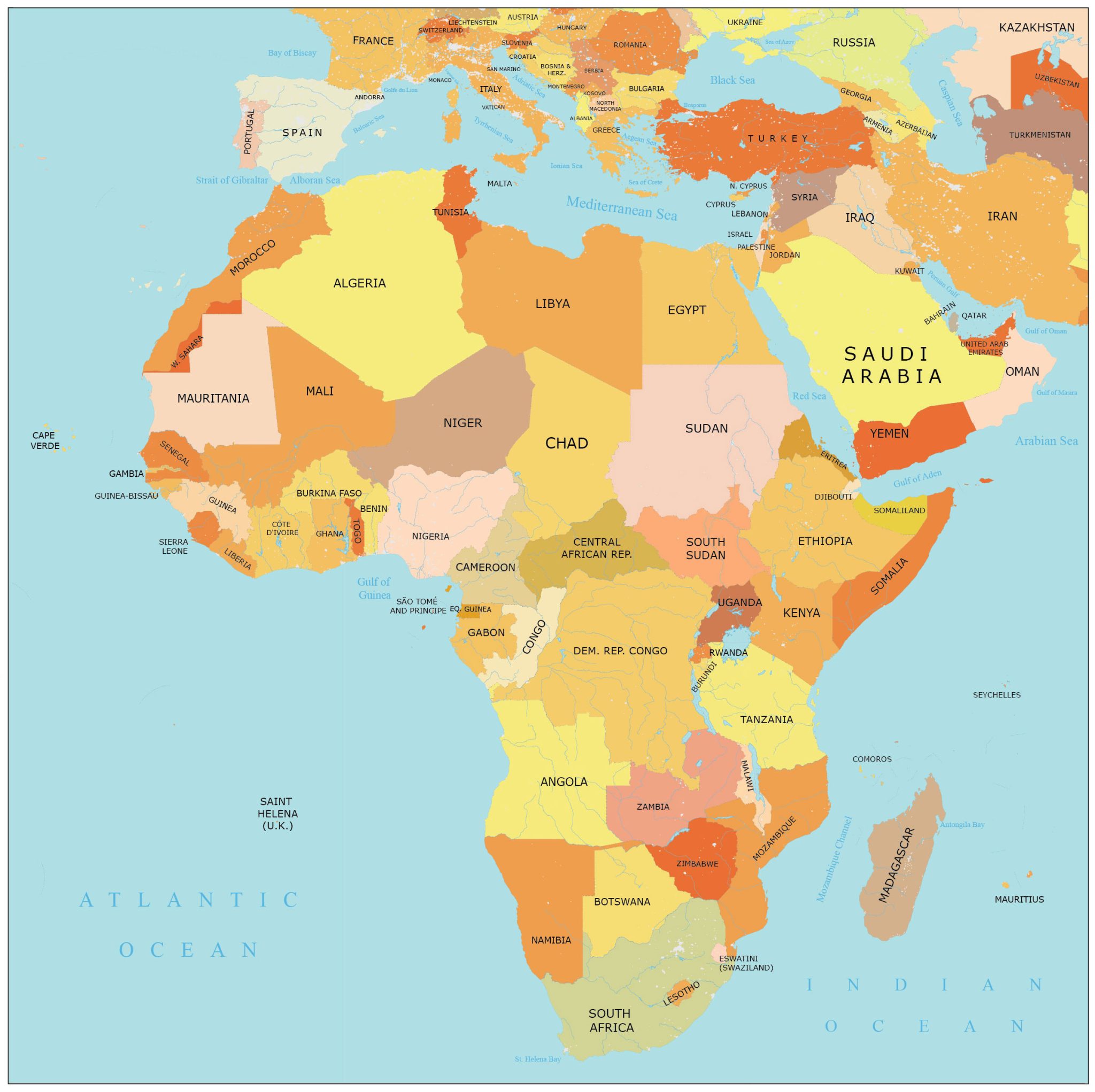
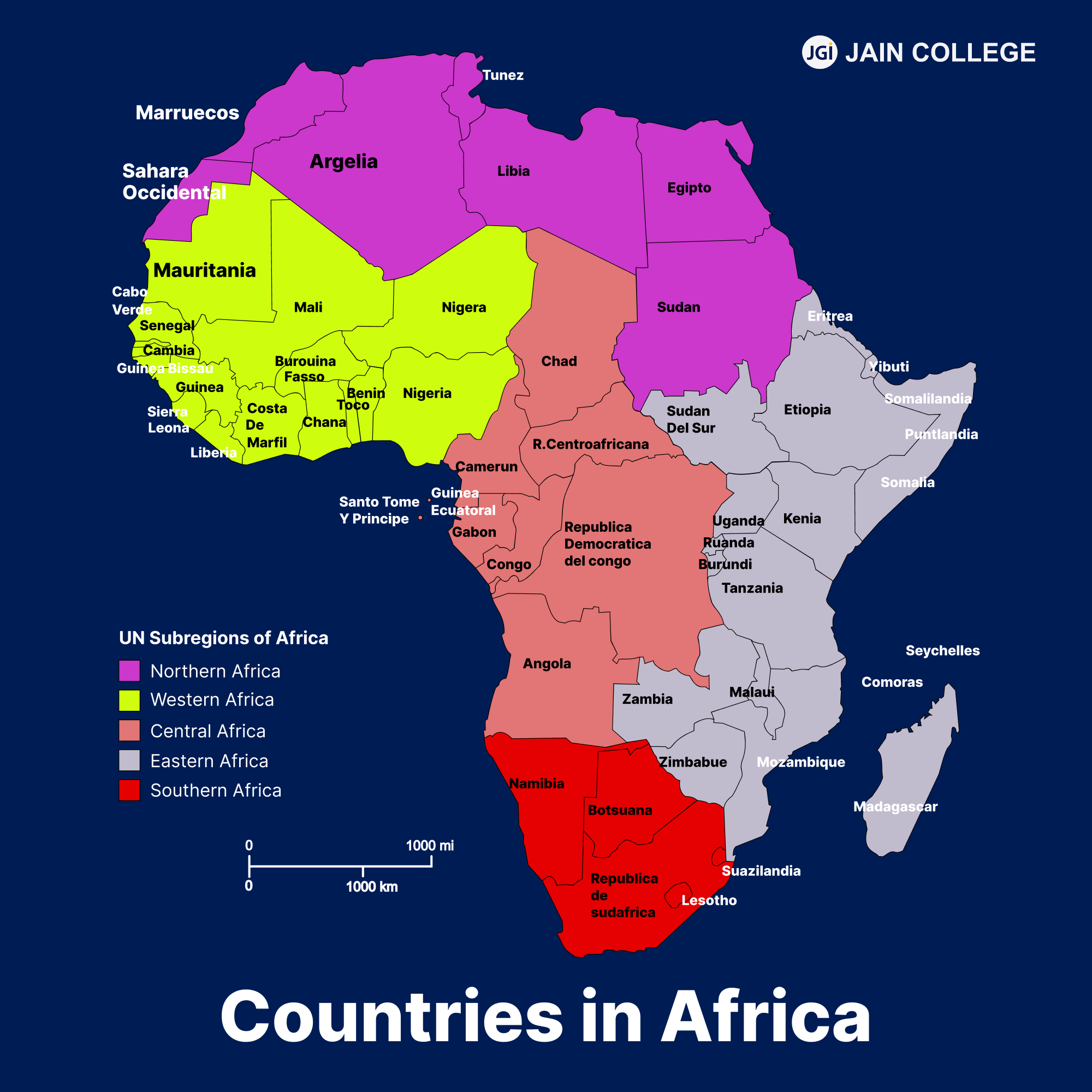
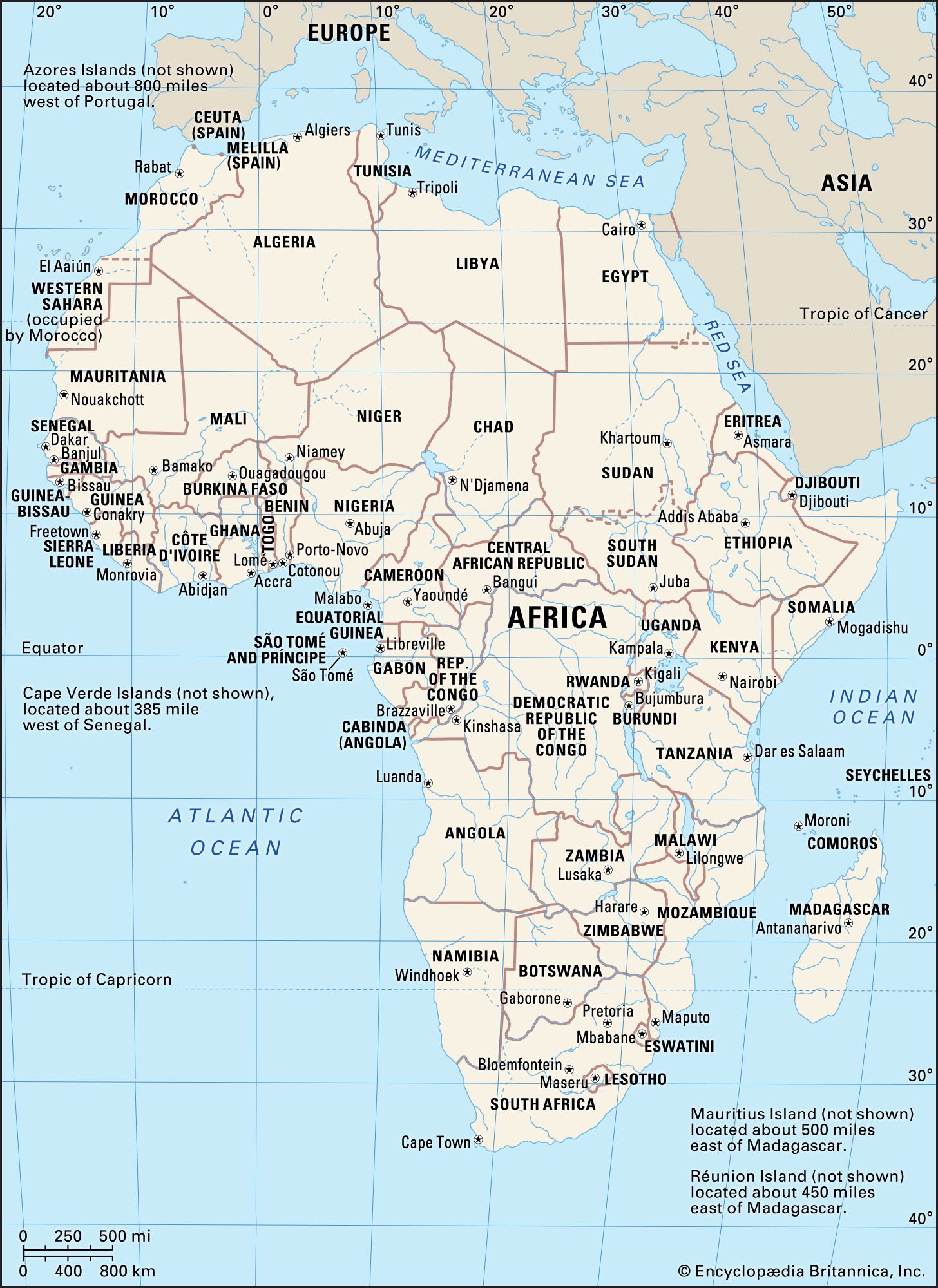
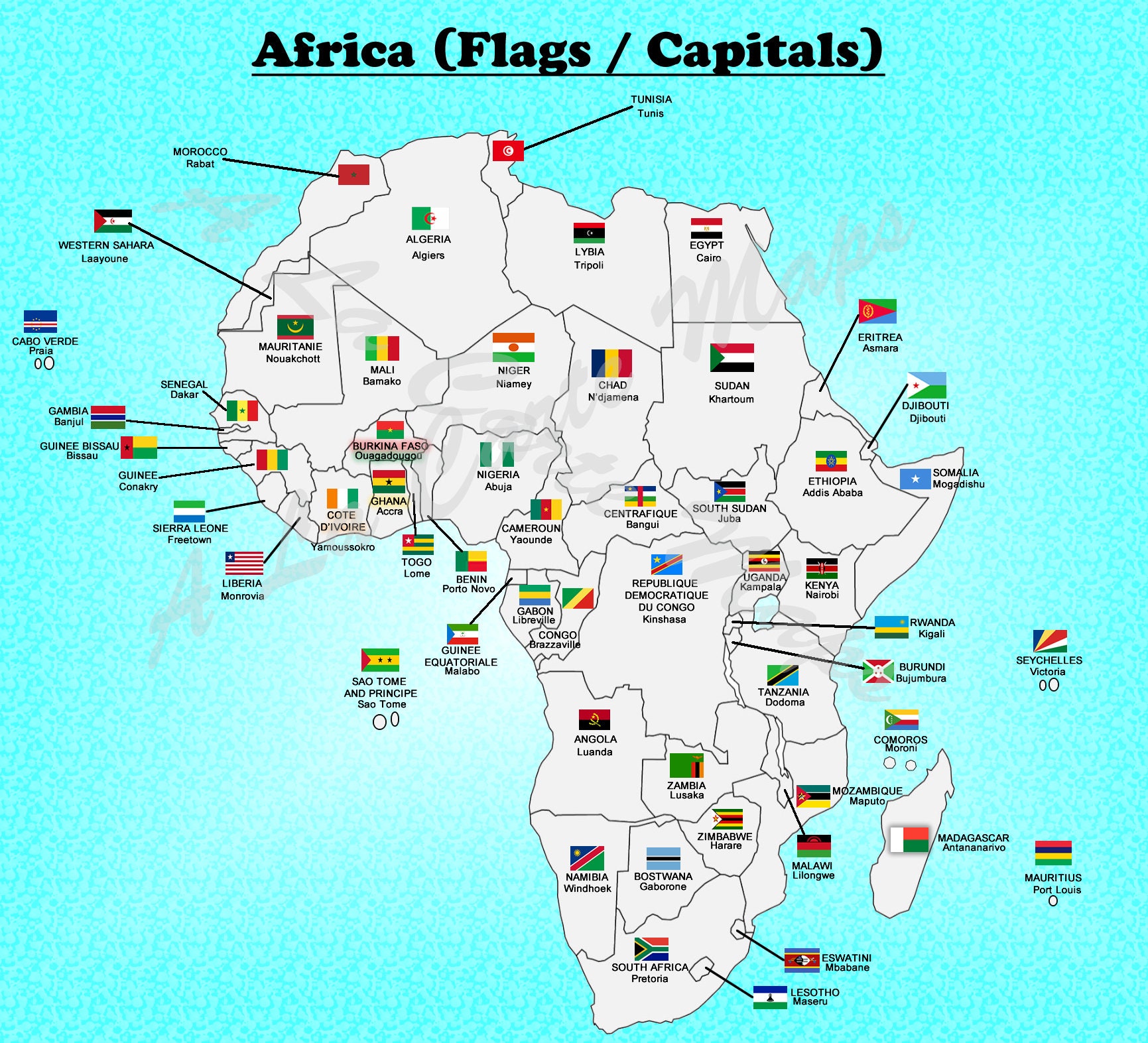
As of 2026, the African continent officially comprises 54 sovereign countries recognized by the United Nations. While the African Union (AU) recognizes 55 member states—including the Sahrawi Arab Democratic Republic (Western Sahara)—the international standard for sovereign recognition generally adheres to the 54-nation count. This vast landscape represents the world’s second-largest and second-most-populous continent, characterized by diverse governance, rapid economic shifts, and deep historical complexity.
Understanding the Discrepancy: 54 or 55 Countries?
The question of how many countries are in Africa often leads to two different answers depending on the diplomatic framework used. To understand why "africa has 54 countries today" is the primary global consensus, one must look at the distinction between United Nations (UN) membership and African Union (AU) membership.
The United Nations Standard
The United Nations recognizes 54 sovereign states in Africa. These are nations that possess full international recognition, maintain seats in the General Assembly, and engage in formal diplomatic relations with the majority of the world's other 193 member states. For a territory to be considered a "country" in most global contexts, it must meet the criteria of the Montevideo Convention: a permanent population, a defined territory, a government, and the capacity to enter into relations with other states.
The African Union Perspective
The African Union, the continent's premier supranational body, recognizes 55 member states. The 55th member is the Sahrawi Arab Democratic Republic (SADR), which claims the territory of Western Sahara. While the AU admitted the SADR in 1982, the territory remains a subject of an ongoing dispute with Morocco, which claims sovereignty over the region. Because the UN views Western Sahara as a "non-self-governing territory" rather than a fully sovereign state, the global count remains at 54.
The Case of Somaliland
Further complicating the count is Somaliland, a territory in the Horn of Africa that declared independence from Somalia in 1991. Despite having its own currency, passport, government, and military, Somaliland lacks formal recognition from any UN member state. Consequently, it is legally considered part of Somalia in the official count of 54 countries.
Geographic Distribution and Regional Blocs
Africa is traditionally divided into five major regions by the African Union. These regions are not just geographic; they serve as the basis for economic integration and political cooperation through Regional Economic Communities (RECs).
North Africa
North Africa consists of seven territories: Algeria, Egypt, Libya, Morocco, Sudan, Tunisia, and Western Sahara (as recognized by the AU). This region is heavily influenced by Mediterranean trade routes and Saharan geography. Egypt and Morocco serve as major economic hubs, with Egypt often acting as a bridge between African and Middle Eastern geopolitics.
West Africa
West Africa is home to 15 countries and is largely organized under the Economic Community of West African States (ECOWAS). Countries include Nigeria, Ghana, Senegal, and Côte d'Ivoire. Nigeria remains the continent's most populous nation and a dominant economic force, despite regional security challenges in the Sahel.
East Africa
East Africa is one of the most diverse and fastest-growing regions. It includes the Horn of Africa (Ethiopia, Eritrea, Djibouti, Somalia) and members of the East African Community (EAC) such as Kenya, Tanzania, Uganda, Rwanda, and Burundi. In recent years, the EAC has expanded significantly, recently incorporating the Democratic Republic of the Congo and Somalia to create a trade corridor stretching from the Indian Ocean to the Atlantic.
Central Africa
Central Africa is dominated by the Congo Basin, the world’s second-largest tropical rainforest. This region includes the Democratic Republic of the Congo (DRC), Cameroon, Gabon, and Chad. The DRC is particularly significant due to its immense mineral wealth, which is essential for the global transition to renewable energy.
Southern Africa
Southern Africa includes the regional powerhouse of South Africa, alongside nations like Botswana, Namibia, Zimbabwe, and Zambia. This region is characterized by the Southern African Development Community (SADC), which focuses on infrastructure, peace, and security.
Full List of African Countries and Key Information
The following table provides a comprehensive overview of the 54 recognized sovereign nations in Africa as of 2026, including their capitals and primary regional affiliations.
| Country | Capital City | Primary Region | UN Recognition Year |
|---|---|---|---|
| Algeria | Algiers | North Africa | 1962 |
| Angola | Luanda | Southern Africa | 1976 |
| Benin | Porto-Novo | West Africa | 1960 |
| Botswana | Gaborone | Southern Africa | 1966 |
| Burkina Faso | Ouagadougou | West Africa | 1960 |
| Burundi | Gitega | East Africa | 1962 |
| Cabo Verde | Praia | West Africa | 1975 |
| Cameroon | Yaoundé | Central Africa | 1960 |
| Central African Republic | Bangui | Central Africa | 1960 |
| Chad | N'Djamena | Central Africa | 1960 |
| Comoros | Moroni | East Africa | 1975 |
| Congo (Republic of) | Brazzaville | Central Africa | 1960 |
| Côte d'Ivoire | Yamoussoukro | West Africa | 1960 |
| Djibouti | Djibouti | East Africa | 1977 |
| DR Congo | Kinshasa | Central Africa | 1960 |
| Egypt | Cairo | North Africa | 1945 |
| Equatorial Guinea | Malabo | Central Africa | 1968 |
| Eritrea | Asmara | East Africa | 1993 |
| Eswatini | Mbabane | Southern Africa | 1968 |
| Ethiopia | Addis Ababa | East Africa | 1945 |
| Gabon | Libreville | Central Africa | 1960 |
| Gambia | Banjul | West Africa | 1965 |
| Ghana | Accra | West Africa | 1957 |
| Guinea | Conakry | West Africa | 1958 |
| Guinea-Bissau | Bissau | West Africa | 1974 |
| Kenya | Nairobi | East Africa | 1963 |
| Lesotho | Maseru | Southern Africa | 1966 |
| Liberia | Monrovia | West Africa | 1847 |
| Libya | Tripoli | North Africa | 1955 |
| Madagascar | Antananarivo | East Africa | 1960 |
| Malawi | Lilongwe | Southern Africa | 1964 |
| Mali | Bamako | West Africa | 1960 |
| Mauritania | Nouakchott | West Africa | 1960 |
| Mauritius | Port Louis | East Africa | 1968 |
| Morocco | Rabat | North Africa | 1956 |
| Mozambique | Maputo | Southern Africa | 1975 |
| Namibia | Windhoek | Southern Africa | 1990 |
| Niger | Niamey | West Africa | 1960 |
| Nigeria | Abuja | West Africa | 1960 |
| Rwanda | Kigali | East Africa | 1962 |
| São Tomé and Príncipe | São Tomé | Central Africa | 1975 |
| Senegal | Dakar | West Africa | 1960 |
| Seychelles | Victoria | East Africa | 1976 |
| Sierra Leone | Freetown | West Africa | 1961 |
| Somalia | Mogadishu | East Africa | 1960 |
| South Africa | Pretoria | Southern Africa | 1945 |
| South Sudan | Juba | East Africa | 2011 |
| Sudan | Khartoum | North Africa | 1956 |
| Tanzania | Dodoma | East Africa | 1961 |
| Togo | Lomé | West Africa | 1960 |
| Tunisia | Tunis | North Africa | 1956 |
| Uganda | Kampala | East Africa | 1962 |
| Zambia | Lusaka | Southern Africa | 1964 |
| Zimbabwe | Harare | Southern Africa | 1980 |
Sovereignty and the Youngest Nations
The map of Africa has not been static. The phrase "africa has 54 countries today" reflects a relatively recent stabilization of borders. Most African nations gained their independence during the mid-20th century, a period known as the "Year of Africa" (1960) being particularly significant when 17 nations achieved sovereignty.
The Birth of South Sudan
The most recent addition to the list of 54 is South Sudan. Following decades of civil war with the north, South Sudan held a referendum in January 2011, where an overwhelming majority voted for secession. On July 9, 2011, South Sudan became the world's youngest internationally recognized country and the 54th UN member state in Africa. Its journey highlights the ongoing nature of self-determination on the continent.
Eritrea's Path to Independence
Prior to South Sudan, the last major change occurred in 1993, when Eritrea officially separated from Ethiopia. This followed a 30-year war for independence and a UN-monitored referendum. These changes demonstrate that while the number 54 is currently stable, the political geography of the continent is the result of long-term historical struggles for autonomy.
The Role of the African Union (AU)
Founded in 2002 as the successor to the Organization of African Unity (OAU), the AU plays a critical role in managing the relations between the 55 entities it recognizes. Headquartered in Addis Ababa, Ethiopia, the AU's mission is to promote unity, security, and economic development across the continent.
Agenda 2063
The AU is currently working toward "Agenda 2063," a strategic framework for the socio-economic transformation of the continent over the next several decades. Key goals include the full implementation of the African Continental Free Trade Area (AfCFTA), which aims to create a single market for goods and services across all 54 recognized nations. By 2026, the AfCFTA has already begun to significantly reduce intra-African tariffs, encouraging countries to trade more with their neighbors rather than relying solely on external partners in Europe or Asia.
Peace and Security
The AU also manages the African Peace and Security Architecture (APSA). This allows the continent to deploy peacekeepers and mediate conflicts internally, reducing reliance on the UN or Western powers. However, the diverse interests of the 54 nations sometimes lead to challenges in reaching consensus on regional interventions.
Economic and Demographic Powerhouses
When analyzing the 54 countries of Africa, it is helpful to look at the "Big Five" economies that drive much of the continent's GDP: Nigeria, South Africa, Egypt, Algeria, and Morocco.
- Nigeria: Often cited as the largest economy in Africa, Nigeria’s strength lies in its massive population (over 230 million in 2026) and its petroleum industry. However, it is increasingly diversifying into telecommunications and financial services.
- South Africa: Possessing the most industrialized and technologically advanced economy, South Africa is a leader in mining, manufacturing, and financial markets.
- Egypt: Controlling the Suez Canal, Egypt is a vital link in global trade. It has seen massive infrastructure investment, including the development of a New Administrative Capital.
- Algeria: As a major exporter of natural gas to Europe, Algeria maintains a significant influence over Mediterranean energy security.
- Morocco: Morocco has positioned itself as a bridge between Africa and Europe, investing heavily in automotive manufacturing and renewable energy (specifically solar).
Practical Advice for Navigating African Jurisdictions
For those traveling, investing, or studying the 54 countries of Africa, it is essential to recognize that each nation operates under its own legal and regulatory framework. There is no "single" African law.
- Visa Requirements: Visa policies vary wildly. While some regions like East Africa offer a "Single Tourist Visa" (Kenya, Rwanda, Uganda), others require individual applications and letters of invitation. Always verify requirements through the specific embassy of the destination country.
- Currency Variability: While many West and Central African nations use the CFA Franc (pegged to the Euro), most other nations have their own sovereign currencies, such as the Nigerian Naira, the Kenyan Shilling, or the South African Rand.
- Official Languages: Africa is the most linguistically diverse continent. While English, French, Portuguese, and Arabic are common official languages due to colonial history, thousands of indigenous languages like Swahili, Amharic, and Zulu are spoken daily and often hold official or semi-official status.
Frequently Asked Questions
Which is the largest country in Africa by land area?
Algeria is the largest country in Africa by land area, covering approximately 2.38 million square kilometers. It took this title after the partition of Sudan in 2011, which was previously the largest. Much of Algeria’s territory is occupied by the Sahara Desert, but its coastal regions are densely populated and economically active.
Which is the smallest country in Africa?
The Seychelles is the smallest country in Africa. It is an archipelago nation of 115 islands in the Indian Ocean. In terms of mainland Africa, The Gambia is the smallest country, almost entirely surrounded by Senegal except for its coastline on the Atlantic Ocean.
What is the newest country in Africa?
South Sudan is the newest country in Africa, having gained independence on July 9, 2011. It joined the United Nations and the African Union shortly after its secession from Sudan. Despite its youth as a nation, it possesses significant oil reserves, though it has faced considerable internal challenges since its founding.
Why is Western Sahara not counted as the 55th UN country?
Western Sahara is currently classified by the United Nations as a "non-self-governing territory." While the Sahrawi Arab Democratic Republic (SADR) claims sovereignty and is a member of the African Union, the territory is largely under the de facto control of Morocco. Because there is no international consensus on its statehood, the UN does not recognize it as a sovereign country.
Are there any African countries that were never colonized?
Ethiopia and Liberia are often cited as the two African nations that were never colonized. Ethiopia successfully resisted Italian invasion at the Battle of Adwa in 1896, though it was briefly occupied by Italy during WWII (1936–1941). Liberia was established as a home for formerly enslaved people from the United States and maintained its independence throughout the "Scramble for Africa."
Next Steps for Researchers and Travelers
To further explore the 54 countries of Africa, individuals should utilize the official portals of the African Union (au.int) for geopolitical updates and the United Nations Africa Renewal publication for socio-economic reports. For those planning to visit, checking the International Air Transport Association (IATA) travel center for current visa and health requirements for each specific nation is the most reliable way to ensure a seamless experience across borders.