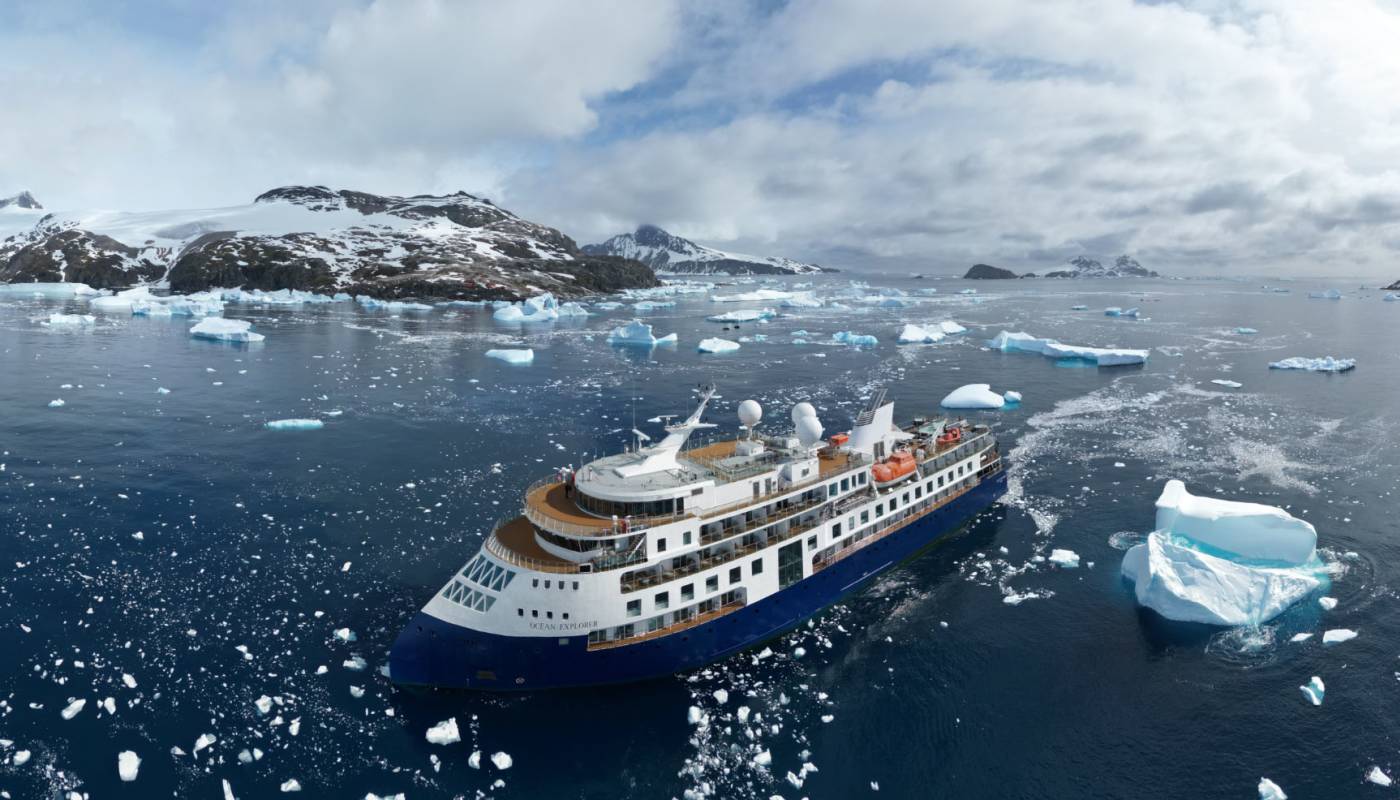
The history and legacy of the adventure ship encompasses the evolution of specialized maritime vessels designed for polar exploration, scientific research, and remote expedition cruising, transforming from reinforced wooden sailing ships into technologically advanced, ice-strengthened vessels capable of navigating the world's most extreme environments.
Introduction to Maritime Exploration and Adventure Vessels
The journey of the adventure ship spans centuries of maritime innovation, moving from the precarious wooden sailing vessels of early polar pioneers to the sophisticated, high-tech expedition mega-yachts of the modern era. When exploring the history and legacy of these vessels, one examines not merely the mechanics of shipbuilding, but the human drive to chart the unknown, study fragile ecosystems, and push the boundaries of navigation.
Historically, vessels built for adventure faced hostile forces: crushing pack ice, unpredictable weather, uncharted reefs, and thousands of miles of open ocean without support infrastructure. Today's adventure ships—often encompassing ice-strengthened research vessels, repurposed naval or scientific hulls, and purpose-built luxury expedition ships—carry forward a direct lineage of resilience, adaptability, and technological evolution. Understanding this legacy requires a detailed examination of how hull designs, propulsion systems, safety regulations, and environmental standards have transformed over time to conquer the most remote waters on Earth.
The Era of Discovery: Wooden Hulls and Sail Power
Before steel plating and diesel engines dominated the seas, early adventure ships were constructed primarily of heavy, dense hardwoods like oak, greenheart, and teak. These materials provided the necessary elasticity and strength to absorb the crushing pressures of sea ice.
Structural Reinforcement of Early Vessels
Early polar explorers quickly realized that standard merchant or naval vessels would be swiftly crushed by shifting pack ice. To survive, ships like Sir William Edward Parry’s HMS Hecla and later ships like the Fram utilized specialized structural engineering:
- Hulls with Rounded Cross-Sections: Rather than featuring flat bottoms that ice could grip and lift, these vessels featured hull shapes designed so that lateral ice pressure would force the ship upward, lifting it out of the water rather than splintering its timbers.
- Double-Planking and Internal Bracing: Shipwrights added multiple layers of thick timber planking, supported by massive internal beams and diagonal iron strapping to distribute kinetic loads evenly across the hull.
- Protected Rudders and Propellers: As steam power was introduced, vessels required mechanisms to retract or protect propellers and rudders from being sheared off by floating ice blocks.
Propulsion Shifts: From Canvas to Steam
The earliest phase of the adventure ship relied entirely on wind power. However, reliance on sails proved fatal in the becalmed, ice-choked waters of the high Arctic and Antarctic. The mid-19th century introduction of auxiliary steam engines marked a critical turning point. Steam power allowed commanders to maneuver independently of wind direction, breaking through thin ice or escaping trapping pack ice. However, limited coal supplies remained a severe operational bottleneck, necessitating daring resupply efforts and often leading to abandonment when fuel reserves ran out.
The Golden Age of Polar Exploration: Iconic Ships and Engineering Triumphs
The late 19th and early 20th centuries—commonly referred to as the Heroic Age of Antarctic Exploration—saw the commissioning of some of the most famous adventure ships in history. Each vessel carried specific design philosophies tailored to the mandates of its expedition.
The Fram: Fridtjof Nansen’s Masterpiece
Designed by naval architect Colin Archer under the direction of Norwegian explorer Fridtjof Nansen, the Fram (meaning "Forward") remains an engineering milestone. Built specifically to withstand the crushing pressure of the Arctic drift ice, the Fram featured an unvarnished oak hull up to 80 centimeters thick, a smooth, rounded underbelly, and an extremely sturdy rudder. Nansen’s hypothesis proved correct: when trapped in the ice pack, the Fram simply rose up onto the surface of the ice without sustaining structural damage, allowing Nansen’s crew to drift across the polar basin safely.
The Discovery: Robert Falcon Scott’s Scientific Laboratory
Commissioned for the British National Antarctic Expedition (1901–1904), the Discovery was the last traditional three-masted wooden sailing ship built in Britain. Constructed with immense structural integrity to endure prolonged ice imprisonment, it served simultaneously as a mobile home, scientific laboratory, and transport vessel. Its legacy lies deeply rooted in the transition of adventure ships from pure exploration tools to floating scientific institutions equipped for meteorological, geological, and biological data collection.
The Endurance: Sir Ernest Shackleton’s Tragic Icon
Originally named Polaris and built in Sandefjord, Norway, the ship was designed for luxurious polar cruises before being acquired by Ernest Shackleton for the Imperial Trans-Antarctic Expedition. Constructed under the supervision of master shipwrights, the Endurance possessed a hull consisting of heart pine and oak up to 76 centimeters thick, specifically optimized for breaking heavy Antarctic pack ice.
Despite its formidable construction, the vessel was ultimately trapped, crushed, and sunk in the Weddell Sea in 1915. The survival saga of Shackleton and his crew cemented the Endurance as a legendary symbol of endurance, while its rediscovery in 2022 by the Endurance22 expedition under the Weddell Sea added a crucial chapter to underwater marine archaeology.
Evolution of Modern Ice Classes and Hull Standards
As scientific research expanded and commercial expedition cruising emerged in the late 20th century, maritime authorities recognized the need for standardized safety and structural requirements for ships operating in ice-covered waters.
The Transition to Steel and Advanced Propulsion
Wood gave way to high-tensile steel, which offered superior resistance to fatigue and abrasion from multi-year ice. Diesel-electric propulsion systems replaced traditional steam and direct-drive diesel engines, providing exceptional maneuverability at low speeds—a critical requirement when threading through narrow channels of floating ice. Azipod propulsion units, which can rotate 360 degrees, further revolutionized the handling capabilities of modern adventure ships, eliminating traditional rudders and shafts in heavy ice conditions.
Regulatory Frameworks: The Polar Code
Operating vessels in polar regions demands adherence to strict international frameworks. The International Code for Ships Operating in Polar Waters (Polar Code), adopted by the International Maritime Organization (IMO), establishes mandatory requirements for ship design, construction, equipment, operational procedures, training, and environmental protection.
| Polar Category | Hull Reinforcement Level | Operational Capability | Primary Use Cases |
|---|---|---|---|
| Category A (PC 1 to PC 5) | Heavy ice-strengthening; designed for continuous breaking of multi-year ice. | Operates in polar waters in year-round, severe ice conditions. | Heavy icebreakers, scientific research vessels, polar logistics. |
| Category B (PC 6 to PC 7) | Moderate ice-strengthening; designed for medium first-year ice. | Operates in thinner ice conditions, often during summer and autumn. | Modern expedition cruise ships, regional research vessels. |
| Category C | Open water or very light ice margins; standard or minor hull reinforcement. | Operates in open waters or light ice conditions with assistance. | Conventional vessels entering marginal ice zones. |
The Rise of Modern Expedition Cruising and Science Tourism
In the decades following World War II, surplus naval vessels and retired research ships were occasionally converted into private expedition vessels. However, the modern commercial adventure travel industry truly took shape in the late 20th century, driven by pioneering operators utilizing repurposed Russian research icebreakers.
Hybridization of Science and Leisure
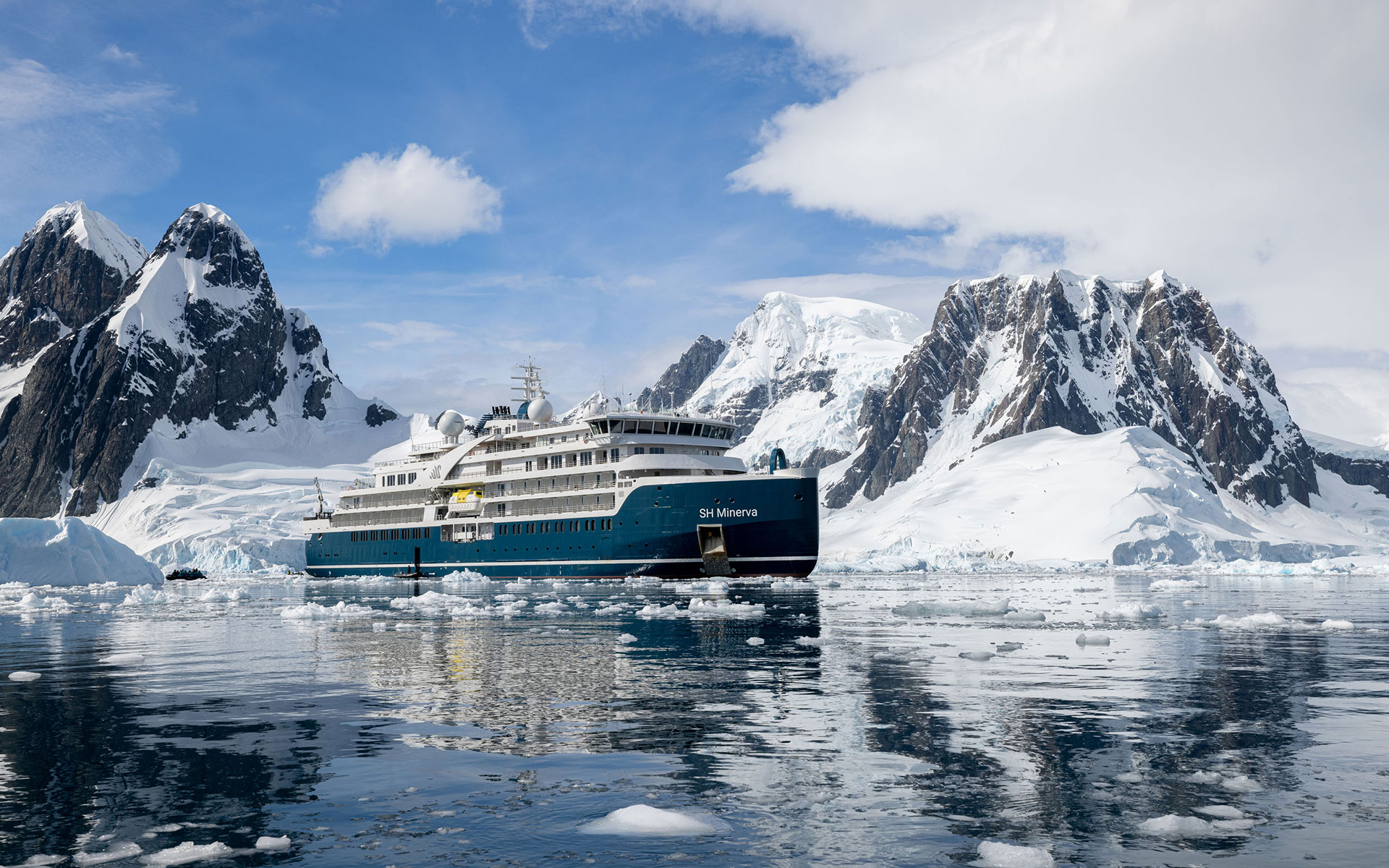
Today's adventure ship occupies a unique niche in maritime architecture. Modern expedition vessels are no longer austere, utilitarian platforms. Instead, they integrate luxury passenger accommodations with state-of-the-art scientific and exploratory equipment, including:
- Remote Underwater Vehicles (ROVs) and Submersibles: Allowing passengers and researchers to explore benthic zones and abyssal plains.
- Zodiac Fleet Integration: Hydraulic launch platforms and specialized garages enabling rapid deployment of rigid-hull inflatable boats for shore landings in remote locations like Antarctica, Svalbard, and the Northwest Passage.
- Citizen Science Laboratories: Dedicated onboard spaces where travelers collect water samples, track marine mammal populations, and assist researchers with real-time climate data gathering.
Environmental Legacy and Sustainability Challenges
The legacy of the adventure ship is closely intertwined with environmental stewardship. Historically, early explorers and commercial vessels treated remote oceans and coastlines with little regard for waste management or local ecosystems. Heavy fuel oils, untreated wastewater disposal, and acoustic disturbance to marine life posed significant threats to fragile polar and remote marine habitats.
Modern Green Technologies in Adventure Shipbuilding
Contemporary naval architects and shipbuilders face rigorous environmental mandates, leading to the rapid adoption of green maritime technologies:
- Liquefied Natural Gas (LNG) and Low-Emission Fuels: Transitioning away from heavy fuel oil toward cleaner-burning alternatives to significantly reduce sulfur oxide and particulate emissions.
- Advanced Wastewater Treatment Systems (AWTS): Ensuring that greywater and blackwater are treated to near-drinking-water standards before discharge.
- Dynamic Positioning and Hull Optimization: Utilizing advanced computer modeling to minimize hydrodynamic drag, thereby reducing fuel consumption and carbon footprints during extended voyages.
- Strict Biosecurity Protocols: Incorporating vacuum-cleaning stations, boot-washing facilities, and mandatory equipment disinfection procedures to prevent the introduction of invasive species, seeds, or pathogens to pristine island ecosystems.
Frequently Asked Questions
What defines an adventure ship compared to a conventional cruise ship?
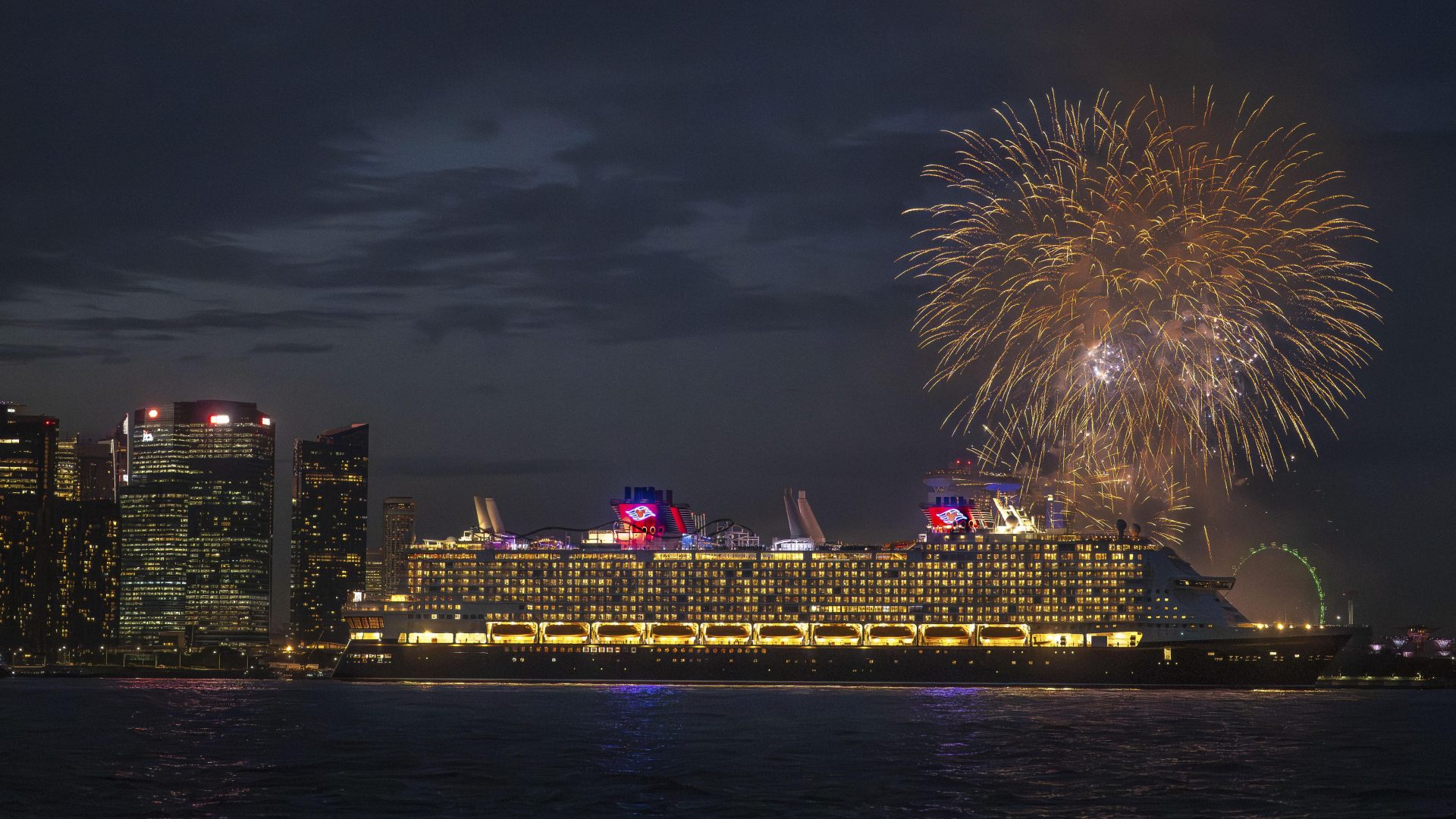
An adventure ship is typically smaller, ice-strengthened, and equipped with specialized navigational and safety gear designed to operate in remote, ice-prone, or shallow waters. Unlike conventional cruise ships that focus on onboard entertainment and large ports of call, adventure ships focus on destination immersion, offering Zodiac landings, expert lecture series, and active exploration.
How did historic adventure ships survive crushing ice pressures?
Historic adventure ships survived ice pressure through specialized hull geometry—specifically rounded, egg-shaped cross-sections that caused the ice to push the ship upward rather than inward. They also utilized dense, multi-layered hardwood construction and heavy internal bracing to distribute structural loads.
What is the IMO Polar Code and why is it important?
The International Code for Ships Operating in Polar Waters (Polar Code) is an international regulatory framework set by the International Maritime Organization. It establishes mandatory safety and environmental standards for ships operating in Arctic and Antarctic waters, addressing hazards unique to polar regions such as ice accretion, low temperatures, and remote locations.
Can modern adventure ships break through thick multi-year ice?
Only specific heavy icebreakers classified under Polar Category A (PC 1 to PC 3) can continuously break multi-year polar ice. Most commercial passenger adventure ships fall into Category B (PC 5 to PC 7), meaning they are designed to navigate medium first-year ice and marginal ice zones with structural safety, but generally avoid thick multi-year pack ice.
What role do modern adventure ships play in scientific research?
Many modern expedition vessels actively support scientific research by providing berths for researchers, deploying oceanographic sensors, collecting meteorological data, and offering citizen science programs that engage travelers in gathering valuable ecological data in remote regions.
Conclusion and Future Outlook
The history and legacy of the adventure ship reflect humanity’s enduring curiosity and technological ingenuity. From the oak timbers of the Fram and Endurance to the diesel-electric, ice-strengthened expedition vessels of the modern era, these ships have consistently pushed the boundaries of what is possible in maritime engineering. As maritime regulations tighten, environmental technologies advance, and the demand for remote exploration grows, the future adventure ship will continue to balance the thrill of discovery with a profound commitment to protecting the fragile environments it traverses.