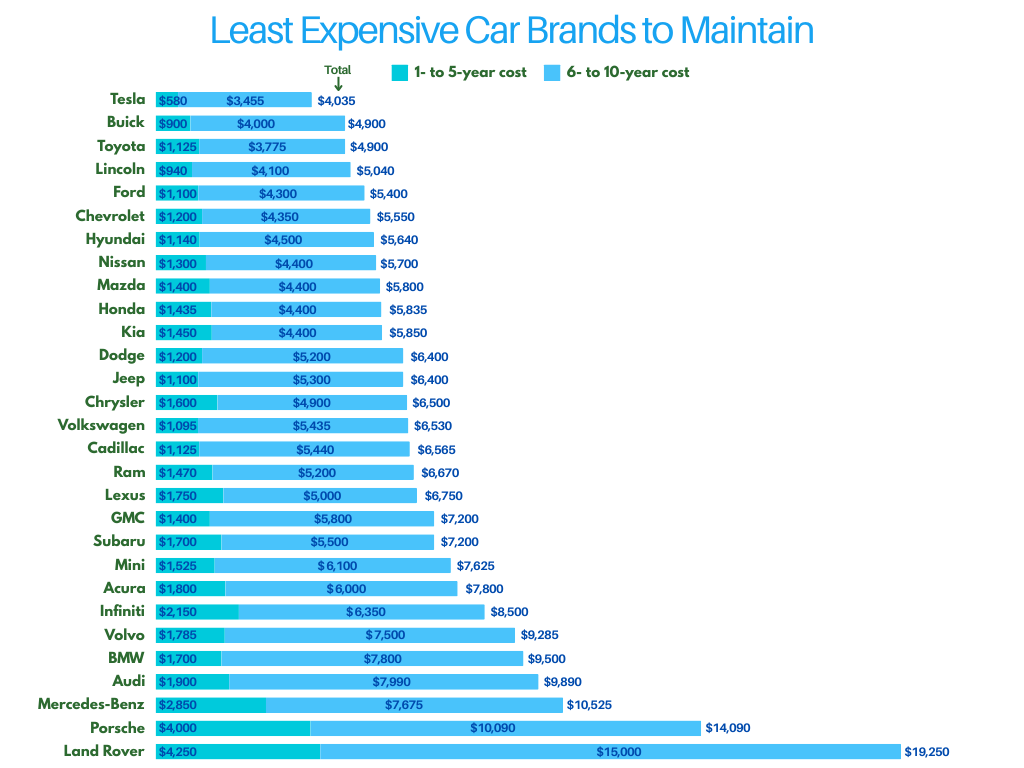
Acura cars are generally considered affordable to maintain compared to other luxury brands. While their annual service costs are higher than standard brands like Honda or Toyota, they typically cost significantly less than European competitors like BMW, Mercedes-Benz, or Audi due to shared components with Honda and high overall reliability.
In the 2026 automotive landscape, the question of maintenance costs is more relevant than ever. As vehicle technology becomes increasingly complex—incorporating advanced driver-assistance systems (ADAS), hybrid powertrains, and sophisticated all-wheel-drive mechanics—the price of keeping a premium vehicle on the road has naturally risen. However, Acura continues to occupy a strategic middle ground. It offers the prestige and performance of a luxury marque while leveraging the legendary engineering efficiency of its parent company, Honda.
Understanding Acura’s Position in the Luxury Market
To understand if Acura is "expensive" to maintain, one must define the benchmark. If you are transitioning from a mass-market brand like Ford or Chevrolet, you will notice a price increase at the service desk. However, if you are moving from a German luxury brand, an Acura will likely feel like a bargain.
Acura’s maintenance philosophy is rooted in "Precision Crafted Performance." This means the vehicles are engineered for higher stress and better response than a standard economy car, requiring higher-grade fluids, performance-rated tires, and more frequent inspections of complex systems like the Super Handling All-Wheel Drive (SH-AWD). Despite this, because many Acura models share platforms and engine architectures with Honda models (such as the Civic, Accord, and Pilot), parts availability is high and specialized training for mechanics is widespread. This "shared DNA" is the primary reason Acura avoids the exorbitant repair costs associated with low-volume European imports.
Average Annual Maintenance Costs: Acura vs. The Competition
As of 2026, the average annual maintenance and repair cost for an Acura vehicle typically ranges between $550 and $750. This figure includes both scheduled preventative maintenance (oil changes, tire rotations, fluid flushes) and unscheduled repairs (replacing a failed sensor or a worn alternator).
To provide perspective, consider how Acura stacks up against other major brands in the 2026 market:
- Honda/Toyota: $400 – $550 per year.
- Acura/Lexus: $550 – $800 per year.
- BMW/Mercedes-Benz: $1,000 – $1,600 per year.
- Land Rover/Porsche: $1,800+ per year.
Acura and Lexus consistently battle for the top spot in luxury reliability rankings. While Acura parts are sometimes slightly more expensive than Lexus parts (which benefits from Toyota’s massive global supply chain), both brands are vastly more economical to own over a 10-year period than their European counterparts.
Factors Influencing Acura Maintenance Expenses
Several specific factors contribute to the cost of maintaining an Acura. Understanding these can help owners budget effectively and avoid "sticker shock" during service appointments.
1. Proprietary Technology and Parts
While Acuras share many "under-the-skin" components with Hondas, they also feature exclusive technology. The SH-AWD system, for example, is a sophisticated torque-vectoring mechanical marvel. It requires specific rear differential fluid changes that are more frequent than those in a standard front-wheel-drive car. Using the wrong fluid or neglecting this service can lead to expensive mechanical failures. Similarly, Acura’s Electronic Gear Selector and Jewel Eye LED headlights are premium components that, if damaged, cost significantly more to replace than standard halogen or basic LED units.
2. Labor Rates and Specialized Service
When you take an Acura to a dealership, you are paying for luxury-tier labor rates. Dealerships invest heavily in specialized diagnostic tools and technician training specifically for the Acura Precision Crafted lineup. In 2026, dealership labor rates in metropolitan areas can range from $180 to $250 per hour. While you can save money by taking your Acura to an independent mechanic, certain software updates and calibrations for the AcuraWatch safety suite may still require dealership-level equipment.
3. Recommended Fluid and Fuel Requirements
Most modern Acura engines, particularly the turbocharged 2.0L and 3.0L V6 units found in the RDX, TLX, and MDX, require full synthetic oil. While synthetic oil lasts longer, it is more expensive per quart than conventional or synthetic blends. Additionally, while some Acuras can run on regular 87-octane fuel, the manufacturer "recommends" or "requires" 91-octane premium fuel for optimal performance and engine longevity. Over the course of 15,000 miles a year, the fuel price delta between an Acura and a standard Honda can be a significant "hidden" maintenance cost.
Breakdown of Common Maintenance Tasks and Estimated Costs
The following table outlines the typical maintenance items an Acura owner might encounter in 2026. These prices are estimates based on national averages for mid-sized models like the Acura RDX or TLX.
| Service Item | Frequency (Typical) | Estimated Cost (Dealer) | Estimated Cost (Independent) |
|---|---|---|---|
| Synthetic Oil & Filter Change | 7,500 - 10,000 Miles | $110 - $160 | $80 - $110 |
| Tire Rotation & Balance | 7,500 Miles | $60 - $100 | $40 - $70 |
| Engine Air & Cabin Filter | 15,000 - 30,000 Miles | $120 - $180 | $60 - $90 |
| Brake Pad Replacement (Per Axle) | 30,000 - 50,000 Miles | $350 - $500 | $250 - $350 |
| Differential Fluid (SH-AWD) | 30,000 Miles | $150 - $220 | $100 - $150 |
| Transmission Fluid Flush | 60,000 Miles | $250 - $350 | $180 - $260 |
| Spark Plug Replacement | 100,000 Miles | $400 - $600 | $250 - $400 |
| Battery Replacement (AGM Type) | 3 - 5 Years | $250 - $400 | $200 - $300 |
The Role of the Acura Maintenance Minder
Acura utilizes a sophisticated onboard computer system called the Maintenance Minder. Rather than following a rigid "every 5,000 miles" schedule, the system monitors engine operating conditions, ambient temperature, and driving habits to determine when service is actually needed.
When the "Service Due Soon" light appears, it displays a code (e.g., A1, B12).
- Main Codes (A/B): Refer to basic oil changes and mechanical inspections.
- Sub Codes (1-6): Refer to specific tasks like tire rotations, air filters, or spark plugs.
By following the Maintenance Minder, owners avoid paying for unnecessary service, which helps keep long-term costs down. However, it is vital not to ignore these codes, as the turbocharged engines in current Acura models are less tolerant of old oil than the naturally aspirated engines of the past.
Model-Specific Reliability: MDX, RDX, and TLX
Not all Acuras are created equal when it comes to maintenance budgets. The complexity of the vehicle often dictates the long-term cost.
Acura MDX
As the largest and heaviest vehicle in the lineup, the MDX puts more strain on its braking system and tires. Owners should expect to replace tires and brake pads slightly more frequently than they would on a smaller sedan. The MDX Type S, with its air suspension and Brembo brakes, will naturally have higher maintenance costs than the base MDX.
Acura RDX
The RDX is widely considered one of the most reliable luxury compact SUVs. Since transitioning to the 2.0L turbocharged engine, it has shown excellent durability. The main maintenance concern for RDX owners is ensuring the turbocharger remains healthy through consistent, high-quality oil changes.
Acura TLX and Integra
The Integra, reintroduced recently, is the most affordable Acura to maintain. Because it shares a significant amount of its architecture with the Honda Civic, parts are plentiful and inexpensive. The TLX, being a larger performance sedan, sits in the middle of the spectrum, with the Type S variant commanding a premium for its specialized performance components.
Acura’s Precision Crafted Maintenance Program
To stay competitive in the 2026 market, Acura has expanded its factory-covered maintenance programs. Many new Acura models come with Acura Maintenance Program coverage for the first two years or 24,000 miles (whichever comes first). This covers basic oil and filter changes, tire rotations, and multi-point inspections.
This program effectively reduces the "cost of entry" for the first few years of ownership. Prospective buyers should check if the specific vehicle they are interested in qualifies for this program, as it can save roughly $300 to $500 in the first two years of ownership. For information on current coverage limits, owners should consult the official Acura Owners site.
Tips for Reducing Acura Ownership Costs
- Utilize Honda Parts for Common Items: For items like oil filters, crush washers, and certain sensors, the Honda-branded part is often identical to the Acura-branded part but costs 20-30% less.
- Independent Specialists: Find a reputable independent mechanic who specializes in Japanese imports. They often have the same diagnostic software as the dealer but lower labor rates.
- Preventative Fluid Changes: Especially for SH-AWD models, changing fluids on time is the best way to avoid a multi-thousand-dollar repair bill for a differential or transmission later.
- Check for Recalls: Use the NHTSA Recall Look-up tool regularly. Acura is proactive with recalls, and having these addressed for free can prevent related parts from wearing out prematurely.
- Tire Maintenance: Acura’s performance-oriented alignments can lead to inner-tire wear if not checked. Regular rotations and annual alignments can extend tire life by 10,000 miles or more.
Frequently Asked Questions
Do Acuras require premium gas?
Most Acura models recommend premium (91 octane or higher) for maximum performance. While the engine's knock sensors can adjust for 87 octane, using lower-grade fuel over long periods may slightly reduce fuel economy and power output, potentially offsetting the savings at the pump. For Type S models, premium fuel is usually required to prevent engine damage.
Can I get my Acura serviced at a Honda dealership?
Yes, most Honda dealerships can perform routine maintenance on Acura vehicles, such as oil changes and brake work. However, they may not be able to perform specialized warranty work or complex repairs involving Acura-specific technology like SH-AWD or certain AcuraWatch components. Using a Honda dealer for basic service can often save $20-$40 per hour in labor costs.
How long do Acura cars typically last?
With proper maintenance, it is common for Acura vehicles to exceed 200,000 miles. Their engines and transmissions are widely regarded as some of the most durable in the luxury segment. The key to this longevity is strictly following the Maintenance Minder and addressing minor leaks or noises before they escalate.
Are Acura parts more expensive than Honda parts?
Generally, yes. While some components are shared, Acura-specific parts (body panels, interior trim, LED lighting, and performance suspension components) carry a "luxury tax." However, compared to parts for a Mercedes-Benz or Audi, Acura parts are still significantly more affordable and easier to source.
Is the Acura extended warranty worth it?
If you plan to keep your Acura past the 4-year/50,000-mile bumper-to-bumper warranty, an extended service contract (Acura Care) can provide peace of mind. Given the high cost of modern electronics and sensors in 2026, a single major sensor failure or infotainment replacement can often pay for the cost of the warranty.
Final Recommendation
Acura cars are not expensive to maintain when viewed through the lens of the luxury vehicle market. They offer a rare combination of premium features and "sensible" maintenance requirements. For a driver who wants a high-end experience without the high-end repair bills associated with European cars, Acura remains one of the most financially sound choices in 2026. To maximize your value, follow the Maintenance Minder diligently, use high-quality synthetic fluids, and consider an independent specialist for non-warranty repairs.