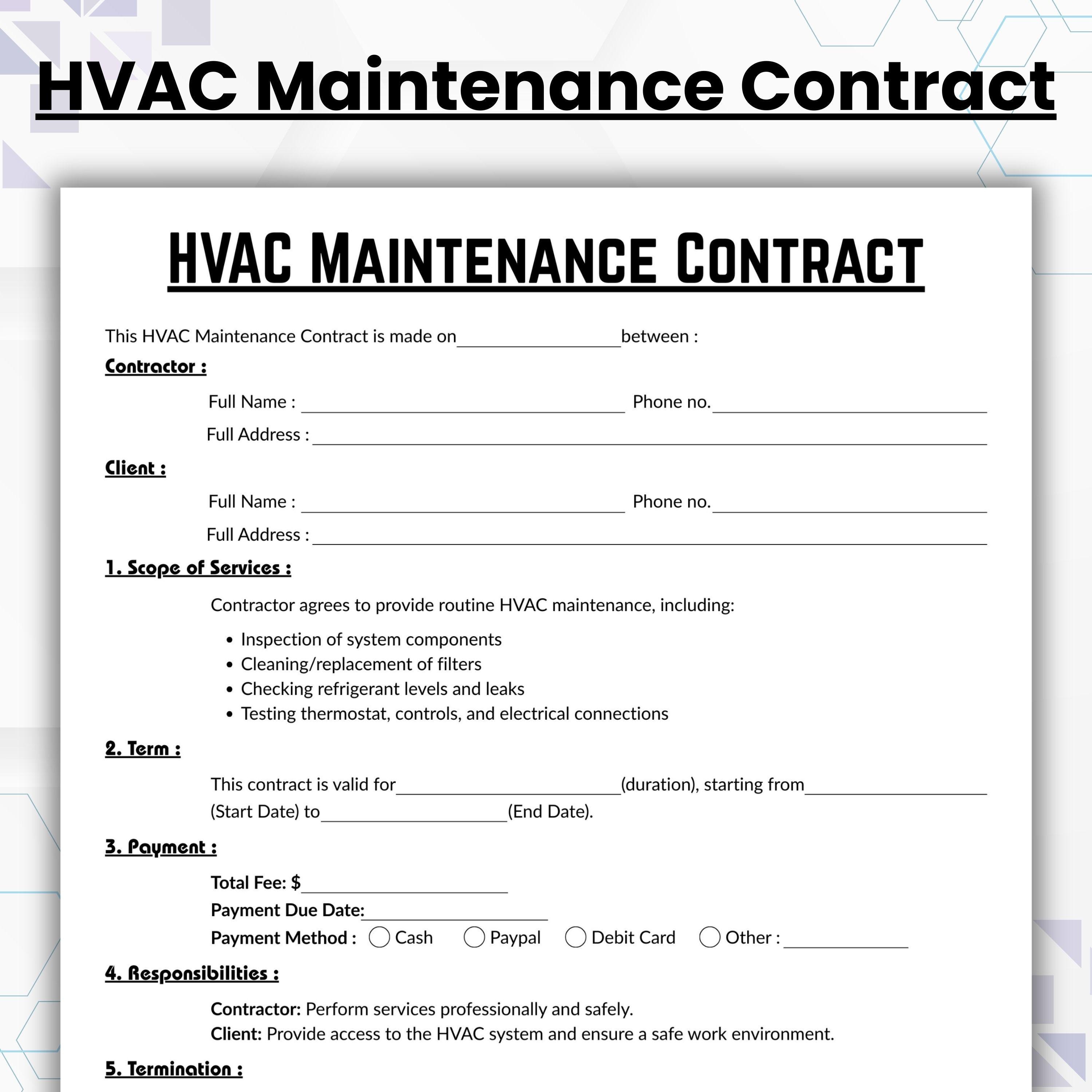
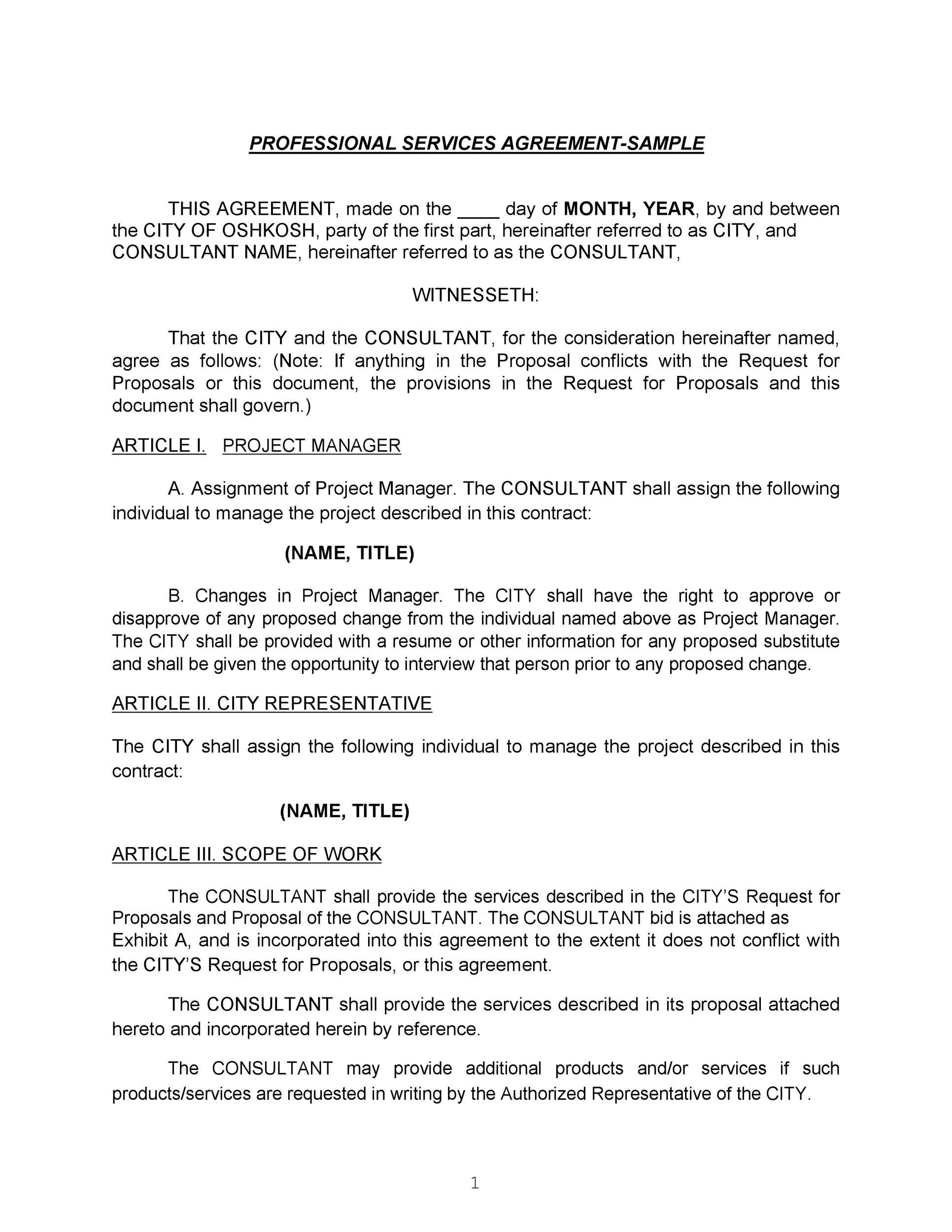
An AC service agreement is a preventative maintenance contract between a homeowner and an HVAC professional designed to ensure an air conditioning system operates at peak efficiency. These agreements typically include two annual precision tune-ups, priority scheduling for repairs, discounted parts and labor, and the documentation required to maintain valid manufacturer warranties.
As we move through 2026, the complexity of residential cooling systems has increased significantly. With the widespread adoption of high-efficiency SEER2 standards and the transition to newer, more environmentally friendly refrigerants, the role of professional oversight has shifted from a luxury to a necessity. An AC service agreement, often called a maintenance plan or comfort club, provides a structured framework for this oversight, balancing cost-effectiveness with system reliability.
What is an AC Service Agreement?
At its core, an AC service agreement is a proactive strategy for home climate management. Rather than waiting for a system to fail during a mid-summer heatwave, a homeowner pays an annual or monthly fee to secure scheduled professional care. This relationship shifts the burden of remembering maintenance tasks from the resident to the service provider, who tracks the system’s history and performance metrics over time.
In 2026, these agreements have evolved. Many now include digital integration, where technicians use diagnostic tools to compare current system performance against historical data stored in the cloud. This allows for "predictive maintenance"—identifying a failing capacitor or a struggling blower motor before the component actually breaks. By formalizing this relationship, homeowners secure a "first-in-line" status, which is invaluable during peak seasons when repair wait times can otherwise stretch into weeks.
Core Components of a Standard Maintenance Plan
While every HVAC company structures their plans differently, most competitive 2026 service agreements share several foundational pillars. Understanding these components helps in evaluating whether a specific plan offers true value.
Scheduled Precision Tune-Ups
The centerpiece of any agreement is the semi-annual visit. Typically, one visit occurs in the spring to prepare the cooling system for summer, and one in the fall to inspect the heating components. During the AC-focused visit, a technician performs a multi-point inspection that covers mechanical, electrical, and airflow systems. This is not a mere "glance-over"; it involves cleaning internal components that a homeowner cannot safely reach.
Priority Service Status
During extreme temperature fluctuations, HVAC companies receive an influx of emergency calls. Subscribers to a service agreement are moved to the top of the list. In many contracts, providers guarantee a technician will arrive within 24 to 48 hours of a reported issue, regardless of the current call volume. This "VIP" access is often the primary reason property managers and families with vulnerable members (such as infants or the elderly) invest in these plans.
Financial Discounts and Incentives
Service agreements almost always include a flat-rate discount on repairs—typically ranging from 10% to 20%. Furthermore, many providers waive "diagnostic fees" or "service call fees" for members, which can save $80 to $150 per incident. Some premium plans even offer "loyalty credits," where a portion of the annual membership fee is set aside as a credit toward the eventual purchase of a new system.
The Technical Inspection: What Happens During a Visit?
To understand the value of an AC service agreement, one must look at the technical tasks performed during a maintenance visit. Modern systems are sensitive to minor fluctuations in pressure and electrical resistance.
Refrigerant Level Verification
With the industry-wide transition to refrigerants like R-454B and R-32, maintaining the correct charge is more critical than ever. Technicians check for leaks and ensure the refrigerant level matches the manufacturer’s specifications. An overcharged or undercharged system can lead to compressor failure—the most expensive part of the unit to replace.
Coil Cleaning and Inspection
Both the evaporator coil (indoor) and the condenser coil (outdoor) must be clean to facilitate heat transfer. A thin layer of dust or biological growth can reduce efficiency by 15% or more. Technicians use specialized non-acidic cleaners to remove buildup without damaging the delicate aluminum fins.
Electrical Component Testing
Technicians measure the "amp draw" of motors and the capacitance of start/run capacitors. Capacitors act like batteries that give the motors the kick they need to start; they are also the most common point of failure in AC units. Identifying a weakened capacitor during a scheduled visit prevents a sudden system shutdown on a 100-degree day.
Condensate Drain Maintenance
Air conditioners remove moisture from the air. This moisture travels through a drain line. Over time, algae and debris can clog these lines, leading to water backups that can damage drywall or trigger a system shut-off. Service agreements include the "flushing" of these lines and the addition of anti-algae tablets.
Comparing AC Service Agreement Tiers
Most HVAC providers offer tiered options. The following table illustrates the typical differences found in 2026 service contracts.
| Feature | Basic Maintenance | Standard Agreement | Premium/Platinum |
|---|---|---|---|
| Annual Visits | 1 (Cooling only) | 2 (Heating & Cooling) | 2 + 1 Emergency Check |
| Repair Discount | None or 5% | 10% - 15% | 20% - 25% |
| Service Call Fee | Full Price | Discounted | Waived |
| Priority Scheduling | No | Yes (48-hour guarantee) | Yes (24-hour guarantee) |
| Labor Warranty | 30 Days | 90 Days | 1 Year |
| Consumables | Not included | Standard filters included | High-MERV filters/UV bulbs |
| Emergency Coverage | Standard rates | Reduced overtime rates | No overtime charges |
The Financial Impact: Is an Agreement Worth the Cost?
The cost of a residential AC service agreement in 2026 typically ranges from $180 to $350 per year, depending on the region and the complexity of the system (e.g., heat pumps vs. traditional central air). To determine if this is a sound investment, homeowners should consider three financial factors.
1. Energy Efficiency Savings
The U.S. Department of Energy notes that regular maintenance can reduce energy consumption by 5% to 15%. For a homeowner with a $200 monthly summer electric bill, a 10% savings equates to $20 per month. Over a five-month cooling season, this saves $100, covering a significant portion of the agreement’s annual cost.
2. Lifespan Extension
The average lifespan of a well-maintained AC unit is approximately 15 to 20 years. A neglected unit often fails between years 10 and 12. Replacing a system in 2026 can cost between $8,000 and $16,000. By extending the life of the unit by just five years through an agreement, the homeowner effectively reduces their "annualized cost of ownership" by thousands of dollars.
3. Avoiding "Catastrophic" Repairs
Many expensive repairs are the result of small problems snowballing. For instance, a clogged air filter causes the evaporator coil to freeze. A frozen coil can lead to liquid refrigerant returning to the compressor, which destroys it. A service agreement catches the clogged filter or the failing fan motor before the $3,000 compressor is compromised.
Warranty Compliance: The "Hidden" Requirement
A critical but often overlooked aspect of the AC service agreement is its role in manufacturer warranties. Most major brands (such as Carrier, Trane, and Lennox) include a clause in their limited warranties stating that the equipment must be maintained by a licensed professional to remain valid.
If a major component fails in year seven of a ten-year warranty, the manufacturer may request service records. If the homeowner cannot provide proof of annual professional maintenance, the manufacturer can legally deny the claim, leaving the homeowner to pay for the parts and labor out of pocket. A service agreement provides an automatic, timestamped paper trail of compliance.
Common Mistakes When Choosing an Agreement
Not all service agreements are created equal. Homeowners should be wary of "introductory" offers that seem too good to be true.
- Ignoring the Fine Print on Parts: Some agreements claim to cover "parts," but only cover minor items like fuses or contactors. Ensure you know exactly what is discounted and what is included.
- Assuming it Covers Everything: A service agreement is not a "no-cost repair" plan. It is a maintenance and discount plan. Do not confuse it with a labor-inclusive extended warranty.
- Failing to Verify Technician Credentials: Ensure the company uses NATE-certified (North American Technician Excellence) technicians. The quality of the inspection is only as good as the person performing it.
- Neglecting Transferability: If you plan to sell your home, check if the agreement is transferable to the new owner. A maintained system with a transferable service record is a strong selling point in real estate.
How to Select the Best HVAC Provider
When shopping for an AC service agreement in 2026, look for companies that demonstrate transparency and use modern technology. A reputable provider should offer:
- Written Checklists: You should receive a digital or physical copy of exactly what was checked, along with readings (e.g., "Suction pressure: 125 PSI").
- Photo Documentation: Many modern technicians take photos of your system’s internal components (like the heat exchanger or the blower wheel) to show you their condition.
- Clear Pricing: The cost of the agreement and the specific discounts on repairs should be clearly stated in the contract.
- Local Reputation: Check recent reviews on platforms like Google or the Better Business Bureau. Look specifically for how the company handles "priority" calls during heatwaves.
Frequently Asked Questions
How often should my AC be serviced under an agreement?
Standard industry guidelines recommend professional service twice a year. One visit should focus on the cooling system in the spring, and the second should focus on the heating system in the fall. This ensures the system is prepared for the specific stresses of the upcoming season.
Does an AC service agreement cover the cost of a new unit?
Generally, no. A service agreement is for maintenance and repairs. However, many companies offer member-only discounts on new equipment installations or "loyalty points" that accumulate over years of membership, which can be applied toward the purchase of a replacement system.
If my AC is brand new, do I still need a service agreement?
Yes. In fact, it is most important for new systems. To keep the manufacturer's 10-year parts warranty active, you must prove the unit was maintained annually. Additionally, a new system that is properly maintained from day one will operate much more efficiently than one allowed to accumulate dust and grime for its first few years.
Can I cancel my service agreement at any time?
Cancellation policies vary by provider. Most annual agreements allow for cancellation but may not offer a prorated refund if the year's maintenance visits have already been performed. Monthly "subscription" models are typically more flexible but may require a minimum commitment period.
Is a service agreement the same as a home warranty?
No. A home warranty is a form of insurance that covers the cost of repairs for many appliances after they break. An AC service agreement is a preventative maintenance plan specifically for your HVAC system. Service agreements focus on preventing breakdowns, while home warranties focus on paying for them after they occur.
Practical Recommendation
For most homeowners in 2026, the Standard Agreement (two visits per year with priority scheduling) offers the best balance of cost and protection. If your system is more than 10 years old, upgrading to a Premium tier with waived service call fees and higher repair discounts is often more economical, as the likelihood of needing a repair increases with the age of the unit. Before signing, always verify that the provider is licensed in your specific state and that their technicians are NATE-certified to ensure the highest standard of technical care.