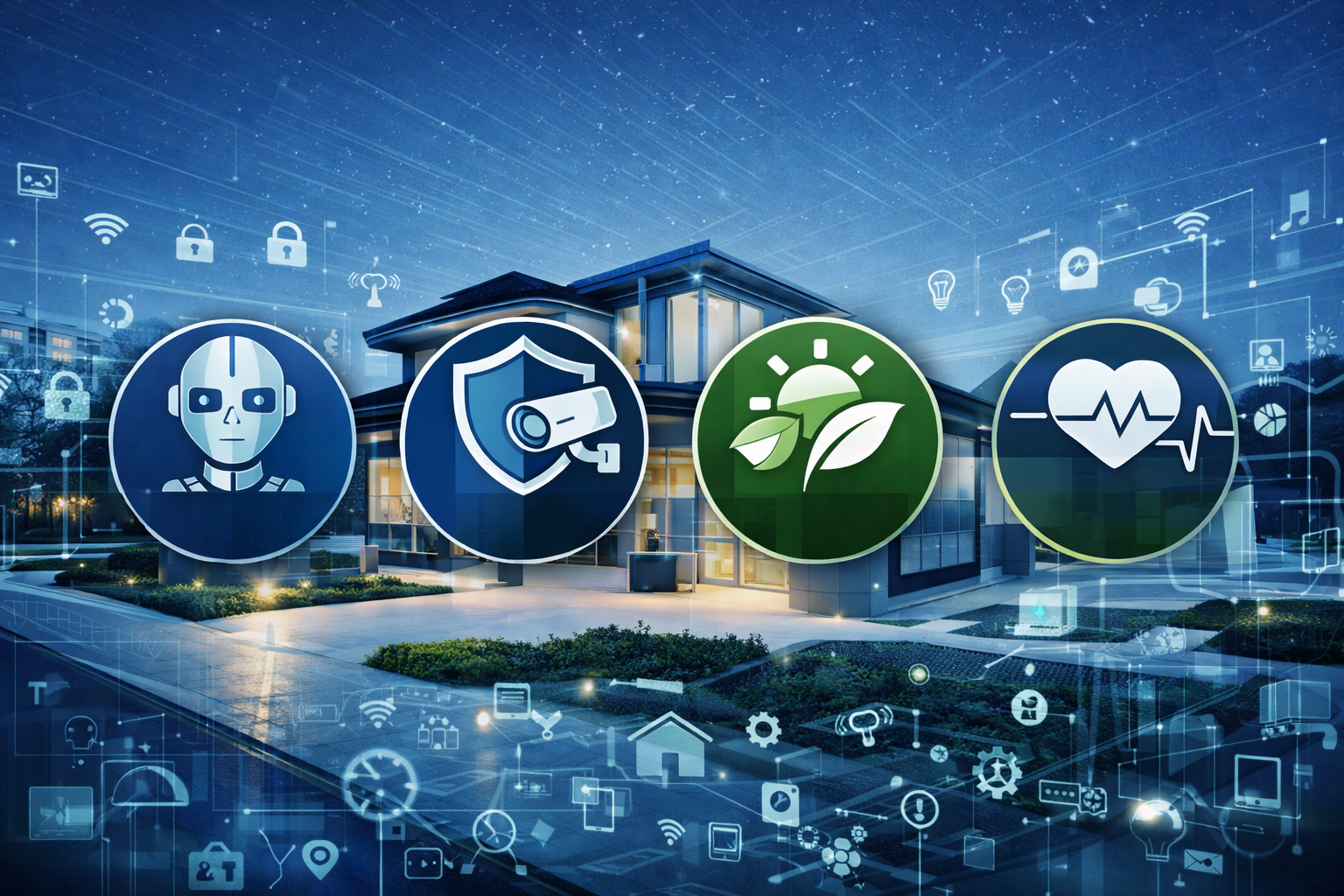
The 2026 MHA (Manufactured Housing Association) Conference has established a new benchmark for residential technology, highlighting a pivot toward autonomous energy management, advanced AI-driven ambient intelligence, and the universal adoption of Matter 2.0. These trends focus on creating seamless, self-sustaining ecosystems that prioritize interoperability and proactive health monitoring over traditional reactive automation.
The annual MHA Conference is widely regarded as the premier event for the intersection of attainable housing and cutting-edge technology. In 2026, the focus has shifted away from novelty gadgets toward integrated systems that address the core challenges of modern living: energy costs, security, and the aging-in-place demographic. As manufactured and modular homes continue to capture a larger share of the real estate market, the "smart" features being standardized within these structures are defining the expectations for the broader housing industry.
The Evolution of Ambient Intelligence and Generative AI
One of the most significant revelations at the 2026 MHA Conference is the transition from "Smart Homes" to "Intuitive Homes." Previous iterations of home automation relied heavily on user-defined "if-this-then-that" (IFTTT) routines. However, the 2026 trends showcase the integration of Generative AI agents that operate locally within the home’s edge computing hub.
These AI agents do not merely wait for a voice command; they analyze patterns of movement, environmental data, and historical preferences to anticipate needs. For example, the latest systems demonstrated at the conference can adjust a home's thermal envelope by managing smart shades and HVAC settings before a predicted heatwave arrives, rather than reacting once the interior temperature has already risen. This "predictive maintenance" for the living environment reduces energy waste and increases the longevity of mechanical systems.
Furthermore, the "voice assistant" has evolved into a multimodal interface. In 2026, the industry is moving away from the "always listening" speaker model toward vision-based and gesture-based interaction that respects privacy by processing data locally. This shift addresses a long-standing consumer concern regarding cloud-based data harvesting, which was a major point of discussion during the MHA tech panels.
Matter 2.0: Achieving True Interoperability
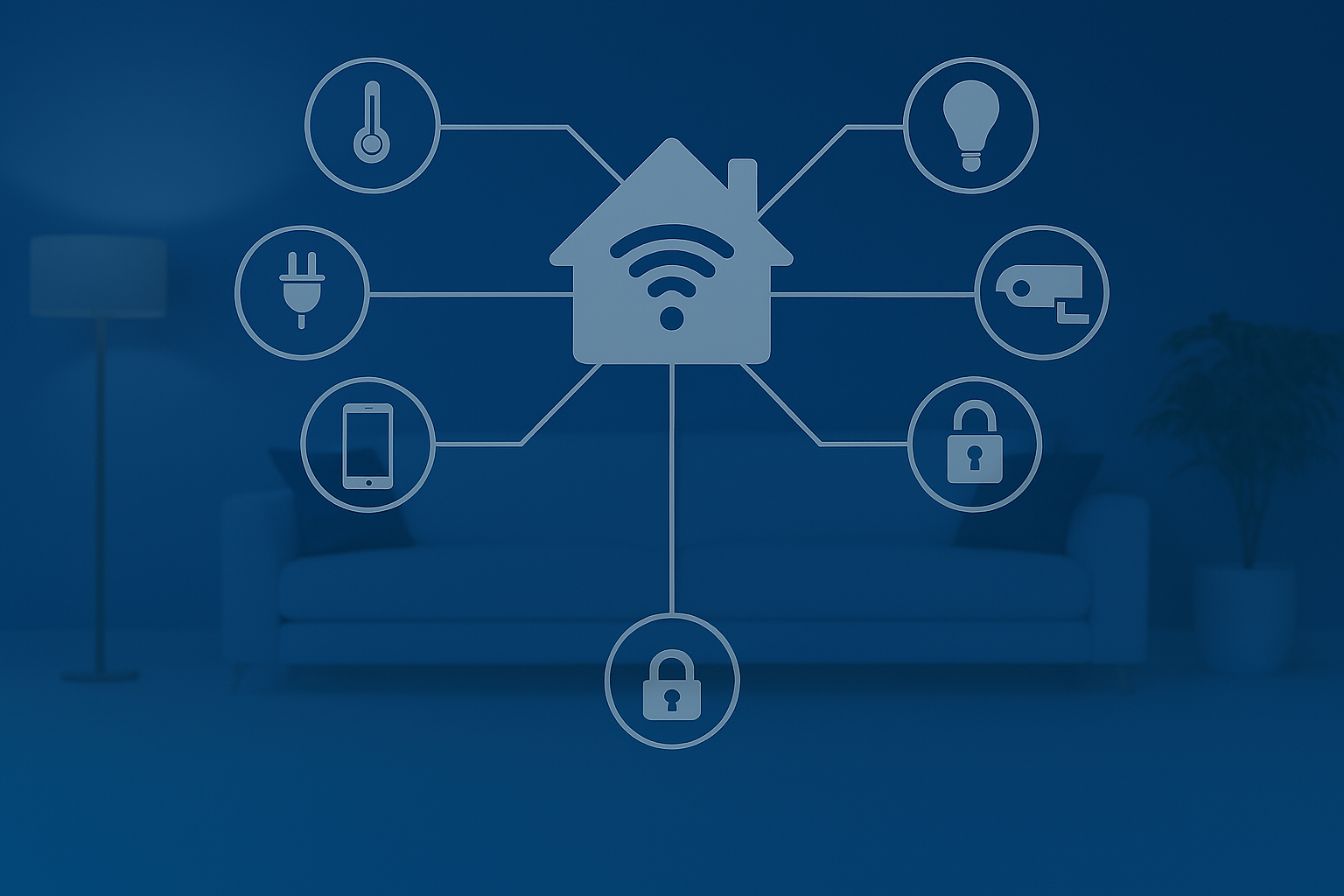
For years, the fragmentation of the smart home market—divided between proprietary ecosystems—was a barrier to entry. The 2026 MHA Conference has confirmed that Matter 2.0 is now the mandatory standard for all certified manufactured housing components. This protocol, developed by the Connectivity Standards Alliance (CSA), has finally solved the "walled garden" problem.
In 2026, interoperability is no longer a luxury feature. Whether a homeowner chooses appliances from a legacy manufacturer or a startup, the Matter 2.0 framework ensures that devices communicate via Thread or Wi-Fi 7 without requiring multiple bridges or complex hubs. This standardization is particularly crucial for the manufactured housing sector, where factory-installed tech must be reliable and easy for the end-user to manage from the day they move in.
The conference highlighted "Zero-Touch Provisioning," a feature of the latest Matter updates. When a new smart appliance is brought into a 2026-standard home, it is automatically detected and authenticated by the home’s secure gateway, requiring only a single tap on a smartphone to integrate it into the existing ecosystem.
Energy Independence and Smart Grid Integration
Energy management emerged as the dominant theme of the 2026 MHA Conference. With rising utility costs and a greater emphasis on sustainability, the "Smart Home" is now synonymous with the "Energy Efficient Home." The new trends reveal a deep integration between the home, the electric vehicle (EV), and the local power grid.
Vehicle-to-Home (V2H) Mastery
In 2026, the home is no longer just a consumer of energy; it is a storage node. The conference showcased standardized V2H systems where the EV serves as a backup battery for the entire house. During peak pricing hours, the home draws power from the car; during off-peak hours (usually at night), it recharges the car. This bidirectional energy flow is managed by AI that tracks real-time utility rates and weather forecasts.
Smart Breaker Panels
The traditional fuse box has been replaced by the "Intelligent Load Center." These panels allow homeowners to see exactly how much energy every circuit—and every individual appliance—is consuming. In the event of a power outage, the smart panel automatically sheds non-essential loads (like the dishwasher or guest room AC) to preserve power for the refrigerator and medical equipment.
Health-Centric Living: The Home as a Caregiver
As the global population ages, the 2026 MHA Conference underscored a massive investment in "Aging in Place" technology. These are not just emergency buttons; they are sophisticated biosensing environments designed to monitor health without being intrusive.
New smart home trends for 2026 include:
- mmWave Radar Sensors: These sensors can detect a fall or even changes in a person’s gait or breathing patterns without the use of cameras, preserving privacy while ensuring safety.
- Circadian Lighting 2.0: Lighting systems now automatically adjust their color temperature and intensity based on the time of day and the specific physiological needs of the inhabitants, which has been shown to improve sleep quality and cognitive function.
- Air Quality Remediation: 2026 systems integrate high-end HEPA filtration with VOC (Volatile Organic Compound) sensors that increase air exchange rates when pollutants are detected, a feature that has become standard in new MHA-certified modular homes.
Comparing Smart Home Standards: 2024 vs. 2026
The following table outlines the technical and functional shifts highlighted at the conference, showing how far the industry has moved in just two years.
| Feature | 2024 Standard | 2026 MHA Trend |
|---|---|---|
| Connectivity Protocol | Matter 1.2 (Basic support) | Matter 2.0 (Full interoperability) |
| AI Location | Cloud-based (latency issues) | Edge Computing (Local, fast, private) |
| Interaction | Voice Commands / Apps | Ambient / Gesture / Predictive |
| Energy Management | Monitoring only | Active Bidirectional (V2H/V2G) |
| Security | Motion Sensors / Cameras | mmWave Radar / Biometric encryption |
| Networking | Wi-Fi 6E | Wi-Fi 7 & Thread Mesh |
| Installation | DIY / Aftermarket | Factory-Integrated (Standard) |
Cybersecurity and Data Sovereignty
As homes become more connected, the attack surface for cyber threats increases. The 2026 MHA Conference dedicated a significant portion of its agenda to the "Cyber-Secure Home" initiative. The industry has moved toward a "Zero Trust" architecture for home networks.
In this model, every device must be individually authenticated before it can communicate with other devices on the network. This prevents a compromised smart lightbulb from being used as a gateway to access the homeowner’s personal computer or security cameras. Additionally, the 2026 trends emphasize Data Sovereignty, where all sensitive behavioral data is stored on a physical "Home Vault" rather than in the manufacturer's cloud. This ensures that even if a company goes out of business or suffers a data breach, the homeowner's data remains safe within their own four walls.
Impact on the Manufactured Housing Market
The MHA Conference is unique because it focuses on how these technologies can be deployed at scale in affordable housing. For 2026, the "Smart Home" is no longer an expensive add-on. Manufacturers are now building these systems directly into the chassis and walls of the homes during the factory phase.
By integrating tech during construction, builders can hide sensors, pre-wire for high-capacity networking, and install high-efficiency heat pumps that are optimized for AI control. This reduces the "tech debt" for homeowners and ensures that the home remains relevant and upgradable for decades. The MHA reports that homes equipped with the 2026 smart package have a 15% higher resale value and 30% lower monthly utility costs compared to non-smart counterparts.
Frequently Asked Questions
What is the most important trend from the 2026 MHA Conference?
The most significant trend is the transition to Ambient Intelligence. Unlike earlier smart homes that required constant user input via voice or apps, 2026 systems use local AI and mmWave sensors to anticipate user needs and manage the home's environment autonomously. This reduces "app fatigue" and makes the technology more accessible to non-technical users.
Does Matter 2.0 mean I can mix and match any brand?
Yes. Matter 2.0 has solidified the interoperability between major ecosystems like Apple Home, Google Home, Amazon Alexa, and Samsung SmartThings. At the 2026 MHA Conference, it was demonstrated that devices from different manufacturers can now share advanced telemetry data, allowing for more complex automations that were previously impossible across different brands.
How does the 2026 smart home save money on electricity?
Savings are achieved through Active Load Management and V2H integration. The home’s AI monitors real-time electricity prices and shifts energy-intensive tasks (like laundry or EV charging) to times when rates are lowest. Additionally, the home can use an EV battery to power the house during peak hours, significantly reducing the reliance on expensive grid power.
Are these smart home features secure from hackers?
The 2026 standards prioritize Local Processing and Zero Trust Networking. By processing data on a local edge hub instead of the cloud, your personal habits are not stored on external servers. The Zero Trust architecture ensures that every device on the network is continuously verified, making it much harder for hackers to move laterally through your home's system.
Can these features be retrofitted into older manufactured homes?
While many of the 2026 trends focus on factory-integrated systems, most of the Matter 2.0 and AI-hub technologies are available as aftermarket upgrades. However, the conference noted that full energy independence (like V2H) often requires specific electrical panel upgrades that are easier to implement in new builds than in older retrofits.
Recommendation for Homeowners and Builders
For those looking to capitalize on the trends revealed at the 2026 MHA Conference, the first step is to prioritize infrastructure over gadgets. If you are building or buying a new home, ensure it is equipped with a Matter 2.0-compliant gateway and a smart electrical panel. These components serve as the foundation for all other technology.
For existing homeowners, transitioning to a local edge computing hub is the most effective way to improve privacy and system speed. Avoid purchasing any new devices that do not explicitly support Matter and Thread, as older proprietary protocols are rapidly becoming obsolete. By focusing on interoperability and energy management, you can create a home that is not only "smart" but also resilient and cost-effective for the years ahead.