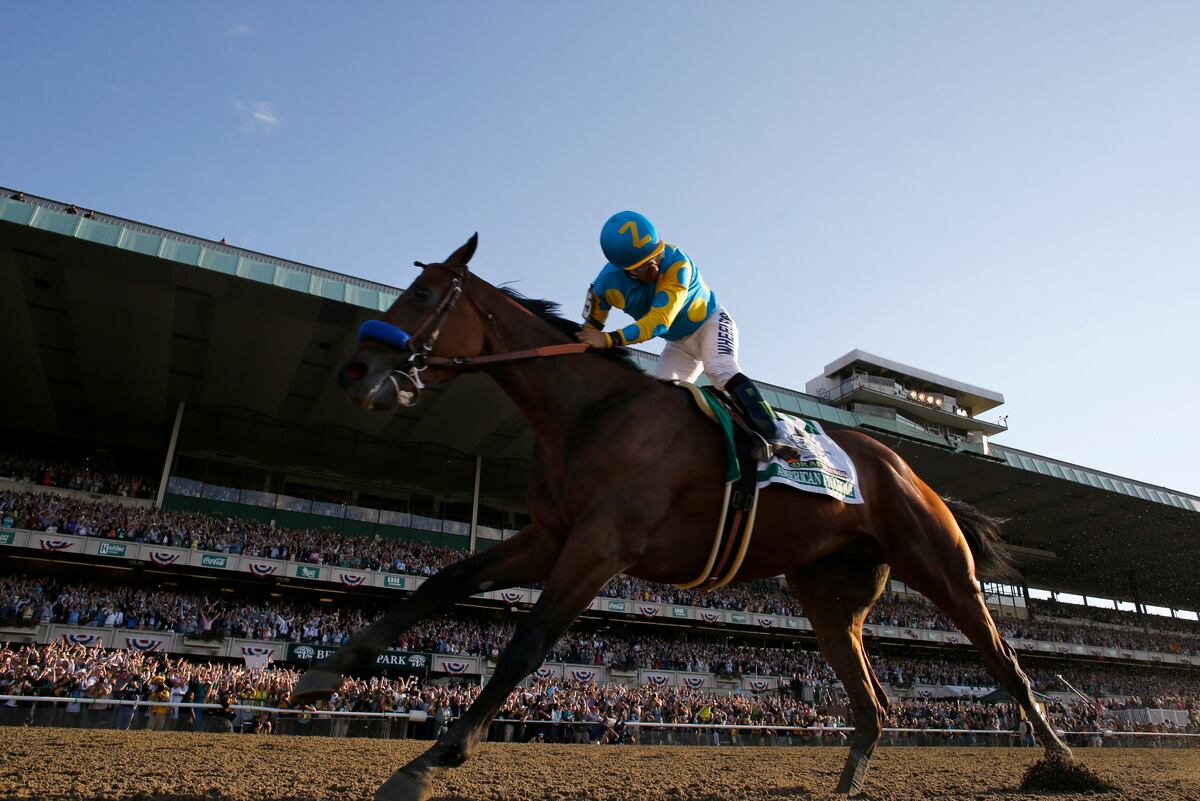
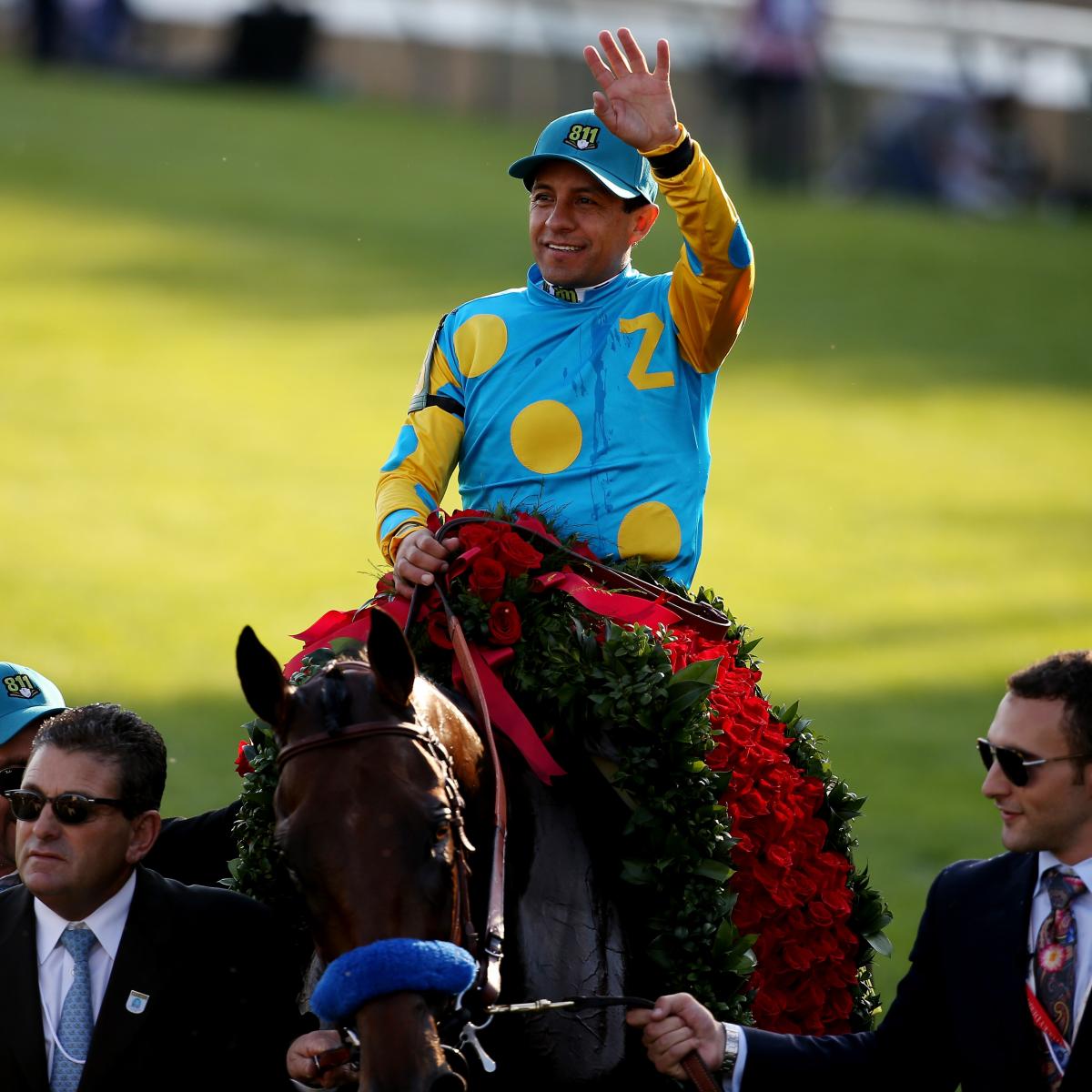
In 2015, American Pharoah became the 12th horse in history to win the American Triple Crown, ending a 37-year drought that had persisted since Affirmed’s victory in 1978. Trained by Bob Baffert and ridden by jockey Victor Espinoza, the bay colt swept the Kentucky Derby, the Preakness Stakes, and the Belmont Stakes to cement his legacy as one of the greatest Thoroughbreds of the modern era.
The Context of the 37-Year Drought
To understand the magnitude of the 2015 Triple Crown, one must first appreciate the state of horse racing leading up to that year. Between 1978 and 2015, the sport was defined by "near misses." For nearly four decades, the Triple Crown—the most difficult feat in American sports—seemed almost impossible to achieve. The grueling schedule of three races over different distances in just five weeks took an immense toll on three-year-old horses.
Before American Pharoah’s triumph, thirteen horses had won both the Kentucky Derby and the Preakness Stakes, only to fail in the Belmont Stakes. These included legends and fan favorites like Silver Charm (1997), Real Quiet (1998), Smarty Jones (2004), and California Chrome (2014). By the time 2015 arrived, many racing analysts and fans questioned whether the Triple Crown was still attainable in an era where horses were bred more for speed than for the stamina required to survive the 1.5-mile "Test of the Champion" at Belmont Park.
The 2015 season began with a sense of cautious optimism. While several talented colts were in the crop, American Pharoah, owned by Ahmed Zayat of Zayat Stables, carried a unique aura. He had been the Two-Year-Old Champion despite missing the Breeders’ Cup Juvenile due to injury, and his return to the track as a three-year-old suggested he was a horse of a different caliber.
The Protagonist: American Pharoah’s Origins and Pedigree
American Pharoah’s journey to the 2015 Triple Crown was rooted in a pedigree designed for the American classics. He was sired by Pioneerof the Nile, who finished second in the 2009 Kentucky Derby, and out of the Yankee Gentleman mare Littleprincessemma. Interestingly, his name contains a notorious misspelling of "Pharaoh," which resulted from a fan-submission contest and a subsequent clerical error during the registration process with The Jockey Club.
Physically, American Pharoah was a specimen of efficiency. He possessed a long, fluid stride that allowed him to cover ground with seemingly less effort than his rivals. Beyond his physical attributes, his temperament was unusually calm for a high-strung Thoroughbred. He was known for being "kind," often allowing fans and journalists to pet him—a rarity for a stallion in peak racing condition. However, on the track, he possessed a "high cruising speed," an ability to run very fast for a long duration, which became his primary tactical advantage.
The First Leg: The 141st Kentucky Derby
On May 2, 2015, American Pharoah entered the starting gate at Churchill Downs as the 5-2 favorite. Unlike some of his later dominant performances, the Kentucky Derby was a hard-fought battle that tested his grit.
The field was deep, featuring rivals like Firing Line and his own stablemate, Dortmund. As the horses turned for home, American Pharoah was forced to run wide. Victor Espinoza had to use the whip more than usual to keep the colt focused. In a thrilling stretch run, American Pharoah wore down Firing Line to win by a length, with Dortmund finishing third. The winning time for the 1.25 miles was 2:03.02.
While the margin was not massive, the victory confirmed that American Pharoah could handle the pressure of a 20-horse field and the immense crowd noise of Churchill Downs. This win set the stage for a trip to Baltimore for the second leg of the series.
The Second Leg: The 140th Preakness Stakes
The Preakness Stakes, held on May 16, 2015, at Pimlico Race Course, presented an entirely different challenge: the weather. Moments before the race, a massive thunderstorm descended upon the track, turning the surface into a "sloppy" mess with standing water.
While many horses struggle in the mud, American Pharoah thrived. Breaking from the inside post, Espinoza made a tactical decision to take the lead immediately to avoid the "kickback" of mud from other horses. The result was a masterclass in front-running. American Pharoah glided over the surface, pulling away from the field to win by seven lengths.
The ease of his victory in the Preakness reignited Triple Crown fever across the United States. He had conquered the heat and the crowds of Kentucky and the monsoon of Maryland. Only the 1.5-mile Belmont Stakes stood between him and immortality.
The Third Leg: The 147th Belmont Stakes
On June 6, 2015, an electric atmosphere filled Belmont Park. A capped crowd of 90,000 people gathered, many of whom had witnessed the failures of the previous 37 years. The question was whether American Pharoah had enough energy left for the longest race of his life.
The race was over almost as soon as it began. American Pharoah took the lead early and established a comfortable rhythm. As they entered the final turn, the roar of the crowd grew to a deafening crescendo. Espinoza let the colt run, and American Pharoah responded by widening his lead with every stride. He crossed the finish line 5.5 lengths ahead of Frosted, stopping the clock at 2:26.65.
This time was particularly significant; it was the second-fastest winning time for a Triple Crown winner, trailing only the legendary Secretariat’s 1973 world record. The "curse" was broken, and American Pharoah became the first Triple Crown winner of the 21st century.
Detailed Statistical Breakdown of the 2015 Triple Crown
The following table summarizes the key statistics for each of the three races that comprised American Pharoah’s historic run.
| Race | Date | Distance | Finish Position | Margin of Victory | Winning Time | Jockey |
|---|---|---|---|---|---|---|
| Kentucky Derby | May 2, 2015 | 1 1/4 Miles | 1st | 1 Length | 2:03.02 | Victor Espinoza |
| Preakness Stakes | May 16, 2015 | 1 3/16 Miles | 1st | 7 Lengths | 1:55.46 | Victor Espinoza |
| Belmont Stakes | June 6, 2015 | 1 1/2 Miles | 1st | 5 1/2 Lengths | 2:26.65 | Victor Espinoza |
The Team Behind the Champion
A Triple Crown victory is never the result of the horse alone. The 2015 campaign was orchestrated by a team that balanced ambition with meticulous care.
- Bob Baffert (Trainer): Baffert had suffered several heartbreaks in the Belmont Stakes previously (most notably with Silver Charm and Real Quiet). His experience in managing the workload of a three-year-old was pivotal. He famously adjusted American Pharoah’s training to ensure the horse remained fresh despite the grueling travel schedule.
- Victor Espinoza (Jockey): Espinoza became the first jockey to have three opportunities at a Triple Crown (following War Emblem in 2002 and California Chrome in 2014). His ride in the Belmont was described as "perfection," as he stayed motionless for much of the race, trusting the horse’s natural ability.
- The Zayat Family (Owners): Ahmed Zayat’s investment in the sport culminated in this moment. Despite financial ups and downs within the stable's history, the decision to keep American Pharoah in training through his three-year-old season rather than retiring him early was a gift to the sport.
Beyond the Triple Crown: The Grand Slam
Unlike many previous Triple Crown winners who retired shortly after their Belmont victory, American Pharoah continued to race in 2015. After a win in the Haskell Invitational and a surprising, narrow loss in the Travers Stakes (known as the "Graveyard of Champions" at Saratoga), he targeted the Breeders' Cup Classic.
In his final career race at Keeneland, American Pharoah delivered a dominant performance, winning the Classic by 6.5 lengths. This victory created a new achievement in horse racing: the Grand Slam. By winning the three Triple Crown races and the Breeders' Cup Classic in a single year, American Pharoah achieved a feat that was previously impossible (as the Breeders' Cup was not established until 1984).
The Legacy of 2015 in Retrospect (View from 2026)
Looking back from the vantage point of 2026, the 2015 Triple Crown remains a watershed moment for Thoroughbred racing. It proved that the Triple Crown was not an "impossible" relic of the past, but a standard that required a truly exceptional animal.
Since 2015, we have seen other greats, including Justify’s Triple Crown win in 2018 (also trained by Bob Baffert). However, American Pharoah remains the "people's horse." His stud career at Ashford Stud, part of the Coolmore operation, has been successful, producing numerous stakes winners across the globe. He proved to be a versatile sire, with his offspring winning on both dirt and turf.
The 2015 season also brought a temporary surge in mainstream interest in horse racing. For a few months, the sport moved from the back pages of the newspaper to the front, reminding the world of the power of a "super-horse" to capture the public imagination.
Common Challenges in Achieving a Triple Crown
The 2015 victory highlighted why the feat is so rare. To win, a horse must overcome several physiological and logistical hurdles:
- Recovery Time: Most modern Thoroughbreds race once every 4 to 8 weeks. The Triple Crown requires three races in 35 days.
- Distance Progression: The Kentucky Derby (1.25 miles) is a distance most horses have never run. The Belmont (1.5 miles) is a distance most will never run again.
- The "Target" Factor: In the Belmont, rival trainers often enter "fresh" horses who skipped the Preakness specifically to defeat the tired Triple Crown contender.
- Travel and Environment: Moving between three different tracks in three different states creates immense stress on a young horse.
American Pharoah’s ability to handle these factors without "bouncing" (a racing term for a regression in performance after a peak effort) is what separated him from the contenders of the previous four decades.
FAQ: Understanding the 2015 Triple Crown
Who was the last Triple Crown winner before 2015?
The last winner before American Pharoah was Affirmed in 1978. Affirmed's victory was famous for his rivalry with Alydar, who finished second in all three races. The 37-year gap between 1978 and 2015 is the longest drought in the history of the American Triple Crown.
What was the winning time for American Pharoah in the Belmont Stakes?
American Pharoah finished the 1.5-mile Belmont Stakes in 2:26.65. This was the second-fastest time for a Triple Crown winner at that distance, notably faster than the times of greats like Seattle Slew and Affirmed. Only Secretariat ran the distance faster during a Triple Crown sweep.
Did American Pharoah lose any races in 2015?
Yes, he lost one race in 2015. After winning the Triple Crown and the Haskell Invitational, he finished second in the Travers Stakes at Saratoga. He was defeated by a horse named Keen Ice. This loss was attributed to the heavy travel schedule and the "Saratoga Curse," but he redeemed himself by winning the Breeders' Cup Classic later that year.
How much money did American Pharoah win?
During his racing career, American Pharoah earned approximately $8.65 million in purse money. However, his value as a breeding stallion was estimated to be much higher, with his breeding rights reportedly sold for over $20 million even before he completed the Triple Crown.
Why is his name spelled "Pharoah" instead of "Pharaoh"?
The misspelling was accidental. The owner’s son, Justin Zayat, submitted the name through an online contest. The winning entry spelled it "Pharoah," and when the name was submitted to The Jockey Club, it was not corrected before being officially registered. By the time the error was noticed, the horse was already a star, and the spelling remained.
Final Recommendation for Racing Enthusiasts
For those looking to relive the 2015 Triple Crown, the most effective way is to study the race replays provided by official sources like NBC Sports or the official Triple Crown YouTube channels. Beyond the races themselves, pay close attention to the "post-parade" and the "gallop out"—these moments demonstrate American Pharoah’s unique physical composure and recovery ability. If you are interested in the breeding side of the sport, researching his progeny’s performance on turf may provide deeper insight into how his pedigree has influenced the modern international racing scene.