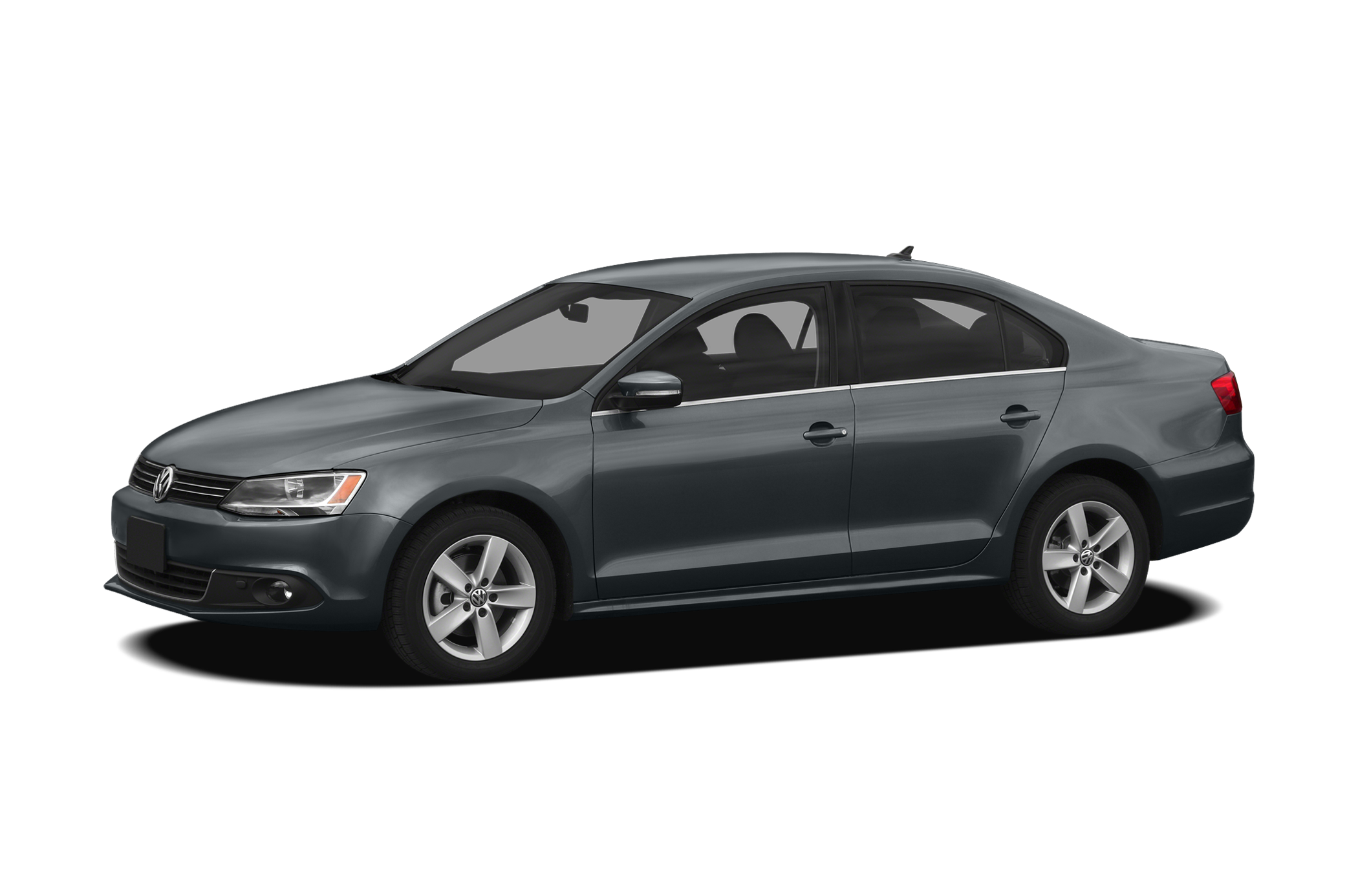
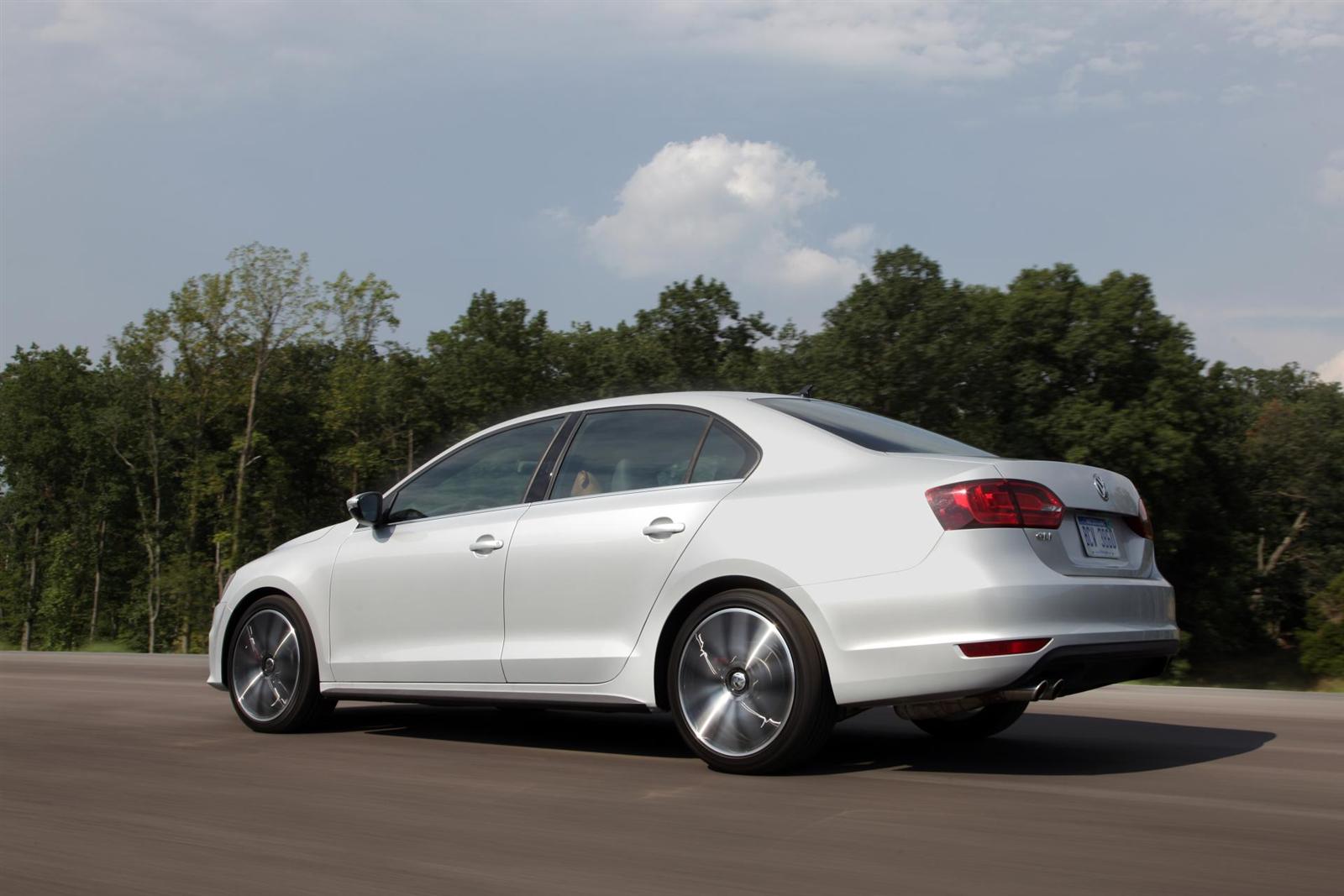
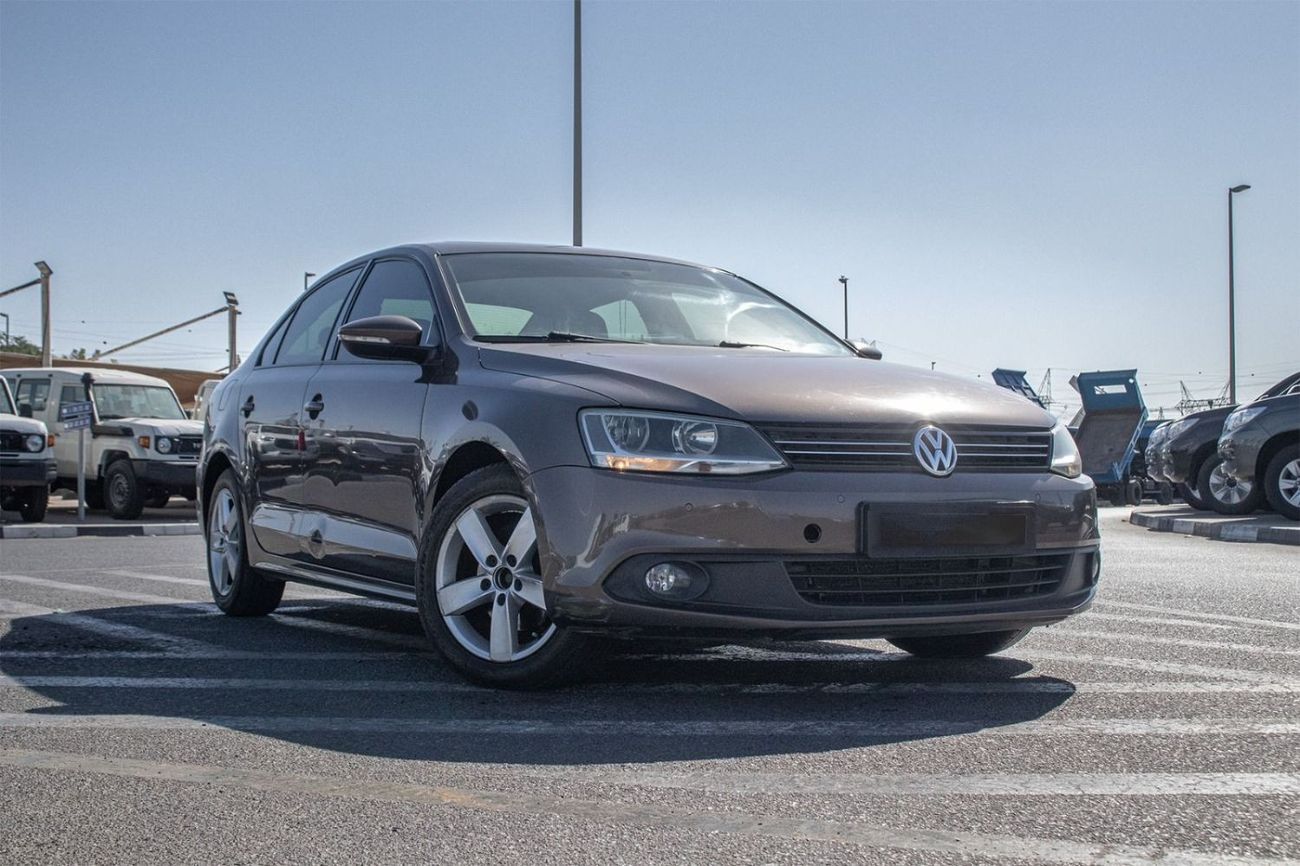
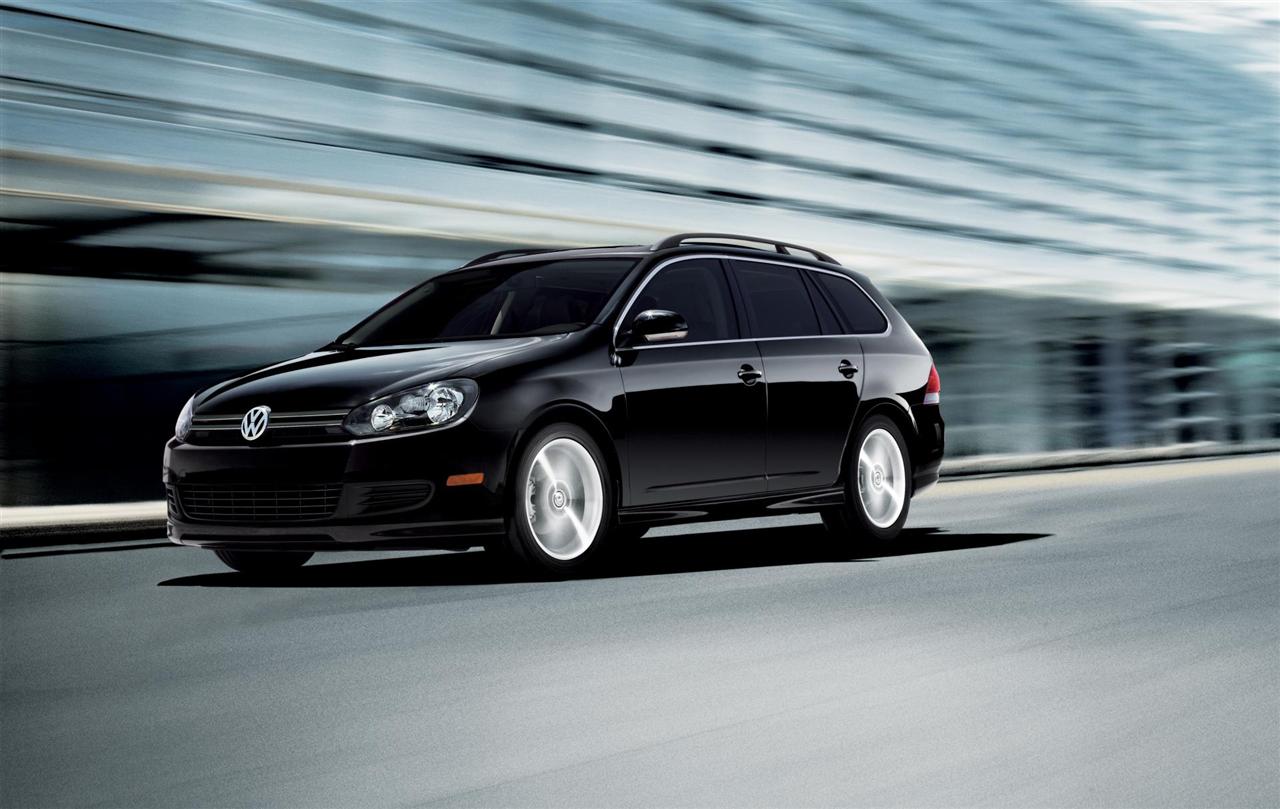
The 2012 Volkswagen Jetta is a compact sedan offering a diverse range of powertrains, including a 115-hp 2.0L base engine, a 170-hp 2.5L inline-five, and a 140-hp 2.0L TDI turbodiesel. Known for its spacious interior and European-inspired handling, it features trim levels ranging from the entry-level S to the performance-oriented GLI.
The Evolution of the Sixth-Generation Jetta (Mk6)
The 2012 model year represents the second year of the sixth-generation Volkswagen Jetta, internally designated as the A6 or Mk6. When this generation debuted, it marked a significant strategic shift for Volkswagen in North America. Unlike previous generations that were essentially Golfs with trunks, the 2012 Jetta was designed as a standalone sedan with a longer wheelbase and a focus on value and interior volume.
In 2026, looking back at this specific era of Volkswagen engineering, the 2012 Jetta remains a common sight on the used market. It serves as a bridge between the over-engineered, premium-feeling Volkswagens of the early 2000s and the modern, high-tech MQB-platform vehicles. The 2012 model is particularly noteworthy for its "Americanized" dimensions, providing rear legroom that rivaled many mid-size sedans of its time, a feat achieved by stretching the wheelbase to 104.4 inches.
The construction of the 2012 Jetta utilized a steel unibody. While entry-level trims featured a cost-effective rear torsion beam suspension, the higher-performance GLI trim retained a more sophisticated multi-link rear setup. This distinction is critical for buyers prioritizing handling precision over simple commuting comfort.
Detailed Powertrain Specifications and Engine Performance
The 2012 Volkswagen Jetta offered one of the most varied engine lineups in the compact segment. Understanding these engines is essential for evaluating the vehicle's performance and long-term maintenance requirements.
The 2.0L Inline-4 (Base Engine)
The entry-level Jetta S was equipped with a 2.0-liter, naturally aspirated 8-valve four-cylinder engine. Often referred to by enthusiasts as the "2.slow," this engine produced 115 horsepower and 125 lb-ft of torque. While it lacked the punch of its competitors, its simple SOHC (Single Overhead Cam) design made it remarkably durable and inexpensive to repair. From a technical standpoint, this engine utilized a cast-iron block and aluminum-alloy cylinder head, prioritizing longevity over high-revving performance.
The 2.5L Inline-5 (The Workhorse)
The 2.5-liter five-cylinder engine found in the SE and SEL trims was the heart of the Jetta lineup in 2012. Producing 170 horsepower and 177 lb-ft of torque, this engine featured a unique 20-valve DOHC (Double Overhead Cam) configuration. The five-cylinder layout provided a distinctive exhaust note and a broader torque curve than standard four-cylinder rivals. This engine used a chain-driven timing system, which was a significant selling point for buyers looking to avoid the periodic timing belt replacements common in other VW engines of that era.
The 2.0L TDI Clean Diesel
The 2012 Jetta TDI featured the 2.0-liter turbocharged direct-injection diesel engine. It delivered 140 horsepower and a robust 236 lb-ft of torque starting at just 1,750 RPM. This engine was highly praised for its efficiency and low-end pulling power. In the context of 2026, it is important to note that these vehicles were central to the later emissions settlements; many remaining units have undergone "Dieselgate" hardware and software modifications to comply with environmental standards, which may slightly alter original performance and fuel economy metrics.
The 2.0L TSI (GLI Trim)
The Jetta GLI used a 2.0-liter turbocharged, intercooled four-cylinder engine from the EA888 engine family. This powerhouse generated 200 horsepower and 207 lb-ft of torque. It utilized gasoline direct injection and variable valve timing to balance performance with relative efficiency. The GLI engine was paired with a more aggressive cooling system and a sport-tuned exhaust to reflect its "GTI with a trunk" persona.
Transmission Options and Drivetrain Configuration
Volkswagen offered four distinct transmission types for the 2012 Jetta, depending on the engine selection and trim level. All 2012 Jetta models are front-wheel drive (FWD); no all-wheel-drive variant was produced for this model year.
- 5-Speed Manual: Standard on the S, SE, and 2.5L trims. It featured relatively long gearing to aid highway fuel economy but offered a precise shift feel typical of Volkswagen manuals.
- 6-Speed Manual: Reserved for the TDI and GLI trims. The extra gear allowed for better optimization of the diesel’s narrow power band and the turbocharger’s boost threshold in the GLI.
- 6-Speed Automatic with Tiptronic: Available on the S, SE, and SEL models with gasoline engines. This was a traditional hydraulic torque-converter automatic manufactured by Aisin, known for its smooth shifting and reliability compared to more complex automated manuals.
- 6-Speed DSG (Direct-Shift Gearbox): Available on the TDI and GLI. The DSG is an automated dual-clutch transmission that provides lightning-fast shifts and better efficiency than a traditional automatic. However, as noted by owners over the decades, the DSG requires specialized fluid changes every 40,000 miles to maintain its performance.
Dimensions, Weight, and Capacities
The 2012 Jetta was one of the largest cars in its class, which significantly impacted its utility and road presence. The following table outlines the key physical specifications across the standard sedan lineup.
| Feature | Specification |
|---|---|
| Wheelbase | 104.4 inches |
| Overall Length | 182.2 inches |
| Overall Width | 70.0 inches |
| Overall Height | 57.2 inches |
| Curb Weight | 2,804 lbs (S) to 3,124 lbs (GLI) |
| Trunk Volume | 15.5 cubic feet |
| Fuel Tank Capacity | 14.5 Gallons |
| Seating Capacity | 5 Adults |
| Front Legroom | 41.2 inches |
| Rear Legroom | 38.1 inches |
The trunk capacity of 15.5 cubic feet was particularly impressive for 2012, surpassing many contemporary mid-size cars. This volume is made more usable by standard 60/40 split-folding rear seats, though entry-level trims occasionally omitted the center pass-through.
Fuel Efficiency and Environmental Impact
Fuel economy varied significantly across the 2012 Jetta lineup, largely dictated by the engine and transmission combination. The U.S. Environmental Protection Agency (EPA) provided the following original ratings:
- 2.0L Gasoline: 24 mpg city / 34 mpg highway (Manual).
- 2.5L Gasoline: 23 mpg city / 33 mpg highway (Manual); 24/31 (Automatic).
- 2.0L TDI Diesel: 30 mpg city / 42 mpg highway. (Many owners reported exceeding these numbers on long highway trips).
- 2.0L TSI (GLI): 22 mpg city / 33 mpg highway (Manual).
The 2.5L engine, while reliable, was often criticized for having fuel consumption figures closer to a V6 than a typical compact four-cylinder. Conversely, the TDI remained the efficiency leader until the advent of more widespread hybridization in later years.
Trim Level Breakdown: From S to GLI
The 2012 Jetta was sold in five primary trim levels, each adding specific equipment that altered the car’s character and technical depth.
Jetta S
The S was the value-oriented entry point. It came with 15-inch steel wheels, power windows, locks, and mirrors, and basic air conditioning. Notably, it used a "hard" plastic dashboard, a point of contention for reviewers who preferred the soft-touch materials found in the previous generation and higher 2012 trims.
Jetta SE
The SE added the 2.5L engine, 16-inch wheels (steel or alloy depending on packages), and V-Tex leatherette upholstery. It also introduced the option for the Convenience Package, which added Bluetooth connectivity and heated front seats.
Jetta SEL
The SEL was the premium tier for the 2.5L engine. It included 17-inch alloy wheels, a sunroof, keyless entry with push-button start, and the RNS 315 touchscreen navigation system. Crucially, the SEL trim featured a soft-touch dashboard, improving the perceived quality of the cabin.
Jetta TDI
The TDI trim was equipped similarly to the SE or SEL, depending on whether the "Premium" or "Navigation" packages were selected. It featured unique 16-inch or 17-inch alloy wheels and a specialized instrument cluster designed for the diesel engine's lower redline.
Jetta GLI
The GLI was the performance flagship. Beyond the 2.0T engine, it featured a lowered sport suspension (by 0.6 inches), red-painted brake calipers, a honeycomb grille, and a flat-bottom steering wheel. It was also the only 2012 Jetta sedan to feature a multi-link rear suspension, providing significantly better cornering stability and ride compliance than the torsion-beam equipped models.
Safety Ratings and Integrated Security Features
Safety was a primary focus for the 2012 Jetta, which earned high marks from major testing organizations. The Insurance Institute for Highway Safety (IIHS) named the 2012 Jetta a "Top Safety Pick," giving it the highest rating of "Good" in frontal-offset, side-impact, and roof-strength tests.
Standard safety equipment across all trims included:
- Electronic Stability Control (ESC): Vital for maintaining traction during emergency maneuvers.
- Anti-lock Braking System (ABS): With Electronic Brake-pressure Distribution (EBD).
- Six Airbags: Including front, side-thorax, and Side Curtain Protection for both front and rear passengers.
- Intelligent Crash Response System (ICRS): This system automatically unlocks doors, shuts off the fuel pump, and turns on hazard lights if the airbags deploy.
The National Highway Traffic Safety Administration (NHTSA) awarded the 2012 Jetta an overall rating of 4 out of 5 stars, noting strong performance in side-impact protection.
The 2012 Jetta in 2026: Reliability and Maintenance Outlook
As these vehicles approach 15 years of service, several technical patterns have emerged that prospective owners should be aware of. The 2.5L engine is generally considered the most robust option, with many units reaching 200,000 miles with basic maintenance. However, the vacuum pump on the 2.5L is a common leak point that often requires replacement.
For the 2.0T (GLI) engines, the timing chain tensioner is a critical component to inspect. Early versions of the TSI engine were prone to tensioner failure, which could lead to catastrophic engine damage. Most surviving units in 2026 have likely had the updated tensioner installed, but verification is essential.
The TDI models require specific attention to the High-Pressure Fuel Pump (HPFP). Using high-quality diesel fuel and ensuring no gasoline contamination occurs is vital for the longevity of the fuel system. Additionally, the Diesel Particulate Filter (DPF) may require cleaning or replacement as it reaches higher mileage.
Frequently Asked Questions
Does the 2012 Jetta have a timing belt or timing chain?
It depends on the engine. The 2.0L 8-valve and the 2.0L TDI diesel use a timing belt, which requires periodic replacement (typically every 80,000 to 120,000 miles). The 2.5L five-cylinder and the 2.0L TSI (GLI) use a timing chain, which is designed to last the life of the engine, though the tensioners on the 2.0L TSI should be monitored.
What is the difference between the 2012 Jetta SE and SEL?
The primary differences are feature-based. The SEL includes standard navigation, keyless entry with push-button start, 17-inch alloy wheels, and a soft-touch dashboard. The SE is more basic, utilizing 16-inch wheels and a hard-plastic dashboard, though it could be upgraded with a Convenience Package to include some SEL-like features like heated seats.
Is the 2012 Jetta GLI faster than the standard Jetta?
Yes, significantly. The GLI's 2.0L turbocharged engine produces 200 hp and 207 lb-ft of torque, compared to the 170 hp of the 2.5L and the 115 hp of the 2.0L base model. The GLI can accelerate from 0 to 60 mph in approximately 6.7 seconds, whereas the 2.5L takes about 8.0 to 8.5 seconds.
Can the 2012 Jetta use E85 fuel?
No, the 2012 Volkswagen Jetta was not designed as a Flex-Fuel vehicle. Using E85 can damage the fuel system and engine internals. The gasoline engines are tuned for regular 87 octane (S, SE, SEL) or premium 91+ octane (GLI) for maximum performance.
How much cargo space does the 2012 Jetta have?
The 2012 Jetta offers 15.5 cubic feet of trunk space. This is exceptionally large for a compact car from that era, and the low lift-over height makes it easy to load heavy items. The rear seats fold down to accommodate longer objects like skis or small furniture.
Recommended Actions for Potential Buyers
If you are evaluating a 2012 Volkswagen Jetta in 2026, prioritize the 2.5L engine for the best balance of reliability and power. Ensure any TDI model has its emissions modification documentation in order and check the service history of any DSG-equipped vehicle for the mandatory 40,000-mile fluid changes. Always perform a pre-purchase inspection with a mechanic familiar with European vehicles to check for common electrical gremlins or suspension bushing wear, which are typical for German sedans of this age.