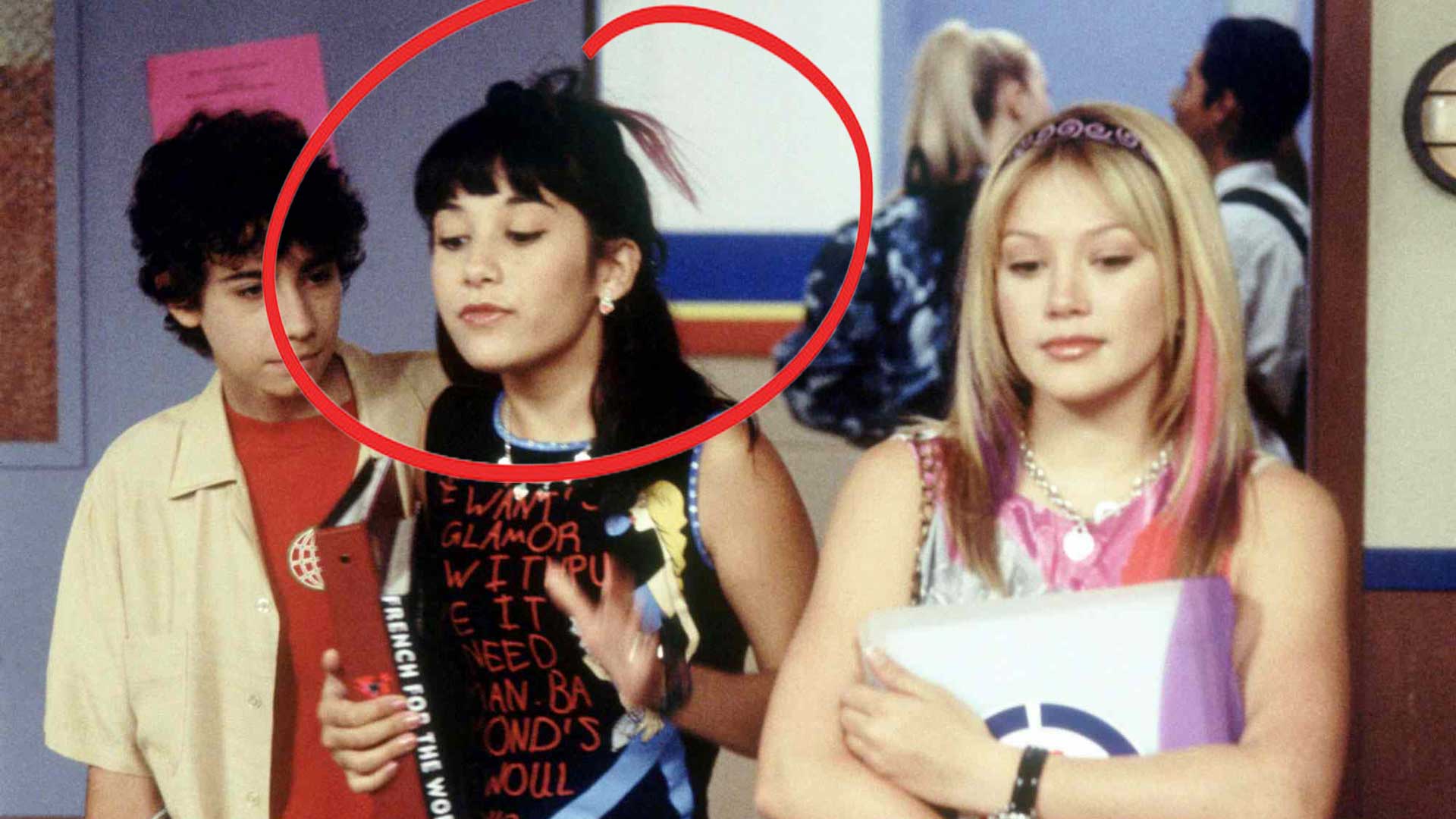
In 2007, the arrest of actress and singer Lalaine Vergara-Paras, known professionally as Lalaine, marked a significant turning point in her career and personal life. Following her high-profile role on the Disney Channel series Lizzie McGuire, her involvement in a drug-related arrest in Southern California became a focal point of intense media scrutiny. This event initiated a complex legal aftermath, public rehabilitation, and a long-term shift in her professional trajectory.
The Context of the 2007 Incident
Lalaine, who gained fame during her adolescent years as Miranda Sanchez on Lizzie McGuire, was 20 years old at the time of her arrest. In July 2007, she was taken into custody in Burbank, California, on suspicion of possession of a controlled substance. The arrest occurred during a period when the media was hyper-focused on the personal lives of young stars who had emerged from the Disney talent stable.
For many fans of the mid-2000s era, the news was jarring. The transition from a child star to an adult performer is often documented through a lens of extreme scrutiny, and the 2007 arrest was framed within a broader cultural narrative regarding the perceived "downfall" of teen icons. However, beyond the tabloid headlines, the event necessitated a series of legal proceedings that defined the next several years of her life, focusing on diversion programs and sobriety mandates rather than immediate incarceration.
The Legal Aftermath and Diversion Programs
Following her arrest, Lalaine entered the judicial system with the intent of mitigating the long-term impact of the charges. A common pathway for first-time, non-violent drug offenders in California is the use of deferred entry of judgment or drug diversion programs. These programs allow individuals to undergo treatment and maintain a clean record, provided they satisfy specific court-ordered requirements.
In 2009, reports confirmed that Lalaine had successfully fulfilled the terms of her court-mandated rehabilitation program. This included completion of drug education or counseling, which resulted in the charges being dismissed. The dismissal was a critical juncture, as it prevented a permanent criminal record from hindering her future professional aspirations. This legal resolution represents the "aftermath" in a literal sense: a transition from a public legal crisis to private resolution and eventual clearing of the record.
Media Scrutiny and the "Disney Star" Narrative
The media coverage surrounding Lalaine’s arrest was emblematic of 2000s celebrity culture. Blogs and news outlets frequently compared her situation to other young starlets of the era who were experiencing public legal or personal difficulties. This comparative reporting often stripped the individual of nuance, focusing instead on the "fallen idol" archetype.
The intensity of this focus can be analyzed through two distinct lenses:
- The Expectation of Perfection: Child stars are often projected as role models by their parent companies and fans. When a performer deviates from this curated image, the public reaction is often disproportionately harsh compared to the average young adult.
- The Evolution of Paparazzi Culture: In 2007, the digital age of celebrity journalism was at its peak. The instantaneous nature of online reporting ensured that the arrest remained a persistent feature of her online identity for years, even after the legal matter was resolved.
Career Transition and Later Professional Life
While the 2007 incident became a defining marker in the public consciousness, Lalaine continued to work in the entertainment industry in the years that followed. She explored various avenues of performance, including music, theater, and independent film projects.
The aftermath of the arrest necessitated a strategic approach to her public image. Rather than attempting to maintain the "Disney" persona, she engaged in diverse projects that showcased her range as a performer. Over time, the focus of media coverage shifted from the incident to her efforts to reconnect with her fanbase through conventions, social media, and commemorative events related to her work on Lizzie McGuire.
Comparison of Media Framing vs. Legal Reality
It is useful to distinguish between the public perception of the 2007 event and the actual legal outcome. The table below outlines the primary differences between how the event was treated in public discourse versus the legal facts.
| Aspect | Media/Tabloid Perspective | Legal/Official Reality |
|---|---|---|
| Primary Focus | The downfall of a child star | Possession of a controlled substance |
| Duration | Viewed as a permanent state | Resolved through a diversion program |
| Outcome | Speculation regarding career end | Dismissal of charges upon completion |
| Public Sentiment | Driven by shock and sensationalism | Managed through private, professional channels |
Managing Professional Recovery
Post-2007, the challenge for many in the public eye is the persistence of digital archives. Search engines and social media ensure that a single moment in time remains discoverable, regardless of an individual's personal growth or career progress. For Lalaine, the aftermath involved navigating this "digital permanence."
Her approach has been to remain authentic to her current identity rather than trying to erase the past. This maturity has allowed her to maintain a connection with a dedicated, nostalgic audience while pursuing personal projects. By focusing on her craft rather than attempting to compete with the 2007 media narrative, she successfully navigated the transition into a post-Disney adulthood.
Frequently Asked Questions
What were the specific charges against Lalaine in 2007? Lalaine was arrested in July 2007 in Burbank, California, on suspicion of possession of a controlled substance. She was subsequently processed and released before entering a court-mandated program.
Did the 2007 arrest result in a criminal conviction? No. After completing a drug diversion and counseling program mandated by the court, the charges against her were dismissed. The program was designed to allow first-time offenders to clear their records upon successful completion of requirements.
How did the arrest affect her acting career? While the immediate news cycle was intense, it did not permanently end her career. She continued to act, record music, and appear in various productions. The primary change was the loss of the "child star" image, which is a natural transition for many actors as they move into their twenties.
How has the "Disney star" narrative influenced the public's memory of this event? The media at the time relied heavily on the "child star gone bad" trope, which made the arrest appear more sensational than a typical legal matter. This framing has kept the event as a recurring topic in pop culture history, often overshadowing her subsequent professional achievements.
What advice do experts give for celebrities facing public legal scrutiny? Legal professionals emphasize that the best path forward is complying with court-ordered programs and allowing the legal system to run its course. For individuals in the public eye, managing the narrative through professional representation—while focusing on personal accountability—is typically viewed as the most effective strategy for long-term recovery.
Conclusion and Recommendations
The 2007 arrest of Lalaine serves as a case study in how public perception of celebrity legal issues is often divorced from the actual legal resolution. For those interested in the history of the early 2000s entertainment industry, it is essential to look beyond the sensationalist reports of the time and understand the mechanics of the court systems that manage such cases.
If you are researching this event for historical context, prioritize court records and verified interviews from the years following 2009. These sources provide a clearer, more accurate depiction of how the individual handled the aftermath and moved forward with their life. The most practical takeaway from this historical event is that while public perception can be difficult to manage, the successful completion of legal obligations remains the most effective path toward personal and professional stabilization.