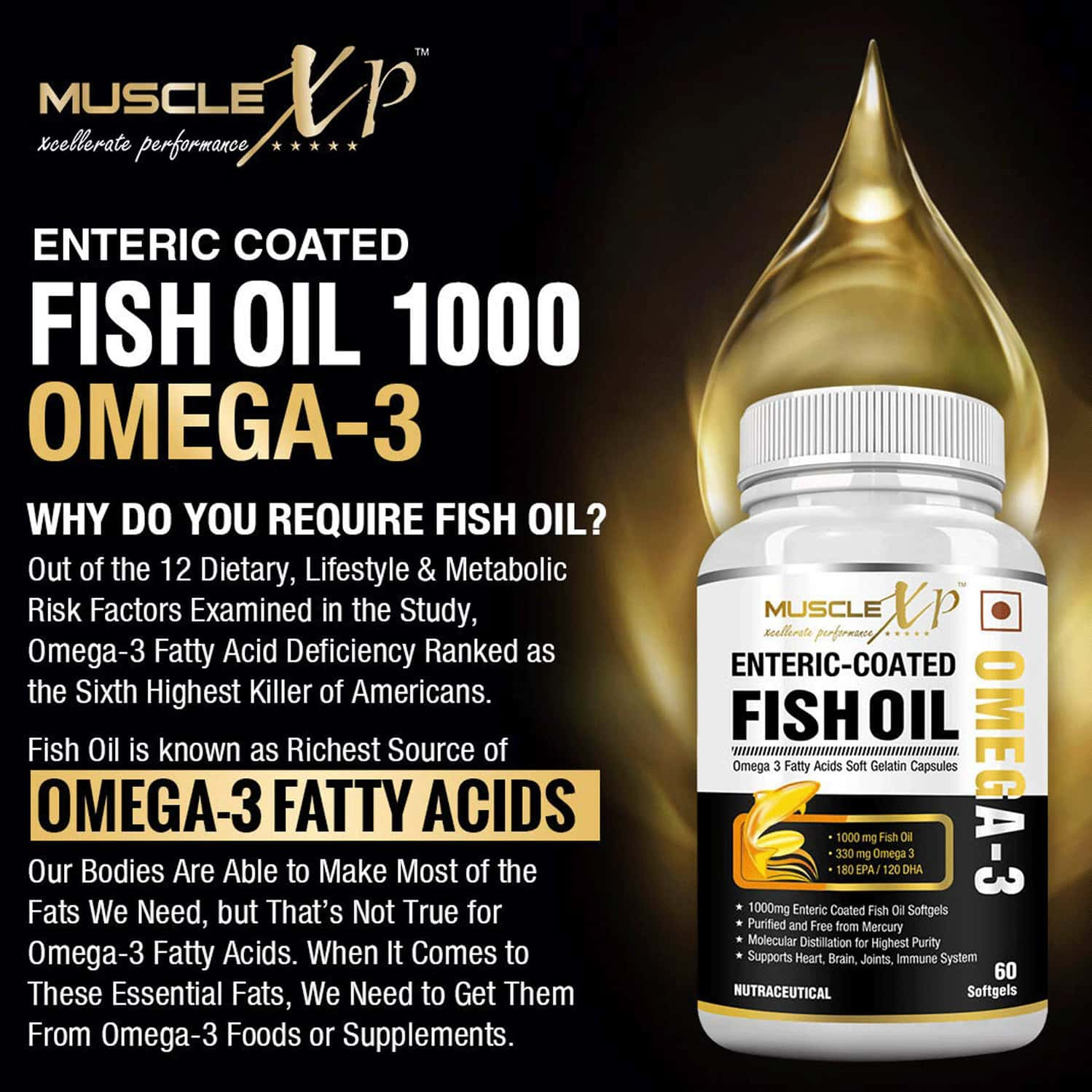
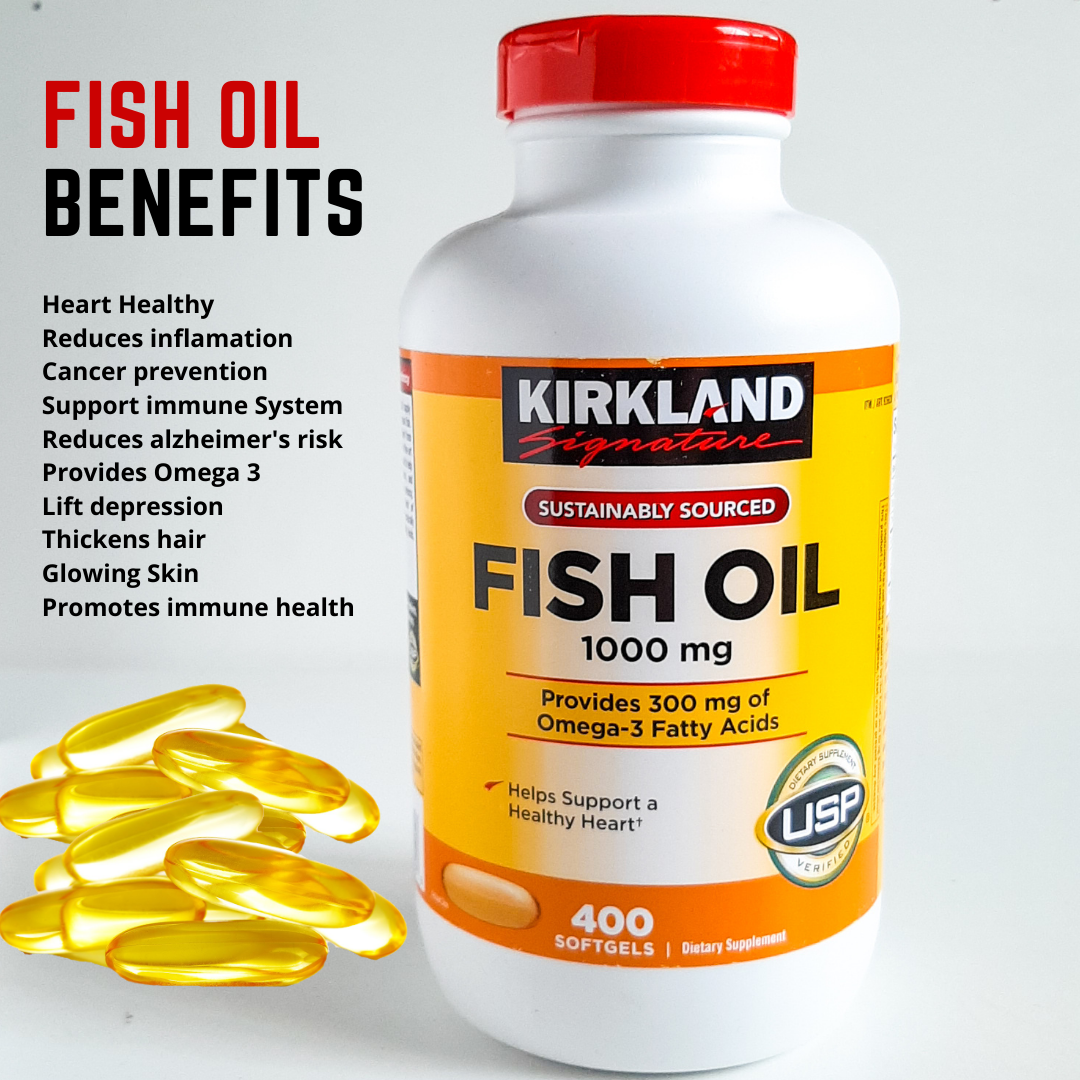
A standard 1000mg fish oil supplement typically provides around 300mg of combined omega-3 fatty acids—specifically EPA and DHA—which support cardiovascular health, help manage systemic inflammation, and promote cognitive function when integrated into a balanced diet.
Fish oil has remained a cornerstone of nutritional supplementation for decades. Derived from the tissues of oily fish such as mackerel, sardines, herring, and salmon, these supplements are prized primarily for their high concentration of omega-3 polyunsaturated fatty acids. Among the various dosage formats available on the market, the 1000mg softgel capsule is the most widely purchased and consumed.
However, navigating the nutritional landscape surrounding fish oil requires moving past generalized marketing claims. Consumers often encounter confusion regarding capsule weight versus active ingredient content, optimal timing, potential side effects, and biochemical mechanisms. This guide examines the physiological impacts of 1000mg fish oil, analyzes the distinct roles of its primary components, and outlines practical strategies for safe, effective integration into daily wellness routines.
Demystifying the Label: What is Actually Inside a 1000mg Capsule?
One of the most common misconceptions regarding nutritional supplements involves the difference between total capsule weight and active compound concentration. When a consumer picks up a bottle labeled "1000mg fish oil," it is easy to assume that the capsule contains 1000mg of pure omega-3 fatty acids. In reality, that figure represents the total mass of the fish oil extract contained within the softgel, not the active therapeutic load.
Total Oil Mass Versus Active Omega-3s
A standard, over-the-counter 1000mg fish oil capsule typically contains a mixture of different fats, along with small amounts of water and vitamin E (added as a preservative to prevent oxidation). Among the total fat content, the two primary omega-3 fatty acids of interest are:
- Eicosapentaenoic Acid (EPA): A 20-carbon fatty acid heavily involved in modulating inflammatory pathways and supporting cardiovascular health.
- Docosahexaenoic Acid (DHA): A 22-carbon fatty acid that serves as a core structural component of the human brain, cerebral cortex, skin, and retina.
In a standard, unrefined 1000mg capsule, the combined sum of EPA and DHA is usually around 300mg (often broken down as roughly 180mg of EPA and 120mg of DHA). The remaining 700mg consists of other fatty acids, including saturated fats, monounsaturated fats, and other trace polyunsaturated fats naturally present in fish.
- 1000mg Fish Oil Softgel Capsule
- Active Omega-3s (~300mg)
- EPA: ~180mg
- DHA: ~120mg
- Other Fats & Carriers (~700mg)
- Saturated Fats
- Monounsaturated Fats
- Other Polyunsaturates
- Active Omega-3s (~300mg)
Concentration and Purity Grades
For individuals seeking higher therapeutic intakes without consuming multiple large capsules daily, manufacturers offer concentrated formulations. These products undergo molecular distillation or chemical processing to concentrate the omega-3 content. A "concentrated" 1000mg capsule may provide 500mg, 600mg, or even 800mg of combined EPA and DHA. Checking the "Supplement Facts" panel for the exact breakdown of EPA and DHA—rather than relying solely on the front-label fish oil weight—is essential for accurate nutritional tracking.
Core Physiological Benefits of Omega-3 Fatty Acids
The human body cannot synthesize essential omega-3 fatty acids efficiently on its own; they must be obtained through diet or supplementation. Once ingested, EPA and DHA integrate into cell membranes throughout the body, influencing fluidity, cellular signaling, and the production of signaling molecules called eicosanoids.
Cardiovascular Support and Lipid Management
Cardiovascular health remains the most extensively researched application of fish oil supplementation. Clinical observations and epidemiological studies indicate that regular intake of omega-3 fatty acids offers several distinct cardiovascular advantages:
- Triglyceride Reduction: High levels of blood triglycerides are an independent risk factor for cardiovascular disease. Clinical trials consistently demonstrate that daily intakes of EPA and DHA can lower fasting serum triglyceride levels by altering hepatic lipid synthesis and enhancing clearance pathways.
- Blood Pressure Regulation: Omega-3s exert a mild vasodilatory effect, helping to support healthy endothelial function and maintain blood pressure levels already within the normal range.
- Platelet Aggregation: By influencing the arachidonic acid cascade, EPA and DHA help maintain normal blood flow characteristics, reducing excessive platelet stickiness.
Inflammatory Pathways and Joint Comfort
Chronic, low-grade systemic inflammation is implicated in a wide array of modern health challenges. Omega-3 fatty acids act as biochemical precursors to specialized pro-resolving mediators (SPMs), such as resolvins and protectins, which actively signal the immune system to wind down inflammatory responses.
For individuals experiencing joint stiffness or discomfort associated with everyday wear or age-related changes, incorporating fish oil can support joint mobility. The attenuation of inflammatory cytokines helps reduce morning stiffness and supports comfortable range of motion, complementing physical activity and targeted mobility routines.
Cognitive Performance and Neurological Structure
Because DHA constitutes a major structural lipid within the gray matter of the brain and the cellular membranes of neurons, adequate intake is vital for neurological health across the lifespan.
- Brain Development and Maintenance: DHA supports synaptic plasticity—the ability of neurons to form and reorganize connections—which underpins learning, memory, and cognitive processing speed.
- Mood Regulation: Research indicates that maintaining optimal omega-3 status supports neurotransmitter signaling pathways involving serotonin and dopamine, contributing to emotional resilience and mood stability.
Evaluating Dosage, Quality, and Safety Considerations
While the benefits of fish oil are well-documented, safe and effective supplementation requires attention to quality control, dosage thresholds, and potential physiological interactions.
Navigating Quality, Rancidity, and Heavy Metals
Fish oil is notoriously susceptible to oxidation. Because polyunsaturated fats possess multiple double bonds, exposure to heat, light, and oxygen causes them to go rancid. Rancid fish oil not only loses its nutritional efficacy but can also produce unpleasant side effects, including severe gastric distress and fishy burps (often mitigated by enteric-coated or lemon-flavored capsules).
To ensure purity and safety, look for products certified by independent, third-party testing organizations such as:
- USP (United States Pharmacopeia): Verifies ingredient purity, potency, and manufacturing standards.
- NSF International: Tests for contaminants like heavy metals (mercury, lead, cadmium), PCBs, and dioxins.
- IFOS (International Fish Oil Standards): Specifically rates fish oil brands based on international purity and concentration standards.
Safety, Side Effects, and Drug Interactions
For the general population, a daily intake of 1000mg to 3000mg of combined EPA and DHA is widely recognized as safe by regulatory bodies such as the European Food Safety Authority (EFSA) and the U.S. Food and Drug Administration (FDA). However, certain precautions warrant attention:
- Bleeding Risks: High doses of omega-3 fatty acids can possess mild antiplatelet effects. Individuals taking anticoagulant or antiplatelet medications (such as warfarin, aspirin, or clopidogrel) should consult a healthcare professional before initiating supplementation.
- Surgical Procedures: It is standard medical practice to advise patients to discontinue high-dose fish oil supplementation prior to scheduled surgical or dental procedures to minimize bleeding risks.
- Allergies: Individuals with diagnosed fish or shellfish allergies must exercise caution, noting that many omega-3 supplements are derived specifically from finfish, while others may share manufacturing equipment with shellfish.
Comparative Overview of Omega-3 Sources
Selecting the right omega-3 source depends on dietary preferences, budget, absorption efficiency, and targeted health outcomes. The following comparison outlines standard 1000mg fish oil against alternative options.
| Source | Typical EPA/DHA per 1000mg | Bioavailability | Key Advantages | Potential Limitations |
|---|---|---|---|---|
| Standard Fish Oil | ~300mg | Moderate (Triglyceride/Ethyl Ester) | Affordable, widely available, extensively researched. | Requires multiple capsules for high therapeutic doses; risk of fishy burps. |
| Concentrated Fish Oil | 500mg – 800mg+ | High | Higher active dose per pill; fewer capsules required daily. | Higher financial cost per bottle; processing required. |
| Krill Oil | ~150mg – 250mg | High (Phospholipid-bound) | Contains astaxanthin (antioxidant); smaller capsule size; rapid absorption. | Typically more expensive per gram of omega-3; lower absolute content per pill. |
| Algal Oil (Vegan) | Varies (~200mg – 400mg) | High | Plant-based, sustainable, free of oceanic heavy metals and contaminants. | Often more expensive; requires processing for oil extraction. |
Practical Implementation and FAQ
Integrating a 1000mg fish oil supplement into a daily routine involves timing considerations and consistency. Because dietary fats stimulate the release of bile acids and pancreatic enzymes, taking fish oil alongside a meal containing dietary fats significantly enhances its absorption. Taking supplements on an empty stomach frequently triggers digestive reflux or fishy aftertastes.
Frequently Asked Questions
How long does it take to notice the benefits of taking 1000mg fish oil?
Cellular incorporation of EPA and DHA is a gradual process. While blood lipid markers (like triglycerides) may show measurable improvements within 4 to 6 weeks, systemic benefits regarding joint comfort or cognitive support typically require 8 to 12 weeks of consistent daily supplementation to achieve steady-state tissue levels.
Is a 1000mg capsule enough for general health maintenance?
For individuals who consume fatty fish two to three times per week, a single 1000mg capsule daily (yielding ~300mg omega-3s) serves as an effective nutritional insurance policy. However, individuals targeting specific cardiovascular or inflammatory goals often require higher intakes, guided by clinical advice.
Can I get enough omega-3s from food instead of supplements?
Yes. Eating fatty fish—such as wild salmon, sardines, mackerel, herring, and anchovies—two to three times weekly provides ample EPA and DHA alongside high-quality protein and micronutrients like selenium and vitamin D. Supplements act as a convenient alternative for individuals who dislike or rarely consume fish.
What causes "fish burps," and how can I prevent them?
Fish burps occur when the softgel dissolves high in the stomach, allowing the oil to release before digestion. Choosing enteric-coated capsules, which pass through the stomach intact and dissolve in the alkaline environment of the small intestine, or taking the supplement with a full meal, effectively resolves this issue.
Are there any vegan alternatives to fish oil?
Yes. Algal oil is the primary plant-based source of preformed EPA and DHA. Because marine microalgae are the original source of omega-3s consumed by fish, algal oil supplements provide the exact same active fatty acids without relying on marine animal harvesting.
Strategic Next Actions
To maximize the value of fish oil supplementation, begin by auditing your current dietary intake of oily fish. If your weekly consumption falls short of dietary recommendations, select a high-quality, third-party-tested 1000mg fish oil supplement. Review the "Supplement Facts" panel to verify the exact milligram breakdown of EPA and DHA. Establish a consistent daily habit by taking your softgel with your largest meal of the day to ensure optimal absorption and minimize digestive discomfort.