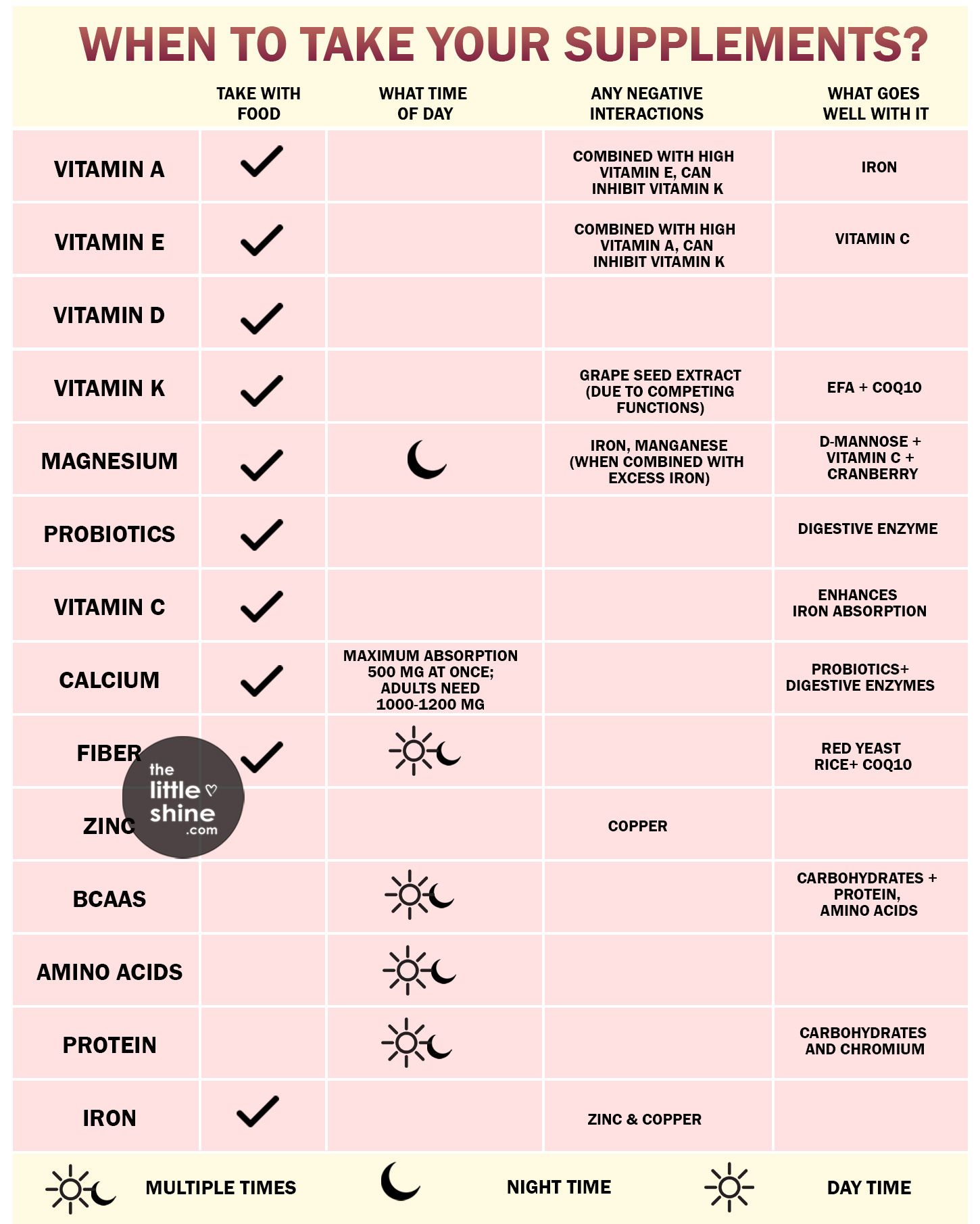
The best time to take a multivitamin is generally in the morning with a meal that contains healthy fats, as this optimizes nutrient absorption, reduces the likelihood of digestive discomfort, and aligns with your body's natural metabolic rhythms.
Navigating the world of dietary supplements can feel like walking through a maze of conflicting advice. With so many brands, formulations, and expert opinions available, a seemingly simple question often arises: When is the best time to take a multivitamin? While a multivitamin cannot replace a balanced diet, it can serve as a nutritional safety net. However, taking these supplements at random times throughout the day can significantly diminish their effectiveness. Understanding how your body processes different compounds transforms a daily vitamin routine from a haphazard habit into an effective wellness strategy.
Understanding Micronutrient Categories: Water-Soluble vs. Fat-Soluble
To determine the ideal time for supplementation, you must first understand the two primary categories of vitamins contained within a standard multivitamin: water-soluble and fat-soluble. Each group behaves entirely differently inside the human digestive tract, directly influencing how and when your body utilizes them.
Water-Soluble Vitamins
Water-soluble vitamins include the entire B-complex family (such as B12, B6, folate, and niacin) and vitamin C.
- Absorption Mechanism: These compounds dissolve in water and are readily absorbed into the bloodstream from the small intestine.
- Storage and Excretion: Because your body cannot store them in significant amounts, any excess is typically filtered out by the kidneys and excreted through urine.
- Timing Implication: Because they do not require dietary fat for absorption, you can technically take them on an empty stomach. However, doing so can sometimes cause mild stomach upset or nausea, which is why pairing them with food remains a common recommendation.
Fat-Soluble Vitamins
Fat-soluble vitamins include vitamins A, D, E, and K.
- Absorption Mechanism: These compounds require dietary fats—and the presence of bile acids secreted by the gallbladder—to be properly broken down and absorbed through the intestinal wall into the lymphatic system.
- Storage and Excretion: Unlike their water-soluble counterparts, your body stores excess fat-soluble vitamins in the liver and fatty tissues.
- Timing Implication: If you take a multivitamin containing these nutrients on an empty stomach, your body may absorb only a fraction of them, rendering the dose far less effective.
Why Morning is Generally the Best Time
For the vast majority of people, incorporating a multivitamin into your morning routine yields the most consistent benefits. This timing is rooted in both gastrointestinal physiology and metabolic support.
Aligning with Metabolism and Energy
Many multivitamins feature high concentrations of B-vitamins, which play a central role in cellular energy production and nervous system function. Taking these nutrients in the morning gives your body the biochemical building blocks it needs as you transition into your most active hours of the day. Consuming a B-complex-heavy supplement late in the afternoon or evening can occasionally cause over-stimulation, jitteriness, or sleep disturbances in sensitive individuals.
Establishing Habit Consistency
Human behavior studies consistently show that morning routines are easier to maintain than erratic midday or evening schedules. By placing your multivitamin bottle next to your coffee maker or incorporating it into breakfast, you establish a reliable trigger. Consistency is critical when taking nutritional supplements; sporadic intake fails to maintain stable nutrient levels in the bloodstream.
The Critical Role of Food and Dietary Fat
Swallowing a multivitamin with plain water is rarely the most efficient delivery method. Food is a necessary catalyst for optimal digestion and utilization.
Preventing Gastrointestinal Distress
Minerals such as zinc, iron, and magnesium—frequently found in multivitamins—can irritate the gastric lining if they hit an empty stomach. This irritation often manifests as mild nausea, cramping, or general abdominal discomfort. Eating a meal buffers the release of these minerals, slowing digestion and preventing sudden concentration spikes that trigger nausea.
Maximizing Fat-Soluble Nutrient Uptake
As established, vitamins A, D, E, and K demand dietary fat for proper absorption. A breakfast containing healthy fats creates the optimal environment for your digestive system to process these compounds.
| Meal Type | Fat Content | Suitability for Multivitamins | Notes |
|---|---|---|---|
| Toast with Avocado or Eggs | Moderate to High | Excellent | Provides healthy monounsaturated fats and proteins to buffer the stomach. |
| Oatmeal with Whole Milk and Nuts | Moderate | Good | Plant-based fats from nuts and dairy fats aid fat-soluble absorption. |
| Black Coffee or Tea Only | Zero | Poor | High risk of nausea; zero fat for fat-soluble vitamins. |
| Light Fruit Salad | Very Low | Suboptimal | Lacks sufficient fat and protein to optimize mineral and vitamin absorption. |
Special Considerations and Adjustments
While a morning routine suits most individuals, unique biological needs, dietary restrictions, and specific formulations may require adjustments to your schedule.
Pregnancy and Prenatal Vitamins
Prenatal vitamins generally contain higher doses of iron and folate to support fetal development. Iron absorption is uniquely complex; it is best absorbed on an empty stomach with vitamin C (which enhances absorption), yet iron is also notoriously harsh on the stomach lining. If a prenatal vitamin causes morning sickness or severe nausea, obstetricians often recommend taking it with a small snack or right before bed, provided it does not disrupt sleep.
Athletic Training and Recovery Schedules
Athletes and individuals with rigorous evening workout routines sometimes shift their supplement timing. While the multivitamin is still best anchored to a substantial meal, post-workout meals rich in complex carbohydrates and healthy fats can serve as an effective alternative to breakfast, provided the supplement does not contain high-energy stimulants that disrupt nighttime recovery.
Medication and Mineral Interactions
Certain medications and minerals interfere with one another. For example, calcium can inhibit the absorption of iron. If your multivitamin contains both, or if you take a separate calcium supplement, you may need to separate them by a few hours to ensure maximum efficacy. Always consult a healthcare professional or pharmacist if you take prescription medications, as drug-nutrient interactions can be complex.
Common Mistakes to Avoid
Maximizing the benefits of a multivitamin also requires avoiding common pitfalls that undermine supplementation.
- Taking Supplements on an Empty Stomach: Doing so frequently leads to acute nausea and poor absorption of fat-soluble vitamins.
- Ignoring Hydration: Water-soluble vitamins and overall metabolic processes require adequate daily water intake to function correctly. Wash down your supplement with a full glass of water.
- Over-Supplementing: Assuming more is better can lead to toxicity, particularly with fat-soluble vitamins (A, D, E, K) and certain minerals that accumulate in body tissues over time. Stick to recommended daily allowances unless otherwise directed by a medical professional.
- Pairing with Inhibitors: Drinking large amounts of coffee or tea immediately before or after taking a multivitamin can reduce the absorption of specific minerals, such as iron, due to compounds called tannins and polyphenols.
Frequently Asked Questions
Can I take my multivitamin right before bed?
Taking a multivitamin before bed is generally discouraged unless your specific formulation is designed for nighttime relaxation (such as those containing targeted doses of magnesium or calcium without energy-boosting B-vitamins). Standard multivitamins often contain B-vitamins that can promote alertness and interfere with sleep architecture. Furthermore, lying down shortly after swallowing a vitamin can occasionally contribute to acid reflux or localized esophageal irritation if the pill dissolves slowly.
Does it matter if I take my multivitamin with lunch instead of breakfast?
Yes, taking your multivitamin with lunch is entirely acceptable, provided that your midday meal contains an adequate amount of dietary fat and protein. The primary biological requirement for a multivitamin is the presence of food in the digestive tract to buffer minerals and facilitate fat-soluble vitamin absorption. If your mornings are rushed and breakfast consists only of black coffee, shifting your multivitamin to a substantial lunch is a much better strategy.
What should I do if my multivitamin makes me nauseous?
If your multivitamin consistently causes nausea, the most common culprit is taking it on an empty stomach or consuming it with a beverage that lacks food density. Try switching your dose to the middle of your largest meal of the day. If the nausea persists, the formulation may contain a form of iron or zinc that irritates your digestive tract, or the dosage may simply be too high for your system, warranting a switch to a gentler formulation.
Do chewable or liquid multivitamins change the ideal timing?
Liquid and chewable multivitamins are broken down more rapidly by the digestive system than compressed hard tablets or capsules. However, the fundamental physiological rules regarding fat-soluble vitamins and mineral buffering still apply. You should still consume them alongside a meal containing healthy fats to ensure maximum nutrient uptake and to protect your stomach lining from irritation.
Summary and Next Actions
Optimizing your multivitamin routine requires minimal effort for a significant return in nutritional efficiency. To put these insights into practice, anchor your supplement habit to your most consistent daily meal containing healthy fats and protein—typically breakfast or lunch. Wash the tablet down with a full glass of water, and avoid taking standard formulations right before bed. If you have underlying health conditions, take prescription medications, or experience persistent digestive side effects, consult a qualified healthcare provider or registered dietitian to tailor a supplementation plan to your exact physiological needs.