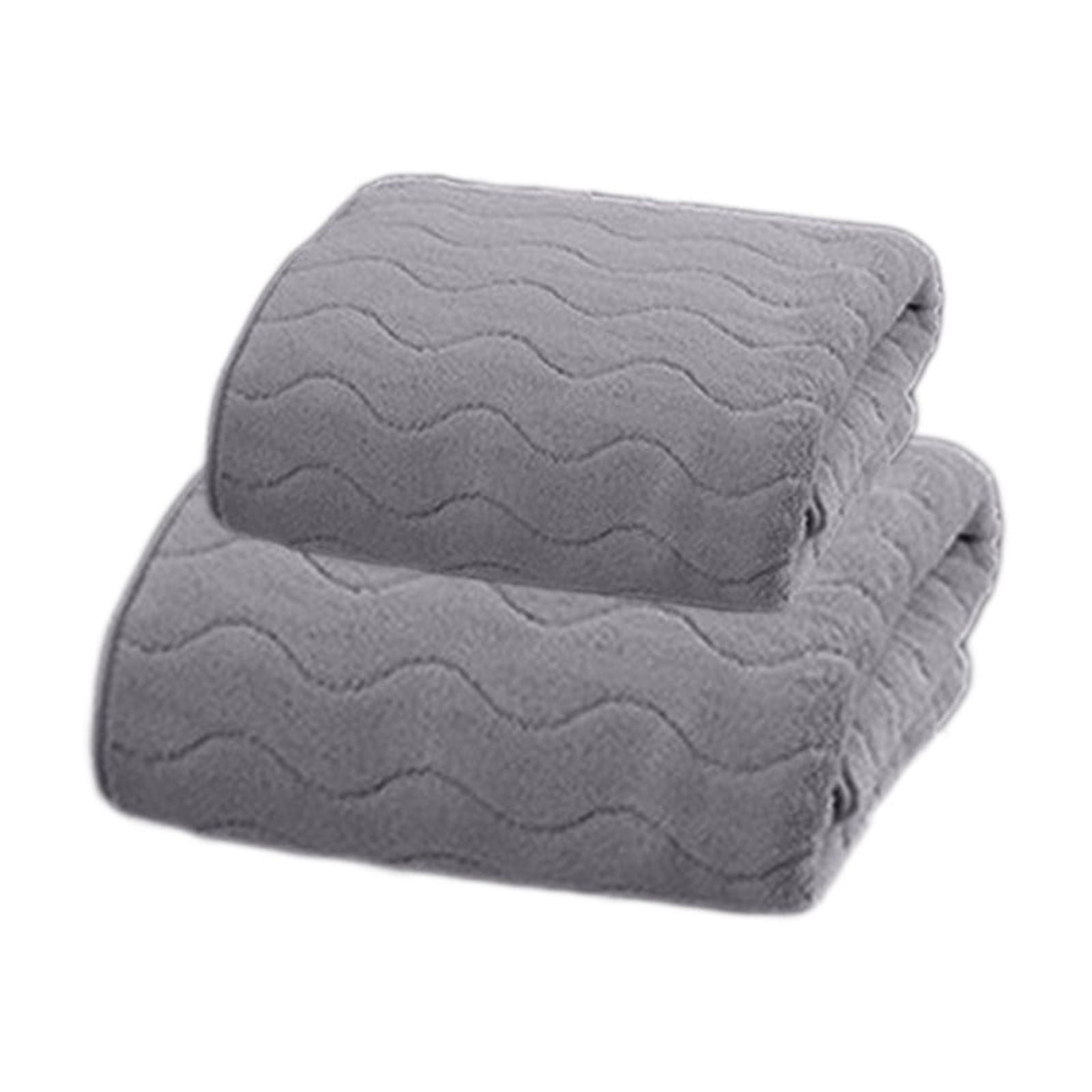
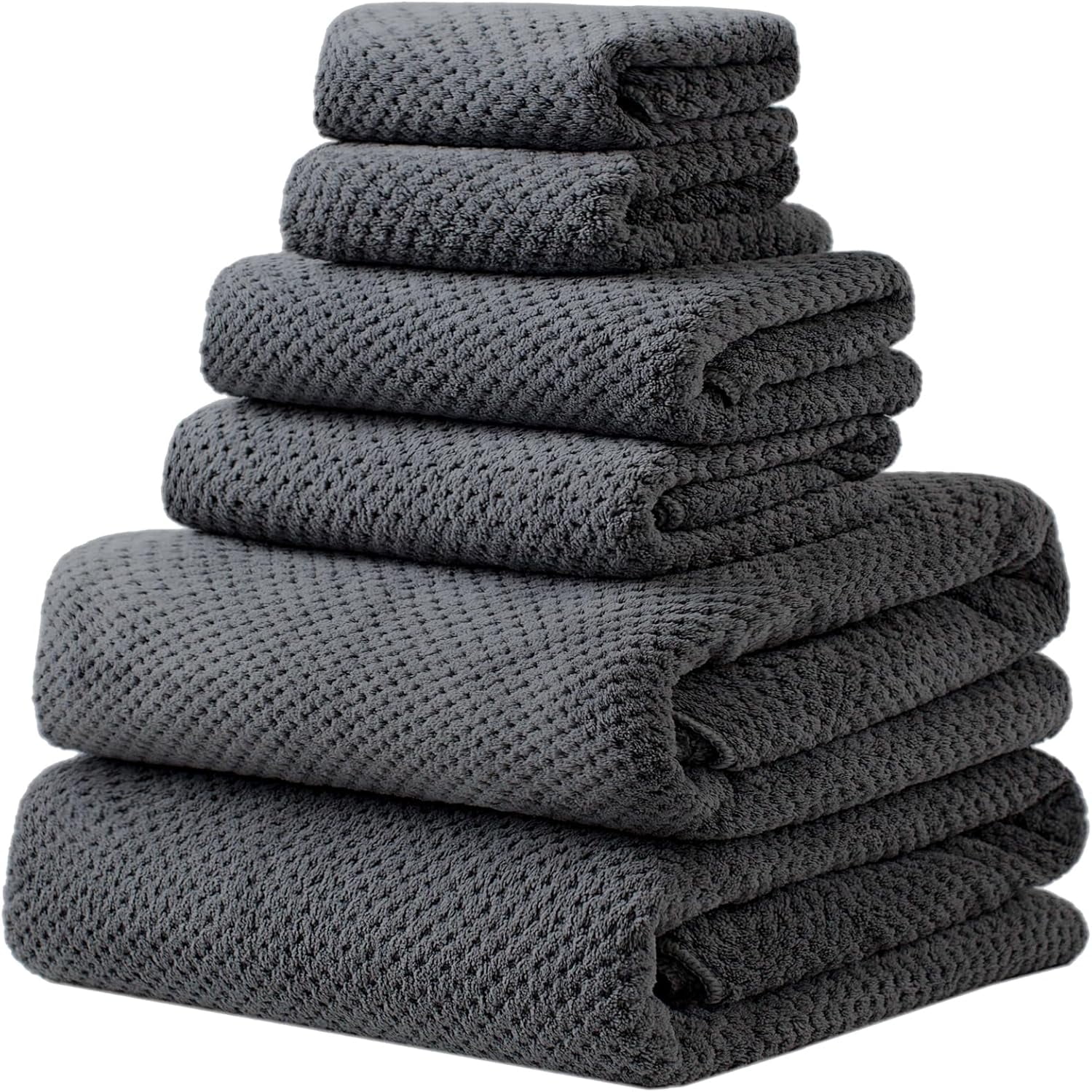
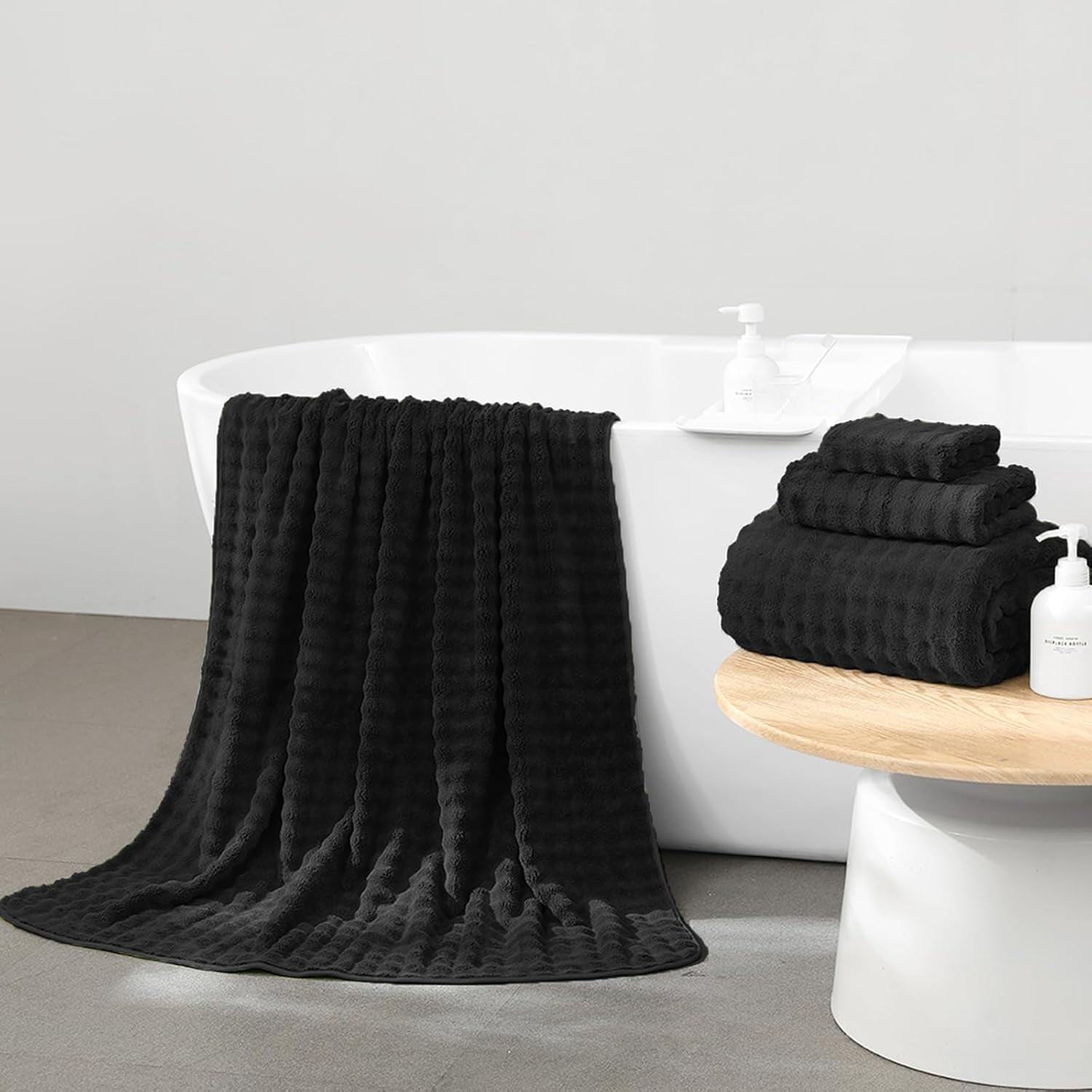
Extra soft bath towels are worth the extra weight if you prioritize high absorbency and a luxurious, spa-like tactile experience. However, their increased density—measured in Grams per Square Meter (GSM)—results in significantly longer drying times and higher laundry maintenance. For most users, the trade-off depends on their local climate and patience for laundry cycles.
The quest for the perfect bath towel often leads consumers to a crossroads between two competing characteristics: the cloud-like softness of a heavyweight towel and the practical, fast-drying nature of a lighter one. In 2026, the textile market offers more variety than ever, from traditional long-staple cottons to advanced synthetic-natural blends. Yet, the fundamental physics of towel construction remain the same. To determine if that plush, heavy towel is a wise investment or a logistical headache, we must examine the technical relationship between weight, material science, and daily utility.
Understanding the Metric of Luxury: What is GSM?
When discussing the weight and softness of towels, the industry standard measurement is Grams per Square Meter (GSM). This metric defines the density of the fabric. Just as thread count is used to measure the quality of bed sheets, GSM is the primary indicator of a towel’s performance and feel.
The Low GSM Range (300–400)
Towels in this category are thin and light. You will typically find these in gyms or professional kitchens. While they are not "extra soft" in the traditional sense, they serve a specific purpose. They dry incredibly fast because there is less material to hold onto moisture. However, for a post-shower experience, they often feel scratchy and lack the "loft" required to feel premium.
The Mid-Range GSM (400–600)
This is the standard weight for most high-quality department store towels. They offer a respectable balance between softness and drying speed. At 500–600 GSM, a towel starts to feel substantial. It can absorb a significant amount of water without becoming immediately sodden, and it will usually dry on a towel rack within a standard 8-to-12-hour window.
The Heavyweight/Extra Soft Range (600–900)
This is where the "extra soft" towels live. A towel with a GSM of 700 or higher is noticeably thick, heavy, and plush. These towels use more yarn and longer loops to create a larger surface area, which translates directly to higher absorbency and a softer hand-feel. When people speak of "spa-quality" towels, they are almost always referring to this weight class.
The Science of Softness: Beyond Just Weight
While weight is a major factor, the type of fiber used determines whether that weight results in softness or just bulk. A high-GSM towel made from low-quality, short-staple cotton will feel heavy but eventually become stiff and "crunchy" after a few washes. True extra-softness comes from the marriage of high GSM and premium fiber selection.
Long-Staple Cotton: The Gold Standard
The "staple" refers to the length of the individual cotton fibers. Longer fibers can be spun into thinner, smoother, and stronger yarns. Because there are fewer exposed fiber ends, the resulting fabric is much softer against the skin.
- Egyptian Cotton: Renowned for its extra-long staples, it produces the most absorbent and softest towels. It is highly durable but also the heaviest.
- Turkish Cotton: Known for having a perfect balance between absorbency and drying time. Turkish fibers are long and flat, providing a plush feel that actually becomes softer and more absorbent with each wash.
- Pima (Supima) Cotton: Grown primarily in the United States, Pima cotton offers similar softness to Egyptian cotton but is often more accessible in the North American market.
Zero-Twist vs. High-Twist Construction
Weight is also influenced by how the yarn is spun. Standard towels twist the fibers to increase strength. However, this twisting can make the towel feel harder. Zero-twist technology uses long-staple cotton fibers that are strong enough to be looped without heavy twisting. This creates a towel that feels incredibly light and airy but remains "extra soft" and highly absorbent. If you want the softness of a high-GSM towel without all the physical weight, zero-twist construction is often the best technical solution.
The Practical Benefits of Heavyweight Towels
Deciding if the weight is "worth it" requires an analysis of what that extra material actually does for the user.
Superior Absorbency
The primary job of a towel is to remove water from the skin. A 700+ GSM towel can hold several times its weight in water. This means you don't have to "rub" your skin dry, which can be irritating; instead, you can simply pat yourself down. The dense loops "wick" moisture away instantly.
Heat Retention
There is a psychological and physiological comfort to a heavy towel. After stepping out of a warm shower into a cooler bathroom, a thick, heavyweight towel acts as an insulator. It holds the warmth from the water and your body, preventing the "post-shower chill" that thinner towels fail to block.
Durability and Longevity
Heavier towels are generally constructed with a more robust "ground" (the base fabric that holds the loops). While they require more care, a high-quality heavyweight towel made from long-staple cotton can last five to ten years, whereas cheaper, lighter towels often fray or lose their integrity within eighteen months.
| Feature | Low GSM (300-400) | Medium GSM (400-600) | High GSM (600-900) |
|---|---|---|---|
| Feel | Thin, coarse | Soft, substantial | Plush, cloud-like |
| Absorbency | Low | Moderate to High | Exceptional |
| Drying Time | 2–4 hours | 6–10 hours | 12–24 hours |
| Storage Space | Minimal | Standard | Significant |
| Best Use Case | Gym, Travel, Hair | Everyday Guest Bath | Master Suite, Spa |
The Hidden Costs of the "Extra Soft" Experience
The weight of these towels isn't just felt when you're holding them; it manifests in several logistical challenges that can impact your daily routine.
Extended Drying Times and Mildew Risk
The biggest drawback to extra soft, high-GSM towels is their inability to dry quickly. In a humid bathroom environment, a 900 GSM towel may stay damp for over 24 hours. This creates a breeding ground for bacteria and mildew, leading to that unpleasant "sour" smell. Users in humid climates (like the Gulf Coast or Southeast Asia) often find that without a heated towel rack, heavyweight towels never truly dry between uses.
Energy Consumption in the Laundry
A load of six heavyweight towels can weigh as much as twelve standard towels when wet. This puts more strain on your washing machine’s motor and suspension. Furthermore, the drying cycle in a machine can take twice as long. If you are conscious of your energy footprint or utility bills in 2026, the cumulative cost of drying heavyweight linens is a factor worth considering.
Storage and Aesthetics
Extra soft towels are bulky. They take up significantly more space in linen closets. A stack of four 800 GSM towels can take up the same vertical space as eight 400 GSM towels. If you have a small bathroom with limited shelving, the "luxury" of the towel may be negated by the clutter it creates.
Maintenance: Keeping Heavy Towels Soft
One of the most common complaints about expensive, heavy towels is that they lose their "extra soft" feel after a few months. This is usually due to improper maintenance rather than a defect in the towel.
- Avoid Fabric Softeners: This is counter-intuitive, but fabric softeners coat the cotton fibers with a thin layer of wax or silicone. While this makes them feel slippery-soft initially, it drastically reduces absorbency and causes fibers to "mat" down over time.
- Use Vinegar for Stripping: To maintain softness, add half a cup of white vinegar to the rinse cycle once a month. This breaks down detergent buildup and mineral deposits from hard water that make heavy towels feel stiff.
- Low Heat Drying: High heat damages cotton fibers, making them brittle. To keep a 700+ GSM towel soft, dry it on a medium or low heat setting and remove it while it is just slightly damp to finish air-drying.
- The "Shake" Method: Before putting towels in the dryer and again when taking them out, give them a vigorous shake. This "snapping" action helps fluff the loops and prevents them from drying in a flattened, crushed state.
Is There a Middle Ground?
If the weight of a 900 GSM towel seems daunting but you refuse to sacrifice softness, the industry has developed several alternatives that have gained popularity leading into 2026.
Bamboo and Cotton Blends
Bamboo viscose is naturally much softer than cotton at a lower weight. A 500 GSM bamboo-cotton blend often feels as soft as an 800 GSM pure cotton towel but dries in half the time. Bamboo also has inherent antimicrobial properties, which helps mitigate the mildew issues common with heavyweight linens.
Micro-Cotton and Specialized Weaves
Some manufacturers use "air-loop" technology, where air is trapped inside the cotton yarn. This creates a towel that looks and feels thick and plush but is surprisingly lightweight and dries faster than traditional dense weaves.
Waffle Weave vs. Terry
For those who prioritize drying speed but want a "premium" feel, the waffle weave has seen a resurgence. While not "soft" in a fluffy sense, it provides a gentle exfoliation and dries almost as fast as a gym towel while looking sophisticated in a modern bathroom.
Frequently Asked Questions
Why do my soft towels feel "slimy" or less absorbent?
This is usually caused by an accumulation of fabric softener or excessive detergent. Heavyweight towels have dense fibers that easily trap chemicals. Switch to a "clear and free" detergent and eliminate softeners to restore the natural wicking ability of the cotton.
Can I use extra soft towels if I don't have a dryer?
It is difficult. High-GSM towels rely on the tumbling action of a dryer to "fluff" the fibers. Air-drying a heavyweight towel often results in a very stiff, flat texture. If you must air-dry, choose a Turkish cotton towel with a medium GSM (around 500–600) rather than a maximum-weight Egyptian cotton towel.
Do extra soft towels lint more than regular towels?
Yes, especially in the first five to ten washes. Because these towels have more surface area and longer loops, they shed more "fiber dust." This is normal and will decrease over time as the loose fibers are laundered away.
Is weight a guarantee of quality?
No. A high GSM only measures density, not fiber quality. You can find "heavy" towels made from low-grade cotton that will pill and become scratchy. Always check the fiber origin (e.g., 100% Long-Staple Turkish or Giza Egyptian Cotton) alongside the GSM.
Summary and Final Recommendation
The decision of whether extra soft bath towels are worth the extra weight comes down to your environment and your laundry habits.
- Choose Heavyweight (600–900 GSM) if: You live in a dry climate, have a high-capacity dryer, have ample storage space, and view your bath time as a primary ritual of relaxation and self-care. The tactile luxury and warmth are unparalleled.
- Choose Mid-weight (400–600 GSM) if: You live in a humid area, prefer to do laundry frequently, or have limited storage. You can still achieve significant softness by selecting premium materials like Turkish cotton or zero-twist construction without the burden of a towel that takes 24 hours to dry.
For the best of both worlds in 2026, look for a 600 GSM Turkish Cotton towel. It provides the plush "extra soft" feel that most users crave while maintaining enough breathability to dry efficiently on a standard rack, making the "weight" truly worth the investment for the average household.