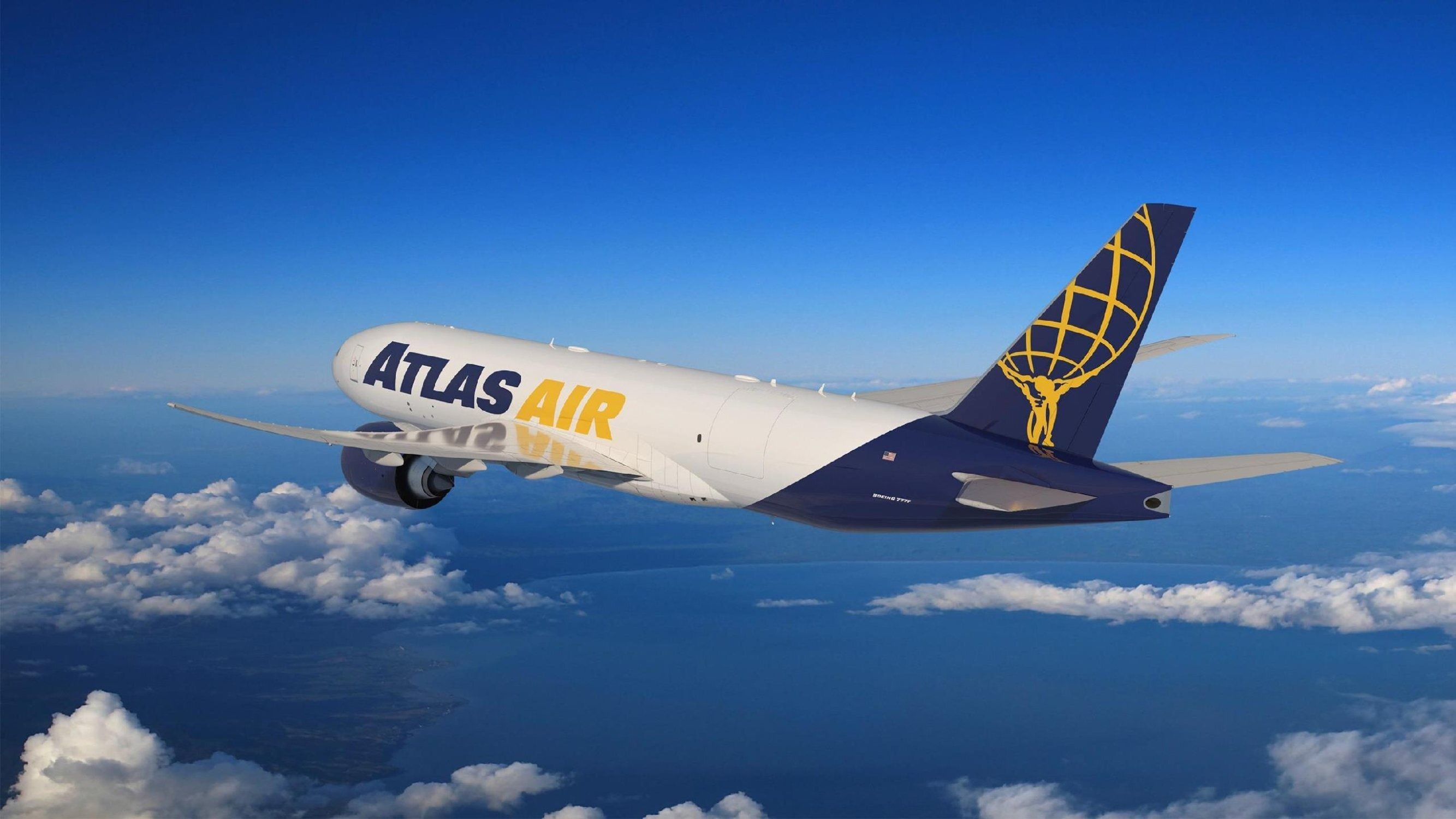
An Atlas Air plane represents a critical pillar of global trade, operating as part of the world’s largest fleet of Boeing 747 freighter aircraft. These planes provide essential heavy-lift cargo capacity, military transport, and commercial charter services, connecting major industrial hubs across six continents through sophisticated ACMI (Aircraft, Crew, Maintenance, and Insurance) leasing models.
As of 2026, Atlas Air remains the preeminent name in wide-body freighter operations. While many passenger airlines have retired the "Queen of the Skies," Atlas Air has doubled down on the Boeing 747's unique capabilities, particularly the 747-8F and 747-400F variants. Understanding the nuances of these aircraft, their operational profiles, and their role in the global supply chain is essential for logistics professionals and aviation enthusiasts alike.
The Strategic Composition of the Atlas Air Fleet
The fleet operated by Atlas Air is not a monolithic collection of cargo jets; rather, it is a highly specialized toolkit designed to meet diverse logistical demands. The company utilizes a mix of Boeing airframes, each serving a specific niche in the market, from short-haul e-commerce delivery to ultra-long-haul heavy machinery transport.
The Boeing 747-8 Freighter: The Modern Flagship
The Boeing 747-8F is the jewel of the Atlas Air fleet. As the final evolution of the 747 line, these aircraft offer significantly improved fuel efficiency and payload capacity compared to their predecessors. In early 2023, Atlas Air took delivery of the last 747 ever produced by Boeing, marking the end of an era while cementing Atlas's position as the primary operator of this type.
Technically, the 747-8F features advanced GEnx-2B67 engines, which utilize carbon fiber composite fan blades and a high-bypass ratio to reduce noise and fuel consumption. The aircraft's "swing nose" door is perhaps its most vital feature, allowing for the loading of exceptionally long or "outsize" cargo that would not fit through standard side-loading doors. In 2026, these planes continue to be the first choice for transporting aerospace components, large oil and gas equipment, and high-value automotive parts.
The Boeing 747-400 Series: The Workhorse
Despite the advancement of the 747-8, the 747-400 remains a cornerstone of Atlas Air’s operations. Atlas operates several variations of this model, including the 747-400F (factory-built freighter), the 747-400 BCF (Boeing Converted Freighter), and the 747-400 BDSF (Bedek Special Freighter).
The 400 series is prized for its reliability and the sheer volume of available spare parts and experienced maintenance crews. While slightly less fuel-efficient than the 7-8, the lower capital cost of these older airframes allows Atlas to offer competitive pricing for charter services and scheduled cargo routes.
The Expansion into Twin-Engine Efficiency: Boeing 777F and 767
Recognizing the shifting dynamics of global aviation, Atlas Air has expanded its twin-engine fleet. The Boeing 777-200LRF (Long Range Freighter) has become an increasingly important asset. By 2026, the 777F provides Atlas with a highly efficient platform for long-haul routes that do not require the massive volume of a 747 but still demand high reliability and range.
The Boeing 767-300ER and 767-200 platforms serve a different purpose, primarily supporting the "middle-mile" logistics for express carriers. These aircraft are smaller, making them ideal for regional hubs where a 747 would be overkill or physically too large for the infrastructure.
Operational Models: ACMI, CMI, and Charter Services
To understand how an Atlas Air plane functions in the market, one must understand the business models the company employs. Atlas Air rarely operates solely as a traditional airline selling individual pallet space; instead, it provides "airline-as-a-service" solutions to other major entities.
ACMI (Aircraft, Crew, Maintenance, and Insurance)
This is the core of Atlas Air’s business. In an ACMI contract, often called a "wet lease," Atlas provides the plane, the pilots, the technical upkeep, and the necessary insurance, while the customer (such as DHL, Amazon, or a national flag carrier) provides the fuel, pays the landing fees, and manages the actual cargo marketing. This allows major logistics companies to scale their capacity rapidly without the massive capital investment required to purchase and maintain their own wide-body fleet.
CMI (Crew, Maintenance, and Insurance)
In a CMI agreement, the customer owns or leases the aircraft themselves but hires Atlas Air to operate it. This is a common arrangement with Amazon Air. You may see a plane painted in Amazon's "Prime Air" livery, but the flight deck is staffed by Atlas Air pilots, and the maintenance is overseen by Atlas technicians. This model ensures that the aircraft is operated to the highest professional standards while the customer maintains control over the asset.
Global Charter Services
Atlas Air is a primary provider of ad-hoc charter flights. This service is utilized for emergency relief efforts, major concert tours, and the transport of livestock. If a government needs to move 100 tons of medical supplies across an ocean in 24 hours, an Atlas Air 747-400F is often the first aircraft called.
Technical Specifications and Capability Comparison
When selecting an aircraft for a specific mission, logistics planners look at the trade-off between weight, volume, and range. The following table illustrates the capabilities of the primary aircraft types found in the Atlas Air fleet as of 2026.
| Aircraft Model | Max Structural Payload (lbs) | Max Range at Full Load (nm) | Main Deck Capacity | Unique Advantage |
|---|---|---|---|---|
| Boeing 747-8F | ~307,000 | 4,120 | 34 Pallets | Nose-loading for outsize cargo; best-in-class efficiency. |
| Boeing 747-400F | ~274,000 | 4,445 | 30 Pallets | Industry standard for heavy-lift; versatile nose-loader. |
| Boeing 777F | ~226,000 | 4,970 | 27 Pallets | Exceptional range; 18% lower fuel burn than 747-400. |
| Boeing 767-300F | ~116,000 | 3,225 | 24 Pallets | Ideal for regional express and e-commerce distribution. |
| Boeing 737-800F | ~52,000 | 2,000 | 11 Pallets | Short-haul feeder operations; high cycle frequency. |
The Role of Atlas Air in Military and Government Operations
Beyond commercial cargo, Atlas Air is a vital partner for the United States Department of Defense (DoD). As a major participant in the Civil Reserve Air Fleet (CRAF), Atlas Air planes are frequently utilized by the Air Mobility Command (AMC) to move personnel and equipment to overseas bases.
Passenger Operations
While Atlas is synonymous with cargo, they maintain a fleet of passenger-configured Boeing 747-400s. These are not used for scheduled commercial flights like Delta or United. Instead, they are used for:
- Military Trooping: Moving large numbers of soldiers between deployments.
- Sports Charters: Transporting NFL or MLB teams and their extensive equipment.
- VIP Charters: Specialized configurations for large corporate groups or government delegations.
The technical depth of Atlas's operation allows them to maintain these aging passenger 747s to a standard that ensures maximum safety and reliability, even on high-utilization military contracts.
Maintenance and Safety Standards
Operating a fleet of wide-body aircraft, many of which are decades old, requires a rigorous maintenance regime. Atlas Air utilizes a combination of in-house expertise and strategic partnerships with Maintenance, Repair, and Overhaul (MRO) facilities globally.
Safety at Atlas is governed by the FAA (Federal Aviation Administration) and international standards such as the IATA Operational Safety Audit (IOSA). Because their planes fly into various jurisdictions, they must comply with a complex web of environmental and safety regulations, including Stage 4 and Stage 5 noise requirements. In 2026, the company continues to invest in predictive maintenance technologies, using data sensors on the engines and airframes to identify potential failures before they occur, thereby reducing unscheduled downtime.
Future Outlook: Sustainability and Modernization
As the aviation industry moves toward "Net Zero" targets by 2050, Atlas Air faces the challenge of operating heavy, four-engine aircraft in a world increasingly focused on carbon footprints.
By 2026, Atlas has significantly increased its investment in Sustainable Aviation Fuel (SAF). While SAF does not require modifications to the engines, the challenge remains the global supply and the high cost compared to traditional Jet A-1 fuel. Furthermore, the gradual shift from 747-400s to 777-300ERFs (converted freighters) represents a strategic move toward twin-engine aircraft that offer similar volumes with 20-25% lower carbon emissions.
Frequently Asked Questions
Can I track an Atlas Air plane in real-time?
Yes, most Atlas Air planes can be tracked using public flight tracking services like FlightAware or FlightRadar24. By entering the "GTI" callsign (which stands for Giant, the airline's official radio callsign) or the specific registration number (usually starting with N, such as N850GT), users can see the current position, altitude, and destination of the aircraft.
What is the significance of the "nose door" on the Atlas 747?
The nose door is a critical feature that allows the entire front section of the aircraft (below the cockpit) to swing upward. This permits the loading of cargo that is longer than the side cargo door, such as pipes, wind turbine blades, or large satellite components. Only factory-built freighters like the 747-8F and 747-400F have this; converted freighters usually do not.
How does Atlas Air support the US Military?
Atlas Air is one of the largest contractors for the U.S. Military’s Air Mobility Command. They provide both cargo and passenger transport services, moving everything from heavy machinery and munitions to thousands of troops. This partnership is governed by the Civil Reserve Air Fleet (CRAF) program, which ensures the military has access to commercial lift capacity during emergencies.
Does Atlas Air hire pilots for the 747 in 2026?
Yes, Atlas Air continues to be a major employer of wide-body pilots. Given the specialized nature of the 747 and 777 fleets, they often seek experienced aviators. In 2026, the company continues to provide robust training programs at its specialized facilities to transition pilots from other airframes to the "Queen of the Skies."
What is the difference between Atlas Air and Polar Air Cargo?
Polar Air Cargo is a subsidiary of Atlas Air Worldwide Holdings. While Atlas Air focuses largely on ACMI and charter services, Polar Air Cargo operates more like a traditional scheduled freight airline, often in partnership with DHL Express. Both airlines share aircraft and operational resources within the larger corporate structure.
Summary and Next Actions
If you are a logistics manager or business leader looking to utilize the capacity of an Atlas Air plane, the first step is to identify your specific needs regarding weight, volume, and urgency.
For routine shipments, working through a freight forwarder that has existing allocations on Atlas or Polar routes is the most efficient path. However, for specialized requirements—such as outsize cargo that requires a nose-loading 747-8F or a dedicated military-grade transport—contacting Atlas Air’s charter department directly is necessary. In 2026, with global supply chains remaining complex and "just-in-case" inventory models prevailing, securing wide-body capacity early is the key to maintaining operational continuity.