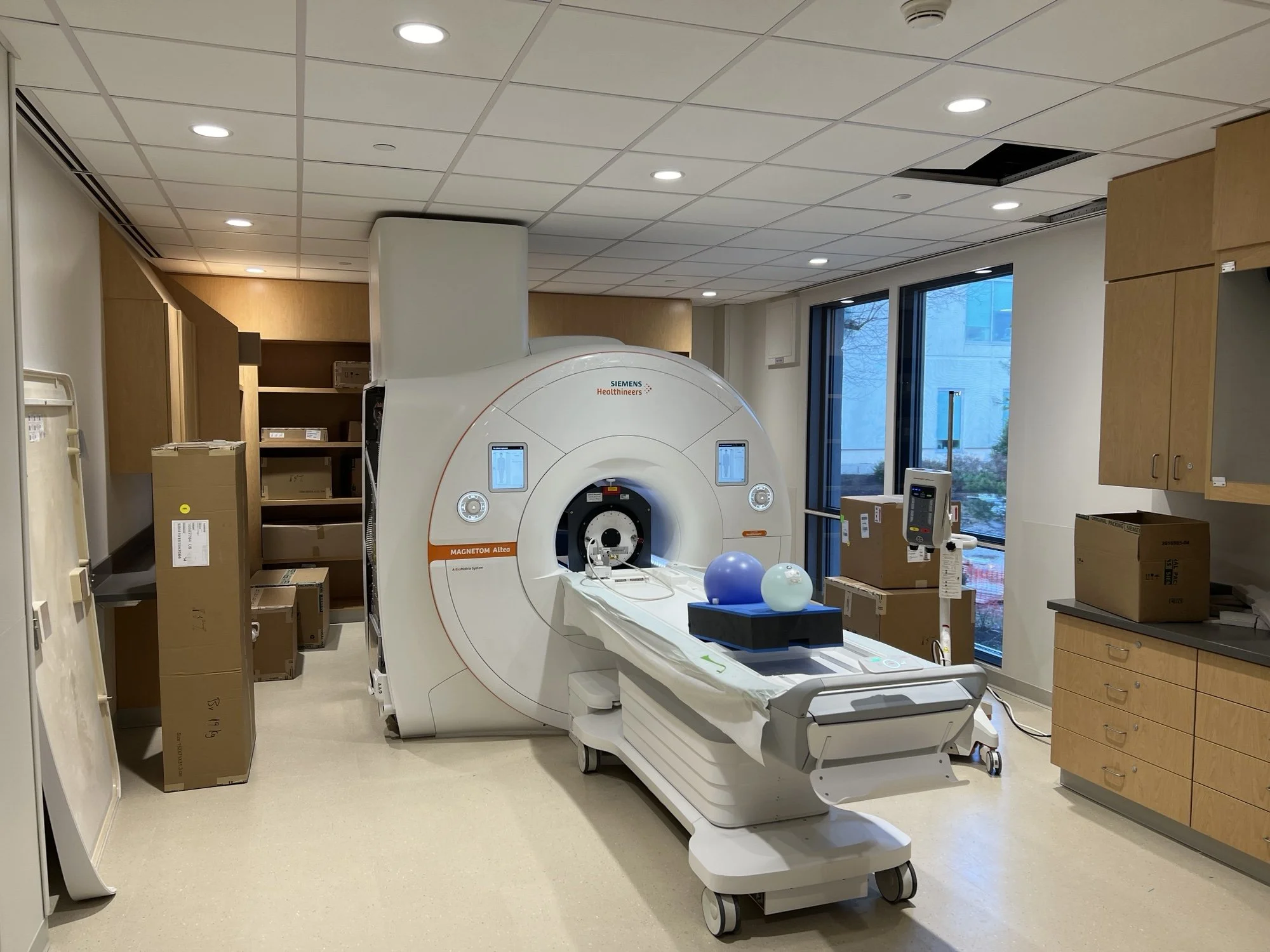
AtlantiCare Regional Medical Center (ARMC) Mainland Campus in Pomona, New Jersey, remains a leading healthcare provider in the South Jersey region as of 2026. Known for its specialized Heart and Vascular Institute, comprehensive cancer care, and advanced orthopedic services, the hospital offers a high standard of clinical excellence combined with modern facilities designed for patient comfort and recovery.
Overview of the AtlantiCare Mainland Campus
Located at 65 West Jimmie Leeds Road in Pomona, the Mainland Campus is a cornerstone of the AtlantiCare health system. While the City Campus in Atlantic City is widely recognized for its Level II Trauma Center, the Mainland Campus has evolved into a sophisticated hub for elective surgeries, specialized cardiac interventions, and long-term wellness programs. As we evaluate the facility in 2026, it continues to serve as a vital resource for residents of Atlantic, Cape May, and southern Ocean counties.
The campus has undergone several expansions over the last decade, ensuring that the physical infrastructure supports the latest medical technologies. For patients, this translates to private rooms, integrated digital health systems for real-time monitoring, and specialized wings dedicated to specific disciplines such as oncology and joint replacement. The hospital’s placement near the Garden State Parkway and Stockton University makes it highly accessible for both local residents and those traveling from the surrounding Jersey Shore communities.
Clinical Excellence and Specialized Institutes
A thorough review of AtlantiCare Pomona requires a deep dive into its specialized "institutes," which represent the hospital's most advanced clinical offerings. These centers are designed to provide a continuum of care, from initial diagnosis through rehabilitation.
The Heart and Vascular Institute
The Heart and Vascular Institute at the Mainland Campus is arguably its most prestigious department. In 2026, it remains one of the few facilities in the region capable of performing complex cardiac catheterizations, electrophysiology studies, and open-heart surgeries.
Patients seeking cardiac care here benefit from a multidisciplinary approach. The institute integrates cardiologists, cardiothoracic surgeons, and specialized vascular therapists. This collaboration is critical for treating conditions such as atrial fibrillation, coronary artery disease, and structural heart defects. The hospital’s investment in "hybrid" operating rooms—which combine surgical capabilities with high-resolution imaging—allows for minimally invasive procedures that result in shorter hospital stays and faster recovery times for patients.
The J. Howard Boyd Cancer Center
Cancer care at the Mainland Campus is centralized within the J. Howard Boyd Cancer Center. The facility is designed to reduce the "travel burden" for patients, offering radiation oncology, chemotherapy, and surgical oncology under one roof.
In 2026, the center is noted for its personalized medicine initiatives. By utilizing genetic testing and molecular profiling, oncologists at AtlantiCare can tailor treatment plans to the specific biology of a patient’s tumor. Furthermore, the hospital maintains a robust clinical trials program, often providing patients access to emerging therapies that are not yet widely available in community hospital settings. The inclusion of "Nurse Navigators" is a highlighted feature in patient reviews, as these professionals guide individuals through the complexities of scheduling, insurance, and emotional support.
The Joint and Spine Institute
For those requiring orthopedic care, the Joint and Spine Institute offers specialized programs for hip and knee replacements, as well as complex spinal surgeries. The institute utilizes robotic-assisted surgery platforms, such as Mako or ROSA, which improve the precision of implant placement.
The "Mainland approach" to orthopedics emphasizes pre-operative education. Patients often attend "Joint Class" before their surgery, which has been shown to decrease anxiety and improve post-operative compliance with physical therapy. The hospital's dedicated orthopedic floor ensures that patients are cared for by nursing staff who specialize specifically in musculoskeletal recovery, which is a major factor in the facility's low infection and readmission rates.
Analyzing Patient Experience and Nursing Quality
Reviewing a hospital involves more than looking at clinical outcomes; the quality of the "human" experience is equally important. AtlantiCare Mainland Campus has consistently maintained its Magnet Recognition for nursing excellence, a credential awarded by the American Nurses Credentialing Center (ANCC).
The Impact of Magnet Status
Magnet status is the gold standard for nursing. For patients at the Pomona campus, this means that the nursing staff is highly educated (with a high percentage of BSN-prepared nurses) and has a significant voice in hospital governance. Reviews from 2026 frequently point to the responsiveness of the nursing staff and their ability to provide clear, empathetic communication during stressful medical events. High nurse-to-patient ratios are a priority at this facility, which directly correlates to fewer medical errors and higher patient satisfaction scores in federal surveys.
Patient Amenities and Environment
The physical environment of the Mainland Campus is designed to be "healing" rather than purely clinical. The majority of patient rooms are private, which is essential for infection control and restful sleep. The facility features natural lighting, quiet zones, and accessible outdoor spaces.
Food service is another area that often appears in patient reviews. AtlantiCare utilizes a room-service model where patients can order meals from a menu at their convenience, within their dietary restrictions. While hospital food is rarely a highlight of any stay, this flexibility represents a significant improvement over traditional fixed-meal schedules.
Safety Ratings and Quality Metrics
In 2026, healthcare transparency is at an all-time high. Prospective patients can verify the performance of AtlantiCare Mainland through several independent bodies.
Leapfrog Group Hospital Safety Grade
The Leapfrog Group provides a letter grade (A through F) based on a hospital’s ability to prevent errors, injuries, accidents, and infections. Historically, the Mainland Campus has fluctuated between "A" and "B" grades. The hospital’s focus on "The Golden Hour" in emergency care and its rigorous protocols for preventing Central Line-Associated Bloodstream Infections (CLABSI) are key contributors to its safety standing.
CMS Star Ratings
The Centers for Medicare & Medicaid Services (CMS) provides an overall star rating (1 to 5 stars) based on five areas of quality: mortality, safety of care, readmission, patient experience, and timely and effective care. AtlantiCare Mainland typically maintains a 3 or 4-star rating. While the hospital excels in specialized surgeries and safety, its emergency department wait times—much like many facilities across the United States in 2026—remain a point of ongoing focus for improvement.
Comparison Table: AtlantiCare Mainland vs. Regional Standards
| Metric | AtlantiCare Mainland (Pomona) | Regional Average (South NJ) | National Benchmark |
|---|---|---|---|
| Nursing Excellence | Magnet Designated | Varies by facility | ~9% of US Hospitals |
| Cardiac Surgery Access | Full On-site Services | Limited to Major Hubs | High-Volume Center |
| Private Room Ratio | High (>85%) | Moderate (~60%) | Increasing |
| Electronic Health Record | Fully Integrated (Epic) | Mostly Integrated | Standardized |
| Joint Replacement Grade | High Performing | Average | Specialized |
Maternity and Newborn Services
The Mainland Campus is home to the Roger B. Hansen Center for Childbirth. For families in the 2026 timeframe, this facility offers a balance between a natural, family-centered birth experience and high-tech medical backup.
The center features labor, delivery, and recovery (LDR) rooms that allow a mother to stay in one place for the duration of her birth experience. Critically, the Mainland Campus houses a Level II Special Care Nursery. This means they can provide specialized care for premature infants or those with moderate medical complications, though extremely micro-preemie babies or those requiring specialized neonatal surgery may still be transferred to a Level III or IV NICU.
The availability of 24/7 in-house obstetricians and neonatologists ensures that emergencies can be handled immediately, providing a layer of safety that smaller community birthing centers may lack.
Logistics: Access, Parking, and Navigation
One of the most practical aspects of any hospital review is how easy it is to actually use the facility. The Pomona location offers several advantages over urban hospitals:
- Parking: Unlike the City Campus, the Mainland Campus has extensive surface parking lots that are generally free for patients and visitors. This significantly reduces the stress of arriving for appointments or visiting loved ones.
- Navigation: The hospital uses a clear, color-coded wayfinding system. Despite the campus's large footprint, the main lobby serves as a central hub for the Cancer Center, Heart Institute, and main inpatient elevators.
- Digital Integration: Through the "MyChart" portal (integrated via the Epic systems), patients in 2026 can check in for appointments remotely, view lab results within hours, and communicate directly with their care teams. This digital transparency is a major factor in the hospital’s high marks for administrative efficiency.
Areas for Improvement and Considerations
No hospital is without its challenges. In 2026, the primary criticisms of the Mainland Campus often center on the Emergency Department (ED). As the population in Atlantic and Ocean counties grows, the ED can experience high volumes, leading to longer wait times for non-life-threatening conditions. While AtlantiCare has expanded its "Urgent Care" network throughout the region to divert minor cases, the Mainland ED remains a high-pressure environment.
Additionally, while the facility is modern, some of the older wings of the hospital are undergoing phased renovations. Patients placed in these areas may find the aesthetics less contemporary than the newer Heart and Vascular or Cancer Center wings.
Frequently Asked Questions
Does AtlantiCare Mainland accept all major insurance plans?
In 2026, AtlantiCare remains a major provider that accepts most national and regional insurance plans, including Horizon Blue Cross Blue Shield, Aetna, Cigna, and UnitedHealthcare. However, patients should always verify their specific "tier" or "network" status through the AtlantiCare Insurance Verification page or by calling their provider.
Is the Mainland Campus the same as the Atlantic City hospital?
No. While they are part of the same system (AtlantiCare Regional Medical Center), they are two distinct campuses. The City Campus focuses on trauma and neurosurgery, while the Mainland Campus (Pomona) focuses on cardiac, cancer, orthopedics, and maternity. They share a single medical record system, so care is seamless between the two.
What are the visiting hours at AtlantiCare Pomona in 2026?
Standard visiting hours are typically 8:00 AM to 8:00 PM, though these are subject to change based on current public health guidelines. Specialized units like the ICU or Maternity have more specific, often more flexible, visitation policies to accommodate family involvement in care.
Does the hospital offer outpatient services?
Yes. The Mainland Campus is surrounded by several "satellite" buildings that house outpatient imaging (MRI, CT, PET), laboratory services, and physical therapy. The AtlantiCare HealthPark, located adjacent to the main hospital, contains many of these specialized outpatient clinics.
How does the hospital handle patient privacy and data?
As an Epic-based facility, AtlantiCare follows strict HIPAA regulations and utilizes multi-factor authentication for its patient portals. In 2026, they are also recognized for their cybersecurity measures to protect patient health information (PHI).
Final Recommendation for Patients
The AtlantiCare Regional Medical Center Mainland Campus in Pomona is a premier choice for patients in South Jersey, particularly those requiring specialized care in cardiology, oncology, or orthopedics. Its combination of Magnet-status nursing and high-tech surgical capabilities makes it a regional leader.
For those planning a procedure, it is recommended to utilize the "MyChart" portal early to streamline paperwork and to attend any available pre-operative education classes. While the Emergency Department can be busy, the specialized institutes offer a level of care that rivals many academic medical centers in Philadelphia or North Jersey, without the need for extensive travel.