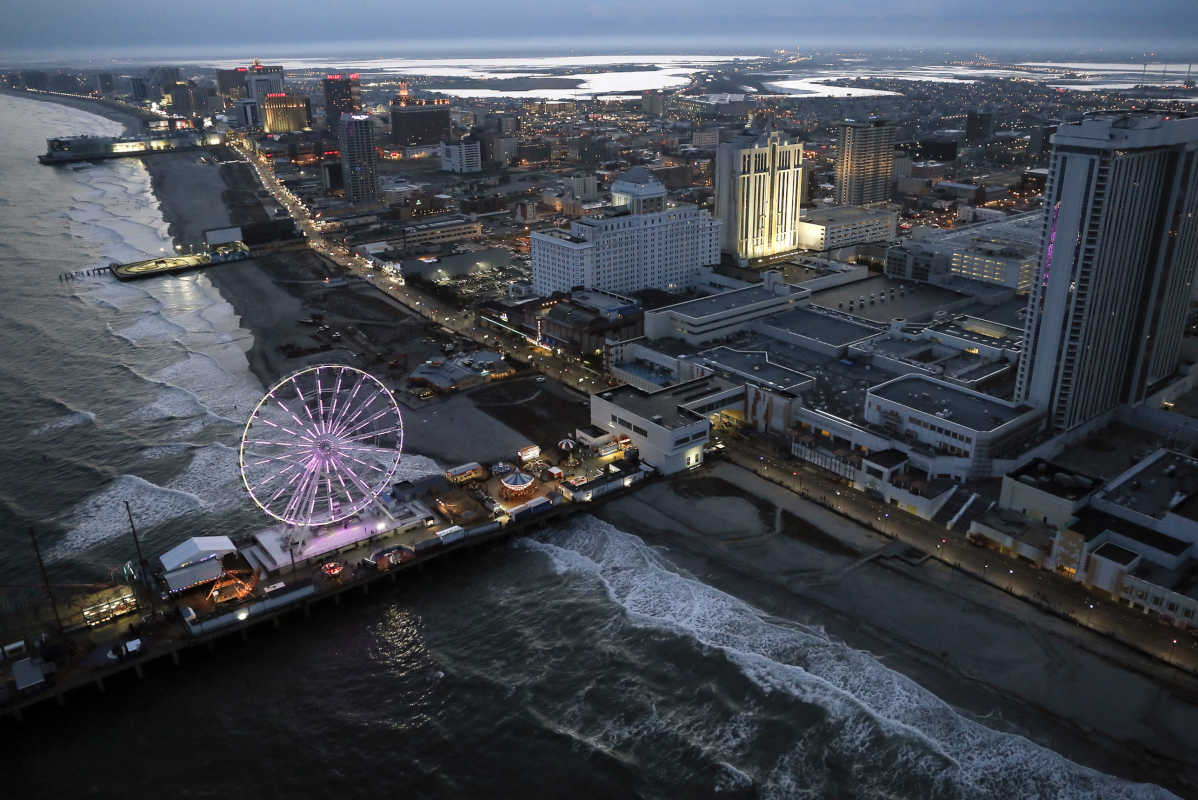
The term "Atlantic City ghetto" refers to several neighborhoods within the city characterized by systemic disinvestment, high poverty rates, and urban decay, most notably the Northside and sections of the 3rd and 4th Wards. While the city’s Boardwalk and casino districts represent immense private wealth, these adjacent residential zones have historically faced significant socio-economic challenges, including food insecurity and housing instability.
Atlantic City, New Jersey, presents one of the most stark examples of wealth inequality in the United States. For decades, the "World’s Famous Playground" has been a city of two halves: the glitzy, neon-lit casino corridor and the surrounding residential neighborhoods that have struggled to capture the economic benefits of the gambling industry. As we navigate through 2026, understanding the reality of these high-poverty areas—often colloquially and controversially referred to as "the ghetto"—requires a deep dive into urban planning history, economic policy, and the specific geographic boundaries that define local life.
The Historical Evolution of Segregation and Disinvestment
To understand why specific pockets of Atlantic City remain distressed, one must look at the mid-20th-century policies that shaped the city. Historically, the "Northside" was the heart of the Black community. During the era of segregation, this area was a vibrant cultural hub, home to legendary jazz clubs and Black-owned businesses along Kentucky Avenue. However, as the city’s overall economy declined in the 1960s with the rise of affordable air travel to competing destinations, the Northside suffered disproportionately.
When casino gambling was legalized in 1978, the promise was one of "urban renewal." The Casino Reinvestment Development Authority (CRDA) was established to take a percentage of gambling revenue and reinvest it into community projects. While the CRDA has funded significant infrastructure, critics have long argued that the investment was prioritized for the "Tourism District"—areas that benefit visitors—rather than the residential "Back Maryland" or "Bungtown" areas where poverty is most concentrated.
By 2026, the legacy of these decisions remains visible. The transition from a seasonal resort to a gambling mecca did not always translate into high-paying, stable jobs for residents living just blocks away from the casinos. Instead, it often led to increased property values and taxes that displaced long-term residents, while the neighborhoods themselves saw little in the way of new grocery stores or healthcare facilities.
Identifying High-Poverty Neighborhoods in Atlantic City
In the context of 2026, the geography of Atlantic City’s most distressed areas has shifted slightly due to recent redevelopment, but the core areas of concern remain consistent. These neighborhoods are defined by the U.S. Census Bureau as "low-income tracts" and are frequently the focus of state intervention.
The Northside and Stanley Holmes Village
The Northside remains the most prominent residential area struggling with poverty. It houses Stanley Holmes Village, one of the oldest public housing projects in the country. For years, residents here have advocated for better living conditions, citing issues with aging infrastructure and heating. As of 2026, several redevelopment phases have been initiated, but the area remains a focal point for social services and community activism.
Back Maryland
Located on the northern end of the island, near the Absecon Inlet, Back Maryland is a residential enclave that has historically been isolated from the city’s main economic drivers. This area often experiences significant flooding during high tides—a problem exacerbated by climate change—which has hindered long-term private investment.
The Westside and Bungtown
The Westside neighborhoods, particularly those bordering the marshes and the thoroughfare, have faced high rates of vacancy and abandoned properties. These areas have been the primary target of "blight removal" programs. While these programs aim to improve safety, they often leave behind empty lots that can remain undeveloped for years, contributing to the "broken windows" perception of the neighborhood.
Socio-Economic Factors and the "Casino Paradox"
The "Casino Paradox" refers to the coexistence of billion-dollar gaming revenues and double-digit poverty rates. In Atlantic City, the poverty rate has hovered around 30% to 35% for much of the last decade, significantly higher than both the New Jersey and national averages.
Unemployment and the Service Economy
The primary employer in Atlantic City is the hospitality and gaming industry. While these provide thousands of jobs, many are entry-level service positions with fluctuating hours based on seasonal demand. In 2026, the shift toward automation in casinos (such as automated kiosks and digital table games) has further pressured the local labor market, leaving those in high-poverty areas with fewer accessible career paths.
Food Deserts and Essential Services
One of the most critical issues in Atlantic City’s distressed neighborhoods is the lack of access to fresh food. For years, the city was classified as a "food desert." While the opening of new grocery initiatives in the mid-2020s has helped, the cost of transportation and the price of goods remain barriers for residents in the Northside and Westside who do not own vehicles.
Comparing Neighborhood Metrics in Atlantic City (2026 Data)
The following table provides a comparison of various districts within Atlantic City to contextualize the socio-economic disparities across the island.
| Neighborhood | Primary Land Use | Relative Poverty Rate | Infrastructure Status (2026) |
|---|---|---|---|
| Boardwalk/Tourism District | Commercial / Casino | Low (Non-residential) | High-quality, well-maintained |
| Chelsea/Lower Chelsea | Residential / Mix | Moderate | Stable; undergoing gentrification |
| Northside | Residential / Public Housing | Very High | Aging; undergoing phased renewal |
| Back Maryland | Residential | High | High flood risk; limited services |
| Ducktown | Residential / Arts District | Moderate | Revitalized via "Arts District" grants |
| Venice Park | Residential | Low to Moderate | Stable; suburban feel |
Safety and Crime Perception vs. Reality
When outsiders search for information on the "Atlantic City ghetto," the primary concern is often safety. It is important to distinguish between the perception of danger and the statistical reality of crime in the city.
The Impact of "Safe Corridor" Initiatives
By 2026, the Atlantic City Police Department (ACPD) has expanded its use of the "Safe Corridor" program. This involves heavy surveillance and a visible police presence along routes that connect the casinos to the highways. While this has reduced crime in the Tourism District, it has led to complaints about "displacement," where criminal activity is simply pushed further into the residential neighborhoods of the Northside and Westside.
Understanding Violent Crime Statistics
Like many urban centers, violent crime in Atlantic City is often localized and involves individuals known to one another. For visitors and residents, the primary risks are often property crimes (such as theft or motor vehicle break-ins). However, the psychological impact of seeing boarded-up buildings and unlit streets contributes to the "ghetto" label, even in areas where violent crime has actually decreased due to community policing efforts.
Redevelopment and the Future of Distressed Areas
The year 2026 marks a pivotal point for Atlantic City’s urban landscape. Several long-term projects aimed at breaking the cycle of poverty are currently in various stages of completion.
- Stockton University Expansion: The continued growth of the Stockton University Atlantic City campus in the Chelsea neighborhood has acted as an anchor for "eds and meds" economic development. This has brought more year-round residents and small businesses to the southern end of the city.
- The CRDA Neighborhood Revitalization: Recent mandates have forced the CRDA to pivot more funds toward neighborhood improvements, such as sidewalk repairs, street lighting, and the "Great Streets" initiative, which aims to make the residential corridors as attractive as the Boardwalk.
- Climate Resilience Projects: Because the high-poverty areas in Back Maryland are most vulnerable to sea-level rise, the state has invested in massive pump stations and sea walls. These are essential for preserving the housing stock in these districts.
The Role of Community Organizations
While government and casino-led initiatives often make the headlines, local non-profits and community organizations are the backbone of the Northside and other distressed areas. Organizations such as the Atlantic City Housing Authority and various faith-based groups provide essential services ranging from after-school programs to job training and addiction recovery.
In 2026, the focus has shifted toward "Community Land Trusts," which allow residents to have a say in how vacant lots are used. By converting "blighted" land into community gardens or affordable housing, these groups are working to reclaim the narrative of their neighborhoods from the derogatory "ghetto" label to one of "resilient community."
Frequently Asked Questions (FAQ)
Is it safe to walk in the Northside of Atlantic City?
While most residents are law-abiding citizens, visitors are generally advised to stay within the Tourism District (the Boardwalk and main thoroughfares like Atlantic and Pacific Avenues), especially after dark. The Northside has areas of high poverty where lighting and foot traffic are sparse, increasing the risk for those unfamiliar with the area. Always use ride-sharing services if you need to travel deep into residential wards at night.
Why is there so much poverty next to expensive casinos?
This is known as the "leakage" effect in economics. Historically, casino profits in Atlantic City were often funneled back to corporate headquarters or used for state-wide projects rather than local neighborhood development. Additionally, the high cost of living on an island and the seasonal nature of the tourism economy make it difficult for low-income residents to build generational wealth.
What are the "worst" parts of Atlantic City?
From a socio-economic and safety standpoint, the areas around Stanley Holmes Village, Back Maryland, and parts of the 3rd Ward are often cited as the most distressed. However, labeling them as "worst" overlooks the strong community ties and ongoing revitalization efforts led by local residents.
Has Atlantic City improved in 2026 compared to previous years?
Yes, there are measurable improvements in specific sectors. The diversification of the economy beyond just gambling—specifically in offshore wind energy and education—has provided more stable employment. However, the "ghetto" conditions in the oldest public housing sectors remain a significant challenge that requires continued long-term investment.
Are there grocery stores in these high-poverty areas?
Access has improved. For a long time, Atlantic City was a food desert, but as of 2026, new developments like the ShopRite on Admiral Bamaid Blvd and various "mobile markets" have increased access to fresh produce for residents in the Westside and Northside.
Final Recommendation for Residents and Investors
For those looking to understand or engage with Atlantic City’s high-poverty areas in 2026, the best approach is one of informed engagement. If you are a visitor, respect the boundaries of residential neighborhoods while supporting local businesses that exist outside the casino walls. If you are an investor or researcher, focus on the "Opportunity Zones" that prioritize community-wealth building rather than displacement. The transformation of these neighborhoods from "distressed" to "vibrant" depends on breaking the cycle of isolation and ensuring that the economic engine of the Boardwalk finally fuels the streets of the Northside.