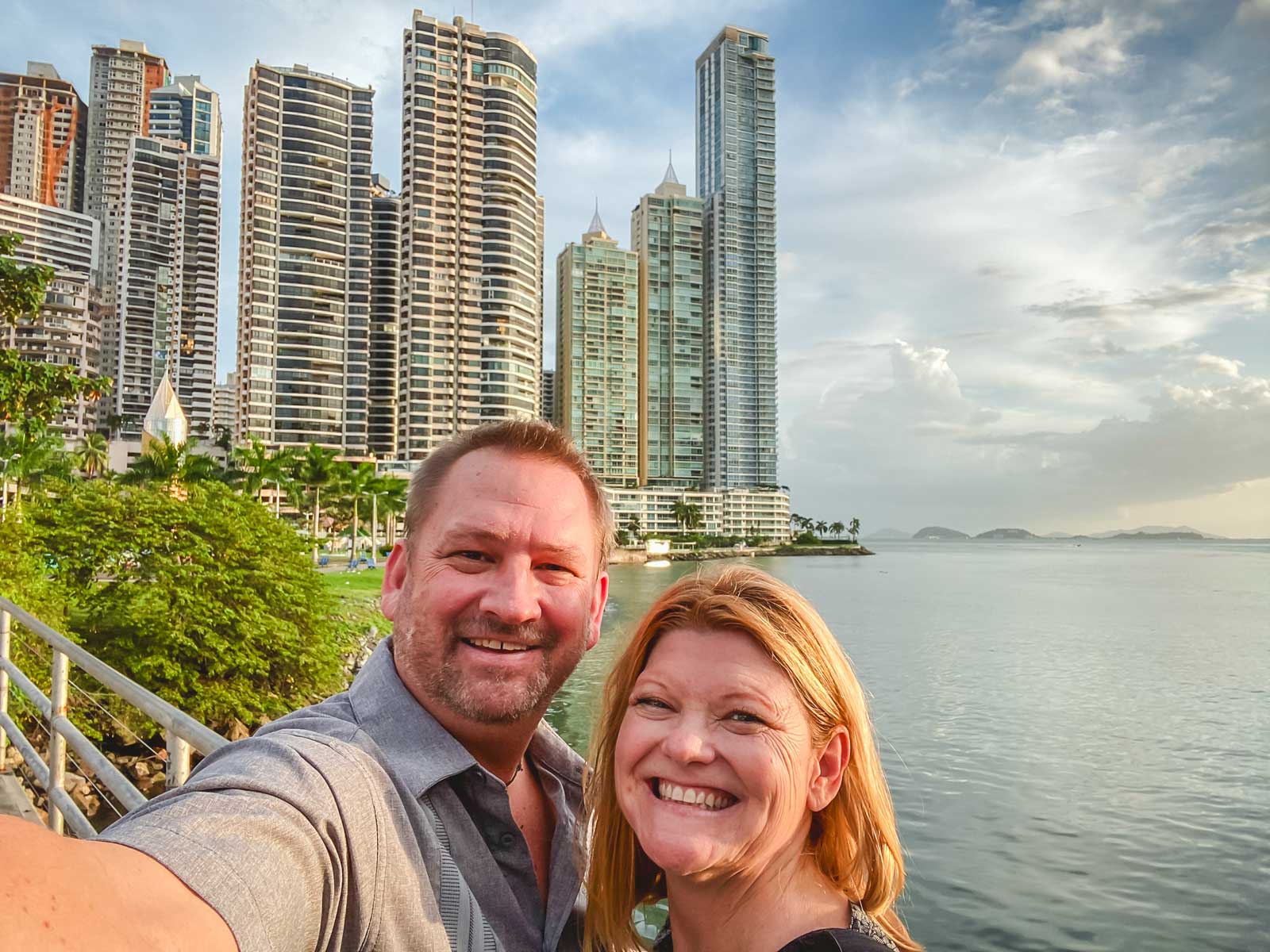
Panama remains one of the safest destinations in Latin America in 2026, though safety levels vary significantly by region. While major tourist hubs and expat enclaves like Panama City and Boquete are generally secure, visitors must exercise caution in specific urban neighborhoods and strictly avoid the Darien Gap due to serious transnational security risks.
Understanding the National Safety Landscape of Panama
Assessing the safety of Panama requires a nuanced understanding of its unique geography and socioeconomic structure. In 2026, Panama continues to serve as a global logistics and financial hub, which brings both high-level security infrastructure and specific risks associated with being a transit country. Historically, Panama has avoided the high levels of systemic violence seen in some of its Northern Central American neighbors. This stability is largely due to a robust police presence and a growing economy that supports social services better than many regional counterparts.
However, safety is not uniform. The country is effectively divided into three safety tiers: the highly regulated urban and tourist corridors, the tranquil interior highlands and coastal retreats, and the high-risk border zones. For the average traveler or prospective expat, the "danger" in Panama rarely manifests as targeted violence against foreigners but rather as opportunistic petty crime or logistical hazards. By understanding the specific environmental, social, and criminal variables at play this year, one can navigate the country with minimal risk.
Regional Safety Breakdowns: Where to Exercise Caution
Panama City: A Tale of Two Realities
Panama City is a sprawling metropolis that blends ultra-modern skyscrapers with colonial ruins and impoverished barrios. Most visitors spend their time in neighborhoods like Casco Viejo, Bella Vista, Punta Pacifica, and Costa del Este. These areas are heavily patrolled by the Policía de Turismo (Tourist Police), who are specifically trained to assist foreigners.
In 2026, the primary concern in these high-traffic areas is petty larceny. This includes pickpocketing in crowded areas like the Albrook Mall or the Fish Market (Mercado de Mariscos). More serious concerns arise when one inadvertently crosses the "invisible borders" into high-risk neighborhoods. Neighborhoods such as El Chorrillo, Curundu, and San Miguelito continue to experience high rates of gang-related activity. While these groups rarely target tourists specifically, being in the vicinity during a dispute is a legitimate safety concern. It is critical to use GPS navigation carefully, as a single wrong turn from the revitalized streets of Casco Viejo can lead directly into the high-risk zones of El Chorrillo.
The Atlantic Coast: The Case of Colón
The city of Colón, located at the Caribbean entrance of the Canal, presents a starkly different safety profile than the capital. Despite its economic importance as a free trade zone and port, the city struggles with high unemployment and crime rates. Street crime, including armed robbery, is significantly more prevalent here. Travelers are generally advised to visit the Panama Canal’s Agua Clara Locks or the nearby Portobelo ruins but to avoid walking through Colón city itself. If your itinerary requires a stop in Colón, utilizing a pre-arranged private driver or a reputable tour operator is the standard safety protocol for 2026.
The Interior and Expat Highlands
Regions such as Chiriquí (home to Boquete and Volcán) and the Azueros Peninsula (Pedasí and Venao) are among the safest areas in the country. These locations are characterized by close-knit communities where residents—both local and foreign—actively participate in neighborhood watch programs. The primary safety concerns here are not criminal but environmental, such as flash floods during the rainy season or landslides on steep mountain roads. Property crime, such as "theft of opportunity" from unlocked homes or cars, is the most common criminal issue reported by expats in these regions.
The Darien Gap: An Absolute No-Go Zone
The Darien Province, specifically the border region with Colombia, remains under an "Extreme Risk" advisory. In 2026, this area continues to be a primary corridor for irregular migration and the transit of illicit goods. The dense jungle is controlled in parts by paramilitary groups and criminal cartels. Kidnapping, human trafficking, and violent assault are frequent. The Panamanian government maintains a heavy presence through SENAFRONT (National Border Service), but even they cannot guarantee safety in the deep jungle. Travel beyond the town of Yaviza is strictly discouraged for all non-essential personnel and tourists.
Crime Analysis and Statistics in 2026
Statistically, Panama’s homicide rate remains lower than the regional average for Central America. According to reports from the Ministerio de Seguridad Pública, the majority of violent crimes are linked to local gang rivalries and the international drug trade, occurring in localized pockets far from tourist zones.
Petty Theft and Scams
For the international visitor, the most frequent crime is the theft of bags, phones, and wallets. These incidents often occur in transit hubs or on public beaches. In 2026, "distraction scams" are common; one individual may spill a liquid on you or ask for directions while an accomplice steals your belongings.
Express Kidnappings
While rare, "express kidnappings" remain a verified threat in urban centers. In these scenarios, a victim is forced to withdraw the maximum amount of cash from multiple ATMs before being released. These typically occur when using unregistered "indie" taxis or walking alone in poorly lit areas late at night. To mitigate this, the use of ride-sharing apps like Uber is highly recommended, as they provide a digital trail of the journey and the driver’s identity.
Health and Medical Infrastructure Safety
Safety in Panama also encompasses the quality of medical care and environmental health. Panama City is home to world-class medical facilities, including Hospital Punta Pacifica, which is affiliated with Johns Hopkins Medicine. In 2026, the medical infrastructure in the capital is capable of handling complex emergencies and routine care with high standards.
Water and Food Safety
In most parts of Panama, including the capital and major towns in the interior, the tap water is safe to drink—a rarity in Central America. The Instituto de Acueductos y Alcantarillados Nacionales (IDAAN) maintains rigorous testing standards. However, in rural areas or on islands like Bocas del Toro and the San Blas Islands (Guna Yala), it is essential to rely on bottled or filtered water to avoid gastrointestinal illnesses.
Disease Prevention
Mosquito-borne illnesses such as Dengue, Zika, and occasionally Malaria (primarily in the Darien and Guna Yala regions) are persistent. The Panamanian Ministry of Health (MINSA) conducts regular fumigation in urban areas, but personal protection remains the primary defense. Using EPA-registered insect repellents containing DEET or Picaridin is a standard safety requirement for anyone traveling outside the city center.
Logistics and Transportation Safety
Driving and Road Conditions
Assessing safety in Panama requires a look at the roads. While the Inter-American Highway is generally well-maintained, driving in Panama can be hazardous due to aggressive local driving habits and unpredictable infrastructure. In 2026, heavy rainfall frequently leads to potholes and localized flooding, particularly between May and December. Night driving should be avoided outside of well-lit urban areas due to the risk of unlit vehicles, pedestrians, or livestock on the roadway.
Public Transportation: Buses and Taxis
The Panama Metro is a safe, clean, and efficient way to navigate the city. It is monitored by dedicated police and security cameras. Conversely, the colorful "Diablos Rojos" (retired school buses) are being phased out but still operate in some areas; they are generally less safe due to erratic driving. Taxis should be used with caution; always ensure the driver is official (yellow vehicle with a license number on the side) and negotiate the fare before entering, as taxis in Panama do not use meters.
2026 Safety Comparison Table
| Region | Risk Level | Primary Safety Concern | Recommended Action |
|---|---|---|---|
| Panama City (Marbella/Paitilla) | Low | Petty theft, traffic accidents | Use ride-sharing; keep valuables hidden. |
| Casco Viejo (Colonial Zone) | Low | Opportunistic theft at night | Stay within the patrolled tourist police zones. |
| San Miguelito / Curundu | High | Gang violence, armed robbery | Avoid entirely; do not transit through. |
| Colón City Center | High | Violent crime, muggings | Visit via guided tour only; do not walk the streets. |
| Boquete / Chiriquí Highlands | Very Low | Natural hazards (floods/landslides) | Monitor weather reports; secure home locks. |
| Bocas del Toro | Moderate | Theft from beaches/hostels | Do not leave bags unattended on beaches. |
| Darien Province | Extreme | Armed groups, kidnapping | Do not enter. No-travel zone beyond Yaviza. |
Digital and Cyber Safety Concerns
As Panama’s economy becomes increasingly digitized in 2026, cyber safety has become a significant consideration for travelers and digital nomads. Public Wi-Fi networks in plazas and airports are often unsecured, making them targets for data interception.
Furthermore, there has been a rise in "social engineering" scams via WhatsApp or local phone numbers, where scammers pose as government officials or bank representatives to solicit personal information or "emergency" payments. The Autoridad Nacional para la Innovación Gubernamental (AIG) advises that no Panamanian official will ever ask for payments or passwords via messaging apps. Always use a VPN (Virtual Private Network) when accessing sensitive financial data on public networks.
Frequently Asked Questions
Is Panama safe for solo female travelers in 2026?
Yes, Panama is generally safe for solo female travelers, especially when sticking to well-known tourist routes. However, "machismo" culture can occasionally lead to unwanted attention or catcalling. It is advisable to avoid walking alone in isolated areas after dark and to use reputable transportation apps rather than hailing street taxis. Most female travelers find the local population to be helpful and respectful.
Can I drink the tap water in Panama City?
Yes, the tap water in Panama City and most major towns (like David, Boquete, and Coronado) is treated and considered safe for consumption by international standards. However, if you are visiting the islands (Bocas del Toro, Contadora, San Blas) or very remote jungle lodges, you should stick to bottled or boiled water, as these areas often rely on rainwater collection or localized wells that may not be treated.
What should I do if I am a victim of a crime in Panama?
If you are a victim of a crime, you should contact the National Police (104) or the Tourist Police. To file a formal report (denuncia) for insurance or legal purposes, you must go to a Dirección de Investigación Judicial (DIJ) office. It is helpful to have a Spanish speaker assist you, although some officers in the Tourist Police divisions speak English.
Is the Panama Canal safe to visit?
The Panama Canal is one of the safest locations in the country. Both the Miraflores Visitor Center (near Panama City) and the Agua Clara Visitor Center (near Colón) have high-level security, including bag checks and constant surveillance. The transit to these locations via the highway is also very safe.
Are there any specific scams I should watch out for?
Beyond the common distraction scams, watch out for the "flat tire" scam on the highway. A stranger may point at your tire to suggest it is flat, and when you pull over to check, an accomplice may rob the vehicle. If you suspect a vehicle issue, drive to a well-lit gas station before exiting the car. Also, be wary of "property rentals" on social media that require large deposits without a verified contract; always use reputable booking platforms.
How do I stay safe during the rainy season?
Safety in the rainy season (May through December) involves monitoring the SINAPROC (National Civil Protection Service) alerts. Flash floods can occur rapidly in the "interior" and in Panama City's low-lying streets. Avoid hiking near rivers during heavy rain, as headwaters can swell without warning. If driving, be aware of "aquaplaning" risks and reduced visibility.
Final Recommendations for a Safe Stay
To ensure a safe and productive experience in Panama in 2026, the most effective strategy is a combination of technological tools and situational awareness. Download and use ride-sharing apps like Uber for all urban transport, and keep the contact information for your embassy or consulate saved in your phone. Always carry a digital or physical copy of your passport (the page with your photo and the entry stamp), but leave the original in a secure hotel safe.
In terms of physical safety, the "Goldilocks" rule applies: stay in the mid-to-high traffic areas where security personnel are visible. Avoid displaying signs of excessive wealth, such as expensive jewelry or large amounts of cash, which can make you a target for opportunistic theft. By respecting the local "no-go" zones—specifically the Darien Gap and certain neighborhoods in Colón and Panama City—you can enjoy the world-class amenities and natural beauty of Panama with peace of mind. If you are planning to relocate as an expat, spend significant time in your chosen neighborhood at different times of the day and night to assess the local security dynamics firsthand before committing to a long-term lease or purchase.