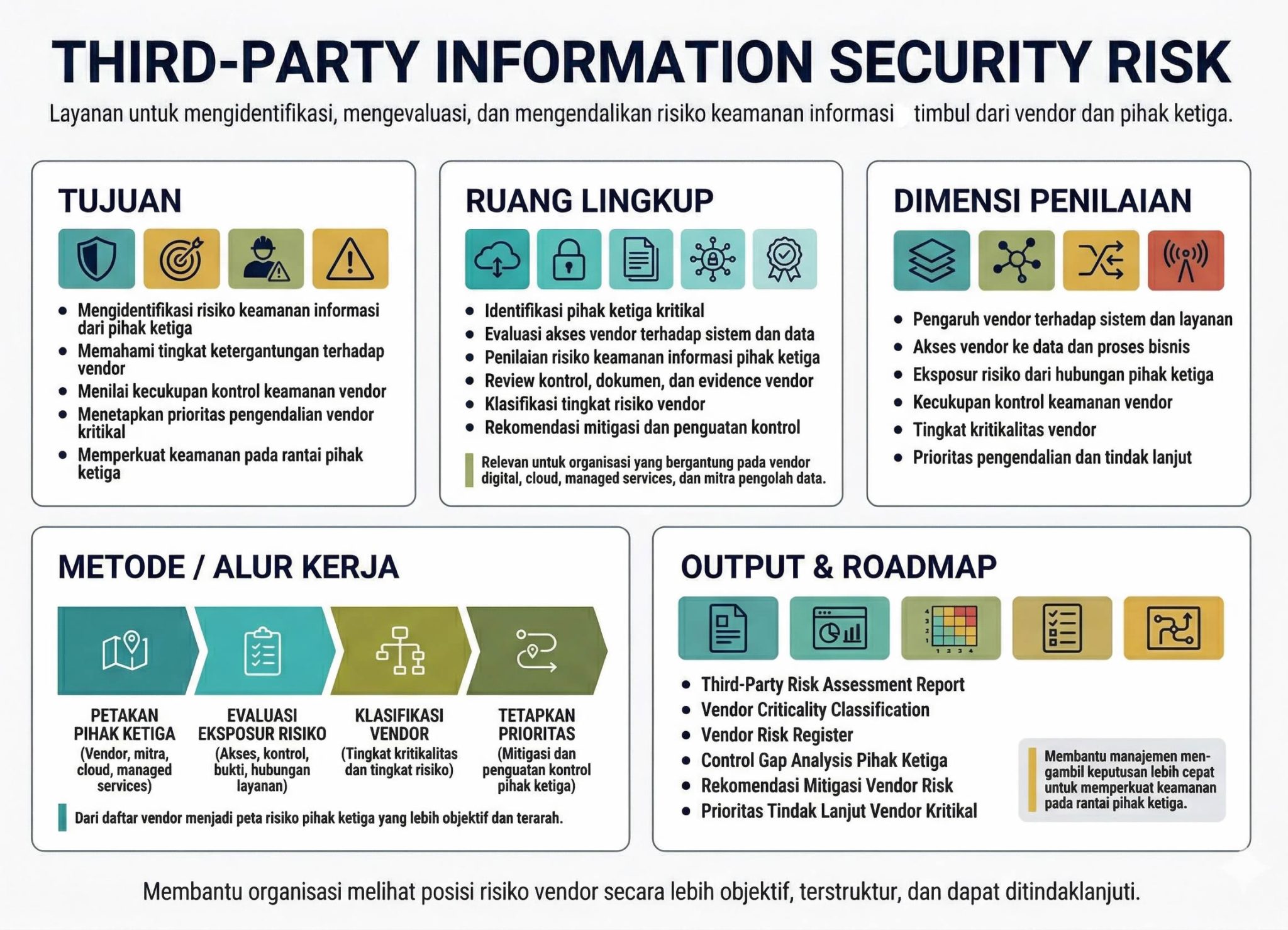
Assessing a third-party cloud service provider's security involves evaluating their technical controls, compliance certifications, and operational resilience against your organization's specific risk tolerance. It requires a systematic review of data protection, identity management, and incident response capabilities to ensure that outsourcing infrastructure does not create unmitigated vulnerabilities or regulatory non-compliance.
The reliance on cloud service providers (CSPs) has reached a point where the distinction between internal infrastructure and external services is almost non-existent. As of 2026, organizations no longer view cloud security as a secondary concern but as the primary perimeter of their enterprise. Effective security assessment is the only mechanism available to bridge the trust gap between a tenant and a provider. This guide explores the multi-layered process of vetting a CSP, ensuring that your data remains protected, available, and compliant within a third-party environment.
Establishing the Shared Responsibility Model in 2026
The foundation of any cloud security assessment is a clear understanding of the Shared Responsibility Model. While this concept has existed for over a decade, its application in 2026 has become increasingly nuanced due to the rise of serverless architectures and managed AI services. In these environments, the provider assumes more responsibility for the underlying stack, but the tenant remains strictly responsible for the data and the configuration of access rights.
Before beginning an assessment, you must identify which "tier" of service you are evaluating:
- Infrastructure as a Service (IaaS): The provider secures the physical data centers and hardware. You are responsible for the operating system, middleware, and applications.
- Platform as a Service (PaaS): The provider manages the runtime and OS. Your focus shifts to code security and data integrity.
- Software as a Service (SaaS): The provider manages almost the entire stack. Your assessment focuses heavily on Identity and Access Management (IAM) and data governance.
Failing to delineate these boundaries leads to "security gaps" where both parties assume the other is monitoring a specific control. A comprehensive assessment must start by documenting exactly where the provider's duty ends and your organization’s duty begins.
Phase 1: Pre-Assessment and Risk Categorization
Not all cloud providers require the same depth of scrutiny. Assessing a provider that hosts public-facing marketing assets is fundamentally different from assessing one that processes sensitive financial data or Protected Health Information (PHI).
Defining the Data Sensitivity
Start by classifying the data that will reside in the cloud. Use your internal data classification policy to assign a risk level (e.g., Public, Internal, Confidential, Restricted). In 2026, data residency requirements have become more stringent globally. You must verify if the provider can guarantee that data will remain within specific geographic boundaries to satisfy local sovereignty laws, such as the latest iterations of GDPR or regional data privacy acts.
Determining the Blast Radius
Consider the operational impact if the provider suffers a total outage. If the CSP is a "Tier 1" provider—meaning your business operations would cease without their service—the assessment must include deep dives into their Business Continuity and Disaster Recovery (BCDR) plans. If they are a "Tier 3" provider with minimal impact, a review of their standard security certifications may suffice.
Phase 2: Reviewing Certifications and Independent Attestations
Because you cannot personally visit a provider’s data center or audit their source code, you must rely on third-party audits. These documents serve as the primary evidence of a provider's security posture.
SOC 2 Type II Reports
The System and Organization Controls (SOC) 2 Type II report remains the gold standard for cloud security. Unlike Type I, which only looks at a point in time, Type II evaluates the effectiveness of controls over a period (usually 6 to 12 months). When reviewing a SOC 2 report in 2026, pay close attention to the "Complementary User Entity Controls" (CUECs). These are the specific security actions your organization must take to make the provider’s security effective.
ISO/IEC 27001, 27017, and 27018
The ISO 27001 standard provides a framework for an Information Security Management System (ISMS). For cloud-specific assessments, look for ISO/IEC 27017 (Cloud Security) and ISO/IEC 27018 (Privacy in the Cloud). These certifications indicate that the provider has undergone a rigorous external audit of their management processes.
CSA STAR Registry
The Cloud Security Alliance (CSA) Security, Trust, Assurance, and Risk (STAR) registry is a vital resource. Providers often complete the Consensus Assessments Initiative Questionnaire (CAIQ), which provides transparent answers to hundreds of critical security questions. In 2026, top-tier providers typically maintain a "STAR Level 2" certification, which involves a third-party audit rather than just a self-assessment.
Phase 3: Technical Security Controls and Architecture
Once the administrative paperwork is verified, the assessment must pivot to the technical implementation of security controls. This is where most vulnerabilities are discovered.
Identity and Access Management (IAM)
IAM is the new perimeter. Your assessment should verify that the provider supports:
- SAML/OIDC Integration: The ability to use your own Identity Provider (IdP) for Single Sign-On (SSO).
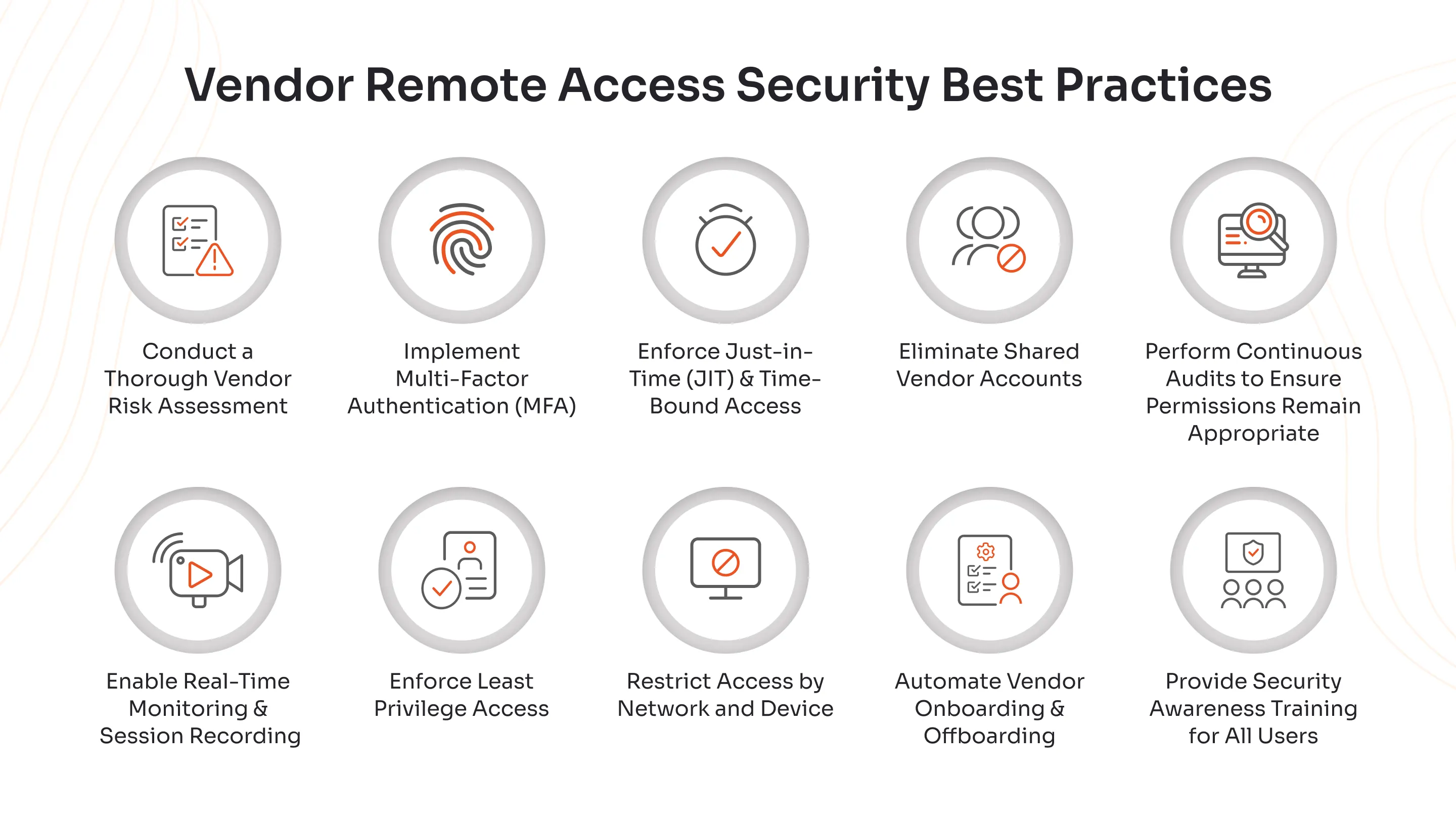
- Multi-Factor Authentication (MFA): Mandatory MFA for all administrative access.
- Role-Based Access Control (RBAC): Granular permissions that follow the principle of least privilege.
- Just-In-Time (JIT) Access: Restricting administrative privileges to specific windows of time.
Data Encryption and Key Management
Encryption at rest and in transit is a baseline requirement. However, the critical question is: Who manages the keys? In 2026, high-security assessments prioritize "Bring Your Own Key" (BYOK) or "Hold Your Own Key" (HYOK) models. If the provider manages the keys entirely, they technically have the ability to access your data. Evaluate their Key Management Service (KMS) for FIPS 140-3 compliance.
Vulnerability and Patch Management
Inquire about the provider’s internal patching cycle. How quickly do they remediate "Critical" and "High" vulnerabilities? You should request a summary of their most recent third-party penetration test. While they will not share the full report for security reasons, they should provide an executive summary and evidence that all high-risk findings have been remediated.
Phase 4: Operational Resilience and Supply Chain Risk
A secure cloud provider is useless if they are not resilient. In 2026, "Fourth-Party Risk"—the risk posed by the provider's own sub-processors—is a major focus of security assessments.
Supply Chain and Sub-processors
Every CSP relies on other vendors. You must identify who the provider’s critical sub-processors are. If your CSP uses a primary cloud host (like AWS, Azure, or GCP) that experiences an outage, your service goes down as well. Ensure the provider has a robust Vendor Management Program of their own.
Exit Strategy and Data Portability
A common mistake in cloud assessments is ignoring the "end of the relationship." How easy is it to get your data back? If the provider goes out of business or you decide to migrate, the data must be provided in a standard, non-proprietary format. Your assessment should verify the "Exit Plan" and ensure there are no "data egress" fees that act as a financial barrier to leaving.
Framework Comparison Table
The following table compares the most common frameworks used to assess third-party cloud security in 2026.
| Framework | Primary Focus | Best Use Case | Audit Type |
|---|---|---|---|
| SOC 2 Type II | Security, Availability, Integrity | General SaaS and PaaS vetting | Independent CPA Audit |
| ISO/IEC 27017 | Cloud-specific security controls | International compliance | Accredited Registrar |
| CSA STAR | Transparency and standard questions | Quick initial vetting/Tier 2 vendors | Self or Third-party |
| FedRAMP | Government-grade security | High-security or public sector | Government Authorization |
| NIST 800-53 | Comprehensive technical controls | Highly regulated industries | Self or Third-party |
Common Pitfalls in Cloud Security Assessments
Even experienced security teams fall into traps when evaluating third parties. One frequent error is relying on outdated reports. A SOC 2 report that is 18 months old does not reflect the current state of a fast-moving cloud environment. Always request a "Bridge Letter" if the report period ended more than three months ago.
Another pitfall is focusing exclusively on the provider's security while neglecting the API security. In 2026, most data breaches involve compromised API keys or poorly secured endpoints. Your assessment must include an evaluation of how the provider secures their APIs, including rate limiting, authentication, and logging of API calls.
Finally, do not overlook logging and monitoring. If a breach occurs within the provider's infrastructure, will you have access to the logs? You must ensure that the provider can stream security logs (via Syslog, S3, or API) to your own Security Information and Event Management (SIEM) system. Without these logs, you are "blind" during an incident.
Step-by-Step Assessment Workflow
- Request the Package: Ask the provider for their "Security & Compliance" pack (SOC 2, ISO certs, Pen Test summary, CAIQ).
- Review the Scope: Ensure the audit report actually covers the specific service or data center region you are using.
- Analyze the CUECs: Highlight the actions your company must take (e.g., "User must enable MFA") and assign them to internal owners.
- Verify Encryption: Confirm that data is encrypted with modern algorithms (AES-256) and check the key management ownership.
- Evaluate Incident Response: Review the provider's SLA for security incident notification. In 2026, a 24-hour notification window for data breaches is the industry standard.
- Assess Financial Stability: A provider’s security budget is often the first thing cut during financial distress. A brief review of their market standing is a valid part of risk management.
- Final Risk Rating: Assign a final score (Low, Medium, High Risk) and decide if the residual risk is acceptable.
Frequently Asked Questions
Can I perform my own penetration test on a cloud provider?
Generally, no. Most Cloud Service Providers prohibit unauthorized penetration testing as it can trigger their automated defense systems or impact other tenants. However, you can usually perform a vulnerability scan and pen test on the assets you deploy on their infrastructure (like your own virtual machines or applications). Always notify the provider before starting any testing to avoid service suspension.
What is a "Bridge Letter" and why is it important?
A Bridge Letter (or Gap Letter) is a document issued by a provider to cover the period between the end of their last SOC audit and the current date. It states that there have been no material changes to their control environment since the last report. Without this, you have a "blind spot" in your assessment for those intervening months.
How do I assess "Fourth-Party" risk?
Fourth-party risk is assessed by reviewing the provider's own vendor management policy. You should ask for a list of their critical sub-processors and verify if the provider requires those sub-processors to maintain their own SOC 2 or ISO 27001 certifications. If the provider does not vet their own suppliers, they are a high-risk link in your chain.
Is a SOC 3 report enough for a security assessment?
No. A SOC 3 report is a simplified, public-facing version of the SOC 2 report that omits the detailed description of controls and the auditor's specific test results. While useful for marketing, a SOC 3 does not provide enough technical detail for a professional security assessment. You should always sign an NDA and request the full SOC 2 Type II report.
How often should I re-assess my cloud providers?
In 2026, the standard practice is an annual full review for high-risk providers and a biennial review for low-risk ones. However, any "material change"—such as a major data breach, a change in ownership, or a significant change in the services used—should trigger an immediate out-of-cycle assessment.
Final Recommendation
When assessing security for a third-party cloud service provider, do not treat the process as a "check-the-box" exercise. The goal is to gain a deep understanding of how the provider's environment interacts with your data. Prioritize providers that offer transparency through automated compliance portals and those that allow you to maintain control over your encryption keys. If a provider is hesitant to share their security documentation or lacks a recent Type II audit, consider it a significant red flag. In the interconnected landscape of 2026, your security is only as strong as the weakest link in your cloud supply chain.