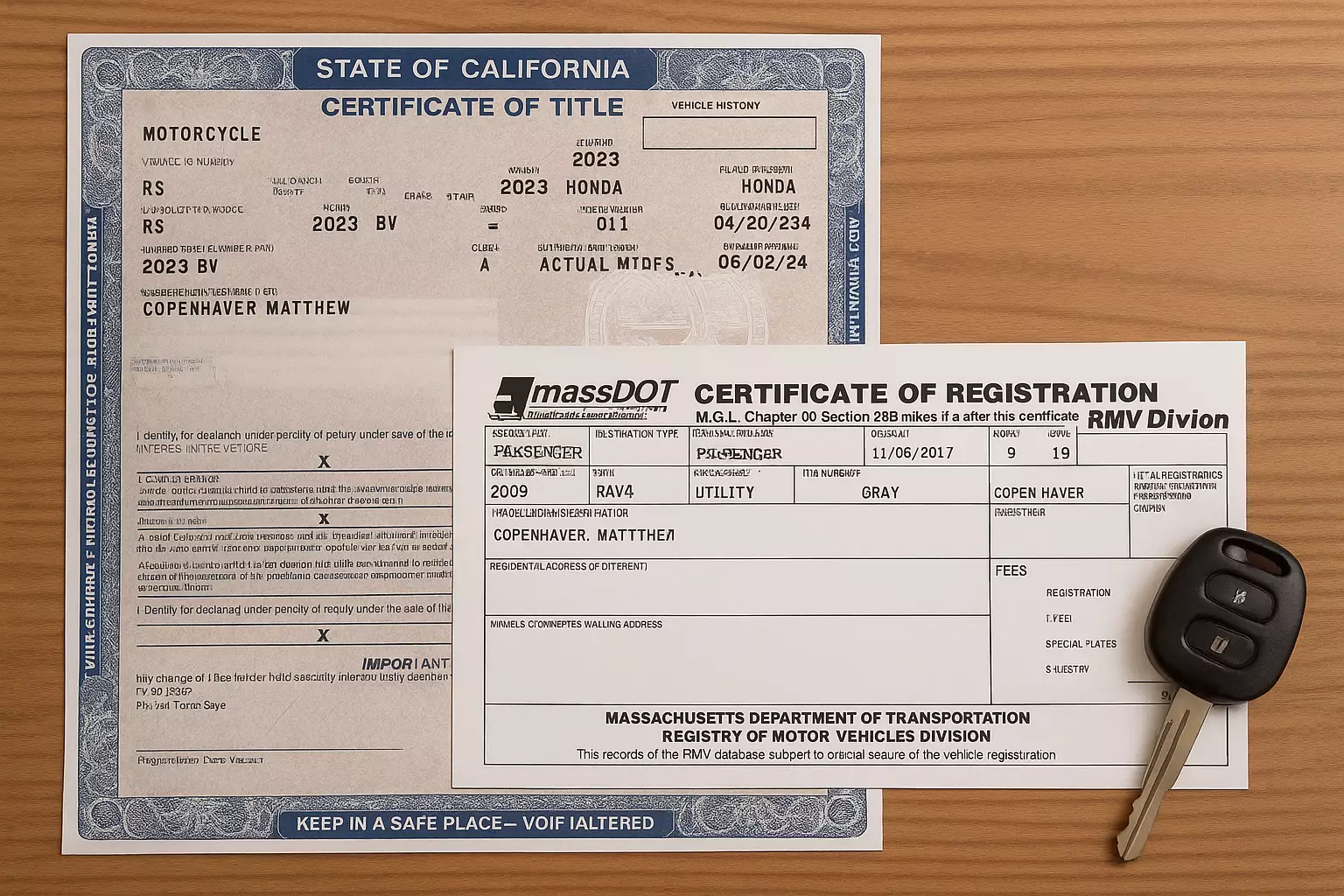
To register a vehicle in Arizona, you must provide proof of ownership, a valid Arizona driver’s license or identification card, proof of current Arizona auto insurance, and pass a vehicle emissions test if required by your location. The process must be completed in person at an Arizona Motor Vehicle Division (MVD) office or an authorized third-party provider.
Navigating the Arizona Department of Transportation (ADOT) Motor Vehicle Division (MVD) requirements can feel like an administrative hurdle, but understanding the specific mandates ensures you remain compliant with state law. Whether you are a new resident moving to the Grand Canyon State or a current resident who has just purchased a vehicle, your registration status is directly tied to your legal ability to operate a vehicle on public roadways.
Establishing Residency and Vehicle Eligibility
Under Arizona law, you are considered a new resident and must register your vehicle immediately upon establishing residency. Residency is typically established when you begin working, enroll your children in a public school, or remain in the state for seven months or more in a calendar year.
Before you arrive at an MVD office, it is essential to ensure your documentation is accurate. If you are registering a vehicle previously titled in another state, you must surrender your out-of-state title to the Arizona MVD. If your vehicle is currently financed, you must obtain a power of attorney from your lienholder, as they will retain the legal title until the loan is satisfied.
The Essential Documentation Checklist
To successfully process your registration, you must present the following items:
- Proof of Ownership: This is typically your original title. If you do not have it, you may need a certified copy from your previous state or, in some cases, an MVD-issued duplicate.
- Arizona Auto Insurance: Arizona law requires all vehicles to be covered by a liability policy issued by a company authorized to operate in the state. You must provide a valid insurance card or a digital proof of insurance that displays the NAIC (National Association of Insurance Commissioners) number and the policy term.
- Emissions Test Results: Residents of the Phoenix (Maricopa County) and Tucson (Pima County) metropolitan areas are frequently required to undergo an emissions test before registration. This is a mandatory check for most vehicles manufactured after 1967.
- Driver’s License/ID: A current, valid Arizona driver’s license or government-issued photo ID is required to verify your identity.
- Vehicle Inspection: If your vehicle is from out-of-state, the MVD may require a physical inspection to verify the Vehicle Identification Number (VIN) matches the paperwork.
Emissions Testing: What You Need to Know
Emissions testing is one of the most common reasons for registration delays. If your vehicle is housed in a designated emissions control area, you cannot complete your registration without a certificate of compliance from a state-certified testing facility.
Vehicles that are generally exempt from this requirement include those manufactured in or before 1966, vehicles registered to a non-resident, and certain classic or collectible cars that meet specific usage criteria. Always verify your vehicle’s specific status using the ADOT website’s VIN inquiry tool before heading to a testing center.
Understanding Fees and Costs
Arizona registration fees are based on a base registration fee combined with an annual Vehicle License Tax (VLT). The VLT is calculated based on the assessed value of your vehicle—which is determined by its factory retail price—and the age of the vehicle.
| Fee Component | Description |
|---|---|
| Base Registration | A flat annual fee applied to all passenger vehicles. |
| Vehicle License Tax (VLT) | Based on vehicle value (60% of MSRP) and the depreciation schedule. |
| Air Quality Fee | A nominal annual fee supporting air quality monitoring. |
| Emissions Fee | Paid directly to the testing station at the time of inspection. |
| Title Issuance Fee | A one-time charge applied when transferring a title to Arizona. |
It is important to note that the VLT decreases as the vehicle ages. Consequently, you will notice your annual renewal cost drops as your vehicle depreciates. This system is designed to distribute the tax burden equitably based on the market value of the assets being taxed.
Navigating Third-Party Providers
Arizona is unique in that it authorizes private, third-party companies to perform most MVD services, including registration and titling. These providers are state-certified and have access to the same systems as official MVD offices.
While these providers charge an additional convenience fee, they are often a preferred option due to shorter wait times and more flexible scheduling. If you are in a high-traffic urban area, check if there is an authorized third-party location near you, as they can save you significant time compared to visiting a state-run office.
Troubleshooting Common Registration Issues
Even with the best preparation, unexpected issues can arise. Below are some common pitfalls to avoid:
- Missing Lienholder Information: If you do not have your title because it is held by a bank, ensure you have the correct name and address of the lienholder on hand, as the MVD will need to contact them.
- Out-of-State Insurance: Many new residents attempt to register their vehicle using an out-of-state insurance policy. Arizona mandates that insurance must be written by a company authorized to do business in Arizona. If your current provider does not operate in Arizona, you must switch your policy.
- Incorrect VIN: If there is a discrepancy between the VIN on your title and the VIN on the vehicle chassis, you will need to complete a "Level 2" or "Level 3" inspection. This process involves a more detailed examination by MVD enforcement officers to ensure the vehicle is not stolen or altered.
Renewing Your Registration
Once you have successfully registered your vehicle, you will need to renew it annually or biennially. Arizona allows for multi-year registration for many vehicles, which can lock in current rates and prevent the need for frequent paperwork.
Renewal notices are typically mailed to the address on file approximately 60 days before the expiration date. You can process renewals online through the state’s official portal, which is often the fastest method. Ensure your contact information is always updated with the MVD to avoid missing these crucial renewal alerts.
Frequently Asked Questions
Can I drive my vehicle while I wait for my registration to arrive? If you have completed the process at an MVD office, you will receive your registration and license plate tags immediately. If you process the registration online, you must keep a copy of your receipt or temporary registration documents in your vehicle until your official decal and registration card arrive by mail.
What happens if my registration expires? Driving with expired registration is a civil traffic violation in Arizona. You may be subject to fines and potential impoundment of your vehicle. Furthermore, you will be responsible for late fees that accrue on your registration balance.
Are electric vehicles subject to the same fees? Yes, but the fee structure may differ regarding the VLT and alternative fuel requirements. Electric vehicles are still subject to registration, but they do not require emissions testing, as they do not produce tailpipe exhaust.
Do I need an appointment for registration? While many MVD offices accept walk-ins, scheduling an appointment online is highly recommended. It guarantees you a time slot and helps you avoid hours of waiting. Third-party providers may have different appointment policies, so call ahead to verify.
What if I bought a car from a private seller in Arizona? If you purchase a vehicle from an individual, you must transfer the title into your name within 30 days of the transaction. You will need the signed title, a bill of sale, and the same insurance and identification requirements mentioned above.
Final Next Action
To begin your registration, start by gathering your physical title, your current insurance card, and your Arizona driver's license. If you live in an emissions-compliant county, visit an emissions testing station first, as this result is required for the MVD transaction. Once you have these documents, use the official Arizona MVD website to check for a nearby office or authorized third-party provider to complete your filing.