Arizona in December offers a unique climatic paradox that attracts millions of visitors and seasonal residents every year. Throughout the state, temperatures fluctuate dramatically based on elevation, ranging from mild, sunny conditions in the Sonoran Desert to sub-freezing, snowy landscapes in the high-altitude forests of the Mogollon Rim and the Grand Canyon. Understanding these temperature variations is essential for anyone planning travel, outdoor recreation, or residential relocation to the region during the final month of the year.
The geography of Arizona creates distinct climatic zones, meaning there is no single "Arizona temperature" for December. While residents in Phoenix may enjoy daily highs near 67°F (19°C), individuals in Flagstaff might experience average daily highs of 44°F (7°C) with significant snow accumulation. This guide clarifies these regional differences, provides data-backed expectations for major hubs, and outlines how to prepare for the specific challenges posed by the state’s winter weather patterns.
Understanding Arizona’s Climatological Diversity
To grasp the temperatures in Arizona during December, one must first understand the role of topography. The state is bisected by the Mogollon Rim, a massive geological feature that creates a distinct "high country" and "low desert" split. This transition is responsible for the rapid shifts in weather that travelers often notice when driving north on Interstate 17 from Phoenix toward Flagstaff.
The Low Desert Influence
In the southern regions—including Phoenix, Scottsdale, Mesa, Tucson, and Yuma—December is defined by crisp, clear days and cool, often chilly nights. These areas fall within the Lower Sonoran life zone. Because the atmosphere is typically dry, heat dissipates quickly once the sun sets. This leads to high diurnal temperature variation, where the temperature can drop by 30 degrees or more between mid-afternoon and early morning.
The High Country and Mountain Peaks
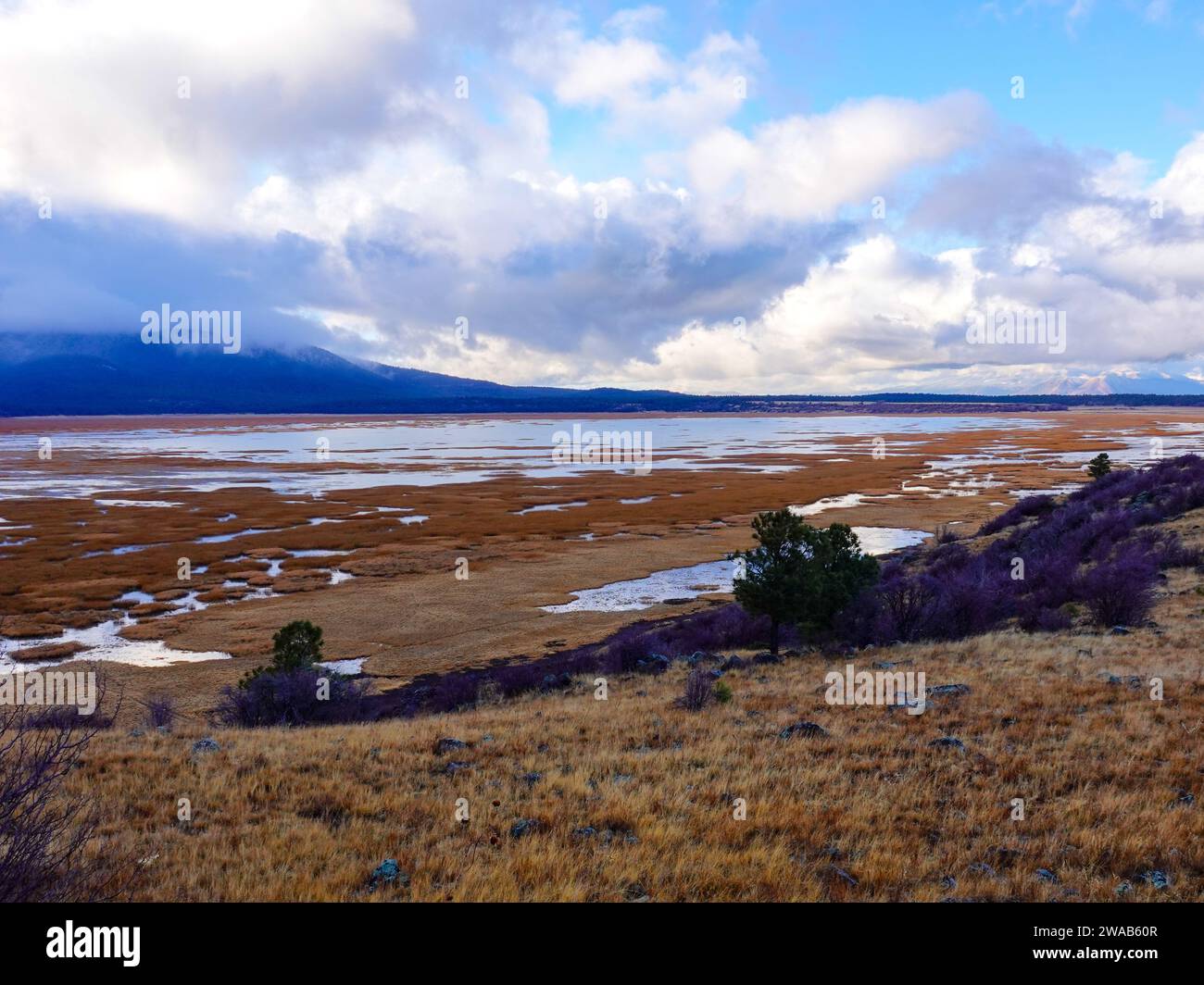
Northern Arizona and higher-elevation locales such as Flagstaff, Prescott, Payson, and the South Rim of the Grand Canyon operate under a continental climate regime. In December, these areas are firmly in winter's grip. The sun is lower on the horizon, and the increased elevation leads to thinner air that retains less heat. Here, December is characterized by frequent frost, ice, and, depending on the year's weather systems, significant snow accumulation.
December Temperature Averages by Region
To assist with planning, the following table summarizes the typical temperature ranges observed across key Arizona locations. These figures are based on historical meteorological data provided by the National Weather Service and represent long-term monthly averages.
| Location | Avg High (°F) | Avg Low (°F) | Typical Conditions |
|---|---|---|---|
| Phoenix | 67° | 45° | Mild, sunny, very dry |
| Tucson | 66° | 40° | Cool days, cold nights |
| Flagstaff | 44° | 19° | Cold, potential for snow |
| Sedona | 56° | 30° | Crisp, variable sunshine |
| Yuma | 70° | 46° | Warmest in the state |
| Grand Canyon (South Rim) | 41° | 18° | Freezing, snowy, windy |
Note: These figures reflect typical historical averages and can vary annually due to El Niño/La Niña cycles or regional storm fronts.
Preparing for Low Desert Winters
Visitors to southern Arizona in December often underestimate how cold it gets after dark. While a light jacket is sufficient for sightseeing during the day, the evening hours require heavier layers.
Managing Diurnal Shifts
The most common mistake for winter travelers in Phoenix or Tucson is assuming that because the day was sunny and 70°F, the night will remain mild. Once the sun dips below the horizon, temperatures often fall into the 40s. If you are staying in a vacation rental or planning outdoor dining, ensure your accommodation has adequate heating systems. Most desert homes are built to keep heat out in the summer, meaning they may lack heavy insulation for winter, making them feel colder than the exterior thermometer suggests.
Humidity and Dehydration
Arizona’s climate in December remains extremely arid. While the lower temperatures reduce the sensation of thirst compared to the summer months, the lack of humidity continues to affect the body. Travelers should maintain high water intake, as the combination of dry mountain air and desert wind can lead to rapid respiratory and skin dehydration.
Navigating the High Country in December
Traveling to northern Arizona during the final month of the year requires a different set of preparations. This region is a major draw for winter sports enthusiasts, particularly those visiting the Arizona Snowbowl near Flagstaff or the Grand Canyon.
Winter Driving Requirements
The Arizona Department of Transportation (ADOT) frequently issues winter weather advisories for highways above 5,000 feet in December. Routes like I-40 and I-17 can be subject to temporary closures due to snow or ice. If you are planning a winter trip:
- Vehicle Readiness: Ensure your tires have adequate tread. While tire chains are rarely mandatory for passenger vehicles unless a severe storm is in progress, they are legally required for some heavy vehicles.
- Emergency Kits: Always carry blankets, extra water, non-perishable snacks, and a portable charger in your vehicle when traveling through the northern mountains.
- Black Ice: Be particularly cautious on bridges and shaded road segments where moisture can freeze into nearly invisible "black ice" long after a storm has passed.
Frost and Freeze Hazards
For those residing in or visiting the high country, residential pipes and landscaping are susceptible to freezing. If the forecast calls for temperatures in the low teens or single digits, outdoor irrigation systems should be winterized, and exposed plumbing should be wrapped in insulation.
Comparing Outdoor Activities Across Regions
The stark difference in December temperatures dictates what activities are viable in various parts of the state.
Desert Region Activities
- Hiking and Biking: December is the "peak season" for desert recreation. Trails that are dangerously hot in summer, such as Camelback Mountain or the Superstition Mountains, are comfortable and accessible during December days.
- Golfing: The region hosts numerous professional and amateur golf events in December. The cool, stable air provides excellent conditions for the sport.
Mountain Region Activities
- Snow Sports: Flagstaff serves as the primary hub for skiing, snowboarding, and snowshoeing. December typically marks the beginning of a viable snow season, though early-season conditions depend heavily on the timing of the first major storm systems.
- Canyon Sightseeing: The Grand Canyon in December offers a serene, crowds-free experience, but you must be prepared for extreme cold at the rim. While the view is spectacular, most inner-canyon hiking trails are treacherous in December due to ice, and many are restricted to experienced hikers with proper gear.
Frequently Asked Questions
Is it warm enough to swim in Arizona in December?
In most parts of Arizona, it is too cold for outdoor swimming in December. While the air temperature may reach 70°F in Yuma or Phoenix, water temperatures in unheated pools will be significantly lower. Unless a pool is equipped with a high-capacity solar or gas heating system, it will likely be unusable for standard swimming.
Does it snow everywhere in Arizona during December?
No. Snow is almost entirely restricted to high-elevation areas—generally locations above 5,000 feet. Cities like Phoenix, Tucson, and Yuma rarely see snow. While light flurries have been recorded in the desert valley floors historically, they are extremely rare and generally melt upon contact with the ground.
What should I pack for a trip that includes both Phoenix and Flagstaff?
You should pack a "modular" wardrobe. For Phoenix, bring light layers: t-shirts, long-sleeved shirts, and medium-weight hoodies. For Flagstaff, you will need a high-quality, insulated winter coat, thermal base layers, waterproof boots, gloves, and a winter hat. Because the transition between these two climates is rapid, packing a heavy coat that can be easily compressed in your luggage is highly recommended.
How do I check for road closures in northern Arizona?
The most reliable source for real-time road conditions is the Arizona Department of Transportation’s "Arizona Traveler Information" website (AZ511). They provide live updates on closures, accidents, and chain requirements for all major state and federal highways.
Is the weather in December predictable?
While the general climate is predictable—dry and mild in the south, cold and potentially snowy in the north—individual weather events are not. Arizona can experience "atmospheric rivers" that bring significant precipitation, or extended periods of high-pressure "stagnation" that keep skies clear for weeks. Always check the 7-day forecast within 48 hours of travel.
Recommendation for Travelers
If you are planning a trip to Arizona in December, define your primary objective first. If you seek active, outdoor exploration such as long-distance hiking or golfing, prioritize the southern regions like Tucson or Phoenix. If you are seeking a traditional winter landscape, skiing, or quiet snowy scenery, set your itinerary for Flagstaff or the Grand Canyon. Regardless of your destination, the key to a successful December visit is versatility. Because of the extreme elevation differences, you should treat Arizona as two different states—the "Desert State" and the "Mountain State"—and pack accordingly for the specific region where you intend to spend your time. Always monitor weather reports from the National Weather Service immediately prior to travel to account for unexpected winter storms in the northern corridor.