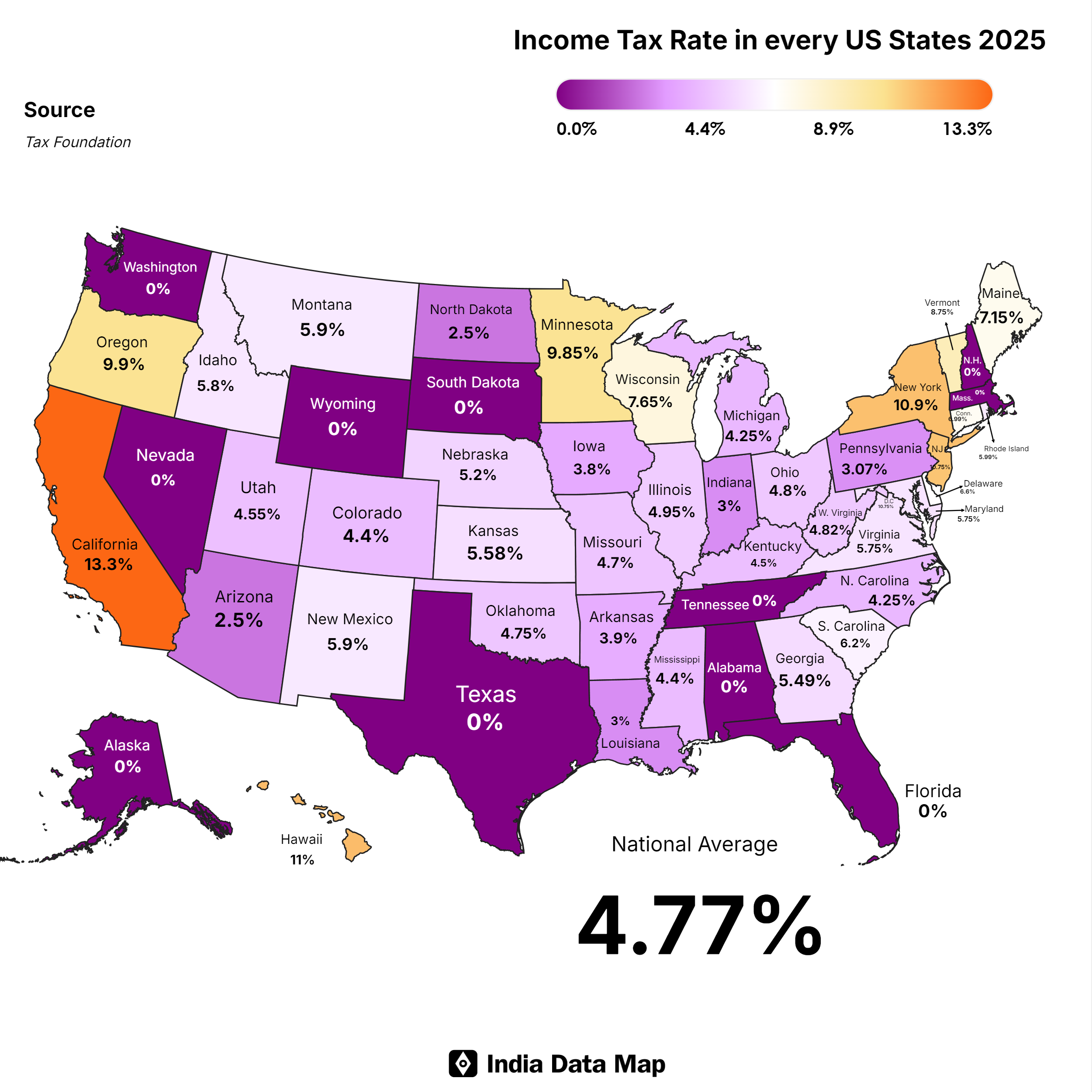
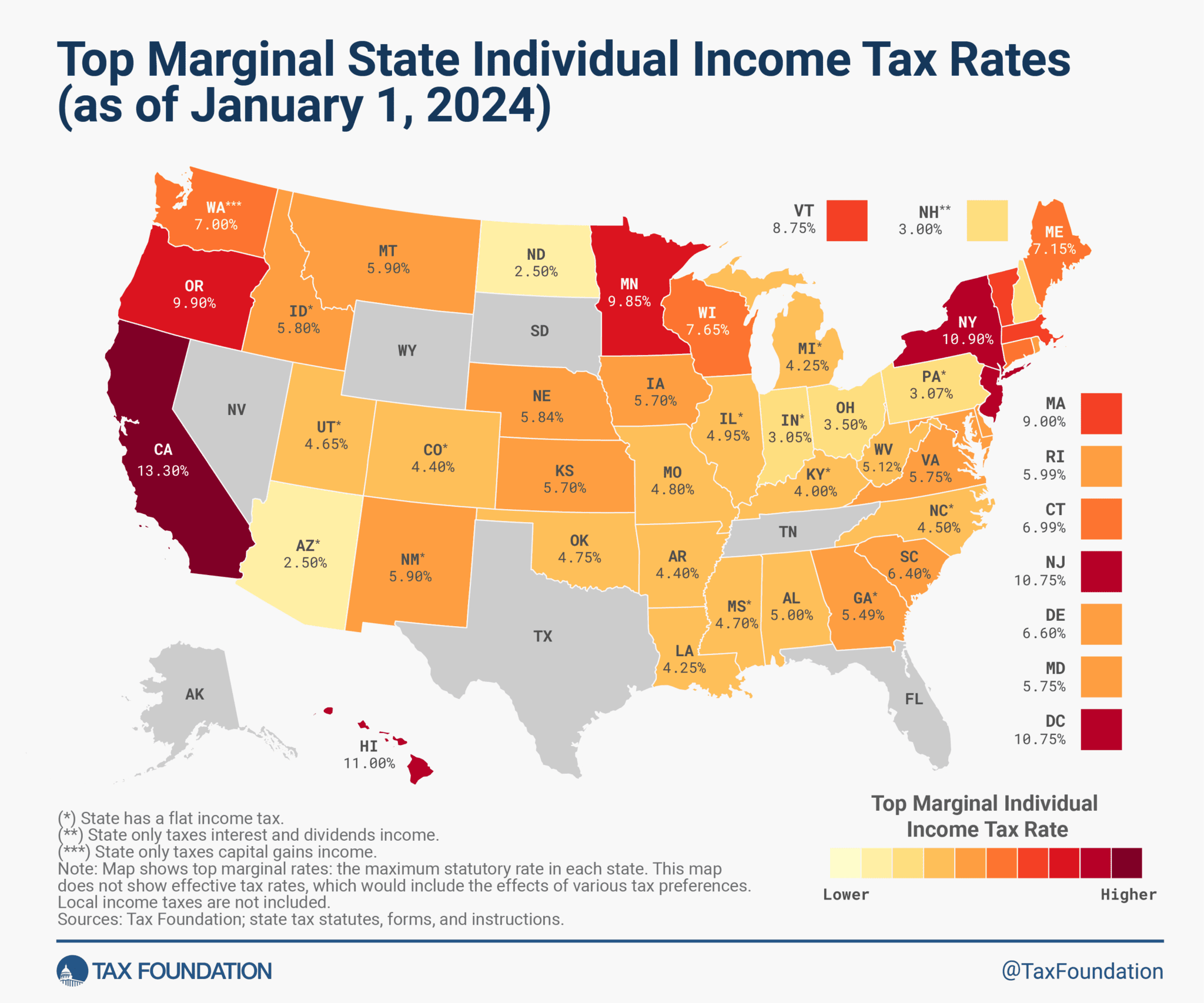
Arizona does have a state income tax, which currently operates under a simplified flat-tax structure. As of 2026, all residents and individuals earning income within the state pay a uniform rate of 2.50%. This flat tax system replaced the previous multi-bracket progressive system to streamline filing and increase regional competitiveness.
For decades, Arizona utilized a progressive income tax system where higher earners paid a higher percentage of their income. However, following significant legislative reforms that reached full implementation in the 2023 tax year, the state transitioned to one of the lowest flat-tax rates in the United States. If you live or work in the Grand Canyon State, understanding how this 2.50% rate applies to your earnings, deductions, and unique state-specific tax credits is essential for accurate financial planning.
The Evolution of Arizona’s Flat Tax Rate
The transition to a flat tax was a multi-year process initiated by the Arizona Legislature and the Governor’s office to simplify the tax code. Before 2023, Arizona taxpayers were subject to various tax brackets ranging from approximately 2.59% to 4.50%. The move to a 2.50% flat rate was designed to make the state more attractive to businesses and high-net-worth individuals while simplifying the calculation process for every taxpayer.
In 2026, this flat rate remains the cornerstone of the state's fiscal policy. Unlike the federal government, which uses progressive brackets (where the "next dollar" earned is taxed at a higher rate), Arizona applies the same percentage to every dollar of taxable income, regardless of whether you earn $30,000 or $3,000,000.
Why Arizona Moved to a Flat Tax
The primary drivers for this shift were economic competition and administrative simplicity. By establishing a 2.50% rate, Arizona positioned itself lower than many of its neighbors, such as New Mexico and California, which maintain high progressive rates. This simplicity reduces the "bracket creep" effect, where inflation pushes taxpayers into higher tax percentages even if their real purchasing power hasn't increased.
Who Is Required to File an Arizona Tax Return?
Having a state income tax means that most people earning money in Arizona have a filing obligation. However, the requirement to file depends on your residency status and your gross income levels. The Arizona Department of Revenue (ADOR) categorizes taxpayers into three primary groups:
- Full-Year Residents: Individuals whose domicile (permanent home) is in Arizona for the entire calendar year. Even if you are outside the state temporarily, you are considered a resident if your permanent ties remain in Arizona.
- Part-Year Residents: Individuals who either moved into or out of Arizona during the tax year with the intent of changing their permanent residence.
- Non-Residents: Individuals who do not live in Arizona but earned income from Arizona sources. This frequently applies to remote workers employed by Arizona companies, professional athletes, or owners of Arizona rental properties.
Filing Thresholds
Generally, if you are required to file a federal income tax return, you likely need to file an Arizona state return. For 2026, the filing thresholds typically mirror the federal standard deduction amounts. If your Arizona Gross Income (AGI) exceeds these standard deduction amounts, a return is mandatory. Even if you owe no tax due to credits, filing is often necessary to claim refunds for overpaid withholding throughout the year.
Calculating Arizona Taxable Income
The process of determining what you owe begins with your federal adjusted gross income (FAGI). Arizona is a "rolling conformity" state, meaning it generally follows the federal definitions of income, but there are specific "add-backs" and "subtractions" unique to the state.
Common Arizona Subtractions
Arizona allows taxpayers to subtract certain types of income that are taxed at the federal level. These often include:
- Interest on U.S. Government Obligations: Interest earned on U.S. Treasury bonds is exempt from state tax.
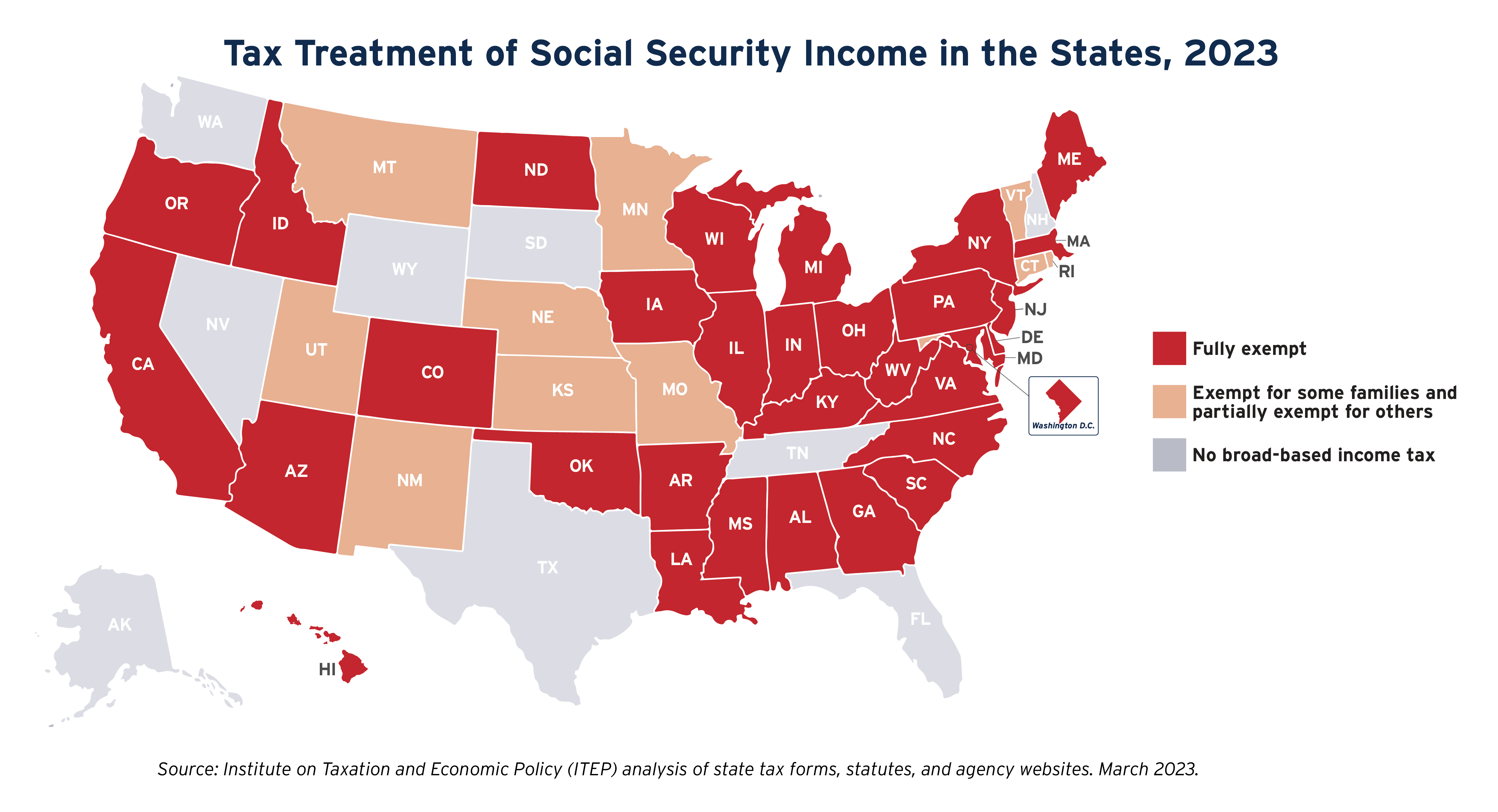
- Social Security Benefits: Arizona is one of the states that does not tax Social Security income, providing a significant benefit to retirees.
- State Income Tax Refunds: If you received a state refund that was included in your federal AGI, you can subtract it on your Arizona return to avoid double taxation.
- Arizona Lottery Winnings: Specifically, winnings from certain Arizona-sponsored lotteries may have unique treatment depending on the year of the prize.
Standard vs. Itemized Deductions
Taxpayers in Arizona can choose between taking a standard deduction or itemizing their deductions. In 2026, the Arizona standard deduction is adjusted annually for inflation and generally aligns with the federal amounts.
| Filing Status | 2026 Estimated Standard Deduction (AZ) |
|---|---|
| Single or Married Filing Separately | $15,000 |
| Married Filing Jointly | $30,000 |
| Head of Household | $22,500 |
Note: These figures are based on inflationary adjustments relative to the 2023-2025 baseline.
If your itemized deductions (such as mortgage interest, medical expenses exceeding a certain percentage of AGI, and charitable contributions) exceed these amounts, you may choose to itemize. Notably, Arizona allows a "charitable contribution increase" for taxpayers taking the standard deduction, allowing them to deduct a portion of their charitable giving on top of the standard amount.
Arizona’s Unique State Tax Credits
One of the most distinctive features of the Arizona tax system is its robust library of tax credits. Unlike "deductions," which reduce the amount of income you are taxed on, "credits" provide a dollar-for-dollar reduction in the actual tax you owe.
Arizona encourages private social investment through these credits, allowing taxpayers to redirect their tax dollars to specific causes.
Public and Private School Credits
Taxpayers can receive credit for fees paid or cash contributions made to public schools for support of extra-curricular activities or character education programs. Similarly, contributions to Private School Tuition Organizations (STOs) allow taxpayers to help fund scholarships for students in private K-12 schools.
Qualifying Charitable Organizations (QCO)
Arizona provides a credit for voluntary cash contributions to qualifying charitable organizations that provide immediate basic needs to residents who receive temporary assistance for needy families (TANF) or to low-income residents. There is a separate credit for Qualifying Foster Care Charitable Organizations (QFCO).
In 2026, these credits remain highly popular because they allow a taxpayer to essentially "donate" their state tax liability to a local nonprofit rather than sending it to the general fund in Phoenix.
Residency and the "Snowbird" Factor
Arizona is a major destination for seasonal residents, often referred to as "snowbirds." This creates complexity regarding whether Arizona "does have a state income tax" obligation for these individuals.
If you spend more than nine months of the year in Arizona, the state presumes you are a resident for tax purposes. However, if you are in Arizona for shorter periods, you are only taxed on income earned from Arizona sources. This includes:
- Wages earned while physically working in Arizona.
- Income from an Arizona-based business or partnership.
- Rental income from Arizona real estate.
- Sale of Arizona-based real property.
It is a common mistake for part-year residents to assume that because they have a "home state" elsewhere, they do not owe Arizona anything. Arizona law is strict: if the income was generated within state lines, the 2.50% flat tax applies to that portion of the earnings.
Deadlines, Filing, and Payments
For the 2026 tax year, the deadline to file your Arizona individual income tax return (Form 140, 140NR, or 140PY) is April 15, 2027. If the 15th falls on a weekend or holiday, the deadline moves to the next business day.
Extension of Time to File
Arizona grants an automatic extension to file if you have been granted a federal extension. However, it is vital to understand that an extension to file is not an extension to pay. If you anticipate owing tax, you must pay at least 90% of the liability by the April deadline to avoid underpayment penalties and interest.
Electronic Filing (E-file)
The Arizona Department of Revenue strongly encourages electronic filing through AZTaxes.gov or approved third-party software. E-filing generally results in faster refund processing—often within 7 to 10 business days—compared to several weeks for paper-filed returns.
Comparing Arizona to Neighboring States
When evaluating the impact of Arizona’s 2.50% tax, it helps to look at the regional landscape. Arizona’s shift to a flat tax was specifically designed to compete with the zero-tax and high-tax models in the Western United States.
- Nevada: Has no state income tax.
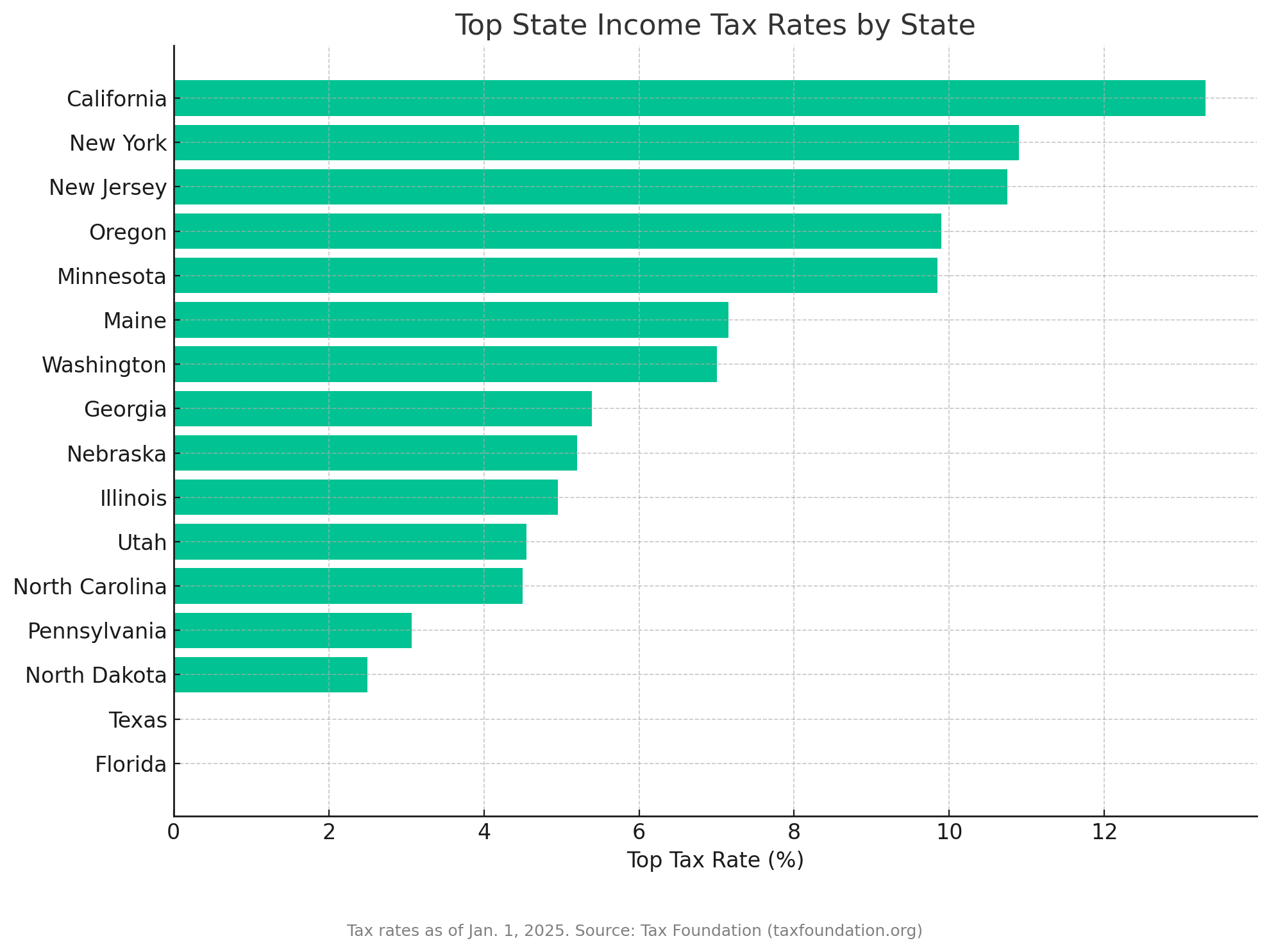
- California: Features a highly progressive system with rates reaching up to 13.3% for top earners.
- Utah: Also uses a flat tax, typically hovering around 4.85%, which is significantly higher than Arizona's 2.50%.
- New Mexico: Uses progressive brackets ranging from 1.1% to 5.9%.
Arizona’s 2.50% rate places it in a "middle ground" that appeals to those who want low taxes but also desire the infrastructure and services funded by state revenue.
Frequently Asked Questions
Does Arizona tax retirement income?
Arizona does not tax Social Security benefits. For other types of retirement income, such as 401(k) distributions or private pensions, the income is generally subject to the 2.50% flat tax. However, there is a specific subtraction for up to $2,500 of benefits received from the Arizona State Retirement System (ASRS), the federal civil service retirement system, or other public retirement systems.
What happens if I work in Arizona but live in another state?
You will likely need to file as a non-resident (Form 140NR). You will pay Arizona tax on the income earned while physically in Arizona. Most other states offer a "credit for taxes paid to another state," which prevents you from being double-taxed on that same income by your home state.
Is there a penalty for not paying Arizona state income tax?
Yes. Arizona imposes penalties for late filing and late payment. The late payment penalty is typically 0.5% of the unpaid tax for each month or fraction of a month it remains unpaid, up to a maximum of 25%. Interest also accrues on any unpaid balance from the original due date of the return.
Does Arizona have a "mansion tax" or surcharge for high earners?
No. While there was a previous voter-approved surcharge (Proposition 208) intended to fund education, it was ultimately struck down by the courts. The state then moved to the 2.50% flat tax system, which applies uniformly to all income levels without additional surcharges for high earners in 2026.
Can I claim the Arizona tax credits if I take the standard deduction?
Yes. One of the greatest advantages of the Arizona tax code is that you do not need to itemize your deductions to claim the Public School, Private School, or Qualifying Charitable Organization credits. These are applied directly against your tax liability regardless of your deduction method.
Final Recommendations for Arizona Taxpayers
Because Arizona does have a state income tax, even at a low flat rate, proactive management is key. First, ensure your withholding is correctly set via Form A-4 (Arizona Employee's Arizona Withholding Election). If you find yourself owing a large amount at the end of the year, you may want to increase your withholding percentage.
Second, take full advantage of the state’s tax credits. By contributing to a Qualifying Charitable Organization or a local school, you can keep your tax dollars within your immediate community. Finally, keep meticulous records if you are a part-year resident or "snowbird," as the Arizona Department of Revenue frequently reviews residency status to ensure proper tax collection. For complex situations involving business income or multi-state residency, consulting with a tax professional familiar with Arizona Revised Statutes is highly recommended.