Anti-inflammatory treatments encompass a diverse range of medical, dietary, and lifestyle interventions designed to reduce systemic or localized inflammation. These treatments work by inhibiting specific chemical mediators—such as prostaglandins and cytokines—to alleviate pain, reduce tissue damage, and manage chronic conditions like rheumatoid arthritis, cardiovascular disease, and metabolic syndrome.
Inflammation is a fundamental biological response, essential for healing but potentially devastating when it becomes chronic. As of 2026, medical science has moved beyond simple symptom suppression toward targeted therapies that address the molecular pathways of inflammation. This overview examines the full spectrum of available treatments, from foundational over-the-counter options to advanced biological agents and evidence-based lifestyle modifications.
Understanding the Biological Mechanisms of Inflammation
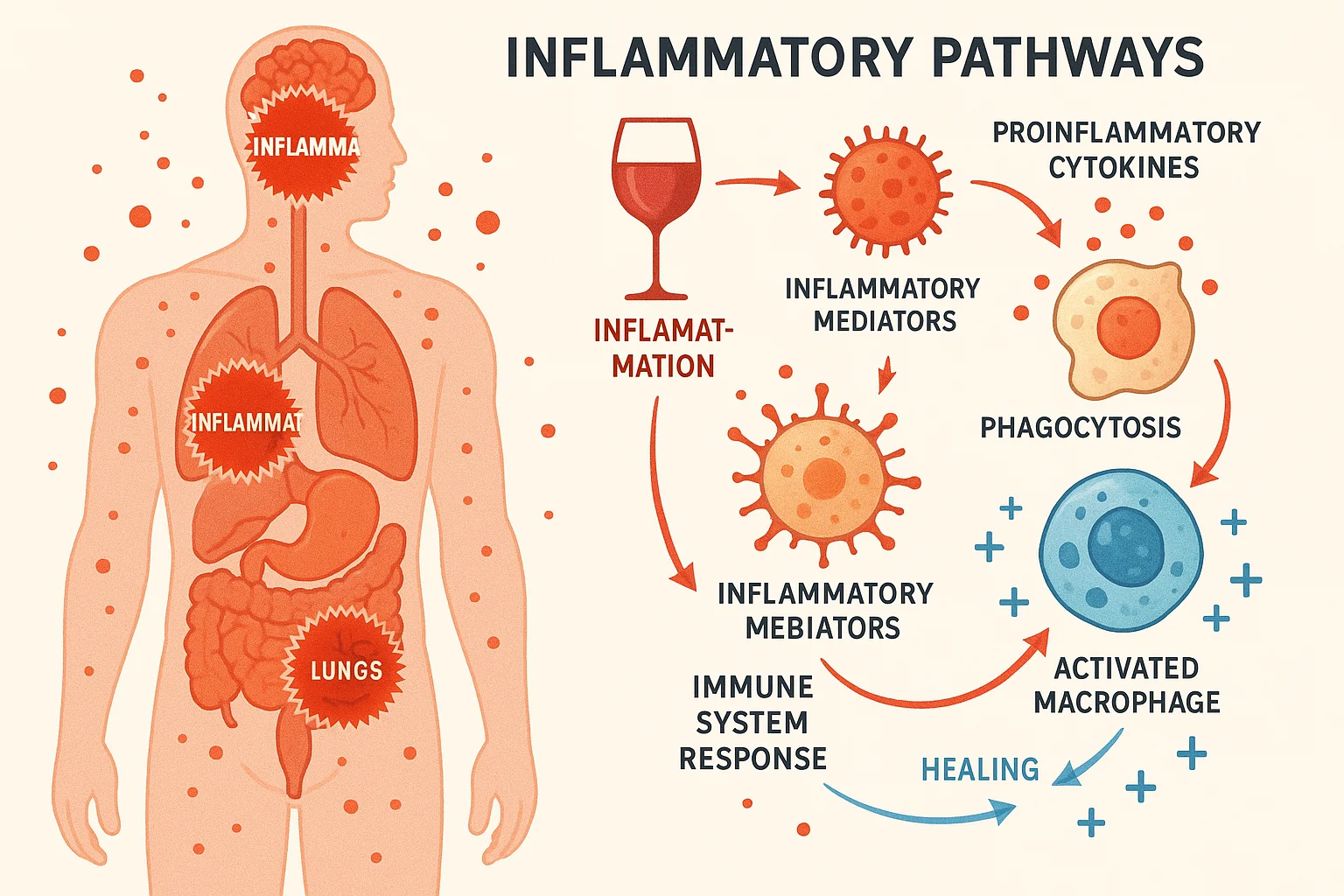
To understand anti-inflammatory treatment, one must first distinguish between acute and chronic inflammation. Acute inflammation is the body’s immediate response to injury or infection. It is characterized by the "five cardinal signs": redness, heat, swelling, pain, and loss of function. During this process, the body releases chemicals like histamine and bradykinin, which dilate blood vessels to allow immune cells to reach the affected site.
Chronic inflammation, however, is a prolonged, low-grade immune activation that persists for months or years. This "smoldering" inflammation is often asymptomatic until significant tissue damage occurs. It is a primary driver behind modern health challenges, including Type 2 diabetes, Alzheimer’s disease, and various cancers. Anti-inflammatory treatments in 2026 are increasingly focused on resolving this chronic state without compromising the body’s ability to fight off acute infections.
Pharmacological Anti-Inflammatory Treatments
Pharmacotherapy remains the cornerstone of inflammation management. These medications are generally categorized by their chemical structure and the specific stage of the inflammatory cascade they interrupt.
Nonsteroidal Anti-Inflammatory Drugs (NSAIDs)
NSAIDs are the most widely used anti-inflammatory agents globally. They function primarily by inhibiting the cyclooxygenase (COX) enzymes, which are responsible for the production of prostaglandins—lipids that signal pain and trigger inflammation.
- Non-Selective NSAIDs: Medications like ibuprofen, naproxen, and aspirin inhibit both COX-1 and COX-2 enzymes. While effective, the inhibition of COX-1 can lead to gastrointestinal side effects, as this enzyme helps maintain the stomach lining.
- COX-2 Selective Inhibitors: Drugs such as celecoxib were developed to target the enzyme more specifically associated with inflammation, theoretically reducing the risk of stomach ulcers, though cardiovascular monitoring remains essential for long-term users.
Corticosteroids
Corticosteroids, such as prednisone and dexamethasone, are powerful synthetic versions of cortisol, a hormone naturally produced by the adrenal glands. They work by suppressing the immune system’s overall activity and inhibiting multiple inflammatory genes. While highly effective for rapid relief of severe flares (such as in asthma or lupus), long-term use is strictly regulated due to risks of bone density loss, weight gain, and increased blood glucose levels.
Biologics and DMARDs
Disease-Modifying Antirheumatic Drugs (DMARDs) and biologics represent the "precision medicine" arm of anti-inflammatory treatment.
- Traditional DMARDs: Methotrexate is the gold standard for slowing the progression of autoimmune joint destruction.
- Biologic Response Modifiers: These are engineered proteins designed to inhibit specific components of the immune system, such as Tumor Necrosis Factor (TNF) or Interleukins (IL-1, IL-6, IL-17). In 2026, the use of biosimilars has significantly expanded patient access to these once-prohibitively expensive treatments.
JAK Inhibitors
Janus kinase (JAK) inhibitors are a newer class of oral medications that interfere with the signaling pathways inside immune cells. By blocking the JAK-STAT pathway, these drugs prevent the cell from "receiving" the signal to produce inflammatory cytokines, making them effective for conditions that do not respond to traditional biologics.
Comparison of Common Anti-Inflammatory Drug Classes
The following table compares the primary pharmacological categories based on their mechanism, typical use cases, and common considerations as of 2026.
| Drug Class | Primary Mechanism | Common Examples | Typical Indications | Key Considerations |
|---|---|---|---|---|
| NSAIDs | COX-1/COX-2 Inhibition | Ibuprofen, Naproxen | Mild pain, fever, acute injury | Risk of GI distress and renal strain. |
| Corticosteroids | Gene transcription modulation | Prednisone, Methylprednisolone | Severe flares, allergic reactions | Short-term use preferred; systemic side effects. |
| Biologics | Cytokine Neutralization | Adalimumab, Infliximab | RA, Psoriasis, IBD | Injectable/Infusion; requires infection screening. |
| JAK Inhibitors | Intracellular signaling block | Tofacitinib, Upadacitinib | RA, Ulcerative Colitis | Oral administration; blood monitoring required. |
| Specialized Resolvins | Active resolution of inflammation | 15-epi-LXA4 (Experimental/Supp) | Chronic systemic inflammation | Focused on "turning off" the response. |
Dietary and Nutritional Interventions
The "Anti-Inflammatory Diet" has shifted from a wellness trend to a clinically recognized supportive therapy. Research confirms that certain foods can either trigger or dampen the inflammatory response through their impact on the gut microbiome and oxidative stress levels.
The Role of Polyunsaturated Fatty Acids (PUFAs)
The ratio of Omega-6 to Omega-3 fatty acids is a critical determinant of systemic inflammation. While Omega-6 (found in many vegetable oils) can be pro-inflammatory in excess, Omega-3 fatty acids (found in fatty fish, flaxseeds, and walnuts) are precursors to resolvins and protectins—molecules that actively signal the body to stop the inflammatory process.
Polyphenols and Antioxidants
Phytonutrients found in colorful fruits and vegetables, such as quercetin, curcumin (from turmeric), and epigallocatechin gallate (EGCG) from green tea, act as natural inhibitors of the NF-kB pathway. This pathway is a "master switch" for the production of inflammatory cytokines. Regular consumption of these compounds helps neutralize reactive oxygen species (ROS) that damage cells and trigger immune responses.
The Gut-Inflammation Axis
Approximately 70% of the human immune system resides in the gut. A diet high in fiber and fermented foods supports a diverse microbiome, which produces short-chain fatty acids (SCFAs) like butyrate. Butyrate has profound anti-inflammatory effects on the intestinal lining and can influence systemic immune signaling, reducing the risk of metabolic inflammation.
Lifestyle and Integrative Approaches
Medicine in 2026 increasingly recognizes that pharmacological treatment is most effective when paired with lifestyle regulation.
- Sleep Hygiene: Sleep deprivation increases levels of C-reactive protein (CRP), a key marker of systemic inflammation. During deep sleep, the body’s glymphatic system clears metabolic waste, and immune signaling is recalibrated.
- Physical Activity: While intense over-exertion can cause temporary acute inflammation, regular moderate exercise induces an anti-inflammatory environment. Muscle contractions release "myokines," which help inhibit systemic cytokine production.
- Stress Management: Chronic psychological stress maintains high levels of cortisol. Over time, immune cells can become "resistant" to cortisol's anti-inflammatory signals, leading to runaway inflammation. Practices like mindfulness-based stress reduction (MBSR) and controlled breathing are now frequently prescribed alongside medication.
- Vagus Nerve Stimulation: Emerging bioelectronic treatments involve stimulating the vagus nerve to trigger the "cholinergic anti-inflammatory pathway," which can suppress cytokine production in the spleen and other organs without the use of systemic drugs.
Managing Treatment and Monitoring Progress
Effective anti-inflammatory treatment requires objective measurement. Physicians typically use blood tests to monitor progress:
- C-Reactive Protein (CRP): A non-specific but sensitive marker produced by the liver in response to inflammation.
- Erythrocyte Sedimentation Rate (ESR): Measures how quickly red blood cells sink in a tube; faster rates indicate higher protein levels associated with inflammation.
- Pro-inflammatory Cytokine Panels: Advanced labs in 2026 can now measure specific levels of IL-6 or TNF-alpha to help tailor biologic choices.
It is vital for patients to work with a multidisciplinary team, potentially including a rheumatologist, a registered dietitian, and a primary care physician, to balance the efficacy of treatments against potential side effects.
Potential Side Effects and Safety Considerations
No anti-inflammatory treatment is without risk. NSAIDs carry risks for the gastric mucosa and the kidneys, particularly in older adults or those with pre-existing hypertension. Corticosteroids can lead to metabolic shifts, including "moon face," osteoporosis, and secondary diabetes. Biologics and JAK inhibitors, by their nature of suppressing parts of the immune system, increase the risk of serious infections such as tuberculosis or shingles.
Patients must be screened for latent infections before starting high-level immunosuppressants and should stay updated on vaccinations, as recommended by the Centers for Disease Control and Prevention (CDC) and the World Health Organization (WHO).
Frequently Asked Questions
What is the fastest way to reduce inflammation in the body?
For acute localized inflammation (like a sprained ankle), the RICE protocol (Rest, Ice, Compression, Elevation) combined with an OTC NSAID is usually the fastest approach. For systemic inflammatory flares, a physician may prescribe a short course of high-dose corticosteroids, which can show results within hours to days. However, lifestyle and dietary changes take weeks or months to yield measurable systemic results.
Can inflammation be cured entirely?
Inflammation is a necessary biological function for survival; therefore, it cannot and should not be "cured" or eliminated entirely. The goal of treatment is to return the inflammatory response to a state of "homeostasis"—where it activates appropriately for injury or infection but shuts down when the threat is gone, preventing the transition to chronic disease.
Are natural anti-inflammatories as effective as medications?
Natural agents like curcumin or fish oil can be highly effective for mild, chronic low-grade inflammation and as preventive measures. However, they generally lack the potency required to arrest an aggressive autoimmune attack or a severe allergic reaction. They are best viewed as complementary therapies that may allow for lower dosages of pharmaceutical drugs over time.
How does stress contribute to inflammation?
Stress triggers the "fight or flight" response, releasing adrenaline and cortisol. In a short-term scenario, cortisol is anti-inflammatory. However, chronic stress causes the body to be bathed in these hormones constantly, leading immune cells to downregulate their receptors. This "cortisol resistance" means the immune system no longer responds to the body’s natural "stop" signals, resulting in persistent inflammation.
Is the "Anti-Inflammatory Diet" suitable for everyone?
Generally, yes. The core tenets of the anti-inflammatory diet—high fiber, healthy fats, lean proteins, and low processed sugars—align with standard nutritional guidelines like the Mediterranean Diet. However, individuals with specific conditions, such as Irritable Bowel Syndrome (IBS) or kidney disease, should consult a dietitian to ensure they aren't consuming specific "healthy" foods (like high-oxalate greens or high-fiber beans) that might exacerbate their specific symptoms.
Practical Recommendations for Next Actions
If you suspect you are suffering from chronic inflammation, your first step should be a consultation with a healthcare provider for a thorough diagnostic workup, including a high-sensitivity CRP (hs-CRP) test.
- Audit Your Diet: Begin by reducing "ultra-processed" foods, which are high in refined sugars and trans fats—the primary dietary triggers of inflammation.
- Review Medications: If you are using OTC NSAIDs more than twice a week, consult a doctor. Chronic use can mask underlying issues and cause organ damage.
- Prioritize Recovery: Focus on achieving 7-9 hours of quality sleep and incorporating low-impact movement, such as walking or swimming, which facilitates the clearance of inflammatory markers without overstressing the joints.
- Consider Supplementation Carefully: Before starting Omega-3s or high-dose antioxidants, confirm they do not interfere with existing medications, particularly blood thinners.