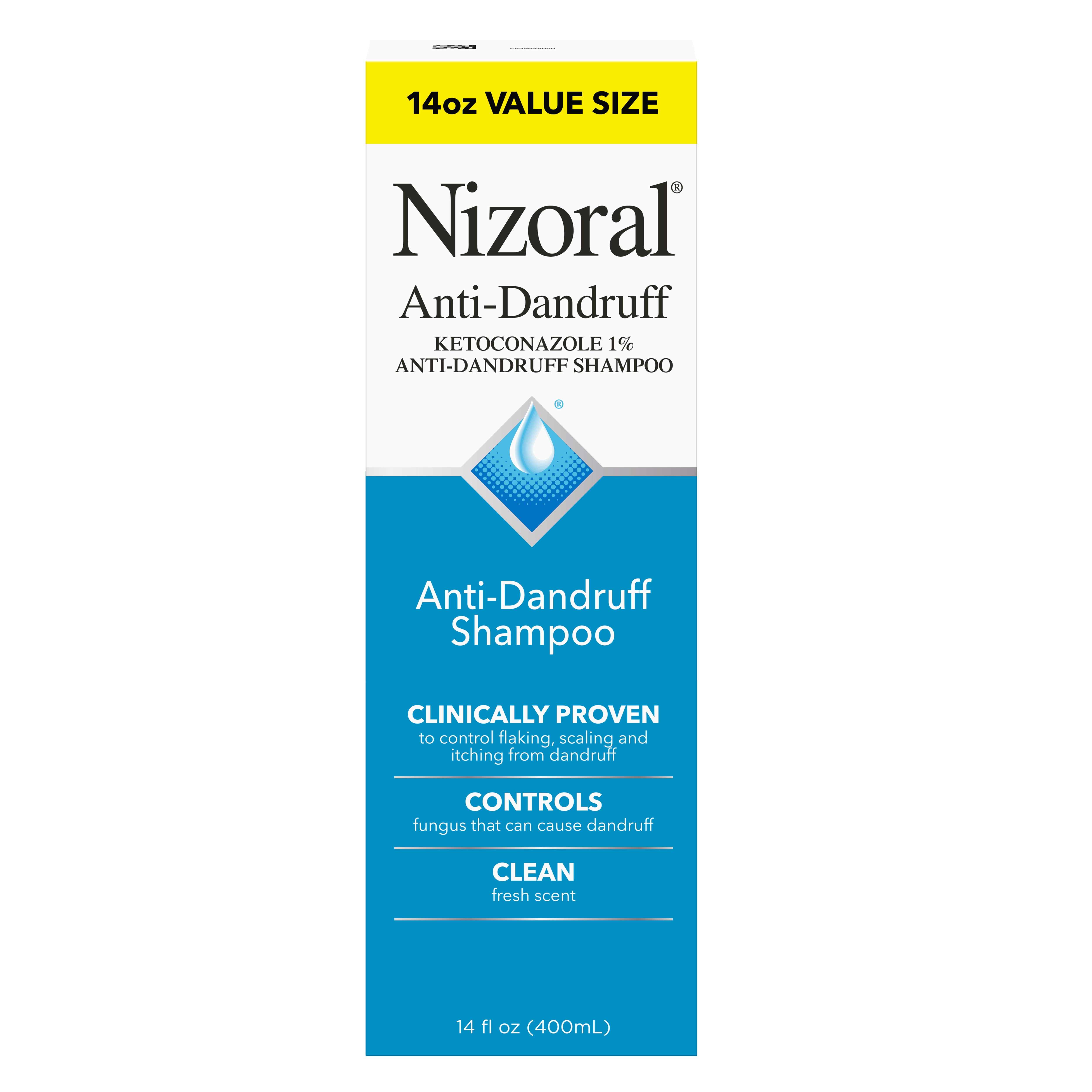
Non-chemical anti-dandruff shampoos rely on plant-derived antifungals, natural exfoliants, and soothing botanicals rather than synthetic antimicrobials, sulfates, or harsh detergent bases. Ingredients like tea tree oil, willow bark extract, and rosemary naturally suppress Malassezia yeast growth, reduce scalp inflammation, and loosen dead skin flakes without stripping essential moisture.
Disclaimer: The information in this guide is for educational purposes and does not substitute for medical evaluation, diagnosis, or treatment. If you experience severe scalp crusting, persistent redness, open sores, or hair loss, consult a board-certified dermatologist.
Understanding "Non-Chemical" Scalp Care: Definitions and Scalp Science
In scientific terms, every compound—including pure water and botanical extracts—is a chemical structure. However, in consumer hair care, the term non-chemical anti-dandruff shampoo refers specifically to formulations free from synthetic pharmaceutical antifungals (such as ketoconazole, zinc pyrithione, or selenium sulfide), harsh cleansing sulfates (like sodium lauryl sulfate), synthetic fragrances, parabens, and artificial colorants.
Instead, these products leverage plant-based biochemistry to manage the physiological root causes of dandruff.
- Dandruff Triad
- Sebum Production (Overactive Sebaceous Glands)
- Malassezia Yeast Proliferation (Feeds on Sebum)
- Scalp Barrier Disruption & Inflammation
- Accelerated Cell Turnover & Visible Flakes
The Biology of Dandruff Formation
Dandruff (and its more inflamed clinical counterpart, seborrheic dermatitis) stems from an imbalance in the scalp microbiome. The human scalp naturally hosts Malassezia yeasts, primarily Malassezia globosa and Malassezia restricta. These micro-organisms feed on the lipids present in human sebum (natural scalp oils). As Malassezia metabolizes sebum, it releases byproduct free fatty acids, specifically oleic acid.
In individuals sensitive to oleic acid, this metabolic byproduct penetrates the stratum corneum (the outermost layer of the scalp skin). This triggers an inflammatory immune response that disrupts the skin barrier, leading to:
- Accelerated skin cell shedding: Normal scalp cells take roughly 28 days to mature and shed unnoticed. In dandruff-prone scalps, cell turnover accelerates to 7 to 14 days, causing immature cells to clump together as visible white or yellowish flakes.
- Micro-inflammation and itch: Inflammatory cytokines trigger itching (pruritus) and localized redness.
- Barrier degradation: Moisture escapes rapidly, leading to dehydration beneath an oily scalp surface.
Conventional shampoos often target Malassezia using aggressive synthetic chemicals that eliminate micro-organisms indiscriminately. Non-chemical and botanical shampoos aim to restore equilibrium to the scalp microbiome, calm hyperactive cell turnover, and maintain the natural acid mantle (pH 4.5 to 5.5) without degrading epidermal tissue.
Key Botanical and Natural Active Ingredients
Formulating an effective natural anti-dandruff shampoo requires substituting pharmaceutical active ingredients with naturally derived compounds that exhibit comparable antimicrobial, keratolytic (exfoliating), and anti-inflammatory properties.
- Natural Anti-Dandruff Mechanisms
- Antimicrobial
- Tea Tree Oil
- Neem Extract
- Rosemary Oil
- Exfoliation
- Willow Bark (Salicylic Acid)
- Fruit Enzymes
- Soothing & Hydration
- Aloe Vera
- Chamomile
- Microbiome & pH Balance
- Apple Cider Vinegar
- Antimicrobial
1. Tea Tree Oil (Melaleuca alternifolia)
Tea tree essential oil is one of the most thoroughly researched natural antifungals. Rich in terpinen-4-ol, tea tree oil disrupts the cell membranes of fungal species, including Malassezia. Clinical studies show that a 5% concentration of tea tree oil significantly reduces dandruff severity and itching without inducing the drug resistance sometimes observed with synthetic agents.
2. Willow Bark Extract (Natural Salicylic Acid)
Willow bark (Salix alba) contains salicin, a natural precursor to salicylic acid. As a beta-hydroxy acid (BHA), natural salicylic acid is lipid-soluble, allowing it to penetrate deep into hair follicles and dissolve the intercellular "glue" holding dead skin cells together. This keratolytic action clears visible flaking and prevents clogged pores without harsh physical scrubbing.
3. Neem Extract (Azadirachta indica)
Used for centuries in Ayurvedic medicine, neem leaf and oil extracts contain nimbin and nimbidin—compounds with potent antifungal, antibacterial, and anti-inflammatory properties. Neem inhibits fungal spore germination and suppresses the inflammatory cascade triggered by oleic acid on sensitive scalps.
4. Apple Cider Vinegar (Raw ACV)
Unfiltered apple cider vinegar contains natural acetic acid and alpha-hydroxy acids (AHAs). ACV helps lower the scalp's pH back to its healthy acidic range (4.5–5.5). Fungal pathogens thrive in neutral-to-alkaline environments; lowering scalp pH creates an inhospitable terrain for yeast while tightening hair cuticles for enhanced shine.
5. Rosemary and Peppermint Oils
Rosemary essential oil (Rosmarinus officinalis) exhibits antioxidant and antimicrobial properties while stimulating localized microcirculation around hair follicles. Peppermint oil (Mentha piperita) provides a cooling sensation via menthol, immediately soothing itching by dulling nerve signal pathways while offering mild antimicrobial benefits.
6. Aloe Vera Gel and Colloidal Oatmeal
Exfoliating dead skin is only half the battle; the exposed epidermal layer must be hydrated and calmed. Aloe vera supplies polysaccharides, vitamins A, C, and E, and enzymes that reduce redness. Colloidal oatmeal delivers beta-glucans that form a protective, moisture-binding film over delicate, inflamed skin.
Non-Chemical vs. Conventional Chemical Anti-Dandruff Actives
Choosing between traditional pharmaceutical shampoos and natural, botanical alternatives involves weighing immediate potency against long-term scalp tolerance and environmental impact.
| Parameter | Conventional Chemical Actives | Non-Chemical / Botanical Actives |
|---|---|---|
| Primary Actives | Zinc Pyrithione (historically), Ketoconazole, Selenium Sulfide, Coal Tar, Piroctone Olamine | Tea Tree Oil, Willow Bark Extract, Neem, Apple Cider Vinegar, Rosemary Oil |
| Cleansing Agents | Sodium Lauryl Sulfate (SLS), Sodium Laureth Sulfate (SLES) | Decyl Glucoside, Coco-Glucoside, Sodium Cocoyl Isethionate |
| Primary Mechanism | High-potency fungal cell destruction; slowed epithelial mitosis | Mild microbial inhibition, pH regulation, gentle enzymatic scaling |
| Time to Results | Rapid (1–3 washes) | Gradual (2–4 weeks of consistent use) |
| Scalp Sensitivities | Risk of dryness, hair stiffness, rebound oiliness, skin sensitization | Low risk of chemical stripping; potential essential oil contact allergy |
| Color-Treated Hair | Can strip artificial hair pigment quickly | Color-safe due to sulfate-free, mild surfactant bases |
| Long-Term Suitability | May cause tolerance buildup or extreme scalp dryness | Ideal for daily or long-term maintenance and microbiome support |
How to Transition to a Botanical Anti-Dandruff Routine
Switching from high-potency chemical shampoos to a natural botanical formulation requires a structured protocol. Because botanical surfactants produce less foam and work more gradually, technique plays a major role in achieving optimal results.
- 4-Step Scalp Care Protocol
- Pre-Wash Scalp Treatment (Optional Oil/Vinegar Application)
- Controlled Wash & Contact Time (Massage for 3-5 Minutes)
- Thorough Warm Water Rinse (Remove All Residuated Surfactants)
- Post-Wash Hydration (Scalp-Safe Light Weight Conditioning)
Step 1: Pre-Wash Scalp Prep (Optional)
If you have dense scale build-up, apply a lightweight plant oil (such as squalane or jojoba oil infused with 1-2 drops of tea tree oil) to dry scalp areas 20 minutes prior to washing. This softens stubborn scale plaques so the shampoo can remove them without aggressive scratching.
Step 2: Double-Cleansing Technique
Natural shampoos use mild glucoside or amino-acid-based surfactants that do not lather as aggressively as sulfates.
- First Wash: Apply a small amount of shampoo to wet hands and work it across the scalp. This initial application breaks down surface oils, styling product residues, and environmental debris. Rinse thoroughly.
- Second Wash: Apply a second small portion. You will notice significantly more lather. Focus the product entirely on the scalp rather than the lengths of the hair.
Step 3: Enforce Scalp Contact Time
Unlike standard shampoos that are rinsed away immediately, botanical anti-dandruff formulas require contact time for active plant compounds (like terpinen-4-ol and natural salicin) to penetrate the stratum corneum. Gently massage the scalp using the pads of your fingers—never fingernails—for 3 to 5 minutes before rinsing.
Step 4: Temperature and Rinsing
Rinse thoroughly using tepid or warm water. Hot water strips beneficial lipids, causes vasodilation, and worsens inflammation and itching.
Managing the Adjustment Period
When transitioning away from synthetic chemical shampoos, you may experience a 1- to 2-week adjustment period sometimes referred to as a scalp rebalancing phase:
- Temporary Sebum Surge: Scalp sebaceous glands previously stripped by harsh sulfates may temporarily overproduce oil until feedback loops normalize.
- Gradual Scale Clearing: Natural exfoliants work progressively. Do not pick or scrub flakes aggressively, as mechanical trauma triggers secondary hyperkeratosis (thickened skin).
Potential Drawbacks and Safety Considerations
While non-chemical shampoos eliminate synthetic irritants, natural botanicals are not inherently free from risk. Understanding these limitations ensures safe and effective use.
- Natural Product Risks & Limits
- Essential Oil Allergic Contact Dermatitis
- Slower Speed of Initial Fungal Suppression
- Variable Botanical Concentrations across Brands
- Ineffectiveness against Non-Fungal Conditions
Allergic Contact Dermatitis
Essential oils—particularly tea tree, peppermint, citrus, and eucalyptus oils—contain volatile aromatic compounds (such as limonene and linalool) that can trigger allergic contact dermatitis in sensitive individuals.
Safety Precaution: Always perform a patch test before applying a new botanical shampoo to your entire head. Apply a small amount of dilute product behind your ear or on your inner forearm and monitor for 24 to 48 hours for redness, burning, or hives.
Rate of Fungal Suppression
For acute, severe flare-ups of seborrheic dermatitis characterized by thick yellow crusts and intense erythema, natural botanicals may lack the immediate potency needed to quickly lower fungal populations. In such instances, short-term therapeutic intervention with a targeted pharmaceutical agent may be necessary before transitioning to a natural routine for long-term maintenance.
When to Seek Medical Evaluation
Dandruff symptoms can mimic or overlap with other scalp conditions that natural shampoos cannot resolve alone:
- Scalp Psoriasis: Characterized by thick, silvery-white scales over raised red plaques that often extend beyond the hairline.
- Tinea Capitis: A true dermatophyte fungal infection of the hair follicle that requires oral antifungal medication.
- Contact Dermatitis: An allergic reaction to specific cosmetics, dye chemicals (PPD), or preservative systems.
If your scalp exhibits oozing crusts, intense pain, localized hair loss, or fails to improve after 4 weeks of consistent natural care, consult a medical professional.
Frequently Asked Questions
What does "non-chemical anti-dandruff shampoo" actually mean?
It refers to hair cleansers formulated without synthetic pharmaceutical antifungals (like ketoconazole or zinc pyrithione), harsh sulfate cleansers (SLS/SLES), synthetic fragrances, or parabens. Instead, these shampoos rely on plant extracts, essential oils, and naturally derived exfoliants to address yeast growth and flaking.
Can tea tree oil eliminate dandruff as effectively as chemical treatments?
Clinical research shows that tea tree oil at a 5% concentration significantly reduces dandruff and associated itching by suppressing Malassezia yeast growth. While it may take slightly longer to show initial results than high-potency synthetic agents, it offers a gentle, well-tolerated option for ongoing maintenance without severe dryness.
Are natural anti-dandruff shampoos safe for color-treated hair?
Yes, provided they are labeled sulfate-free. Natural anti-dandruff shampoos typically use gentle, coconut-derived cleansers like decyl glucoside or sodium cocoyl isethionate. These non-stripping surfactants clean the scalp without degrading artificial hair dye molecules.
How often should I use a non-chemical anti-dandruff shampoo?
For an active flake outbreak, use the natural shampoo 3 to 4 times per week. Once scalp flaking and itching are controlled, frequency can be reduced to 1 to 2 times per week for ongoing prevention, alternating with a mild, hydrating natural shampoo as needed.
Why is my natural anti-dandruff shampoo not lathering as much as regular shampoo?
Natural shampoos omit synthetic sulfates like sodium lauryl sulfate (SLS), which produce heavy, dense foam. Instead, they use plant-based glucosides or amino-acid cleansers that create a lower, creamier lather. A lack of heavy foam does not mean the shampoo is ineffective; it still removes oils and clears dead skin cell accumulation.
Can essential oils in natural anti-dandruff shampoos irritate sensitive skin?
Yes. Essential oils like tea tree, peppermint, and eucalyptus contain active plant compounds that can cause contact allergies or localized irritation in sensitive individuals. If you have hyper-reactive skin or eczema, select formulas specifically designated as fragrance-free or perform a patch test behind the ear prior to full application.
Recommendation and Next Steps
To successfully manage dandruff without relying on synthetic chemicals, adopt a systematic strategy:
- Audit Product Ingredients: Review your current shampoo for harsh sulfates (SLS, SLES) and synthetic fragrance mixtures that can compromise your scalp's protective barrier.
- Select Target Botanicals: Choose a shampoo that matches your primary symptom:
- For oily flakes and fungal overgrowth, select formulas featuring tea tree oil, neem, or rosemary.
- For dry flakes and heavy buildup, choose formulations with willow bark extract (natural salicylic acid) or apple cider vinegar.
- For intense itching and redness, prioritize aloe vera, peppermint, and colloidal oatmeal.
- Master Application Technique: Wash using the double-cleanse method, massage with your fingertips, and allow the product to sit on the scalp for 3 to 5 minutes before rinsing with warm water.
- Monitor and Adjust: Give a new natural shampoo at least 3 to 4 weeks of consistent use to evaluate its efficacy. If symptoms worsen or fail to respond, consult a dermatologist for a professional evaluation.