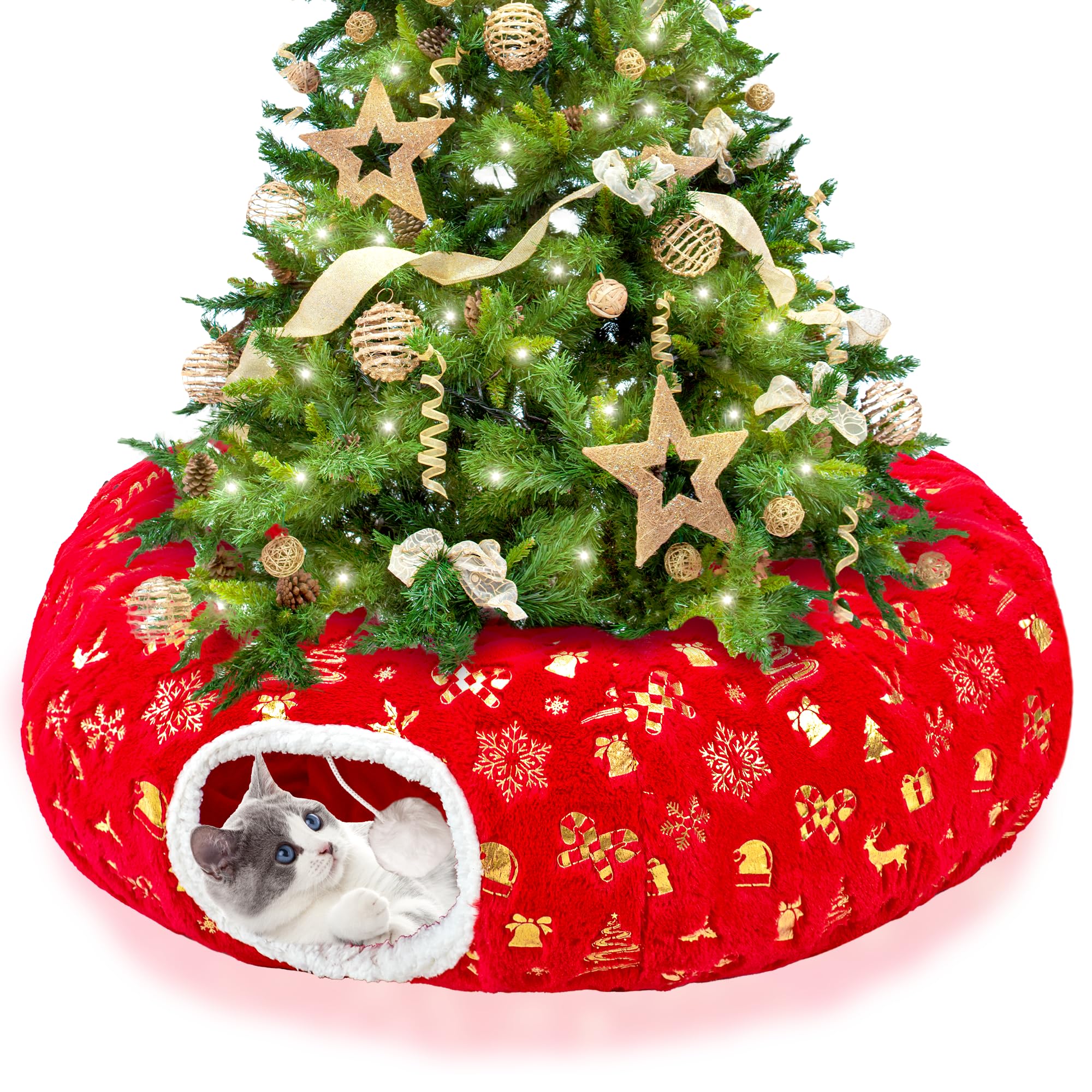
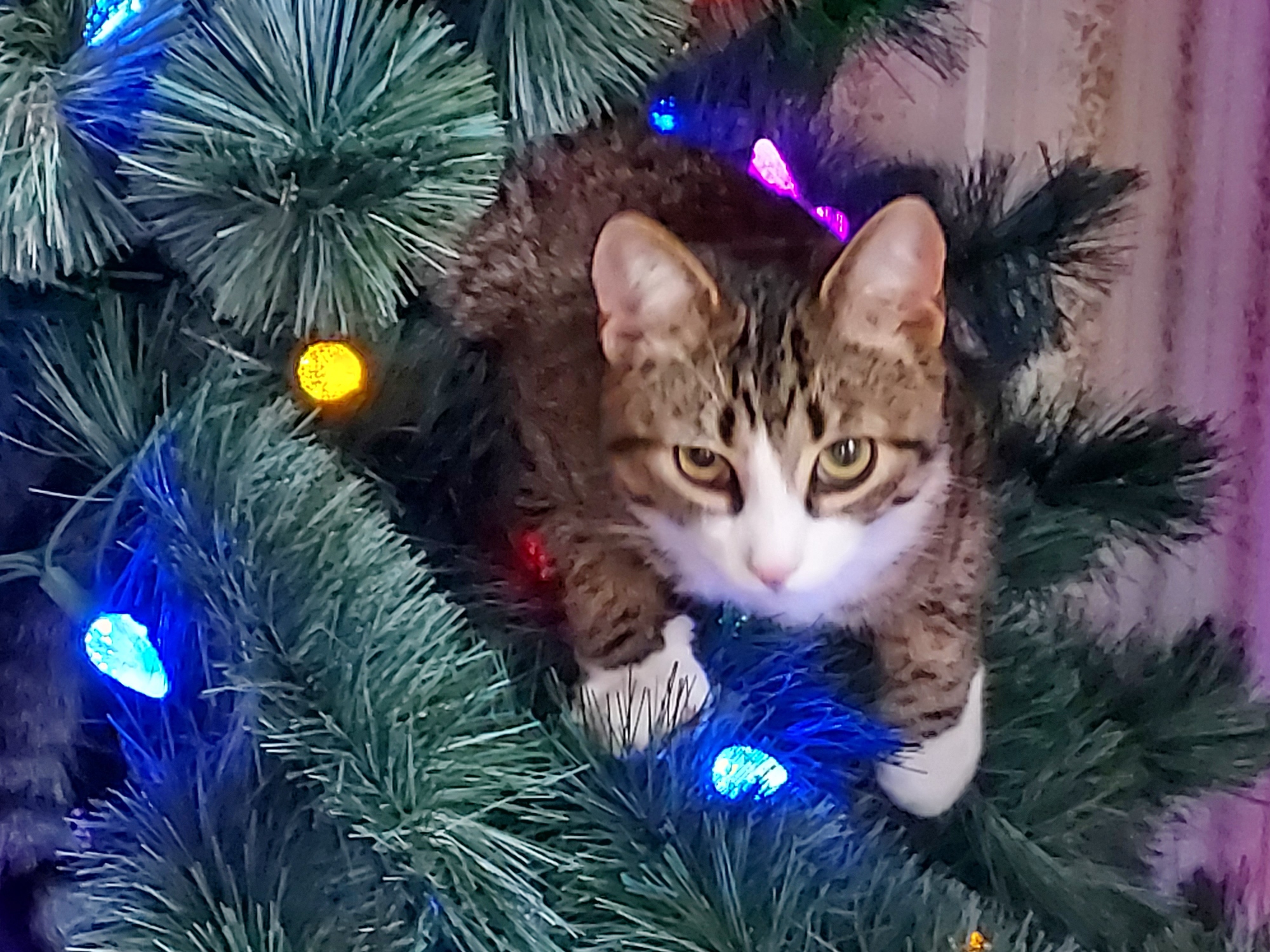
An anti-cat Christmas tree is a specialized holiday decoration designed to prevent feline interference, ranging from half-trees with high-starting branches to wall-mounted or ceiling-hung versions. These solutions, combined with physical deterrents and secure anchoring, protect both your home’s aesthetic and your pet’s safety during the festive season.
For cat owners, the arrival of the Christmas tree often marks the beginning of a month-long battle. To a cat, a Christmas tree is not a symbol of holiday cheer; it is a giant, indoor climbing frame equipped with dangling prey and tempting scratching surfaces. As we move through the 2026 holiday season, the market for pet-safe home decor has expanded significantly, offering innovative "anti-cat" solutions that move beyond the traditional evergreen. Understanding the mechanics of these trees—and why cats are drawn to them—is essential for maintaining a peaceful household.
Why Cats are Instinctually Drawn to Christmas Trees
Before selecting an anti-cat tree, it is helpful to understand the biological drivers behind your cat's behavior. To a feline, a Christmas tree represents a trifecta of natural instincts: vertical territory, shelter, and hunting opportunities.
Cats are arboreal by nature, meaning they seek high vantage points to survey their environment. A six-foot spruce is the ultimate lookout tower. Furthermore, the dense needles provide a sense of "cover," allowing the cat to feel hidden while observing the room. Finally, the ornaments are essentially small, moving targets that mimic the erratic movements of birds or rodents. When you combine these factors, a standard tree becomes an irresistible magnet for mischief.
Types of Anti-Cat Christmas Trees
The industry has responded to the plight of pet owners with several distinct designs. These are not merely standard trees with fewer ornaments; they are structural modifications intended to eliminate the "entry points" or "target zones" that cats use.
1. The Half-Tree (The Parasol Tree)
The most common "anti-cat" design in 2026 is the half-tree, also known as a parasol tree. These artificial trees feature a standard top section, but the trunk remains bare for the bottom three to four feet.
- How it Works: By removing the lower branches, you eliminate the cat’s ability to jump directly into the foliage from the floor. Unless the cat can clear a massive vertical leap or jump from nearby furniture, the ornaments and needles remain out of reach.
- Aesthetic Appeal: While they look unusual at first glance, these trees allow for ample space beneath for large gift boxes or decorative displays that are less interesting to cats.
- Stability: Because the weight is concentrated higher up, these trees require a very heavy, wide base to prevent tipping.
2. Wall-Mounted and "Floating" Trees
Wall-mounted trees have gained significant traction as a minimalist and pet-proof alternative. These are often flat-backed or semi-circular designs that bolt directly to a wall bracket.
- Height Control: The primary advantage here is that you can mount the tree at any height. Placing it five feet off the ground effectively removes it from the "danger zone" of even the most athletic cats.
- Space Saving: These are ideal for smaller apartments where floor space is at a premium.
- Material Variety: Wall trees in 2026 often utilize high-quality synthetic needles or even "tapestry" styles with integrated LED lighting to minimize physical bulk.
3. Ceiling-Hung Trees
While once considered a novelty, the inverted, ceiling-mounted tree has become a staple for households with multiple high-energy pets.
- Gravity as a Deterrent: By hanging the tree from a heavy-duty joist hook, the "base" is at the top. The narrow point faces the floor, making it nearly impossible for a cat to find a foothold to climb upward.
- The "Upside Down" Look: This provides a modern, avant-garde aesthetic that serves as a conversation piece while keeping fragile heirloom ornaments safe from swatting paws.
Strategic Cat-Proofing for Traditional Trees
If you are not ready to commit to a specialized anti-cat tree, you can modify a standard artificial or live tree to resist feline interference. This requires a multi-layered approach focusing on stability and sensory deterrents.
Securing the Base and Anchor Points
The greatest risk of a standard tree is it falling over, potentially injuring the cat or damaging the home. In 2026, high-end tree stands often come with integrated floor-gripping technology, but additional measures are usually necessary.
- The Fishing Line Method: This remains the most effective way to prevent a tip-over. Attach a high-test clear fishing line to the upper third of the tree trunk and secure the other end to a small hook in the ceiling or a nearby wall stud. The line is invisible to the eye but provides the necessary tension to keep the tree upright if a cat attempts to climb it.
- Weighted Bases: Replace standard plastic stands with heavy cast-iron versions. If using a lighter stand, place sandbags or dumbbells inside the tree skirt to lower the center of gravity.
Sensory Deterrents
Cats have a highly developed sense of smell and a specific dislike for certain textures. You can leverage these to create an invisible barrier around the tree.
- Citrus Scents: Cats generally find the smell of citrus repulsive. Spritzing the lower branches with a diluted lemon or orange essential oil (ensure it is pet-safe and not ingested) can discourage them from approaching.
- Aluminum Foil: Many cats dislike the sound and feel of aluminum foil under their paws. Wrapping the base of the tree or placing a "moat" of foil around the tree skirt can act as a physical and auditory deterrent.
- Bitter Sprays: Applying a commercial "bitter cherry" or "bitter apple" spray to the lower branches can prevent cats from chewing on needles—a habit that is particularly dangerous with live trees.
Comparing Anti-Cat Tree Solutions
When choosing the right setup for your home, consider the balance between effort, cost, and effectiveness.
| Tree Type | Ease of Setup | Cat-Proof Rating | Primary Benefit | Potential Drawback |
|---|---|---|---|---|
| Half-Tree | High | Medium-High | Eliminates low-level swatting | Top-heavy; needs a sturdy stand |
| Wall-Mounted | Medium | High | Completely out of reach | Requires drilling into walls |
| Ceiling-Hung | Low | Very High | Impossible to climb | Difficult to install/wire for lights |
| Standard + Fence | High | Medium | Physical barrier | Less aesthetically pleasing |
| Minimalist Wood Tree | High | High | No needles to chew | Doesn't look like a "traditional" tree |
Ornament Selection and Placement Strategies
Even with an anti-cat tree, the way you decorate plays a massive role in whether your pet sees the tree as a toy. In 2026, "pet-safe" ornament kits have become popular, focusing on shatterproof materials and secure attachment mechanisms.
The "Bottom Third" Rule
The bottom third of the tree is the primary strike zone. For this area, avoid anything that dangles excessively or catches the light in a "prey-like" manner.
- Use Plastic or Felt: Reserve your delicate glass and heirloom ornaments for the top half of the tree. Use soft felt, wood, or shatterproof plastic decorations at the bottom.
- Avoid "Dangling" Hooks: Standard wire hooks are easily unhooked by a cat. Instead, use twine or ribbon to tie ornaments directly to the branches with a double knot. This ensures that even if a cat swats an ornament, it stays attached to the tree rather than becoming a floor toy.
The Danger of Tinsel and "Angel Hair"
In 2026, many veterinary associations have successfully campaigned for the reduction of traditional tinsel sales, but it still exists in some markets. Tinsel is one of the most dangerous holiday items for cats. If ingested, it can cause "linear foreign body" obstructions, where the tinsel bunches up the intestines, often requiring emergency surgery. For a truly anti-cat tree, tinsel should be entirely omitted.
Live Trees vs. Artificial Trees: The Safety Factor
While many prefer the scent of a real fir or pine, live trees present specific hazards that artificial anti-cat trees do not.
- Toxic Needles: Fir and pine needles are not highly toxic, but they are mildly irritating. More importantly, they are sharp and can cause internal punctures or blockages if swallowed.
- Stagnant Water: The water in a tree stand often contains sap, pesticides, or fertilizers. If a cat drinks this water, it can lead to vomiting or diarrhea. If you use a live tree, ensure the water reservoir is completely covered.
- Stability Issues: Live trees are often more prone to drying out and becoming brittle, which makes them less structurally sound for a cat that decides to climb.
Artificial anti-cat trees are generally the safer bet. Modern 2026 models are made from flame-retardant materials that are less likely to shed "needles" that a cat might be tempted to eat.
FAQs About Anti-Cat Christmas Trees
Are "half-trees" stable enough if a cat actually tries to jump on them?
Most half-trees designed specifically for pet owners in 2026 feature an oversized, weighted base. Because the foliage is concentrated at the top, the center of gravity is higher, making them more prone to swaying. However, the design's primary goal is to prevent the cat from getting a "grip" to start a climb. For maximum safety, it is always recommended to use a wall anchor even with a half-tree.
Can I use a motion-activated deterrent near my tree?
Yes, motion-activated "hissing" canisters (which emit a quick burst of compressed air) are highly effective. These do not harm the cat but startle them enough to create a negative association with the tree. Placing one near the base of the tree is often enough to keep most cats at a respectful distance.
Is it true that certain breeds are more likely to climb trees?
While individual personality varies, high-energy breeds like Bengals, Abyssinians, and Savannah cats are notorious for their vertical climbing abilities. If you own one of these breeds, a standard "cat-proofed" tree may not be enough; a ceiling-hung or wall-mounted solution is often the only way to ensure the tree survives the season.
Will a "cat tree" nearby distract them from the Christmas tree?
Providing an "approved" climbing alternative can help. If you place a tall, carpeted cat tree in the same room—perhaps decorated with cat-safe toys—your pet may choose the familiar, stable climbing surface over the prickly, unstable Christmas tree. However, this is not a guaranteed fix, as the novelty of the holiday tree is often too tempting to ignore.
Are LED lights safer for cats than traditional bulbs?
In 2026, LED lights are the standard. They are significantly safer because they do not produce heat, reducing the risk of fire if a cat becomes entangled or if the tree is knocked over. Furthermore, many modern LED strings use thicker, more bite-resistant casing, though you should still unplug the tree when you are not in the room to supervise.
Practical Recommendation for a Stress-Free Holiday
If you are dealing with a particularly persistent cat, the most effective approach for 2026 is the wall-mounted semi-circular tree. This design offers the best compromise between traditional holiday aesthetics and total pet safety. By mounting the tree approximately 4 to 5 feet off the ground, you remove the temptation entirely while maintaining a beautiful focal point for your room. Ensure you use a stud finder to secure the bracket properly, and use ribbon ties for your ornaments to prevent any "gravity-assisted" accidents. By combining a specialized tree design with sensory deterrents like citrus spray, you can finally enjoy a decorated home without the constant fear of a holiday disaster.