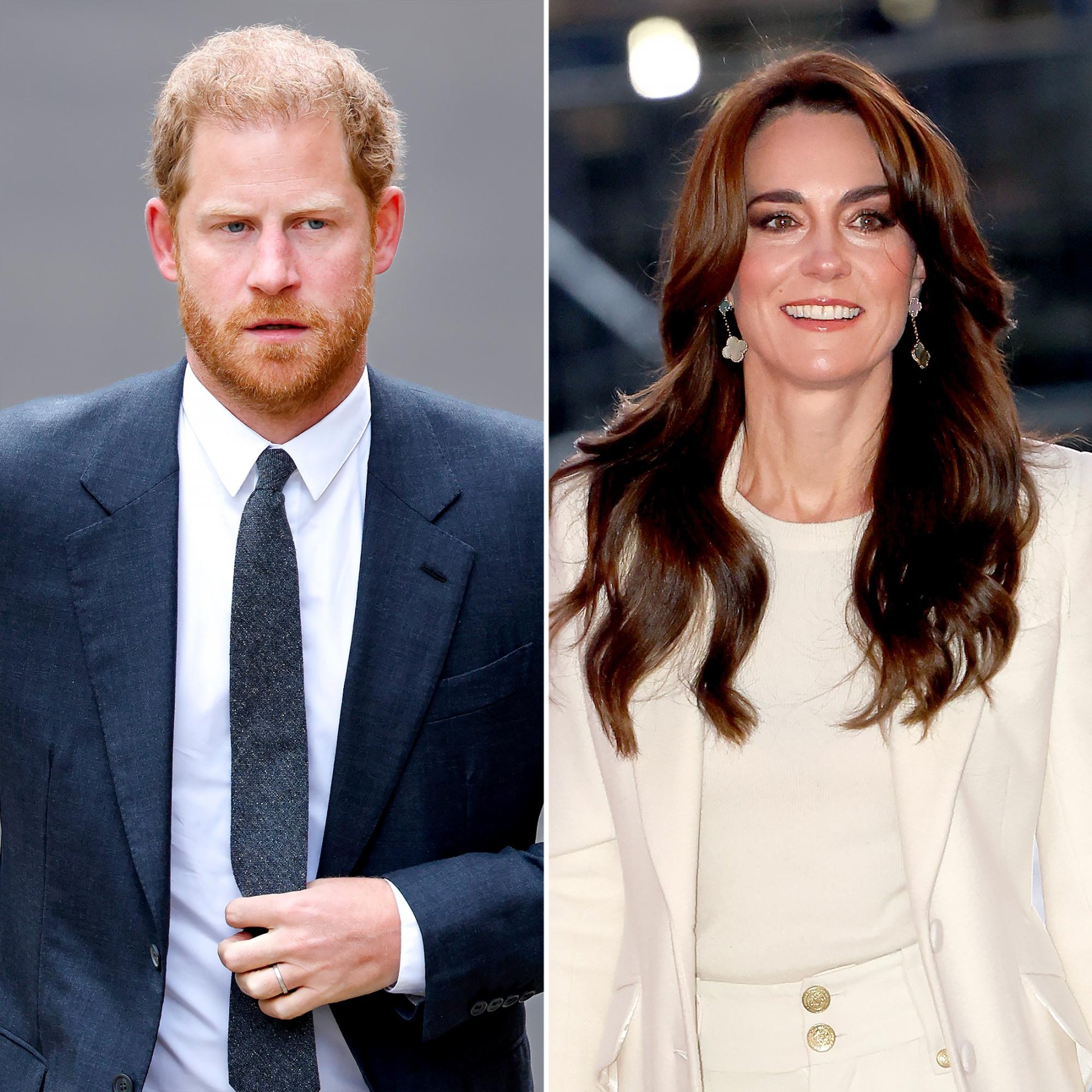
The analysis of public commentary surrounding Prince Harry in 2026 involves evaluating digital discourse across social media, news platforms, and institutional publications. This study explores how shifts in personal branding, media strategies, and royal institutional changes influence audience perception, sentiment polarization, and the evolution of long-term public engagement with the Duke of Sussex.
Understanding the Landscape of Public Discourse
Public sentiment regarding Prince Harry is characterized by high levels of volatility and distinct demographic divides. By 2026, the discourse has moved beyond the immediate reactions to events occurring between 2020 and 2024, settling into a pattern of entrenched ideological silos. When conducting an analysis of comments on Prince Harry, researchers must distinguish between three primary modes of communication: reactive sentiment, analytical critique, and institution-focused commentary.
Reactive sentiment often surfaces in comment sections of major news outlets or social media platforms immediately following a public appearance or a media drop. This type of engagement is typically binary, reflecting either intense support or visceral disapproval. In contrast, analytical critique—often found on forums, Substack newsletters, and long-form podcasts—seeks to contextualize his actions within the broader framework of constitutional monarchy and modern celebrity culture. Institution-focused commentary involves observers who prioritize the continuity of the British Royal Family, viewing Prince Harry’s actions as external pressure on a traditional framework.
Methodological Framework for Comment Analysis
To perform a rigorous analysis of comments regarding a high-profile figure like the Duke of Sussex, one must employ a structured methodological approach. This ensures that the findings are not merely anecdotal but representative of broader trends.
- Data Extraction: Gathering qualitative and quantitative data from diverse sources, including professional news archives, verified social media interactions, and community-led discussion boards.
- Sentiment Categorization: Classifying comments into positive, neutral, negative, or toxic categories. In 2026, the introduction of advanced natural language processing (NLP) models allows for a more nuanced distinction between "critical discourse" and "targeted harassment."
- Contextual Mapping: Linking specific spikes in comment volume to external stimuli. These stimuli include authorized biographies, philanthropic ventures, or changes in his formal relationship with the British monarchy.
- Trend Identification: Tracking how specific narratives—such as privacy concerns, financial independence, or family reconciliation—evolve over a multi-year period.
Key Factors Influencing Sentiment
Several variables determine the nature of the comments Prince Harry receives. Understanding these factors is essential for any professional analysis.
- The Medium of Delivery: Comments on Instagram or X (formerly Twitter) often emphasize aesthetic and immediate emotional responses. Conversely, platforms like Reddit or LinkedIn tend to foster more structural discussions regarding governance, the nature of work, and personal brand management.
- Narrative Consistency: The public often reacts most strongly when they perceive a contradiction between a stated goal and a public action. For instance, discussions surrounding the intersection of his pursuit of private life and his participation in high-visibility media projects remain a constant touchstone in the commentary.
- Generational Perspectives: Sociological data suggests a clear age-based divide. Younger demographics often prioritize individual agency and mental health narratives, while older demographics frequently focus on the historical significance of the royal institution and perceived breaches of protocol.
Comparative Analysis: Traditional Media vs. Direct-to-Consumer Content
The shift from traditional media gatekeepers to direct-to-consumer content has fundamentally changed how the public comments on Prince Harry. In the past, letters to the editor or op-ed pieces represented the peak of public feedback. Today, the direct commentary loop allows individuals to engage with his content in real-time.
| Platform Type | Primary Engagement Style | Typical Comment Tone | Focus Area |
|---|---|---|---|
| Legacy Media Outlets | Formal, Argumentative | Polarized/Debate-heavy | Protocol and Tradition |
| Social Media Apps | Reactive, Short-form | Emotional/Binary | Personal Image |
| Independent Podcasts | Long-form, Deep-dive | Intellectual/Critical | Strategic Impact |
| Professional Forums | Structural, Analytical | Neutral/Informed | Brand and Governance |
This table illustrates that the "analysis of comments" is not a monolith; the tone of the discourse is dictated by the platform's architectural design and the typical user intent.
The Role of Toxicity and Moderation
A significant portion of the discourse surrounding public figures of his stature is unfortunately marked by toxic sentiment. Since 2024, many platforms have implemented stricter moderation protocols. When analyzing these comments, it is crucial to isolate "bad faith" actors from legitimate public criticism.
Toxic comments, often defined by personal attacks rather than thematic critique, can skew data analysis. Senior researchers often employ "noise reduction" techniques, where non-substantive, aggressive, or bot-generated comments are filtered out before sentiment patterns are identified. This is a critical step in maintaining the integrity of the data, as excessive focus on extreme negativity can lead to an inaccurate assessment of the wider public mood.
Evolution of Themes Over Time
Looking at the timeline of public comments, clear thematic transitions are evident. Initially, the discourse was dominated by reactions to the transition to the United States and the decoupling from royal duties. By 2022–2023, the focus shifted heavily toward personal narratives and memoir-based revelations.
By 2026, the discourse has largely transitioned toward his long-term impact on non-profit initiatives and the sustainability of his public-facing projects. The "commentary" is less about the shock of his initial decisions and more about the perceived success or failure of the "post-royal" career model he has adopted. This shift indicates a maturing audience that is increasingly interested in the results of his work rather than just the drama of his departure.
Challenges in Quantifying Public Opinion
One of the primary challenges in analyzing comments is the "Silent Majority" effect. Research indicates that the most active commentators are often the most polarized. A large segment of the population may hold moderate or neutral views but rarely engages in digital comment sections. Consequently, a data-driven analysis of comments on Prince Harry must always be caveated: it represents the vocal public, not necessarily the entire public.
Furthermore, the influence of algorithmic feedback loops cannot be overstated. If an individual interacts with one type of content concerning the Duke of Sussex, their social media feed will likely show more content that validates their existing viewpoint, potentially amplifying echo chambers. Analysts must account for this by looking at cross-platform data to ensure a wider, more representative sample of opinions.
Addressing Common Misconceptions
A common misconception is that all negative commentary stems from a lack of information. In reality, modern analysis shows that critics are often highly informed about the specific details of his projects, using that information to substantiate their criticisms. Conversely, supporters are often well-versed in the defense of his personal choices. The divide is rarely about "who knows more" and more about "whose values the audience prioritizes."
Another misconception is that the interest in this subject is waning. Despite the passage of time, the volume of digital discourse remains high. This suggests that Prince Harry remains a central figure in cultural conversations, even if the nature of those conversations has shifted from the "tabloid" style of the early 2020s toward a more "evaluative" style of public inquiry.
Frequently Asked Questions
How can I effectively track sentiment regarding Prince Harry? Tracking sentiment requires monitoring multiple platforms simultaneously. Use social listening tools to identify keywords, categorize them by sentiment, and map them against significant dates or public announcements to see how the public reacts to specific events.
Why does the discourse remain so polarized? The polarization is largely driven by the competing values of tradition versus personal agency. Because the British Royal Family represents a foundational element of British history, any changes to that structure trigger deeply held beliefs about legacy, duty, and change, leading to binary reactions.
Are automated tools accurate for analyzing these comments? Automated tools are highly accurate for volume and basic sentiment (positive/negative), but they often struggle with sarcasm, cultural nuance, and the specific British context of royal discourse. Human oversight is essential to interpret the findings correctly.
What is the best way to handle "toxic" comments in a data set? The best practice is to define clear guidelines for toxicity—such as hate speech or personal threats—and exclude this data from your main findings. Labeling these as "outliers" or "noise" ensures the study focuses on substantive, readable discourse.
Does media coverage influence the comments? Absolutely. There is a direct correlation between the framing of news articles and the tone of the comments below them. Media outlets that use inflammatory headlines generally see more reactive, emotive comments compared to those that use neutral, fact-based reporting.
Moving Forward
For those conducting an analysis of comments on Prince Harry, the goal should be to move beyond the surface-level noise of daily headlines. Focus on identifying the underlying shifts in public interest and the evolution of the narrative over time. By applying consistent, neutral, and rigorous methodologies, researchers can gain valuable insights into how high-profile figures navigate the transition from institutional life to independent public branding in the digital age.
The most effective next step for any researcher is to define the specific time period and platform niche they intend to examine. Attempting to analyze the entirety of the digital discourse is prone to error; focusing on a specific channel—such as comparing long-form video commentary versus legacy newspaper forums—will yield much more actionable and reliable data for your study.