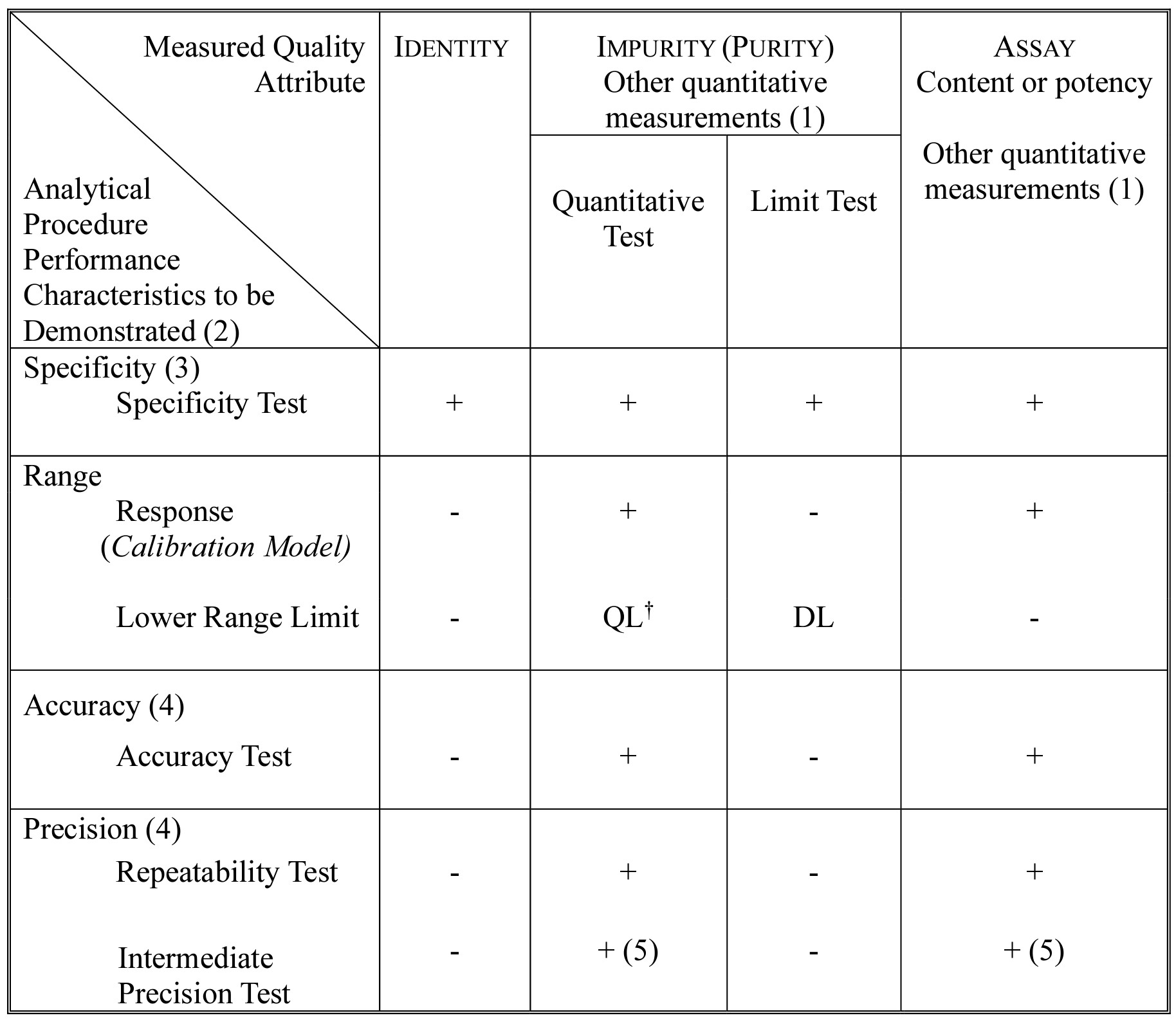
Analytical criteria function as the structured framework used to evaluate, compare, and rank options during complex decision-making processes. By defining specific, measurable benchmarks, these criteria allow stakeholders to strip away subjective bias, quantify trade-offs between competing alternatives, and ensure that final outcomes align strictly with predefined operational, financial, or strategic objectives.
The Role of Analytical Criteria in Professional Environments
In both corporate and engineering contexts, analytical criteria serve as the objective foundation for project governance. Without a standardized set of criteria, organizations risk "decision drift," where the rationale for choosing a specific path shifts based on the loudest voice in the room or temporary external pressures.
To be effective, these criteria must be established before the evaluation begins. If criteria are developed after the data is gathered, they often suffer from "post-hoc justification"—a cognitive bias where researchers subconsciously tailor the standards to validate a preferred outcome. By defining these metrics early, you create a neutral playing field where data-driven evidence dictates the conclusion.
Determining the Scope of Evaluation
Before setting specific benchmarks, you must define the scope of your analytical framework. Are you evaluating a software procurement, a capital expenditure project, or a structural engineering material? Each domain requires a different weighting of variables:
- Financial Criteria: Focus on Net Present Value (NPV), Internal Rate of Return (IRR), and total cost of ownership.
- Operational Criteria: Focus on efficiency, scalability, and integration requirements.
- Risk Criteria: Focus on regulatory compliance, security vulnerabilities, and vendor reliability.
Designing Robust Analytical Frameworks
The strength of your analytical criteria lies in their specificity. Vague goals like "high performance" or "user-friendly" are insufficient because they cannot be measured. Instead, transform these into verifiable KPIs (Key Performance Indicators).
Moving from Qualitative to Quantitative Metrics
To improve the rigor of your analysis, apply the SMART criteria (Specific, Measurable, Achievable, Relevant, Time-bound) to your benchmarks. For example, rather than using "improved system speed" as a criterion, use "latency reduction to under 50ms at peak load."
This conversion process requires three distinct steps:
- Identification: List all factors that influence the success of the project.
- Normalization: Ensure all metrics can be compared on the same scale (e.g., using a 1–10 score or converting everything into currency).
- Weighting: Assign a percentage value to each criterion based on its importance to the overall organizational mission.
Comparative Frameworks: Weighted Scoring Models
A Weighted Scoring Model is one of the most effective tools for applying analytical criteria. This method allows you to rank multiple options by multiplying the score of each criterion by its relative weight, providing a final aggregate score for each alternative.
| Criteria | Weight | Option A (Score 1-5) | Option A (Weighted) | Option B (Score 1-5) | Option B (Weighted) |
|---|---|---|---|---|---|
| Cost-Efficiency | 40% | 3 | 1.2 | 5 | 2.0 |
| Technical Scalability | 30% | 4 | 1.2 | 2 | 0.6 |
| Regulatory Compliance | 20% | 5 | 1.0 | 4 | 0.8 |
| Ease of Implementation | 10% | 2 | 0.2 | 3 | 0.3 |
| Total Score | 100% | 3.6 | 3.7 |
As shown in this comparison, Option B appears superior overall, despite being weaker in technical scalability. This visualization prevents decision-makers from obsessing over a single criterion at the expense of the larger picture.
Prerequisites and Data Integrity
The validity of your analytical criteria is entirely dependent on the quality of the data fed into them. This is often referred to as "Garbage In, Garbage Out" (GIGO). Before applying your criteria to a dataset, verify the following:
- Data Source Reliability: Ensure that all information comes from primary sources or verified third-party audits.
- Time-Stamp Consistency: Verify that all data points are from the same period to avoid comparing legacy performance against current requirements.
- Normalization of Units: If some criteria involve currency and others involve time, use a conversion factor to ensure the analysis is mathematically sound.
Common mistakes include ignoring external variables (such as market volatility in 2026) and failing to account for "hidden" costs like long-term maintenance or training requirements. When establishing your criteria, always include a "Sensitivity Analysis" section to test how the ranking changes if one variable (such as budget or timeline) shifts by 10-20%.
Common Challenges in Applying Criteria
The Bias of Weighting
One of the most significant challenges is the subjective nature of weighting. If a team is comprised of engineers, they may over-weight technical performance; if the team consists of finance professionals, they may over-weight cost. To mitigate this, establish a cross-functional panel to agree on the weights before the raw data is reviewed.
Scope Creep
During the analysis, teams often feel tempted to add "one more criterion" to favor a specific option. This undermines the structural integrity of the process. If a new, highly relevant criterion emerges mid-analysis, the entire set of options must be re-evaluated against the new standard to maintain fairness.
Documentation Requirements
Maintain a "Decision Ledger." This is a simple document that records:
- The original criteria.
- The weighting justifications.
- The raw data points.
- The final score.
This ledger is vital for internal auditing, regulatory compliance, and explaining the decision-making process to stakeholders who were not involved in the original analysis.
Frequently Asked Questions
Why must criteria be established before data collection?
Establishing criteria first prevents confirmation bias. If you evaluate data before setting the standards, you are likely to subconsciously prioritize metrics that make your preferred choice look favorable, leading to poor strategic outcomes.
How do I handle criteria that are not easily quantified?
For intangible factors like "brand reputation" or "company culture," use Likert scales (e.g., 1–5 or 1–10). Define what each number represents to reduce subjectivity. For example, define a "5" as "Industry-leading reputation with zero public controversies in the last three years."
What is a sensitivity analysis?
A sensitivity analysis tests the robustness of your decision. You modify one variable—such as a 15% increase in cost—and observe if your final choice changes. If your preferred option remains the best choice despite these fluctuations, your decision is considered "robust."
How many criteria should a project have?
Ideally, between five and eight. Too few criteria miss the nuance of a complex decision; too many create "decision paralysis" and make the weighting process overly complicated.
Can analytical criteria be updated?
They should be treated as static during the evaluation phase. However, if the project enters a new phase or if external market conditions change drastically, the criteria can be reset, provided that the change is documented and applied equally to all current options.
Next Steps for Implementing Your Criteria
To move forward with your evaluation, start by drafting a Project Definition Document. List your primary stakeholders and hold a mandatory "Weighting Workshop." During this workshop, debate the importance of each metric until the group reaches a consensus. Once the weights are locked, assign researchers to gather the data for each category. Finally, use the Weighted Scoring Model outlined in this guide to perform the analysis.
If you are currently facing a high-stakes decision, do not rely on intuition. Codify your expectations, weight your priorities, and let the data reveal the most viable path forward.