Achieving a safe and comfortable experience during anal sex relies on a methodical, slow approach centered on relaxation, high-quality lubrication, and clear communication. By prioritizing deliberate practice—taking time to understand physiological responses and respecting physical limits—individuals can mitigate discomfort, prevent tissue damage, and ensure a consensual, pleasurable encounter for all participants.
The Physiology of Anal Preparation
Understanding the anatomy involved is the first requirement for safe practice. Unlike the vagina, the anus does not have a natural self-lubrication mechanism and is composed of a complex system of internal and external sphincters. These muscles are designed to remain closed and are sensitive to involuntary tension. When the brain perceives pain or sudden pressure, these muscles reflexively contract, which is the primary cause of discomfort during anal activities.
Deliberate practice begins with the recognition that the anal canal requires significant time to adjust to any foreign object or penetration. The internal sphincter is under involuntary control, meaning it cannot be forced open through sheer willpower. Instead, it responds to relaxation. When one approaches anal sex slowly, it allows the nervous system to register that the sensation is safe rather than an intrusive threat, facilitating a gradual, natural opening of the sphincters.
The Role of Lubrication and Choice of Materials
Lubrication is not merely a convenience; it is a mechanical necessity for safety. Because the delicate mucosa of the anus is prone to micro-tears—which can increase the risk of infection or inflammation—adequate lubrication is mandatory.
When selecting a lubricant for 2026, it is essential to consider the compatibility of the product with any barrier methods used. Silicone-based lubricants are long-lasting and do not dry out as quickly as water-based alternatives, making them ideal for long, slow sessions. However, silicone lubricants cannot be used with silicone sex toys, as they can degrade the material. Water-based lubricants are universally compatible but may require more frequent reapplication. Avoid products containing glycerin or parabens if there is a known sensitivity, as these can cause irritation in sensitive tissues.
Communication and the Feedback Loop
Safe and deliberate practice is impossible without a continuous, transparent feedback loop. Before any physical activity begins, partners must establish a clear method of communication. This often includes using a "stoplight" system:
- Green: Everything feels good; continue at the current pace.
- Yellow: Slow down or adjust the technique; the sensation is approaching a threshold but is not yet painful.
- Red: Immediate cessation of all activity.
During the act, the person being penetrated should be in control of the pace. By guiding the movement—such as shifting their hips or signaling when to pause—the individual can ensure that the penetration remains within their comfort zone. Rushing through the entry phase often bypasses the necessary physiological adjustment, leading to unnecessary tension.
Incremental Progression and Technique
Deliberate practice implies a structured approach to increasing intensity. This does not mean rushing to deeper penetration but rather refining the techniques used during the early stages.
- External Stimulation: Start with external massage around the anal opening. This helps the muscles relax and allows the participant to become accustomed to the sensation of touch in this region.
- Gradual Entry: Use a finger or a small, tapered dilator with plenty of lubricant. Apply steady, gentle pressure against the opening without pushing inward. Wait for the involuntary muscle contraction to subside.
- The "Slow-Push" Method: Once the opening has relaxed, introduce only the tip of the finger or toy. Hold that position for several minutes. Do not move further until the body has fully acclimated.
- Maintaining Tone: If at any point the muscles tense, retreat to the previous level of stimulation or stop completely until the body returns to a state of complete relaxation.
Comparison of Practice Approaches
The following table outlines the differences between a rushed approach and a deliberate, slow approach to anal practice.
| Feature | Rushed Approach | Deliberate Practice |
|---|---|---|
| Muscle Response | Guarding/Tightening | Relaxation/Opening |
| Lubrication | Minimal or intermittent | Generous and consistent |
| Communication | Assumed or absent | Explicit and real-time |
| Tissue Health | High risk of micro-tears | Low risk; mucosal integrity preserved |
| Comfort Level | Often painful or forced | Gradually pleasurable/neutral |
Safety and Hygiene Considerations
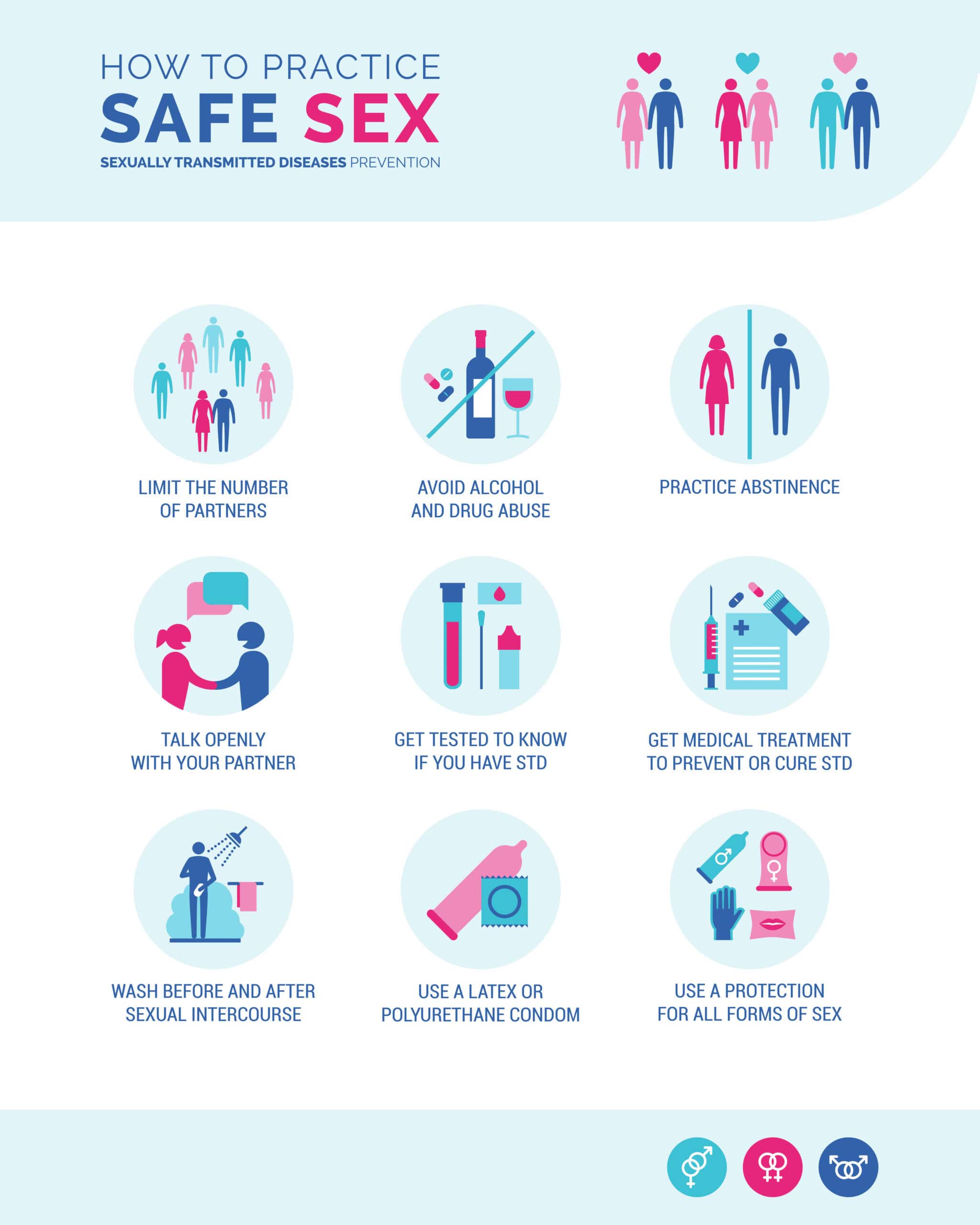
Beyond the mechanics of penetration, hygiene and health precautions are critical. The rectum is a reservoir for bacteria; therefore, any object that has been used anally must not be used vaginally or orally without a thorough cleaning or a change of barrier.
If toys are used, they must have a flared base. This is a non-negotiable safety requirement to prevent the toy from slipping entirely into the rectum, which would necessitate a medical emergency for extraction. Furthermore, practice consistent hand washing and consider the use of gloves, which can offer an extra layer of protection against irritation from fingernails and improve the overall texture of the experience.
Common Pitfalls and Troubleshooting
Even with careful planning, challenges can occur. One of the most common issues is the "tensing reflex," where a participant unconsciously tightens their muscles due to anxiety or anticipation of pain. If this happens, the most effective solution is to pause the physical stimulation entirely. Focusing on deep, diaphragmatic breathing helps to calm the nervous system and encourages the pelvic floor muscles to release their tension.
Another frequent mistake is the assumption that more lubrication is unnecessary after the initial entry. The body may absorb or wipe away lubrication over time, leading to friction. Reapplying lubricant regularly—even if it seems unnecessary—is a standard practice that promotes long-term comfort and safety.
FAQ: Questions on Safe Practice
How long should a typical "slow" session last? There is no set duration. Deliberate practice is about the quality of the acclimation, not the clock. For some, the preparation phase may take ten minutes; for others, it may take thirty. The session ends when the participants feel they have reached a comfortable point or choose to stop.
Are there specific exercises to improve comfort? Pelvic floor exercises, often called Kegels, can help individuals gain better control over their ability to consciously relax the anal sphincter. However, these should be performed with a focus on "reverse Kegels" or intentional relaxing, rather than just strengthening.
What should I do if I experience pain? If pain occurs, stop immediately. Pain is a clear signal that the body is not ready or that the technique is causing irritation. Assess the situation, ensure enough lubrication is present, and return to a less invasive level of stimulation only when the body is fully relaxed.
Can I use household items for practice? No. Never use household items, as they lack the safety features—such as the flared base—required for internal use. They may also have porous surfaces that harbor bacteria or materials that can shatter or cause internal trauma. Only use products specifically designed and medically cleared for anal use.
How do I clean my toys after use? Use warm water and mild, unscented soap or a specialized toy cleaner. Ensure the item is completely dry before storage. If the toy is made of silicone, it can often be boiled for sterilization, provided the manufacturer’s documentation confirms this compatibility.
Next Actions for Safe Exploration
The most successful approach to anal sex involves viewing the process as a skill to be developed over time rather than a performance to be completed. Start by engaging in solo exploration if possible, as this removes the pressure of partner expectations and allows for a deeper focus on individual physical responses. Prioritize high-quality, body-safe silicone or water-based lubricants and invest in properly designed equipment with flared bases. By centering communication, physical relaxation, and gradual acclimation, you establish a foundation for a safe and sustainable practice.