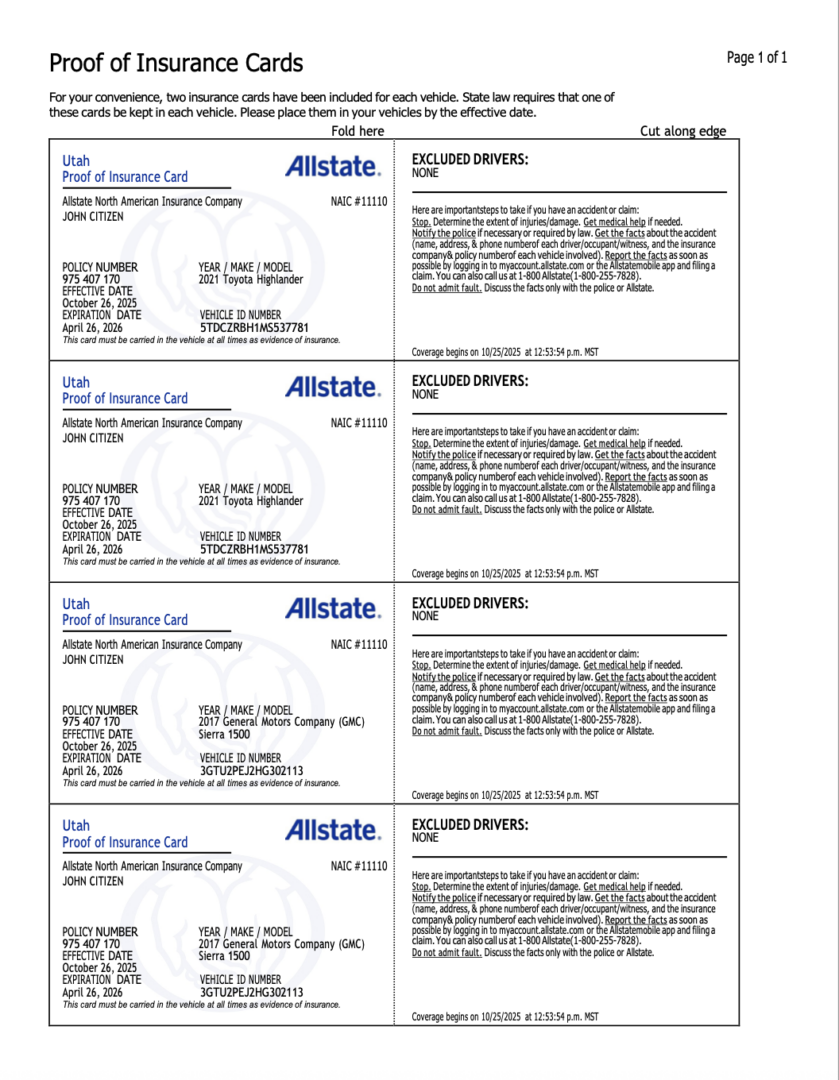
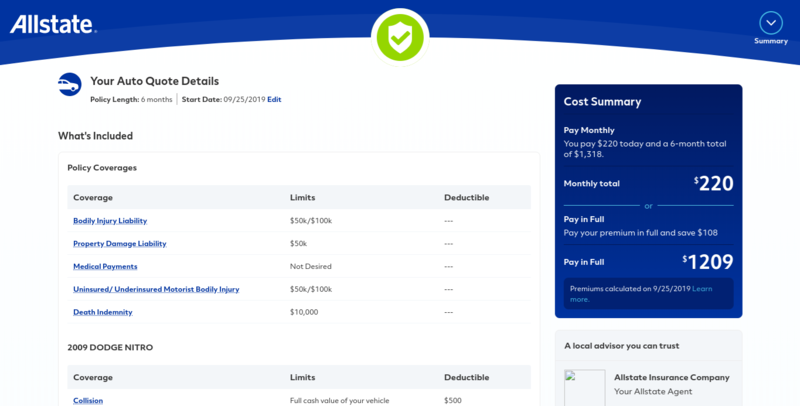
Allstate does have commercial insurance, providing a robust suite of products designed specifically for small and mid-sized business owners. Their commercial portfolio includes general liability, business property, commercial auto, and workers' compensation, often bundled into a Business Owners Policy (BOP) to provide comprehensive protection against operational risks, legal liabilities, and property damage.
For decades, Allstate has been a household name in personal lines of insurance, but its commercial division is equally established. As of 2026, the company continues to leverage its extensive network of local agents to provide personalized risk assessments for entrepreneurs across various industries. Understanding whether Allstate is the right fit for your business requires a deep look at their specific coverage tiers, eligibility requirements, and the distinct advantages of their agent-based service model.
The Foundation of Allstate Commercial Insurance: The Business Owners Policy (BOP)
The most common entry point for small businesses into the Allstate commercial ecosystem is the Business Owners Policy (BOP). A BOP is a packaged insurance solution that combines several essential coverages into one policy, typically offering a lower premium than purchasing each component separately.
Business Liability Insurance
General liability is the cornerstone of any commercial policy. It protects your business if you are found legally liable for injuries to third parties or damage to their property. In 2026, the litigation landscape remains complex; Allstate’s liability coverage typically includes:
- Bodily Injury: Coverage for medical costs and legal fees if a customer slips and falls on your premises.
- Property Damage: Protection if you or an employee accidentally damage a client's property while performing work.
- Personal and Advertising Injury: This covers claims of libel, slander, or copyright infringement related to your business’s marketing efforts.
Business Property Insurance
Whether you own your building or lease a retail space, your physical assets require protection. Allstate's commercial property insurance covers the structure itself as well as the "contents" inside. This includes office furniture, specialized equipment, inventory, and even improvements you’ve made to a rented space (tenant improvements). This coverage typically triggers in the event of fire, windstorms, theft, or vandalism.
Business Interruption Insurance
Often included within a BOP, business interruption insurance (also known as business income coverage) is critical for survival after a disaster. If a covered fire forces your shop to close for two months, this insurance can help replace lost net income and cover ongoing expenses like rent and payroll. In the economic climate of 2026, where overhead costs are a significant concern, this remains one of the most vital components of a commercial strategy.
Specialized Commercial Coverages Offered by Allstate
Beyond the standard BOP, Allstate provides specialized policies tailored to specific operational risks. These are often added as endorsements (riders) or purchased as standalone policies.
Commercial Auto Insurance
If your business owns vehicles or if employees use their personal cars for business tasks (beyond commuting), a personal auto policy is usually insufficient. Allstate’s commercial auto insurance provides higher liability limits and covers specific business uses, such as hauling equipment or making deliveries. It includes collision, comprehensive, and liability protection for the business entity.
Workers' Compensation
In almost every state, businesses with employees are legally required to carry workers' compensation insurance. This coverage pays for medical care and a portion of lost wages for employees who get injured or become ill due to their job. Allstate works with business owners to ensure they meet state-mandated requirements while helping manage the risks associated with workplace safety.
Professional Liability (Errors & Omissions)
For service-based businesses—such as consultants, accountants, or real estate agents—standard general liability is not enough. Professional liability insurance, often called Errors and Omissions (E&O), protects against claims of negligence, inaccurate advice, or failure to perform professional duties. This is essential for protecting your business’s reputation and financial stability against claims of "professional mistakes."
Data Breach and Cyber Coverage
As digital operations are ubiquitous in 2026, cyber insurance is no longer optional for most firms. Allstate offers data breach coverage that helps businesses respond to a hack or accidental loss of sensitive customer data. This often includes costs for notifying affected customers, public relations efforts to repair brand damage, and credit monitoring services for victims.
Industry-Specific Solutions
Allstate categorizes its commercial insurance products to cater to the unique needs of different industries. They understand that a contractor faces different risks than a boutique hair salon.
| Industry Category | Primary Risks Covered | Key Recommended Policy |
|---|---|---|
| Retail & Boutique | Customer accidents, theft of inventory, fire damage. | BOP + Data Breach |
| Professional Services | Malpractice, errors in advice, data loss. | BOP + Professional Liability |
| Contractors | Tool theft, job site injuries, completed operations. | General Liability + Inland Marine |
| Real Estate/Landlords | Tenant injuries, structural damage, loss of rent. | Commercial Property + Liability |
| Food & Beverage | Foodborne illness, liquor liability, equipment breakdown. | BOP + Specialized Endorsements |
Landlord and Real Estate Insurance
Allstate has a significant market share in landlord insurance. For individuals or companies owning residential rental properties (from single-family homes to large complexes), Allstate provides "Landlord Property Insurance." This covers the physical dwelling and offers liability protection in case a tenant or guest is injured on the property.
The Role of the Allstate Agent in Commercial Insurance
One of the primary reasons business owners choose Allstate over "direct-to-consumer" digital startups is the access to local agents. While online quotes are available, the complexity of commercial risk often benefits from a human intermediary.
- Risk Assessment: An agent can visit a physical location to identify hazards that a business owner might overlook, such as inadequate fire suppression or outdated electrical systems.
- Customization: Commercial policies are rarely "one size fits all." Agents help tailor limits and deductibles to match the specific revenue and risk profile of the business.
- Claims Advocacy: If a claim occurs, having a local point of contact can streamline the communication between the business owner and the adjusters.
- Bundling Opportunities: Business owners often find that bundling their commercial insurance with their personal home and auto policies through the same agent leads to multi-policy discounts and simplified billing.
Eligibility and Requirements for Coverage
Allstate focuses primarily on small to medium-sized businesses (SMBs). While they are a massive corporation, their commercial appetite is generally geared toward businesses that meet certain criteria:
- Revenue Limits: Most policies are designed for businesses with annual revenues under a specific threshold (often $5 million to $10 million, though this varies by industry).
- Employee Count: They are highly competitive for businesses with 1 to 50 employees.
- Industry Type: They prefer low-to-medium risk industries. Heavy industrial manufacturing or high-risk construction may require a more specialized commercial carrier.
- Financial Health: Like all insurers, Allstate evaluates the financial stability of a business to ensure it can maintain premium payments and manage its internal risks effectively.
Costs and Pricing Factors in 2026
The cost of commercial insurance with Allstate is not fixed. In 2026, several factors influence the premium a business will pay:
- Location: A business in a high-crime area or an area prone to natural disasters (like coastal floods or wildfires) will face higher premiums for property coverage.
- Claims History: A "clean" record with no claims in the last three to five years is the best way to secure lower rates.
- Payroll and Revenue: Liability and workers' compensation premiums are often calculated based on your total payroll or annual gross sales.
- Deductibles: Choosing a higher deductible—the amount you pay out of pocket before insurance kicks in—will lower your monthly or annual premium.
Why Verification of Coverage is Important
When working as a contractor or vendor, you will often be asked to provide a Certificate of Insurance (COI). This document serves as proof that Allstate does indeed provide you with commercial insurance. Allstate makes these documents readily available through their online portals or via an agent. It is a standard requirement for signing leases or securing large corporate contracts, as it proves you have the financial backing to cover potential damages.
Comparing Allstate to Other Commercial Carriers
While Allstate is a strong contender, business owners should compare their offerings with other major players like State Farm, Progressive Commercial, or Travelers. Allstate's strength lies in its Business Owners Policy and its local agent network. However, for highly specialized needs like maritime insurance or aviation, a niche commercial carrier might be necessary.
According to AM Best, a credit rating agency focused on the insurance industry, Allstate consistently maintains high financial strength ratings. This ensures that even in catastrophic years, the company has the capital reserves to pay out commercial claims.
Frequently Asked Questions
Does Allstate offer insurance for home-based businesses?
Yes. Many people assume their homeowners insurance covers their business, but most home policies have very limited coverage for business equipment and zero liability coverage for business-related visitors. Allstate offers home-based business insurance that can be added to a homeowners policy or purchased as a standalone BOP, depending on the scale of the operation.
Can I get a commercial insurance quote from Allstate online?
Yes, Allstate provides an online quoting tool for many basic business types. However, for more complex operations or businesses with high employee counts, the system will likely direct you to a local agent to finalize the underwriting process. This ensures that the policy accurately reflects the nuances of your specific industry.
What is the difference between Allstate's personal auto and commercial auto?
Personal auto insurance is designed for daily commuting and errands. It typically excludes "livery" (carrying people for hire) or "delivery" services. Allstate’s commercial auto policy is required if the vehicle is owned by a corporation or if it is used primarily for business tasks like transporting heavy tools, visiting multiple job sites daily, or making frequent deliveries.
Does Allstate provide "Total Loss" coverage for business property?
Allstate’s property insurance typically pays out based on either Replacement Cost Value (RCV) or Actual Cash Value (ACV). RCV pays to replace the item with a new one of similar quality, while ACV pays the depreciated value. Business owners should verify which type is in their policy, as RCV provides much better protection in the event of a total loss.
Is workers' compensation through Allstate available in all states?
Allstate provides workers' compensation in most states, but it is important to note that in "monopolistic" states (such as Ohio, Washington, North Dakota, and Wyoming), businesses must purchase workers' comp through a state-operated fund. In other states, Allstate may write the policy directly or through a partner.
Practical Recommendations for Business Owners
If you are considering Allstate for your commercial insurance needs in 2026, follow these steps to ensure you are getting the most appropriate coverage:
- Conduct a Full Asset Inventory: Before speaking with an agent, list all equipment, inventory, and property values. This ensures your "Business Property" limits are accurate.
- Evaluate Your Contracts: Review any contracts you have with landlords or clients. They often specify the exact liability limits (e.g., $1 million per occurrence / $2 million aggregate) that you are required to carry.
- Ask About Bundling: If you already have an Allstate personal policy, ask for a "comprehensive account review." Bundling your commercial and personal insurance can often trigger significant discounts.
- Review Annually: Business risks change as you grow. An annual review with your agent is necessary to adjust coverage limits as your revenue and employee count increase.
Allstate remains a premier choice for small business owners who value the stability of a major national brand and the personalized touch of a local agent. By leveraging their BOP and industry-specific endorsements, you can build a safety net that allows you to focus on growth rather than risk.