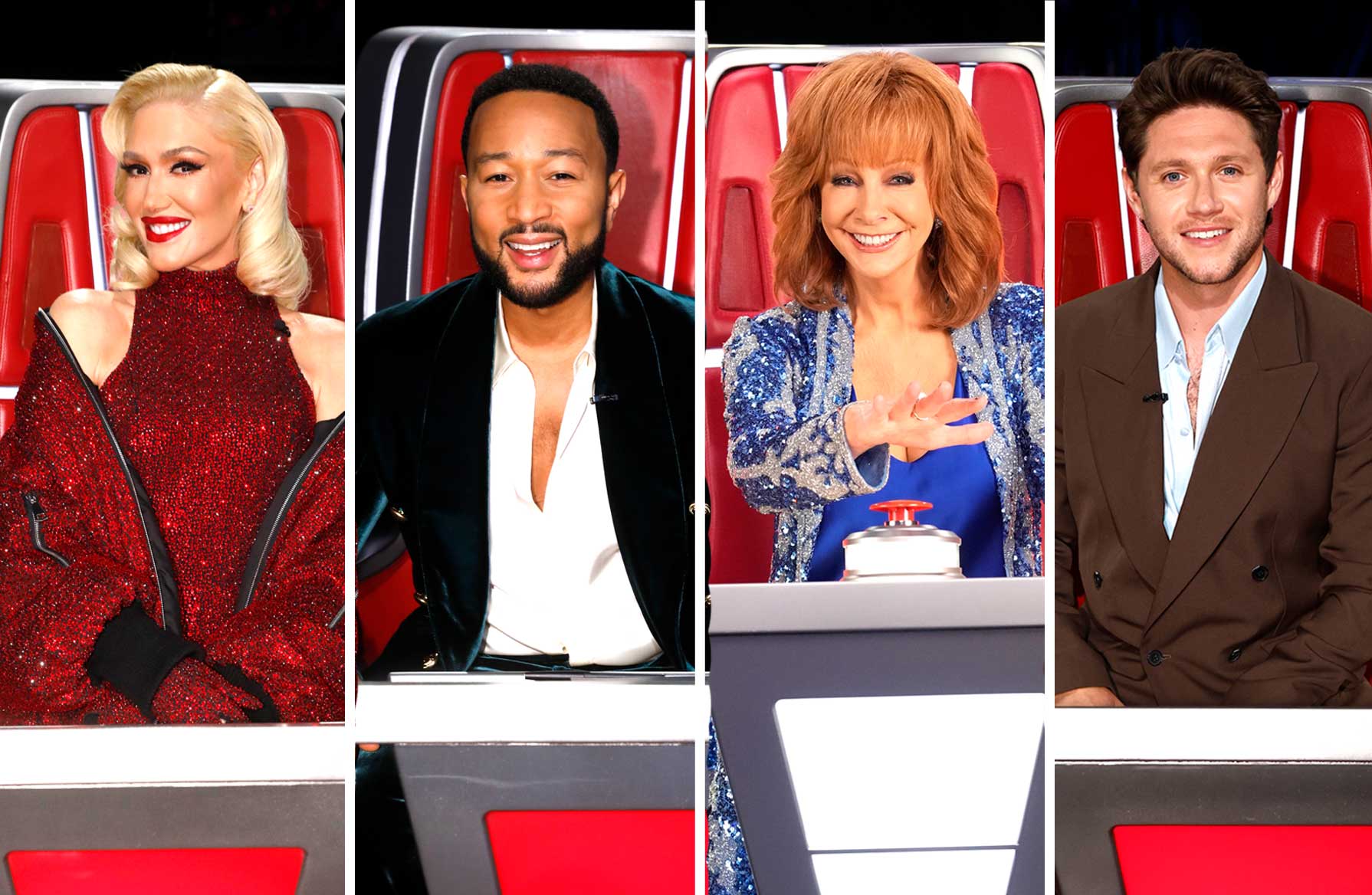
Since its debut, the judging panel of The Voice—officially known as "coaches"—has been the cornerstone of the show’s global success. Unlike traditional talent competitions, these industry titans compete against one another to mentor artists, utilizing a rotating roster of pop icons, country legends, and R&B royalty to keep the format fresh and competitive.
The evolution of the coaching panel reflects the shifting tides of the music industry. What began as a four-person experiment in 2011 has grown into a prestigious chair-turn that every aspiring artist dreams of. As of 2026, the show has seen over 20 different permanent coaches in the U.S. version alone, each bringing a distinct philosophy to the "blind audition" process. Understanding the history of these judges requires looking at their tenure, their coaching styles, and the specific genres they represent.
The Original Four: Defining the Blueprint
When The Voice premiered on NBC in 2011, the chemistry between the four original coaches—Adam Levine, Blake Shelton, Christina Aguilera, and CeeLo Green—set the standard for what the show would become. This panel was carefully curated to cover four distinct pillars of the music world: pop-rock, country, powerhouse pop, and soulful R&B/Alternative.
Adam Levine, the frontman of Maroon 5, was the quintessential pop-rock coach. Known for his competitive streak and tactical "pitches," Levine spent 16 consecutive seasons in the big red chair. His coaching style focused on vocal precision and stage presence, often clashing humorously with Blake Shelton. This rivalry became the show's primary narrative engine for nearly a decade.
Blake Shelton eventually became the face of the franchise. Staying for a record-breaking 23 seasons, Shelton was the "King of The Voice." His strategy was rooted in loyalty and the massive reach of the country music fanbase. Shelton’s ability to connect with "everyman" singers and his mastery of the "steal" made him the winningest coach in the show's history until his departure.
Christina Aguilera provided the technical backbone of the early seasons. As one of the greatest vocalists of her generation, her coaching focused on "the voice" in its purest form—runs, range, and breath control. CeeLo Green brought a flamboyant, artistic eccentricity, encouraging his team members to embrace their uniqueness and theatricality. Together, these four established the "coach-mentor" dynamic that replaced the "judge-critic" model of earlier reality shows.
The Era of the Stalwarts: Legend, Clarkson, and Stefani
As the original coaches began to cycle out to focus on their music careers, a new group of "long-term" coaches emerged. These individuals didn't just fill seats; they redefined the coaching archetypes for a new generation of viewers.
Kelly Clarkson: The Competition Queen
Joining in Season 14, Kelly Clarkson brought something no other coach had: first-hand experience winning a singing competition. As the original American Idol, Clarkson understood the psychological pressure the contestants faced. Her coaching style is high-energy, empathetic, and extremely technical. She is famous for her "gift" bags and her ability to talk faster than any other coach to secure a recruit.
John Legend: The EGOT Perspective
John Legend joined the panel in Season 16, bringing a level of prestige rarely seen on reality television. As an EGOT (Emmy, Grammy, Oscar, Tony) winner, Legend’s pitch to contestants usually involves his deep knowledge of arrangement and soulful storytelling. He often attracts the most technically gifted vocalists and jazz-influenced artists, offering a sophisticated "finishing school" approach to coaching.
Gwen Stefani: The Stylist and Performer
Gwen Stefani has transitioned from a recurring guest to a staple coach over several seasons. Her focus is uniquely centered on "the package." While she respects vocal ability, Stefani prioritizes stage presence, fashion, and the "cool factor." Her teams often feature the most visually distinct performers, and her coaching sessions frequently delve into how to own a stage and build a brand beyond just the song.
The Evolution of Diversity: R&B, Hip-Hop, and Beyond
To maintain relevance, the show has consistently integrated coaches who represent the vanguard of different musical movements. This expansion ensured that the show could attract a wider variety of contestants, from rappers to indie-folk singers.
- Pharrell Williams: Bringing a producer’s ear, Pharrell focused on the "vibe" and the spiritual connection to music. He was less concerned with perfect notes and more interested in an artist’s "frequency."
- Alicia Keys: Known for her "soul sessions," Keys brought a spiritual and empowering energy to the show. She often coached from the piano, emphasizing raw emotion and authenticity.
- Miley Cyrus: Cyrus introduced a younger, rock-and-roll edge to the panel. Her coaching was characterized by a deep knowledge of music history and a desire to help artists find their "subversive" edge.
- Usher and Shakira: These two were the first to prove the "rotating chair" model could work, filling in for the originals in Seasons 4 and 6. Usher’s focus on choreography and "star power" was particularly influential for future pop-focused coaches.
The Modern Era: 2024 to 2026
In the most recent seasons leading up to 2026, the show has embraced a "multi-generational" approach. This era is defined by the passing of the torch from Blake Shelton to Reba McEntire, the "Queen of Country." Reba’s presence ensured that the country music pipeline remained strong while bringing a legendary, maternal authority to the panel.
The 2024–2025 cycle saw the introduction of massive contemporary stars like Snoop Dogg and Michael Bublé. Snoop Dogg’s inclusion was a cultural milestone for the show, bringing hip-hop expertise and a relaxed, "Uncle Snoop" mentorship style that resonated deeply with younger contestants. Michael Bublé, meanwhile, filled the "crooner" niche, offering masterclasses in vocal phrasing and classic showmanship.
Furthermore, the introduction of the Double Chair—first occupied by the country duo Dan + Shay—changed the mechanics of the game. Having two coaches in one seat meant contestants received a dual perspective, often focusing on harmony and professional duo dynamics.
All Coaches and Tenure (U.S. Version)
The following table summarizes the primary coaches who have held the red chairs across the show's history.
| Coach Name | Debut Season | Genre Specialization | Notable Style/Attribute |
|---|---|---|---|
| Blake Shelton | Season 1 | Country | Humor, loyalty, 9-time winner. |
| Adam Levine | Season 1 | Pop-Rock | Competitive, high tenor focus. |
| Christina Aguilera | Season 1 | Pop/Vocalist | High technicality, power vocals. |
| CeeLo Green | Season 1 | R&B/Soul | Eclectic, artistic vision. |
| Usher | Season 4 | R&B/Pop | Performance, stage presence. |
| Shakira | Season 4 | Latin/Global Pop | Global perspective, unique tone. |
| Pharrell Williams | Season 7 | Production/R&B | Producer's ear, artistic "vibe." |
| Gwen Stefani | Season 7 | Pop/Rock/Ska | Styling, branding, and performance. |
| Alicia Keys | Season 11 | Soul/R&B | Empowerment and piano-led soul. |
| Miley Cyrus | Season 11 | Rock/Pop/Country | History-informed, boundary-pushing. |
| Jennifer Hudson | Season 13 | R&B/Broadway | Powerhouse coaching, shoe-throwing. |
| Kelly Clarkson | Season 14 | Pop/Country/Soul | Relatability, talkative, strategic. |
| John Legend | Season 16 | R&B/Soul/Jazz | The "EGOT" standard, technicality. |
| Nick Jonas | Season 18 | Pop | Modern pop structure, songwriting. |
| Ariana Grande | Season 21 | Pop | Vocal health, massive social reach. |
| Camila Cabello | Season 22 | Pop/Latin | Contemporary hit-making. |
| Niall Horan | Season 23 | Pop/Folk | Storytelling, back-to-back winner. |
| Chance the Rapper | Season 23 | Hip-Hop/Indie | Independent spirit, unique arrangements. |
| Reba McEntire | Season 24 | Country | Legend status, heritage country. |
| Dan + Shay | Season 25 | Country-Pop | Harmony focus, double-chair dynamic. |
| Snoop Dogg | Season 26 | Hip-Hop | Cultural icon, relaxed mentorship. |
| Michael Bublé | Season 26 | Jazz/Classic Pop | Vocal phrasing and showmanship. |
Analyzing Coaching Styles: Which Coach is Best?
When explaining the judges, it is essential to distinguish between their "TV personality" and their actual "coaching utility." An artist's choice of coach often determines their longevity in the competition.
The Technical Coaches
Coaches like John Legend, Christina Aguilera, and Kelly Clarkson are the "vocal teachers." They focus on the mechanics of singing. If an artist has a massive range but lacks control, these are the coaches who provide the most value. They often use technical jargon—discussing chest voice versus head voice, or specific musical scales—to help their artists refine their craft.
The Visionary Coaches
Pharrell Williams, Chance the Rapper, and Snoop Dogg fall into this category. They are less concerned with a missed note and more concerned with the arrangement. They often rearrange famous songs into completely new genres (e.g., turning a rock song into a jazz-funk track). For artists who want to be "original" or "indie," these coaches are the most sought-after.
The Industry Navigators
Blake Shelton, Reba McEntire, and Niall Horan understand the "business" of music. They focus on song choice—the most critical element of the show—and how to appeal to the voting public. Niall Horan, in particular, proved to be a master strategist in his early seasons, leading his artists to victory by choosing songs that hit a nostalgic or emotional chord with the audience.
The Role of the Mega-Mentor and Advisors
While not "judges" in the sense of sitting in the red chairs every week, the show’s ecosystem includes Advisors (for the Battle Rounds) and Mega-Mentors (for the Knockouts). These roles have been filled by even larger stars, such as Taylor Swift, Rihanna, Ed Sheeran, and Garth Brooks.
These figures provide a secondary layer of explanation for the contestants. While the primary coach manages the team's long-term trajectory, the mentors provide a "fresh set of ears." This helps the judges see flaws they might have become blind to during weeks of rehearsals.
Frequently Asked Questions
Which coach has the most wins on The Voice?
Historically, Blake Shelton holds the record with nine wins over 23 seasons. However, his "win rate" was eventually challenged by Kelly Clarkson and Niall Horan, the latter of whom won back-to-back seasons in his first two years. By 2026, the leaderboard has become more balanced as newer coaches develop more aggressive strategies to counter the country music voting block.
Why do the judges change so frequently?
The "revolving door" policy is intentional. It allows the show to stay current with music trends and accommodates the busy touring and recording schedules of the coaches. This rotation also prevents the "Levine vs. Shelton" dynamic from becoming stale, as new personalities introduce different chemistry and conflicts.
How much do the coaches get paid?
While official figures are rarely disclosed, industry reports suggest that top-tier coaches like Ariana Grande, Kelly Clarkson, and Blake Shelton commanded between $13 million and $25 million per season. Compensation is typically based on the coach's current market value and their "draw" for younger demographics.
Do the judges actually spend time with the contestants?
Yes, though the time is structured. Coaches spend several hours each week in rehearsals with their teams during the filming cycles. Additionally, many coaches—most notably Blake Shelton, Kelly Clarkson, and John Legend—have been known to help their contestants long after the cameras stop rolling, offering them opening slots on tours or helping them secure record deals.
Who is the most "technical" judge?
Most contestants and critics point to John Legend or Christina Aguilera. Legend’s background in classical piano and choral arrangement, combined with Aguilera’s unparalleled understanding of vocal gymnastics, makes them the most technically demanding coaches in the show's history.
Final Recommendation for Viewers and Artists
For fans of The Voice, the judges are the primary reason to watch. Their banter and expertise provide an "insider" look at the music industry. For aspiring artists looking to audition, the best coach is not necessarily the one with the most Grammys, but the one whose genre aligns with your long-term goals. If you are a country artist, a "chair turn" from Reba McEntire is gold; if you are an R&B stylist, John Legend or Snoop Dogg offers the best path to success. The most successful contestants are those who choose a coach that can challenge their weaknesses rather than just praise their strengths.