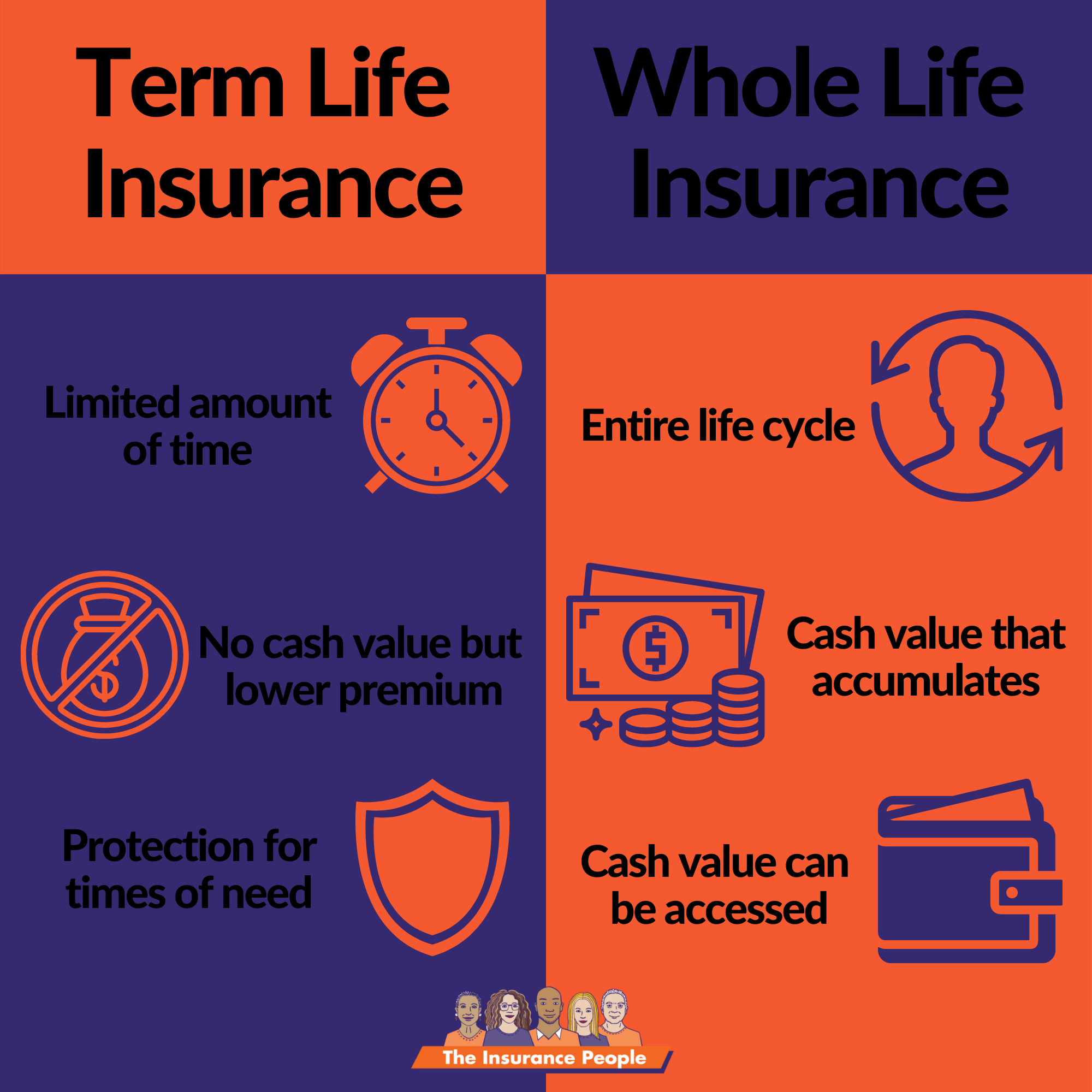
While term life insurance is conceptually simple—providing a death benefit for a specific period—all plans are not the same. Variations in policy riders, underwriting requirements, conversion options, and the financial stability of the issuing company create significant differences in value and utility. Understanding these distinctions is essential for selecting a policy that aligns with your long-term financial obligations and individual risk profile.
The Core Structure of Term Life Insurance
At its most fundamental level, term life insurance is a contract between the policyholder and the insurer. You pay a premium for a set number of years, and if you pass away during that term, the insurance company pays a tax-free death benefit to your designated beneficiaries. Unlike permanent life insurance, which includes a cash-value savings component, term insurance focuses exclusively on death protection.
However, even this simple structure masks a variety of operational differences. The market features "level term" policies, where premiums remain static, and "annual renewable term" policies, where premiums increase every year as you age. Furthermore, policies are governed by different sets of contractual language regarding grace periods, suicide clauses, and incontestability provisions. Because the primary function is protection, the secondary features—those that define how the policy behaves under pressure—are what truly separate one plan from another.
Underwriting: The Gateway to Coverage
The most significant factor that distinguishes one term life insurance plan from another is the underwriting process. Underwriting is the method insurers use to assess the risk of covering an individual.
Fully Underwritten Policies
Traditional or "fully underwritten" policies require a deep dive into your medical history. This often involves a paramedical exam, which includes blood and urine samples, as well as a review of your attending physician’s statements. While this process is more time-consuming, it generally results in the lowest premiums for healthy individuals because the insurer has a precise understanding of your risk profile.
Simplified and Guaranteed Issue
Conversely, simplified issue or "no-exam" policies prioritize speed and convenience. By asking a series of health-related questions rather than requiring medical tests, these insurers accept a higher degree of uncertainty, which is reflected in higher premiums. Guaranteed issue policies are at the extreme end of this spectrum; they require no medical questions or exams, but they usually carry higher costs and "graded" death benefits, meaning the full face amount may not be paid out if you die within the first few years of the policy.
Contractual Flexibility: Riders and Options
Once the base policy is established, its utility is determined by the "riders"—optional provisions that allow you to customize the contract. Not all insurance carriers offer the same set of riders, and those that do may define them differently.
Common Riders to Evaluate
- Conversion Privilege: This is perhaps the most critical feature. It allows you to convert your term policy into a permanent life insurance policy (such as whole or universal life) without undergoing a new medical exam. The quality of this provision varies; some plans allow conversion to a wide range of permanent products, while others limit your options to specific, higher-cost plans.
- Waiver of Premium: This rider stipulates that if you become disabled and are unable to work for a specified period, the insurance company will cover your premium payments so the policy does not lapse.
- Accelerated Death Benefit: This allows the insured to access a portion of the death benefit early if they are diagnosed with a terminal illness. This is vital for managing end-of-life expenses or debt obligations while the insured is still living.
- Child Protection Riders: These provide a small amount of term coverage for children, which can be converted to larger policies later in life regardless of the child's future health status.
Financial Strength and Carrier Reliability
A life insurance policy is a promise to pay a benefit that might be decades away. Therefore, the "sameness" of a policy is challenged by the solvency and reputation of the insurance carrier. In 2026, the financial landscape for insurers remains subject to market volatility, interest rate changes, and regulatory shifts.
When evaluating if two policies are the same, you must look at the carrier’s financial strength ratings from agencies like A.M. Best, Moody’s, or Standard & Poor’s. An insurance company with a superior financial rating is more likely to meet its obligations in the long term. A policy from a company with a shaky balance sheet might be cheaper, but it introduces a higher risk regarding the reliability of the claim payout.
Comparative Overview of Term Insurance Factors
| Feature | Level Term Policy | Annual Renewable Term | No-Exam Policy |
|---|---|---|---|
| Premium Stability | Fixed for the duration | Increases annually | Fixed or variable |
| Medical Requirement | Usually required | Usually required | Minimal to none |
| Underwriting Speed | 4 to 8 weeks | 2 to 4 weeks | 24 to 72 hours |
| Long-term Cost | Generally lower | Can be very high over time | Higher for the same face value |
| Best For | Long-term debt protection | Short-term temporary needs | Rapid need for coverage |
Common Mistakes When Comparing Plans
Many consumers fall into the trap of choosing the "cheapest" premium without examining the fine print. This is the most common mistake in the term life market.
- Ignoring the Conversion Window: Many policyholders assume they can convert their policy at any time. In reality, most policies have a specific deadline—often before age 65 or 70—after which the conversion privilege expires.
- Overlooking Policy Exclusions: Every policy contains a suicide clause, typically lasting two years. However, other exclusions regarding high-risk hobbies (such as skydiving or scuba diving) or international travel can vary significantly between carriers.
- Assuming All "Terms" Last the Same Length: While 10, 20, and 30-year terms are standard, some insurers offer unique term lengths, such as 15 or 25 years. Matching the term length precisely to your largest debt (like a mortgage) is more important than finding the lowest price for a term that doesn't fit your timeline.
Addressing Terminal and Critical Needs
In the current insurance market, there is an increasing focus on "living benefits." Some term policies are designed to act almost like a hybrid between death protection and long-term care insurance. These plans include riders that cover critical illnesses—such as cancer, stroke, or heart attack—providing a payout upon diagnosis. If you prioritize protection against the high costs associated with surviving a major medical event, you should seek out carriers that specialize in these comprehensive living benefit riders, as not all term plans provide them.
Legal and Jurisdictional Considerations
Term life insurance is regulated at the state level in the United States. While the general mechanics of the contract are consistent, state insurance departments may enforce different regulations regarding consumer protections, policy replacement, and the handling of unclaimed property. When you purchase a policy, you are entering a contract regulated by the laws of your state of residence. Before signing, ensure the insurer is licensed to do business in your state, as this provides a layer of protection through the State Guaranty Association, which steps in to cover benefits should an insurer become insolvent.
FAQ: Understanding Term Life Nuances
Is it better to have one large policy or multiple smaller ones?
This depends on your goals. One large policy is usually simpler to manage. However, "laddering"—buying multiple smaller policies with different expiration dates—can be more cost-effective as it allows you to drop coverage as your financial obligations (like mortgage or tuition) decrease over time.
Can I change my term length after buying the policy?
Generally, no. Once a policy is issued, the term length is locked in. If you find you need more time, you would typically need to apply for a new policy, which requires new underwriting based on your health at that time.
What happens if I outlive my term policy?
If you outlive your term, the coverage expires. You have three main options: renew the policy at a significantly higher age-based premium, convert the policy to a permanent plan if allowed by your contract, or let the policy lapse.
Are premiums for term life insurance tax-deductible?
For most individuals, term life insurance premiums are paid with after-tax dollars and are not tax-deductible. If you are a business owner, specific tax rules may apply if the policy is used for key-person insurance or business succession planning.
Why would a no-exam policy cost more?
Insurance companies rely on medical data to price risk accurately. When that data is withheld (no exam), the insurer assumes a higher statistical risk of insuring someone with underlying health issues. They price the policy higher to compensate for this "unknown" risk.
Next Actions for Prospective Buyers
To determine which term life insurance plan is right for you, start by calculating your specific coverage needs. Sum up your outstanding debts, projected education costs for children, and the income replacement your family would require. Once you have a target death benefit and a timeline, follow these steps:
- Assess Your Health: If you are in excellent health, prioritize fully underwritten policies to secure the best rates.
- Review Conversion Rights: Verify the fine print regarding the conversion privilege, ensuring it provides a path to permanent coverage that you might need later.
- Check Solvency: Use the financial strength ratings of at least two agencies to confirm the carrier’s reliability.
- Consult a Professional: If your financial situation involves complex estate planning or business ownership, consult with a licensed financial advisor or insurance professional to navigate the regulatory and tax implications of your policy choice.
Choosing a term life insurance plan is an exercise in balancing cost against the certainty of your family's future. By looking beyond the sticker price and examining the underlying contract, you ensure that the safety net you purchase today will be there when it is needed most.