Not all VA loans are automatically assumable, though the majority of them are. While the Department of Veterans Affairs (VA) guidelines allow for the assumption of a VA-backed mortgage, the process is not an automatic right. It requires the approval of the lender or the VA, involves specific eligibility criteria for the person taking over the loan, and requires the original borrower to navigate potential risks regarding their entitlement.
The Mechanics of a VA Loan Assumption
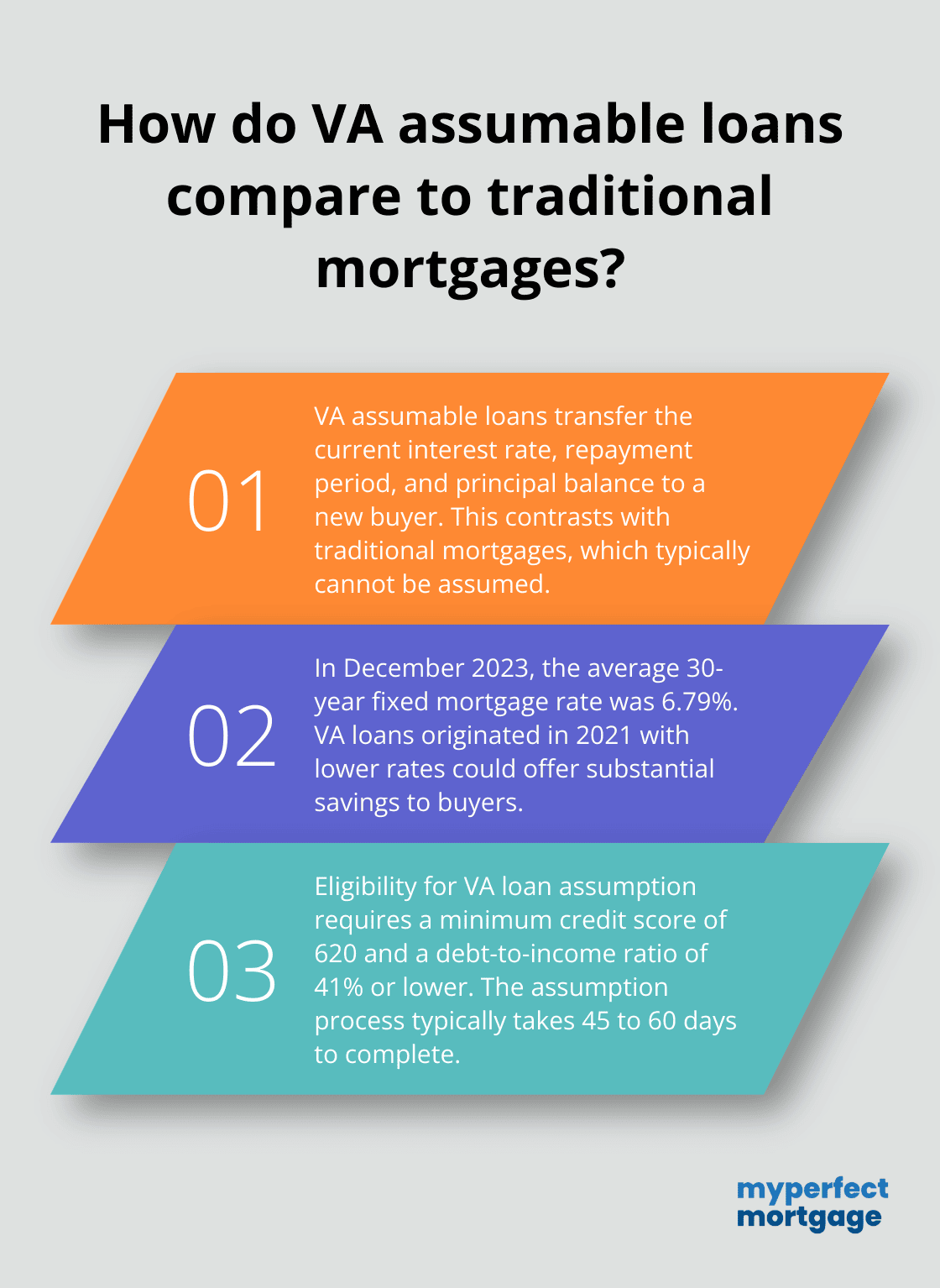
A VA loan assumption is a process where a new borrower takes over the existing mortgage of the current homeowner. Unlike a traditional home sale where the original loan is paid off and a new one is originated, an assumption allows the new owner to step into the shoes of the seller, effectively inheriting the original interest rate, loan terms, and remaining principal balance.
This feature is particularly valuable in a high-interest-rate environment, such as the market seen in 2026. If a veteran secured a mortgage when interest rates were significantly lower than current market levels, the ability to transfer that loan to a buyer creates a substantial competitive advantage. However, because the loan is "assumable," it does not mean it is "transferable" at the sole discretion of the parties involved; it is a formal legal procedure that must be approved by the mortgage servicer.
Identifying Which Loans Are Eligible
The term "assumable" is often misunderstood as a blanket rule. According to the Code of Federal Regulations and official VA guidance, any VA loan closed on or after March 1, 1988, is subject to the assumption requirements set by the VA.
Loans closed prior to this date may be "freely assumable," meaning they do not require VA or lender approval. However, since loans originated before 1988 are largely paid off or refinanced by 2026, the vast majority of VA loans in the market today are subject to the following rules:
- Lender Consent: The loan servicer must review and approve the creditworthiness of the person assuming the loan.
- Liability Release: The original veteran must seek a release of liability from the VA to ensure they are no longer responsible if the new borrower defaults.
- Entitlement Implications: If the new buyer is not a veteran with their own available VA entitlement, the original veteran’s entitlement remains tied to the property, which can limit their ability to use their VA benefit for a future home purchase.
The Role of the Mortgage Servicer
Even though the VA sets the overarching rules, the mortgage servicer (the company you send your monthly payment to) holds significant power in the process. The servicer is responsible for processing the assumption application. They will perform a credit check on the person assuming the loan, verify their income, and assess their ability to make the payments.
Many lenders are inherently resistant to assumptions. Because an assumption does not generate the same level of fees or interest profit as a brand-new mortgage, some servicers may place bureaucratic hurdles in the way of the process. While they cannot flatly deny a request if the buyer meets all federal requirements, they can be slow to respond or strict in their documentation requirements.
Key Differences Between Assumptions and New Loans
When deciding whether an assumption is the right path, it is important to distinguish between how an assumption functions compared to a standard home purchase.
| Feature | VA Loan Assumption | Standard New Mortgage |
|---|---|---|
| Interest Rate | Keeps the seller's original rate | Market rate at time of closing |
| Down Payment | Required to cover the equity gap | Based on loan type (e.g., 0% for VA) |
| Closing Costs | Generally lower (no origination fee) | Standard closing costs and points |
| Credit Review | Required by the servicer | Required by the lender |
| Time to Close | Often slower (3–6 months) | Usually faster (30–45 days) |
The "Equity Gap" Challenge
One of the most common misconceptions about assuming a VA loan is that it allows the buyer to avoid a down payment entirely. While the assumption itself does not require a down payment, the equity gap often does.
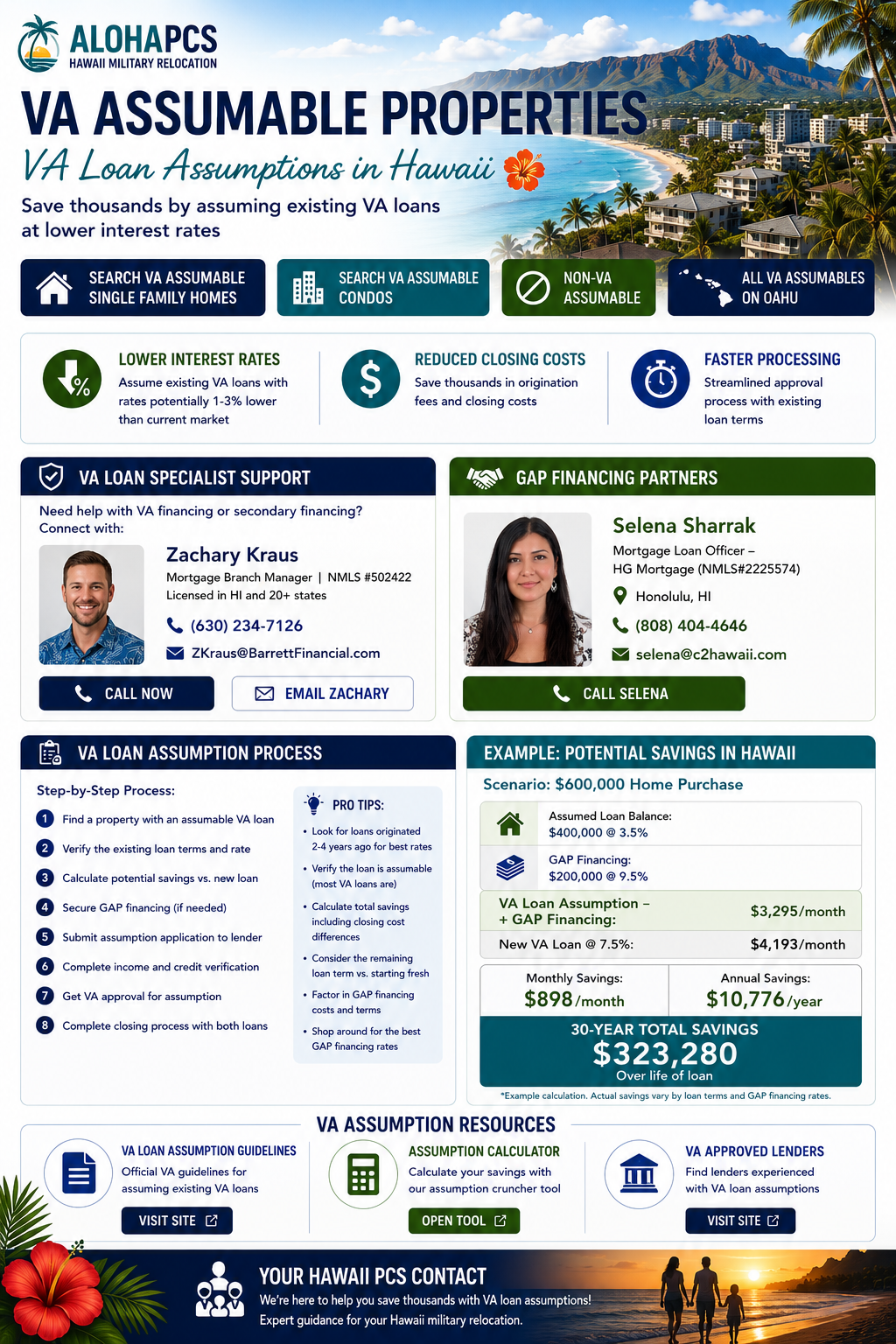
If a veteran bought a home for $400,000 and has paid it down to $350,000, but the home is now worth $500,000, there is a $150,000 difference. The person assuming the loan must pay that $150,000 to the seller in cash. If the buyer does not have these funds, they would need to take out a second mortgage, which is often difficult to secure. This makes assumptions most practical in scenarios where the seller has little equity or the buyer has substantial cash reserves.
Risks for the Veteran Seller
The most critical aspect of an assumption for a veteran seller is the protection of their entitlement. If a non-veteran assumes the loan, the original veteran’s "Certificate of Entitlement" remains tied to that property. This means that if the veteran wants to buy a new home, they may not have enough entitlement remaining to qualify for another zero-down VA loan.
To avoid this, the veteran must ensure that the person assuming the loan is a veteran who is willing to "substitute" their own entitlement for the original veteran’s entitlement. By providing their own Certificate of Eligibility (COE) to the VA during the assumption process, the new buyer essentially takes over the guarantee, which fully restores the original veteran’s ability to use their VA loan benefit for a future purchase.
Requirements for the Person Assuming the Loan
Not everyone can walk into a VA loan assumption. The person taking over the loan must meet specific standards to be approved by the servicer and the VA:
- Creditworthiness: The servicer will run a credit report. A poor credit score is grounds for denial.
- Income Verification: The candidate must prove they earn enough to comfortably make the monthly payments.
- Occupancy Requirement: The property must be the primary residence of the person assuming the loan. The VA does not permit the assumption of a loan for investment property purposes.
- Fees: While there are no VA funding fees for an assumption, the servicer will charge an administrative fee to process the paperwork.
Step-by-Step Procedure for a Successful Assumption
If you are a veteran looking to allow an assumption, or a buyer looking to take one over, follow this structured process:
- Contact the Servicer: Start by calling the department of your mortgage servicer that handles "loan assumptions" or "loss mitigation." Ask for their specific application packet.
- Request a Release of Liability: Do not proceed without getting a formal release from the VA. This document confirms that the veteran is no longer financially responsible for the loan.
- Submit Documentation: Both parties will need to provide extensive financial data, including tax returns, pay stubs, and proof of funds for the equity gap.
- Wait for Underwriting: The servicer will underwrite the loan as if they were approving a new mortgage.
- Closing: Once approved, the closing is handled by a title company or attorney. Ensure the VA Form 26-6381 (Substitution of Entitlement) is completed if the buyer is also a veteran.
FAQ: Common Questions Regarding VA Loan Assumptions
Q: Can I assume a VA loan if I am not a veteran? A: Yes. Non-veterans can assume a VA loan. However, the original veteran will lose the use of that entitlement until the loan is paid off or refinanced, and they cannot "substitute" the entitlement.
Q: Does assuming a VA loan cost less than getting a new mortgage? A: In many cases, yes. Because you avoid the VA funding fee (which can range from 1.25% to 3.3% of the loan amount), the closing costs for an assumption are typically significantly lower.
Q: Is the interest rate always lower on an assumed loan? A: Not necessarily. In 2026, if the original loan was taken out during a period of historically high rates, assuming that loan would be a disadvantage. The primary benefit of an assumption is transferring a low-interest-rate note.
Q: What happens if the servicer denies the assumption? A: If the servicer denies the assumption based on the buyer's creditworthiness, there is very little recourse. The lender has the right to ensure the borrower is capable of repaying the debt. If the denial is based on procedural errors, you may file a complaint with the VA.
Q: Can I assume a VA loan that is in default? A: Generally, no. Most servicers require that the loan be current at the time of the application for assumption. If the loan is in foreclosure or deep delinquency, the servicer will prioritize recovery efforts over an assumption.
Final Recommendation
Before proceeding with an assumption, you should obtain a full payoff statement from the lender and confirm the exact balance. If you are the seller, prioritize obtaining the formal "Release of Liability" to protect your financial future. If you are the buyer, ensure you have the necessary cash to cover the equity gap, as standard mortgage lending rules apply to that portion of the transaction. Always treat the assumption as a formal real estate transaction, utilizing a title company to ensure the transfer of deed and the release of liability are recorded correctly in the public record.