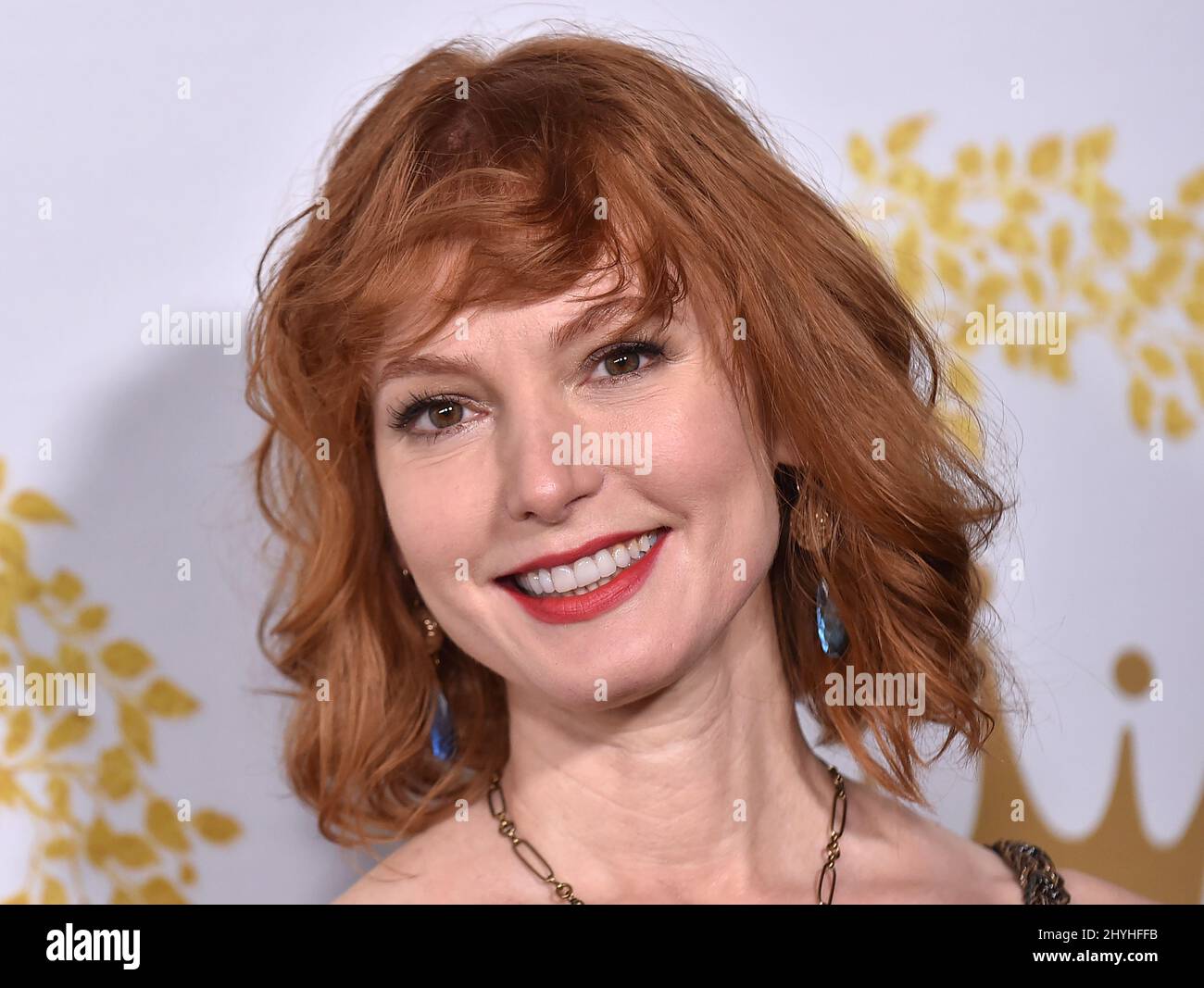
Alicia Witt is a prolific American actress, musician, and pianist whose career spans over four decades. Beginning as a child star, she transitioned into a versatile performer known for her work in auteur cinema, television dramas, and independent features. Her filmography is characterized by a mix of psychological thrillers, dark comedies, and mainstream commercial projects that highlight her range and longevity in the industry.
Early Beginnings and Breakout Roles
Alicia Witt’s entry into the entertainment industry was marked by an early collaboration with director David Lynch. Discovered by Lynch while she was a young girl with a penchant for Shakespearean recitation, Witt made her feature film debut in Dune (1984) as Alia Atreides. This role, while unconventional for a child actor, provided her with a foundational understanding of the complexities of professional film production under a highly stylized director.
Following her work with Lynch, Witt returned to education before re-emerging in the early 1990s as a young adult performer. Her early roles were instrumental in establishing her reputation as a serious actress. Her performance in Bodies, Rest & Motion (1993) and her recurring role in the television series Cybill—which, while not a film, significantly bolstered her industry standing—paved the way for her later transition into varied film roles throughout the late 1990s and 2000s.
Exploring Psychological Thrillers and Horror
Witt is frequently associated with the thriller and horror genres, a space where her intense, nuanced acting style thrives. Her participation in these films often involves characters caught in high-stakes, psychologically taxing environments.
One of her most notable contributions to the slasher sub-genre is Urban Legend (1998). As the protagonist, Natalie Simon, Witt carried the film’s narrative weight, blending classic “final girl” tropes with a grounded performance that helped define the late-nineties horror revival. This project showcased her ability to anchor a wide-release commercial film, demonstrating her viability as a lead actress in suspense-driven scripts.
Beyond the slasher genre, Witt has taken on more independent, psychological fare. Her work in 88 Minutes (2007) and Cecil B. Demented (2000)—the latter reuniting her with a provocative creative landscape, this time under the direction of John Waters—highlights her willingness to engage with transgressive material. These roles demonstrate a deliberate career strategy of alternating between accessible mainstream projects and challenging, experimental work that pushes the boundaries of traditional performance.
Dramatic Range in Independent and Mainstream Cinema
While known for thriller work, Witt’s filmography is bolstered by her contributions to drama and character-driven pieces. Her role in Mr. Holland's Opus (1995) remains one of her most enduring mainstream performances, where she portrayed a gifted student, showcasing her personal musical background.
The 2000s and 2010s saw Witt lean heavily into ensemble dramas and indie features. Her performance in The Upside of Anger (2005) stands out as a display of her ensemble capabilities, where she played one of the four daughters of Joan Allen’s character. This film highlighted her ability to contribute to the emotional architecture of a story without requiring the central spotlight. Her career has consistently favored projects that prioritize script quality and collaborative director relationships, often leading her to accept smaller roles in high-quality independent productions over larger, less compelling parts in major studio films.
Musical Integration in Performance
A defining aspect of Alicia Witt’s career is the integration of her professional musical training into her acting roles. A classically trained pianist and singer-songwriter, Witt has frequently played characters who share her musical aptitude. This is not merely a background detail; it is a recurring motif that provides depth to her characterizations.
Whether in Mr. Holland's Opus or her extensive television work—including various holiday-themed projects that heavily feature musical performances—Witt utilizes her craft to elevate the narrative. By performing her own music or showcasing genuine instrumental ability, she adds a layer of authenticity to her roles that distinguishes her from actors who rely solely on scripted performance.
Filmography Categorization
To understand the trajectory of Witt's film career, it is helpful to categorize her work based on the primary intent and tone of the production. While there is significant crossover, her projects generally fall into the following classifications.
| Film Category | Characteristics | Key Examples |
|---|---|---|
| Psychological Thriller | Suspense, high tension, character-driven peril | Urban Legend, 88 Minutes |
| Ensemble Drama | Character focus, multi-generational narratives | The Upside of Anger, Mr. Holland's Opus |
| Cult/Auteur Cinema | Stylized directing, unconventional narratives | Dune, Cecil B. Demented |
| Independent Features | Limited budget, focus on dialogue and nuance | Fun, I Do & They Don't |
Common Themes in Her Career Choices
A consistent theme in Alicia Witt’s filmography is the "outsider" or "intellectual" archetype. Whether playing a student, a journalist, or a musician, her characters often possess a heightened level of awareness or sensitivity that separates them from the supporting cast. This choice of roles suggests a preference for narratives that require the audience to empathize with a protagonist who is either misunderstood or grappling with significant internal conflict.
Furthermore, Witt has maintained a career that ignores the strict divide between television and film. While this overview focuses on her film career, her work in made-for-television movies—particularly since 2010—has become a dominant segment of her resume. Critics often note that she brings a level of dramatic commitment to these projects that exceeds the standard requirements of the format.
Frequently Asked Questions
1. Was Alicia Witt really in David Lynch’s Dune? Yes. Alicia Witt played the character Alia Atreides in the 1984 film Dune. It was her first major motion picture credit, and it established a professional relationship with director David Lynch that would influence her early career path and perspective on filmmaking.
2. Is Alicia Witt a musician in real life? Yes. Witt is a classically trained pianist and a singer-songwriter. She has released multiple albums and frequently integrates her musical performances into both her film and television projects, which distinguishes her work from many of her contemporaries.
3. What genre is Alicia Witt most known for in cinema? Witt is widely recognized for her roles in psychological thrillers and horror films, most notably Urban Legend. However, she has an extensive background in drama, often choosing independent films that allow for complex character development over mass-market action roles.
4. Does Alicia Witt still act in 2026? Yes. As of 2026, Alicia Witt remains an active performer. Her career continues to involve a mix of feature-length film projects, television series, and independent productions. She balances her acting work with her continued pursuits in music and songwriting.
5. How did Witt’s early start in child acting affect her career? Starting at a young age provided Witt with a professional foundation and early exposure to auteur-driven cinema. Unlike many child stars who struggle to transition, Witt successfully pivoted into adult roles by stepping back from the industry to focus on her education before returning as a young adult, which allowed her to curate a more mature and varied filmography.
Practical Recommendations for Viewers
If you are looking to explore Alicia Witt’s filmography, it is recommended to categorize your viewing by genre to best appreciate her range. Start with her work in Mr. Holland's Opus if you prefer character-driven drama that highlights her musical ability. If you are interested in the suspense genre, Urban Legend provides a quintessential look at her capabilities as a lead in a thriller setting. For those interested in her development as an actress, watching Dune (1984) alongside a more recent independent film will provide a clear perspective on how her approach to screen presence has evolved over the past forty-plus years. By focusing on these distinct entry points, viewers can gain a comprehensive understanding of her contributions to the cinematic landscape.