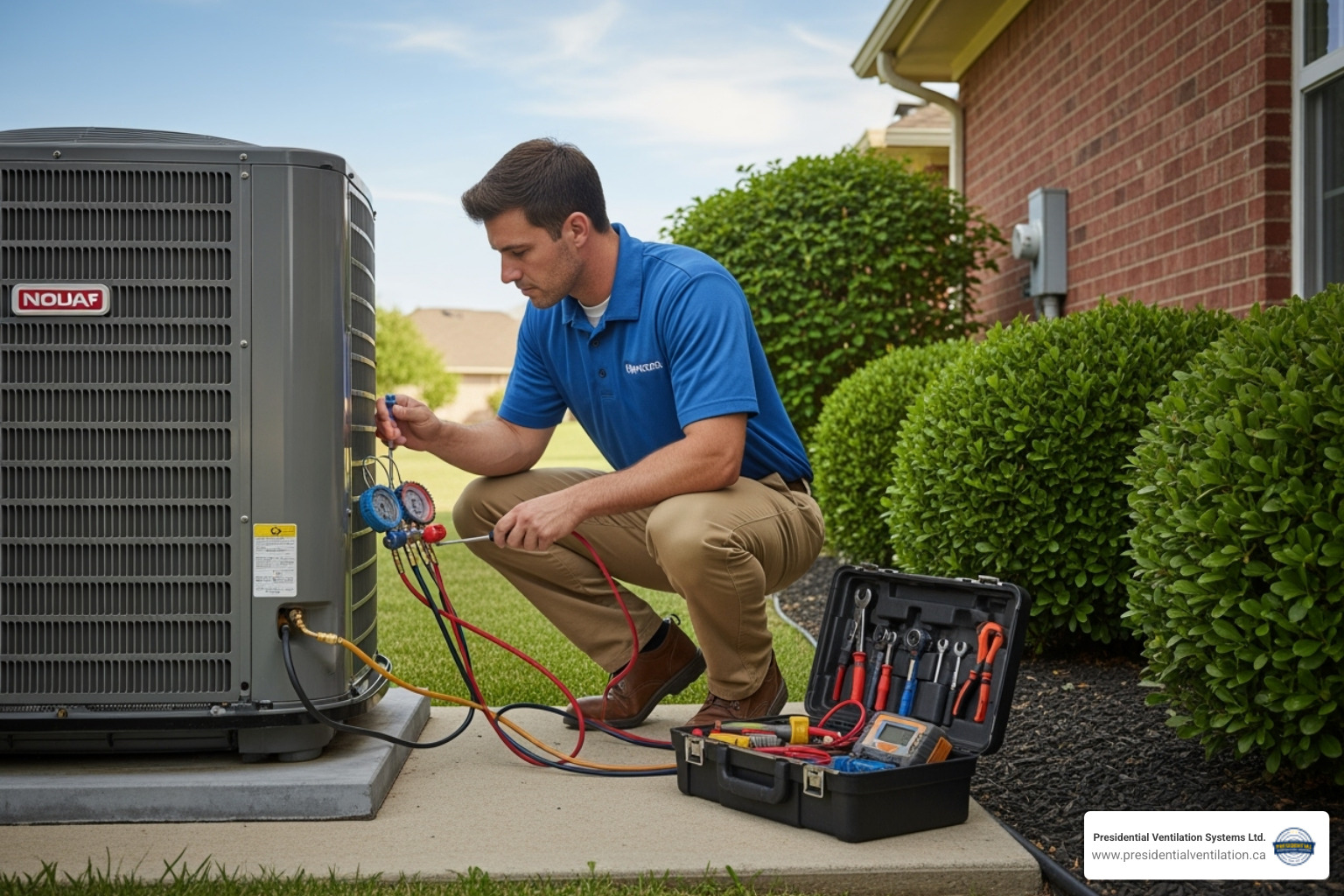
Mesa homeowners face extreme desert heat that places heavy demands on cooling systems, making routine air conditioner service essential for efficiency, reliability, and indoor comfort.
Maintaining a reliable air conditioning system in Mesa, Arizona, is not merely a matter of comfort; it is a vital home maintenance requirement. With summer temperatures frequently soaring well above 100 degrees Fahrenheit, local HVAC systems run continuously for months at a time. This relentless operational stress makes regular professional air conditioner service in Mesa indispensable. Whether you are dealing with a sudden cooling failure in the middle of July, looking to lower your monthly electric bills, or trying to extend the lifespan of an aging unit, understanding what professional AC service entails, how to choose a qualified contractor, and what maintenance tasks you can handle yourself will protect your home investment.
Understanding the Mesa Climate and Your Air Conditioner
The Sonoran Desert environment presents unique operational challenges for residential cooling equipment. High ambient temperatures, low humidity, intense solar radiation, and fine airborne dust combine to create an unforgiving ecosystem for mechanical and electrical components.
Environmental Stressors on HVAC Equipment
In Mesa, air conditioners often operate for eight to nine months out of the year, transitioning from heavy summer cooling to mild winter heating and back again. This extended run-time accelerates mechanical wear and tear. Compressor motors, capacitors, and fan bearings endure constant thermal and mechanical stress. Furthermore, the desert environment features loose caliche soil and fine dust particles that can easily infiltrate outdoor condenser units. If neglected, this dust coats evaporator and condenser coils, creating an insulating layer that forces the system to work harder to transfer heat, thereby reducing efficiency and driving up energy consumption.
The Importance of Preventive Maintenance
Waiting for an air conditioner to break down completely before calling a technician is a costly strategy in Mesa. Preventive maintenance acts as an insurance policy against catastrophic mid-summer failures. Routine tune-ups identify worn components—such as bulging capacitors, pitted contactors, or fraying wiring—before they fail entirely. By addressing these minor issues during a scheduled service visit, homeowners can avoid emergency repair premiums, prevent premature system replacement, and ensure their equipment operates at peak manufacturer-specified efficiency.
Core Components of Professional Air Conditioner Service
A comprehensive professional service visit goes far beyond a simple visual inspection. Certified HVAC technicians follow a rigorous checklist designed to test, clean, and optimize every part of the split-system or packaged cooling unit.
1. Comprehensive Coil Cleaning
Both the indoor evaporator coil and the outdoor condenser coil play critical roles in the refrigeration cycle by absorbing and releasing heat. Over time, dust, pet dander, and outdoor debris accumulate on these surfaces. Technicians use specialized, non-acidic cleaning solutions and low-pressure water to remove buildup without bending the delicate aluminum fins, restoring optimal heat transfer efficiency.
2. Refrigerant Level Verification (Superheat and Subcooling)
An air conditioner does not consume refrigerant; it circulates a closed loop of chemical coolant to move heat out of the home. Low refrigerant levels indicate a leak, which forces the compressor to run hotter and longer, eventually leading to burnout. During a service visit, technicians measure operating pressures and calculate superheat and subcooling values to ensure the charge matches factory specifications precisely.
3. Electrical and Mechanical Testing
Electrical components bear the brunt of summer heat loads. Technicians inspect wiring connections for signs of arcing or corrosion, test voltage drops, and measure the microfarad ratings of run and start capacitors. Motors are lubricated if equipped with port fittings, and blower assemblies are checked for proper balance and belt tension to prevent excessive vibration and premature bearing failure.
4. Condensate Drain Clearing
Cooling air naturally removes moisture from indoor air, which collects in a drain pan and flows outside through PVC piping. In the dusty Mesa environment, algae, mold, and dust can mix and form clogs in this line, leading to water backups that trigger safety float switches or cause expensive indoor property damage. Technicians flush and clear these lines during standard maintenance.
Seasonal Maintenance Checklist for Mesa Homeowners
While professional service is required for refrigerant handling and electrical diagnostics, homeowners can perform several critical tasks throughout the year to support their HVAC systems.
| Maintenance Task | Frequency | Purpose | DIY vs. Professional |
|---|---|---|---|
| Air Filter Replacement | Monthly (Peak Season) | Maintains airflow, indoor air quality, and system efficiency. | DIY |
| Condenser Area Clearing | Bi-Weekly | Ensures unobstructed airflow around the outdoor unit (3-foot clearance). | DIY |
| Drain Line Flushing | Quarterly | Prevents algae and debris blockages in the condensate removal system. | DIY |
| Full System Tune-Up | Bi-Annually (Spring/Fall) | Comprehensive safety check, cleaning, and performance calibration. | Professional |
| Ductwork Inspection | Every 2–3 Years | Detects leaks, disconnections, or insulation damage in the duct network. | Professional |
Common Air Conditioner Problems in Mesa
Recognizing the early warning signs of air conditioner trouble can prevent minor mechanical glitches from escalating into major system failures.
Reduced Cooling Output or Warm Air
If your vents are blowing lukewarm air, the issue could stem from a blocked air filter, a dirty outdoor condenser coil, a failing compressor, or a refrigerant leak. Mesa homeowners should first verify that the thermostat is set correctly and check the filter before calling a professional technician for advanced diagnostics.
Strange Noises and Odors
Grinding, squealing, or screeching sounds typically indicate failing motor bearings or a slipping belt. Bounding or clicking noises can point to loose mounting hardware or electrical relay issues. Musty or burning odors often signal mold growth in the ductwork or electrical wiring insulation overheating under heavy electrical loads.
Frequent Cycling (Short Cycling)
When an air conditioner turns on and off rapidly without completing a full cooling cycle, it is known as short cycling. This inefficient operation drives up utility bills and places excessive wear on the compressor. Common causes include oversized equipment, restricted airflow from dirty filters, or a malfunctioning thermostat.
Selecting a Qualified HVAC Contractor in Mesa
Choosing the right service provider is crucial for ensuring quality workmanship, fair pricing, and long-term equipment reliability. When evaluating contractors in the Mesa area, verify the following credentials:
- Licensing and Bonding: Ensure the contractor holds a valid license with the Arizona Registrar of Contractors (ROC), which regulates commercial and residential HVAC professionals.
- Certifications: Look for technicians certified by North American Technician Excellence (NATE), indicating advanced knowledge and rigorous testing in modern HVAC systems.
- Insurance Coverage: Confirm that the company carries both general liability insurance and workers' compensation to protect your property and personnel in case of accidents.
- Transparent Pricing: Reputable companies provide clear, upfront pricing for service call fees, diagnostic charges, and written estimates before beginning any major repair work.
Frequently Asked Questions
How often should I service my air conditioner in Mesa?
Due to the intense desert climate and extended cooling season, Mesa HVAC systems require professional servicing twice a year: once in the spring before the intense summer heat arrives, and once in the fall before milder weather sets in.
Why is my air conditioner freezing up in the middle of summer?
An iced-up evaporator coil is typically caused by restricted airflow—such as a heavily clogged air filter or blocked return vents—or low refrigerant levels that drop the coil temperature below freezing, causing ambient moisture to turn to ice.
How can I lower my summer cooling bills in Mesa?
To manage high electricity bills during peak summer months, replace air filters monthly, set your thermostat to recommended efficiency levels (such as 78°F or higher while home), utilize ceiling fans, seal window and door gaps, and schedule annual tune-ups to maintain peak efficiency.
What is the average lifespan of an air conditioner in Arizona?
Because Mesa air conditioners run nearly continuously for most of the year, their operational lifespan typically ranges from 10 to 15 years, provided they receive regular preventive maintenance and prompt repairs.
Are SEER ratings important when buying a new AC in Mesa?
Yes. The Seasonal Energy Efficiency Ratio (SEER) measures cooling output relative to energy consumption. Higher SEER ratings indicate greater energy efficiency, which translates into significant electricity savings over time in high-demand climates like Arizona.
Next Actions for Homeowners
To ensure your home remains comfortable and your cooling system operates efficiently throughout the year, schedule a comprehensive seasonal tune-up with a licensed Mesa HVAC contractor today, and commit to inspecting your air filters every thirty days during peak operating months.