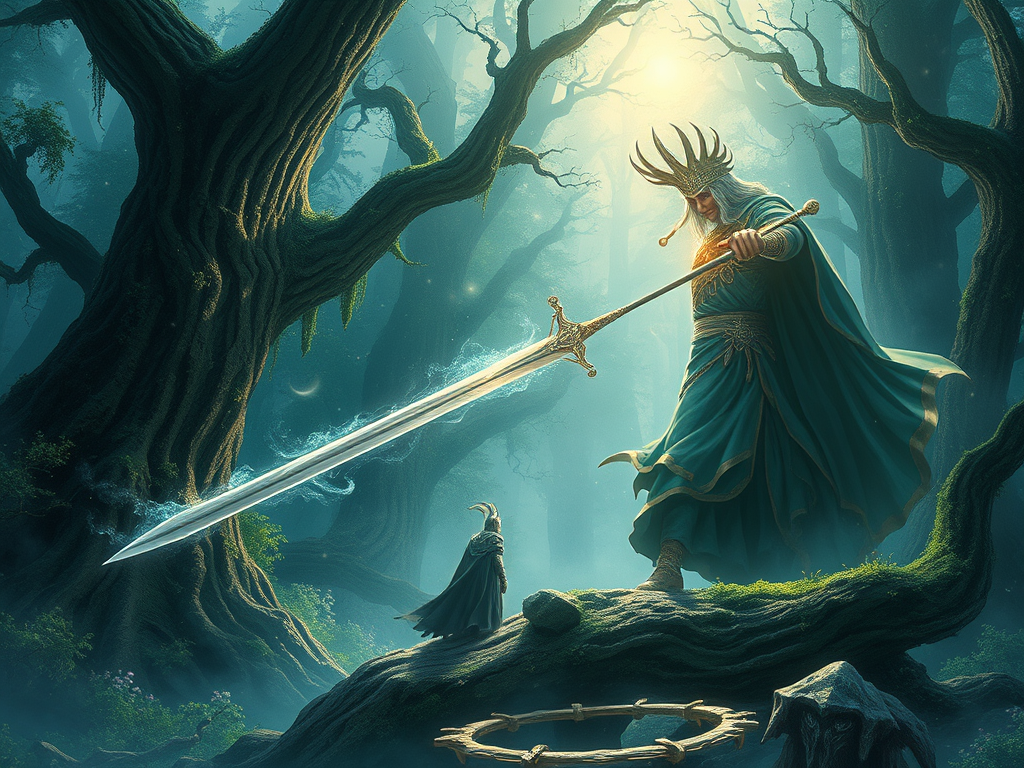
Adult fantasy in modern literature encompasses speculative fiction written for mature readers that explores complex moral ambiguity, socio-political structures, and explicit or psychologically intense themes without the content constraints traditionally placed on young adult or middle-grade publishing.
The landscape of modern literature has experienced a profound shift over the past two decades. Speculative fiction, once cordoned off into specialized genre sections or dismissed as escapist pulp, now commands center stage in contemporary publishing, bestseller lists, and critical discourse. Within this broad renaissance, adult fantasy in modern literature has carved out a massive, highly influential space.
Unlike traditional high fantasy or contemporary young adult (YA) crossover hits, adult fantasy is specifically engineered for readers seeking intricate world-building paired with sophisticated prose, uncompromising psychological realism, and mature subject matter. Understanding this domain requires looking past surface-level tropes to examine its structural evolution, key subgenres, and the market forces driving its current prominence.
The Evolution of Adult Fantasy: From Pulp Origins to Literary Prestige
To understand where adult fantasy stands today, it is necessary to examine how it separated itself from its historical roots. Mid-20th-century fantasy was heavily dominated by the mythic, archetypal structures popularized by J.R.R. Tolkien and C.S. Lewis. These works typically relied on clear binaries of good and evil, chivalric heroes, and comforting resolutions. While groundbreaking for their time, these conventions left little room for the systemic grime of real-world politics, psychological trauma, or moral relativity.
The turning point toward modern adult fantasy arrived in the late 20th century with the advent of "grimdark" and the proliferation of secondary-world settings that mirrored historical realities rather than idealized myths. Authors like George R.R. Martin and Robin Hobb demonstrated that readers craved consequences, political machinations, and characters whose motivations were driven by survival, ambition, and flawed human emotion rather than pure heroism.
In the 21st century, this trajectory accelerated. The barriers between "literary fiction" and "genre fiction" began to erode. Modern adult fantasy frequently borrows techniques from literary fiction—such as unreliable narrators, experimental structures, and deep psychological introspection—and applies them to magical or fantastical frameworks. Consequently, contemporary adult fantasy is no longer judged solely on the complexity of its magic systems, but on its thematic resonance, prose style, and ability to reflect modern anxieties.
Defining Characteristics of Modern Adult Fantasy
What separates a novel designated as adult fantasy from other categories of speculative fiction? The distinction usually rests on several interrelated structural, thematic, and stylistic pillars.
| Pillar | Description |
|---|---|
| Moral Complexity | Avoids simple good vs. evil binaries; characters operate in ethical grey areas. |
| Mature Content Integration | Incorporates violence, sexuality, grief, and trauma as organic narrative elements. |
| Sophisticated World-Buidling | Features complex socioeconomic, religious, and political systems that mirror reality. |
| Psychological Realism | Focuses on internal consequences, mental health, and the toll of extraordinary events |
Moral Ambiguity and the Death of the Pure Hero
In modern adult fantasy, protagonists are rarely paragons of virtue. Antiheroes, morally grey mercenaries, corrupt rulers, and reluctant villains drive the narrative. The central conflict often arises not from an external dark lord threatening the world, but from competing ideologies, systemic injustices, and the compromises characters must make to survive. This mirrors contemporary societal disillusionment with institutional power and absolute authorities.
Integration of Mature Themes
While young adult fiction often focuses on coming-of-age arcs, identity formation, and first love within a metaphorical framework, adult fantasy deals head-on with mature human experiences. This includes chronic trauma, systemic oppression, adult relationships, existential despair, and the physical and psychological toll of violence. Importantly, when sex or violence is present in modern adult fantasy, it is typically utilized to advance character development, explore power dynamics, or underscore the high stakes of the plot, rather than serving as superficial window dressing.
Structural and Linguistic Sophistication
Modern readers of adult fantasy expect dense, immersive prose. Authors frequently employ non-linear timelines, multiple point-of-view (POV) structures, and elaborate socio-political frameworks. Magic systems are often treated with a quasi-scientific rigor or, conversely, as mysterious, terrifying forces that demand a heavy human sacrifice from those who wield them.
Major Subgenres and Trends in Contemporary Publishing
The adult fantasy market is vast, encompassing several distinct subgenres that cater to different reader preferences. Recognizing these categories helps clarify the breadth of the field.
Grimdark and Low Fantasy
Grimdark fantasy emphasizes cynicism, violence, and gritty realism. Settings are often harsh, muddy, and morally bankrupt, drawing inspiration from the bloodiest periods of human history. Low fantasy, while distinct, shares a similar aesthetic by integrating magical elements into a recognizable, often grounded, historical or pseudo-historical setting where magic is rare, dangerous, and distrusted by society.
Epic and High Fantasy for Adults
While epic fantasy has historical roots in traditional hero's journeys, modern epic fantasy scales up the scope while retaining adult sensibilities. Series in this category often feature sprawling continents, multiple warring nations, ancient magic resurfacing to upset a delicate balance of power, and massive casts of characters whose fates intertwine across multi-volume arcs.
Mythic, Historical, and Cozy Variations
Conversely, a powerful counter-trend in modern adult fantasy is the rise of mythic retellings and "cozy" fantasy. Mythic fantasy reinterprets classical mythologies from fresh, often marginalized perspectives, examining agency and fate. Meanwhile, cozy adult fantasy offers low-stakes, comforting narratives centered on community, healing, and gentle magic, proving that adult fantasy does not exclusively mean grim or violent storytelling.
Comparing Speculative Fiction Categories
To better understand where adult fantasy sits in the broader literary ecosystem, it helps to compare its core attributes against adjacent categories.
| Feature | Adult Fantasy | Young Adult (YA) Fantasy | Literary Fiction with Magical Realism |
|---|---|---|---|
| Target Audience | Readers 18+ seeking complex themes and mature character arcs. | Primarily teens (12-18), though crossover readership is high. | General literary readership interested in artistic merit. |
| Protagonist Age | Usually adults, though occasionally older teens transitioning to adulthood. | Teenagers or young adults (15–19). | Variable; spans all stages of the human lifespan. |
| Thematic Focus | Systemic politics, power, trauma, moral compromise, existential dread. | Identity, rebellion, first romance, coming-of-age milestones. | Human condition, social commentary, stylistic experimentation. |
| Content Boundaries | Unrestricted; handles graphic violence, sex, and dark themes explicitly. | Constrained by publishing norms regarding explicit content and trauma pacing. | Varies widely based on artistic intent; often highly philosophical. |
| World-Building Complexity | Highly detailed magic systems, deep historical and political lore. | Accessible world-building prioritized to keep the plot moving forward. | Often minimalist or metaphorical rather than exhaustive. |
Frequently Asked Questions About Adult Fantasy
What is the primary difference between Adult Fantasy and New Adult Fantasy?
New Adult (NA) fantasy typically focuses on protagonists aged 18 to 25 navigating the transition into independence, university settings, or early career challenges, often heavily featuring romance and identity exploration. Adult fantasy features protagonists of any age—frequently established adults with careers, families, or political responsibilities—and prioritizes broader systemic, political, or philosophical conflicts over coming-of-age arcs.
Is all adult fantasy violent or "grimdark"?
No. While grimdark is a prominent and popular subgenre, adult fantasy spans a wide spectrum. It includes political intrigue without excessive violence, high-concept magical philosophy, romantic fantasy (sometimes called "romantasy") geared toward mature audiences, and gentle, character-driven narratives focusing on emotional maturity and healing.
How has the rise of self-publishing affected adult fantasy?
Independent and self-published authors have heavily influenced modern adult fantasy by proving that niche subgenres—such as progression fantasy, LitRPG (literary role-playing games), and cozy magical stories—have massive, dedicated readerships. This has pushed traditional publishing houses to take more creative risks and diversify their acquisitions.
Why are multi-POV structures so common in modern adult fantasy?
Writers use multiple points of view to tackle complex geopolitical conflicts from various ideological sides. By showing events through the eyes of characters who are bitter enemies or hold conflicting loyalties, authors prevent the narrative from falling into simplistic moral binaries and heighten dramatic tension.
Conclusion and Next Actions for Readers and Writers
Adult fantasy in modern literature represents a vibrant, intellectually stimulating space that mirrors the complexities and anxieties of the real world through a speculative lens. Whether you are a reader looking to dive into intricate multi-volume political epics or a writer seeking to understand current publishing expectations, the key is to prioritize psychological depth, structural coherence, and thematic resonance over mere adherence to tired genre tropes.
To explore this field further, readers should step outside mainstream comfort zones and sample debut authors from independent presses, while aspiring writers should focus on grounding their magical constructs in rigorous, character-driven consequences.